This audio is voiced by AI and may occasionally mispronounce words.
Share your feedback and help us improve this feature. Read more about how we use AI at SBS here.
This story contains graphic content some viewers may find distressing.
The boy wheezes as he speaks, his hands covered in dust as he rushes to tell me his mother is still alive, trapped under layers of collapsed concrete and twisted metal.
It's been 13 days since two earthquakes ripped through Venezuela. The disaster has killed thousands of people, displaced many more and left families across the country desperately searching for loved ones.
Amneiver Parra says his mother tried calling him at 11.30 on the morning of 2 July, showing me a screenshot of the timestamp on his phone.
The 18-year-old says he has bad lungs, but he doesn't care that he's putting himself at further risk by digging through the rubble because "I would do anything to find my mum".
News that makes sense
Your trusted source for staying up-to-date with the world around you. Get free daily news updates and analysis, straight to your inbox.
It feels surreal being in this country. I have worked on its periphery for years, documenting the plight of its people from neighbouring Colombia, where I was born. Media freedom is restricted in Venezuela, and foreign journalists haven't been allowed in the country in recent years.
Now I'm witnessing the tragedy firsthand.
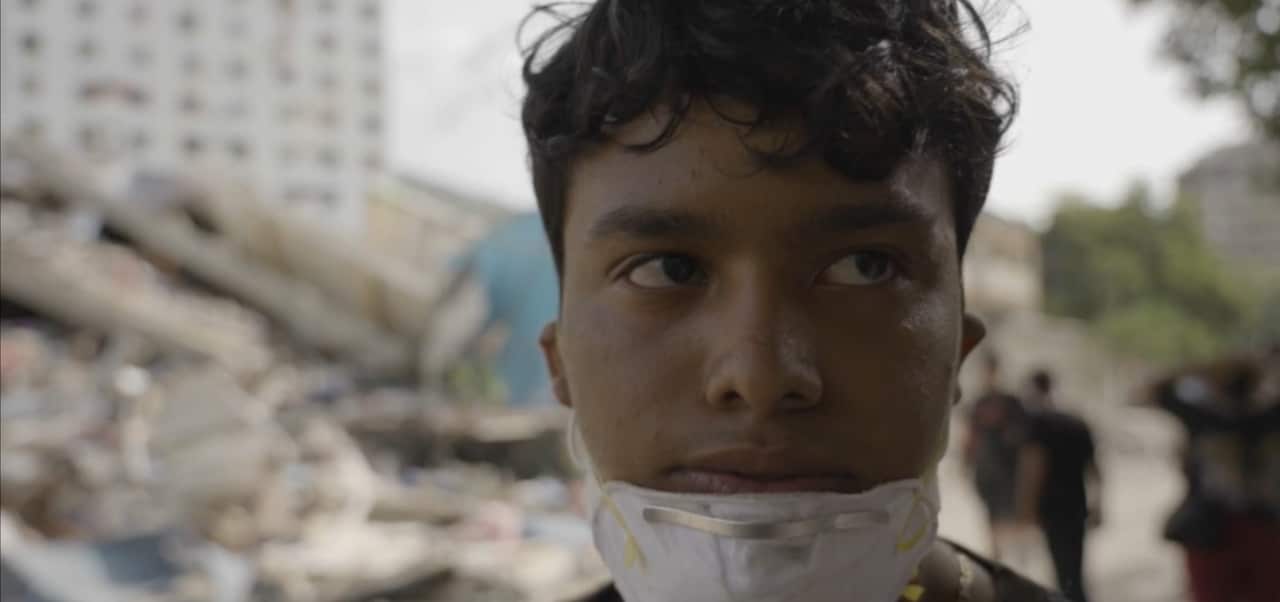
Parra has others helping him. There's no shortage of fellow Venezuelans using shovels, pick axes and other makeshift tools. But while we're at the site, we see very few government authorities.
There's only one excavator, operated by a Venezuelan volunteer. Parra wants more equipment, specialised machinery to move the giant slabs of concrete trapping his mum.
The sheer suffering here is on a scale that's hard to comprehend or describe.
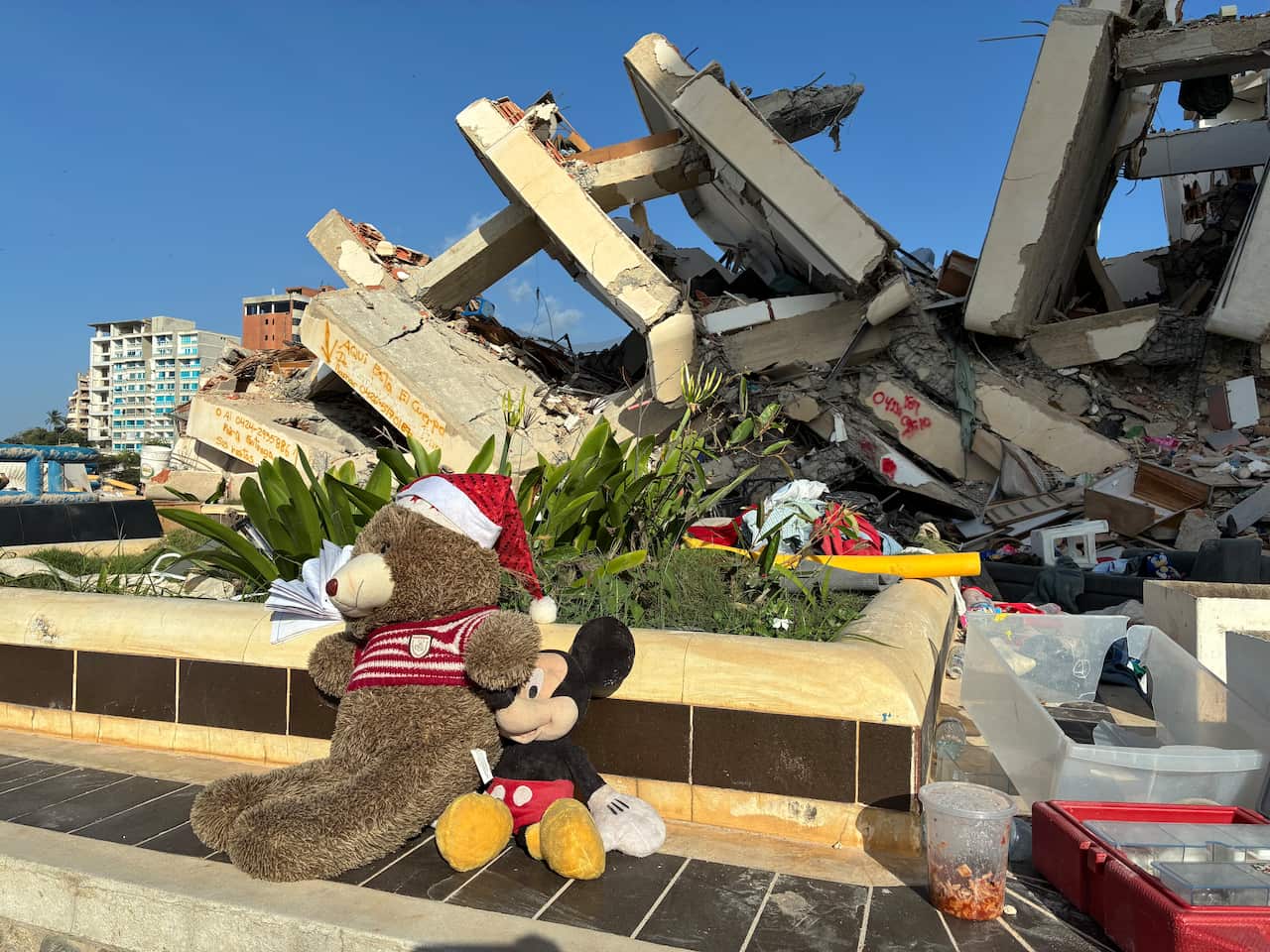
Building after building is either completely flattened or severely damaged in the hardest-hit state of La Guaira on Venezuela's northern coast.
It truly looks apocalyptic and there is fresh grief everywhere you turn — sunken eyes and raw anguish, as a mother watches authorities pull her daughter's body from the rubble. Her wail is something I'll find hard to ever forget.
It's impossible to see how a country already crippled by economic mismanagement and international sanctions could even begin to recover.
The earthquakes have exposed how underprepared the country was for a national disaster, with a healthcare system that was already under-resourced before the quakes struck.
The humanitarian needs are monumental, with the smell of death and decay filling the air around collapsed buildings. The risk of disease among the displaced and largely unvaccinated population is only increasing.
People are desperate, on edge and angry. Where freedom of speech has long been stifled, the earthquakes have acted like a release valve for frustrations with the government. Many people here say they feel abandoned.
The government says it is continuing rescue and relief efforts, but many residents told us help has been slow to reach the worst-hit areas — if it has arrived at all.
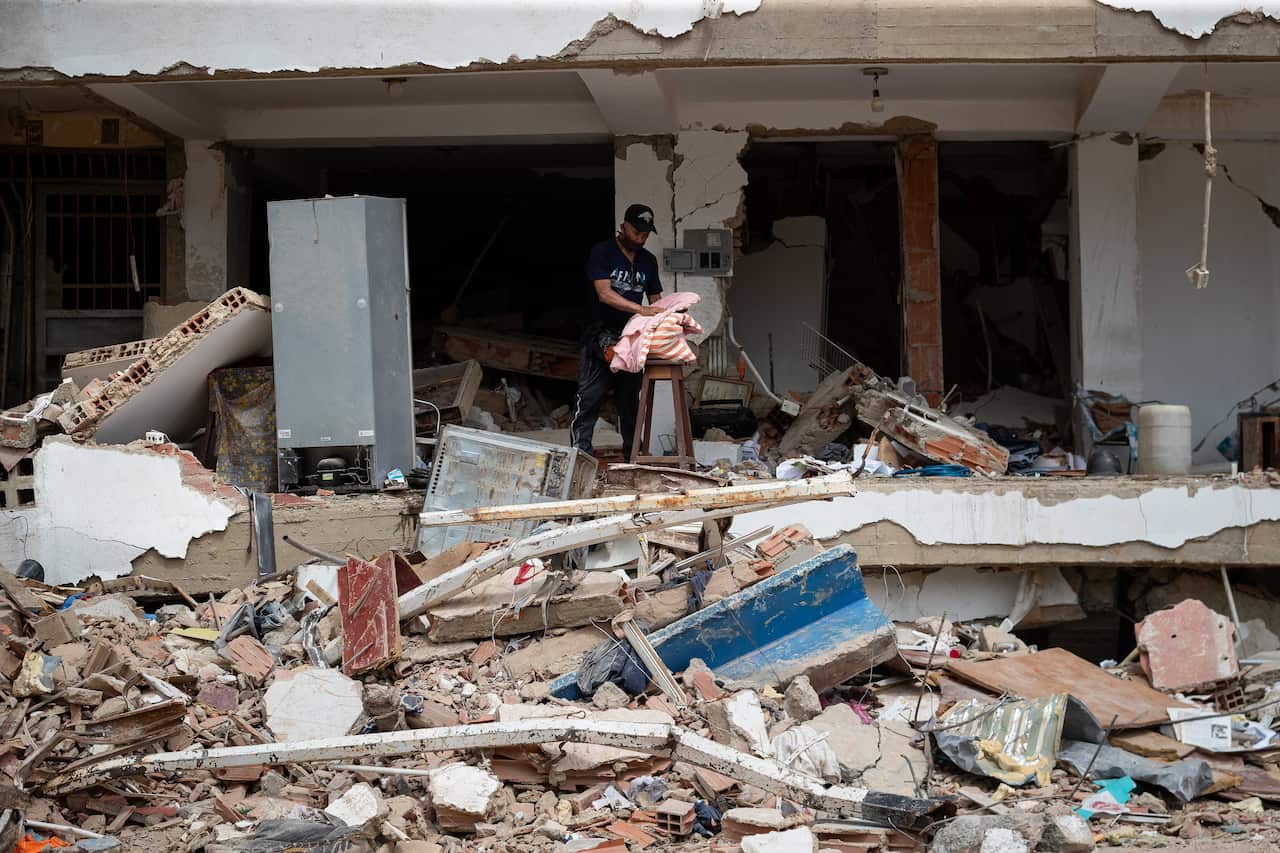
Over the last decade, Venezuelans have learned to rely on each other for support. Alongside the immense grief that I've witnessed, I've also seen incredible spirit. There's an enormous amount of solidarity, unity and resilience among the Venezuelan people.
People who have very little to give are finding ways to donate or volunteer their services. As earthquake survivor Marjory Gonzalez told me: "This is an opportunity to show the world that yes, we can."
For the latest from SBS News, download our app and subscribe to our newsletter.







