IN BRIEF
- More than 160 groups oppose reports Labor could remove work rights for asylum seekers.
- Charities warn a reported work rights plan could drive people into exploitation.
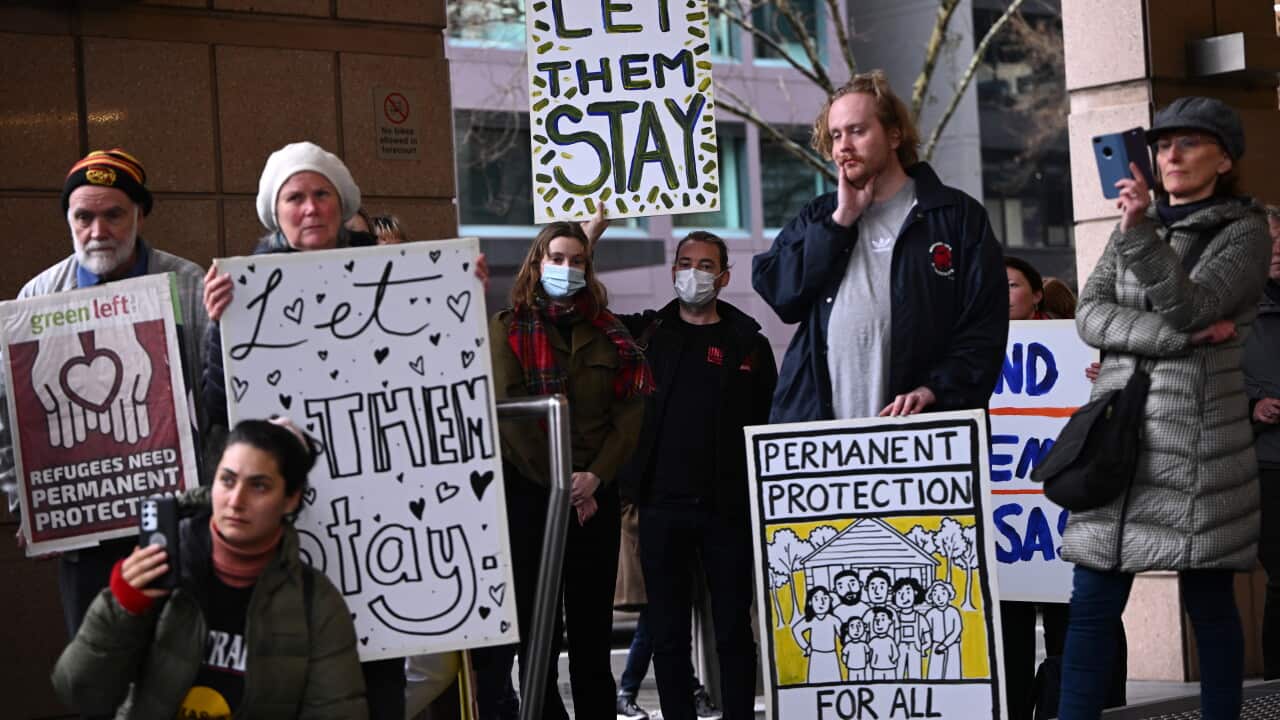
A coalition of rights groups is pleading with the federal government not to revoke work rights for asylum seekers, warning it could expose people to illegal employment conditions and cash-in-hand jobs.
Under pressure on migration policy, the Albanese government is reportedly considering removing work rights for temporary migrants applying for protection visas.
The move has not been formally announced, but the ABC reported the plan was due to be announced earlier this month in a since-cancelled speech by Home Affairs Minister Tony Burke, as part of a move to reduce migration numbers by cracking down on temporary visas and the number of overseas arrivals.
Sources told the ABC discussions within the federal cabinet centred on dealing with people who overstayed their visas, often on bridging visas.
The reports have alarmed community, charity, multicultural and migrant organisations, with over 160 writing to Prime Minister Anthony Albanese warning it would push people to poverty and exploitation, potentially resorting to cash-in-hand employment to make ends meet.
News that makes sense
Your trusted source for staying up-to-date with the world around you. Get free daily news updates and analysis, straight to your inbox.
This would then make them "more vulnerable to wage theft, unsafe working conditions, exploitation and abuse. This is fundamentally at odds with Labor’s values," the joint letter, which includes prominent groups like Anglicare Australia, GetUp, Human Rights Law Centre and Multicultural Australia, reads.
The organisations warned that their charities would be forced to shoulder the burden of support at a time when they're already over-stretched.
They said most asylum seekers are unable to access Centrelink and revoking work rights would have "profound" consequences.
"For many people, the right to work is therefore the difference between being able to support themselves and being unable to pay for food, rent, and other essentials."
The organisations acknowledged lengthy wait times in processing asylum and protection claims in the system, but proposed a number of alternatives as a solution, including investing money in ensuring applications are properly assessed by Home Affairs initially, and review tribunals are properly resourced, so that asylum seekers have a "fair chance" to make their case.
"We recognise that Australia's protection system is facing serious backlogs. Those delays undermine confidence in the system and cause real harm and distress to people who can spend years living with uncertainty, waiting for a final decision. We all have an interest in a protection system that is fast, fair and effective."
The government has faced intense scrutiny from both One Nation and the Coalition as it works to contain the country's net overseas migration.
On Sunday, Burke confirmed his department was slowing the processing of working holiday visa applications as pressure mounts to reduce net migration numbers.
Working holiday visas — often called "backpacker visas" — allow travellers to extend their stay in Australia by undertaking work that addresses labour shortages in Australia — often fruit picking, farm work, mining, or tourism work in regional and remote areas.
One Nation wants to reduce net overseas migration — a projection based on how many people will enter and leave the country — to 130,000 people a year.
Labor's long-term target is 225,000 a year over the next three years, though Burke said on Sunday the party's migration policy was still being worked through and needed to go through a full cabinet process.
Coalition frontbencher Andrew Bragg raised eyebrows last week when he floated cutting net overseas migration to 180,000 a year, suggesting the figure could be reached through "modest reductions" to international students, working holidaymakers and post-study work visas — a mix he said would bring housing supply back in line with population growth.
The Coalition itself is yet to land on an annual migration target or a formal policy for reducing the intake.
For the latest from SBS News, download our app and subscribe to our newsletter.







