In 2001 a group of young Melbourne lawyers arranged to volunteer with death row attorneys in America. The organisation they formed, Reprieve Australia, is now this country's peak anti-death penalty organisation.
More than 100 volunteers have travelled overseas to work on capital trials and appeals while Reprieve Australia agitates for abolition of the death penalty across the globe.
In an under-resourced area of the American legal system, work by volunteer Australians has made an enormous contribution to the defence of those on death row.
News that makes sense
Your trusted source for staying up-to-date with the world around you. Get free daily news updates and analysis, straight to your inbox.
These are some of their stories from the coalface of the American justice system.
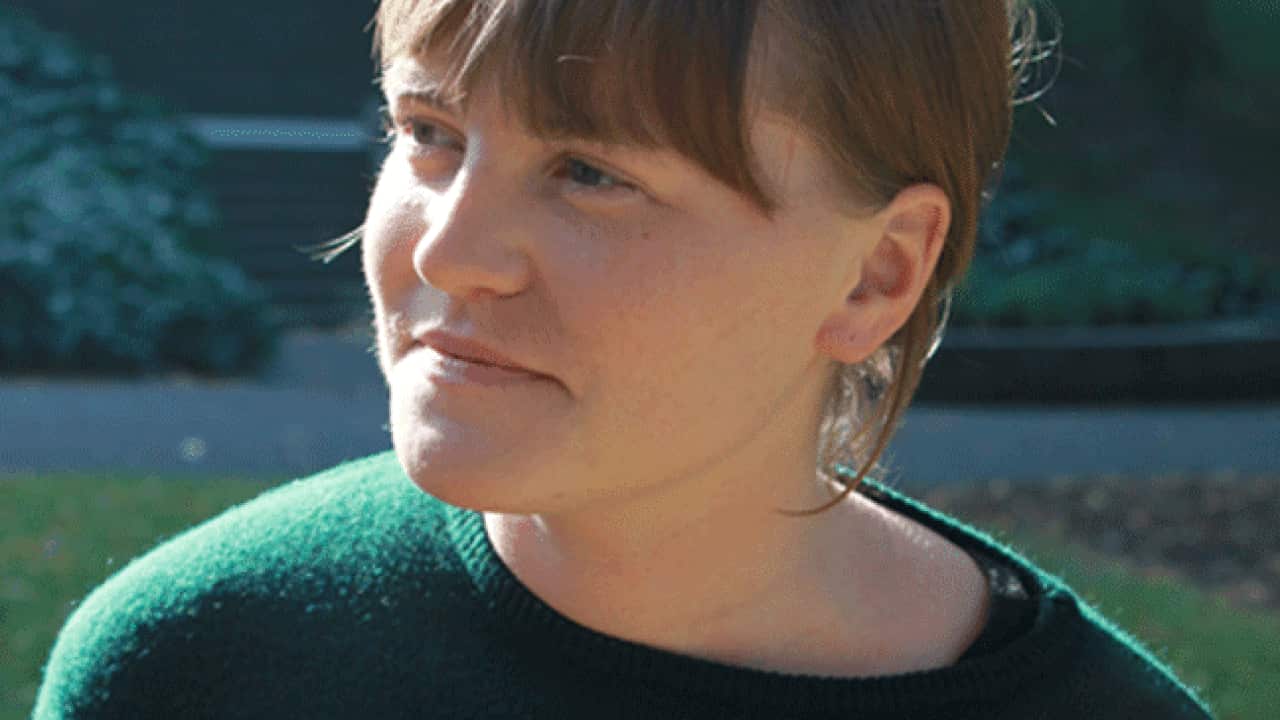
Rebecca Liley, 28. Policy officer, Melbourne
I completed a Reprieve Australia internship in Houston, Texas in 2006 after my third year of my Arts/Law degree at The University of Melbourne. In 2011-12 I returned the US to live in New Orleans and work as a Research Fellow on Reprieve UK's European Commission Project.
During my internship in 2006, I did a lot of different things – document discovery, transcription and administrative tasks. I was also a member of a mitigation investigation team for a capital trial that the office was involved in. This involved knocking on strangers' doors in the middle of rural Texas and getting to know the defendant's family – who was also the family of the victim in the matter. I attended the capital trial, and assisted the attorneys in the jury selection process and throughout the hearing. The defendant was a young African American man, who was about the same age as me at the time.
The trial was a difficult experience, watching a family who was dealing with the grief of losing the victim in the matter, and now possibly the Defendant, both of whom they loved. The family involved had no money to pay an attorney and little understanding of the court process that they were involved in, and that was to have profound consequences on their family and community. I sat with the defendant's family outside the court room during trial, part of my job was to explain the court process to them, and make sure that they were ready to give evidence.
It was really devastating when we lost the case. I had gotten to know both the Defendant and his family and understood the human cost of the verdict. Often these prosecutions are conducted in the name of the victim's family. In this case, it was clear that a capital trial was the last thing that they wanted.
When the verdict came down, they took the Defendant away through a door at the back of the courtroom. The officers returned his jacket and tie after he had changed into his prison outfit that at the time we thought he would be in for the rest of his life. I was given his jacket and tie to return to his mum. She had been pretty reserved for the whole trial and not really spoken to me much, but as I handed over her son's clothing, she put her arms around me and started sobbing on my shoulder.
At that point I had never been involved in a criminal matter anywhere – let alone a death penalty case. Needless to say it was a fairly steep learning curve about criminal justice and the importance of adequate legal representation to ensure a fair trial. The lawyers I was working with were incredibly dedicated, working without much support, in a fairly hostile environment – they had to be pretty resilient.
My experience in Texas affected me and when I came home to Melbourne. I wanted to stay involved in anti-death penalty work. I completed a research project as part of my law degree on race based jury selection in US capital trials and joined the Reprieve Australia Board.
After university, I trained as a criminal lawyer and practiced for two years in Melbourne. In 2011 I was awarded a Reprieve UK fellowship and went to New Orleans to work on the Reprieve UK European Commission Project. The project involved a survey of the US death row population to identify and assist prisoners who were eligible to be recognised as foreign nationals . It involved speaking to hundreds of lawyers across the country about where their clients were from and their family's national background. The project is still ongoing – we found a significant number of prisoners who were eligible for citizenship of a country and therefore consular and Reprieve assistance.
The death penalty in the US is administered disparately between members of different racial and socio-economic groups. Before even getting to the ethical debate of whether the death penalty is justifiable or not, it is necessary to address the fact that the death penalty is overwhelmingly imposed on impoverished people and is far more likely to be sought and handed down in a case involving an African American defendant and a white victim. You have to look at the system as a whole – the evident prejudice against certain groups, the problematic execution methods used and the rate of error in capital prosecutions – as well as examining the morality of state sanctioned killing.
Reprieve's work is important because it assists in the proper administration of justice – ensuring that a defendant, irrespective of their racial, social or economic status has adequate legal representation. Whether you are against or in favour of the death penalty, few people would argue that a defendant should not be given a fair trial before a decision over their life is made. In order for a fair trial to occur, a defendant needs to be adequately represented. This does not happen often enough for death row prisoners in the US and around the world.







