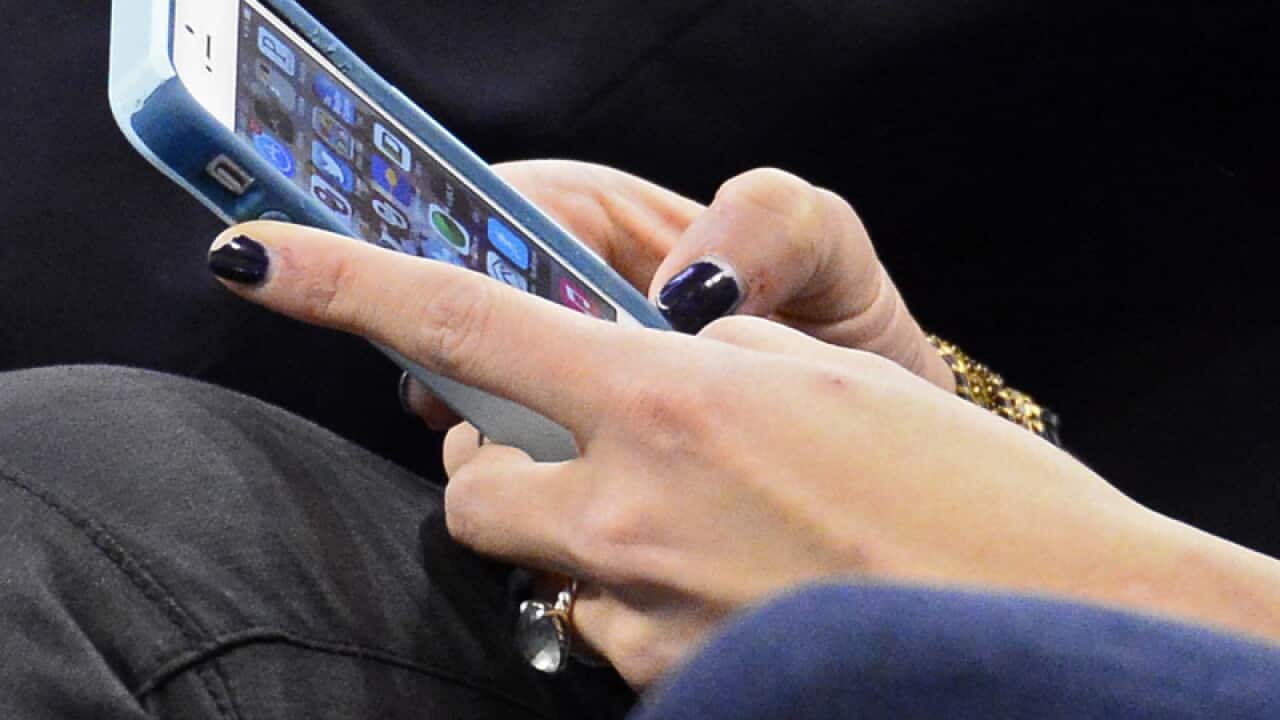
The US Supreme Court has ruled that police must obtain a warrant before searching the cell phone of a suspect, in a major civil liberties test in the smartphone age.
Mobile phones deserve the same protection against "unreasonable searches and seizures" as other personal property - for example homes - enshrined in the US constitution's Fourth Amendment, the top US court said on Wednesday.
The court, in two cases involving criminal suspects whose mobile handsets were searched by police, weighed the interest of law enforcement in finding important evidence against the civil liberties guaranteed in the constitution.
Chief Justice John Roberts, writing for the court, said that the principles of the US "Founding Fathers" still apply - despite the advent of 21st century technology.
"Our cases have recognised that the Fourth Amendment was the founding generation's response to the reviled 'general warrants' and 'writs of assistance' of the colonial era, which allowed British officers to rummage through homes in an unrestrained search for evidence of criminal activity," Roberts wrote.
News that makes sense
Your trusted source for staying up-to-date with the world around you. Get free daily news updates and analysis, straight to your inbox.
"Opposition to such searches was in fact one of the driving forces behind the Revolution itself."
Roberts said that people store vast amounts of personal data on their phones and that "the fact that technology now allows an individual to carry such information in his hand does not make the information any less worthy of the protection for which the Founders fought".
"Our answer to the question of what police must do before searching a cell phone seized incident to an arrest is accordingly simple - get a warrant," he wrote.
The American Civil Liberties Union hailed the decision as important for constitutional rights, while The Center for Democracy & Technology called the ruling "a tremendous victory for privacy rights".
Yousry Zakhary of the International Association of Chiefs of Police said the ruling was "disappointing and will undoubtedly impact law enforcement's ability to investigate and combat crime".







