Watching football can be good for mental wellbeing, a dementia expert says.
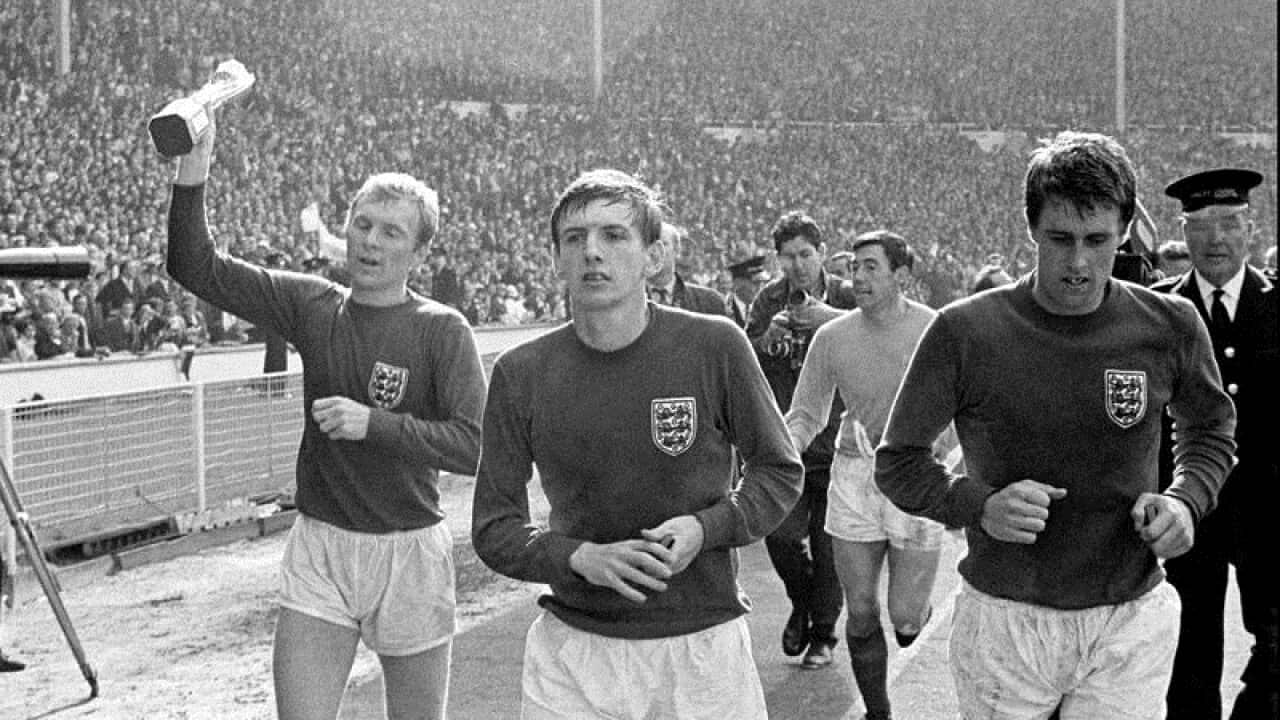
As England fans gear up to watch their team's quarter-final clash with Sweden, Professor Alistair Burns says older people in particular can benefit from watching classic football matches such as England's 1966 World Cup final victory.
Watching replays of sporting events can improve mental health and wellbeing by keeping the brain active and stimulating memories.
Prof Burns, who is NHS England's clinical director for dementia, says several members of the golden generation of 1966 have experienced dementia, with winners Nobby Stiles and Martin Peters currently living with the condition.
"Although fans may not feel it this week, football can be good for your nerves. The beautiful game really can help your mind and body," he said.
News that makes sense
Your trusted source for staying up-to-date with the world around you. Get free daily news updates and analysis, straight to your inbox.
"As well as being great physical exercise, there is a positive link between watching classic football matches and keeping the mind active.
"For people in old age and dealing with dementia, re-watching matches can rekindle past memories, connect people with their past and keep the brain active."
Prof Burns said the power of sport can stimulate emotion, which can be revived many years after the event.
Emotional memory, which is one of two main types of memory in the human brain, can be more powerful than memory for personal events, so as people in later life relive exciting or tense moments it can stimulate memories, potentially strengthening brain activity.
There is considerable overlap between the experience of people living with types of dementia and mental ill health.







