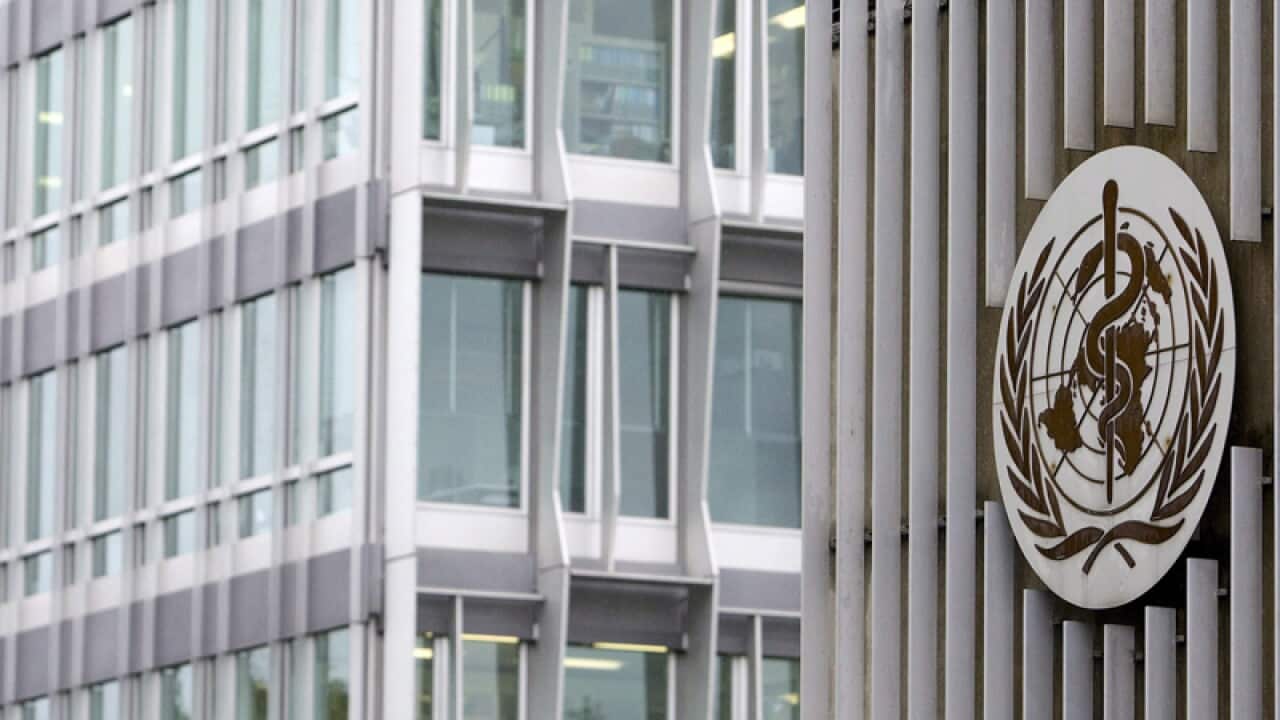
The number of people believed to have died from Ebola in west Africa has jumped to 518, the World Health Organization says.
The UN health agency said on Tuesday 50 new cases - 25 of them fatal - had been reported between July 3-6 by health authorities in Guinea, Liberia and Sierra Leone.
The total number of laboratory-confirmed, probable or suspected cases of Ebola in the region has now risen to 844, the WHO said.
The hardest-hit country remains Guinea, with 408 cases and 307 deaths.
The WHO data showed that while there had been no new cases in Guinea between July 3-6 there had been two more deaths attributed to Ebola.
News that makes sense
Your trusted source for staying up-to-date with the world around you. Get free daily news updates and analysis, straight to your inbox.
Liberia reported 16 new cases and nine deaths, bringing its overall count to 131 cases, with 84 fatalities.
Sierra Leone's figures showed 34 new cases and 14 deaths. That took its case-count to 305 and its death toll to 127.
The WHO and 11 west African health ministers last week held crunch talks to try to combat the deadliest outbreak of the virus in history.
Ebola is a form of haemorrhagic fever which is deadly in up to 90 per cent of cases.
It can fell victims within days, causing severe fever and muscle pain, vomiting and diarrhoea - and in some cases, organ failure and unstoppable bleeding.
Ebola is believed to be carried by animals hunted for meat, notably bats.
It spreads among humans via bodily fluids including sweat, meaning you can get sick from simply touching an infected person. With no vaccine, patients believed to have caught the virus have to be isolated to prevent further contagion.
The outbreak is the first in west Africa, and the largest since Ebola first emerged in 1976 in what is now the Democratic Republic of Congo.







