This audio is voiced by AI and may occasionally mispronounce words.
Share your feedback and help us improve this feature. Read more about how we use AI at SBS here.
"Tragic circumstances" occur in war zones.
But when does an accidental killing become a criminal offence?
In the case of Zomi Frankcom, an Australian killed in a drone strike while delivering humanitarian aid to the Gaza Strip in 2024, Israel's military justice system has concluded there is no reasonable suspicion of criminal misconduct.
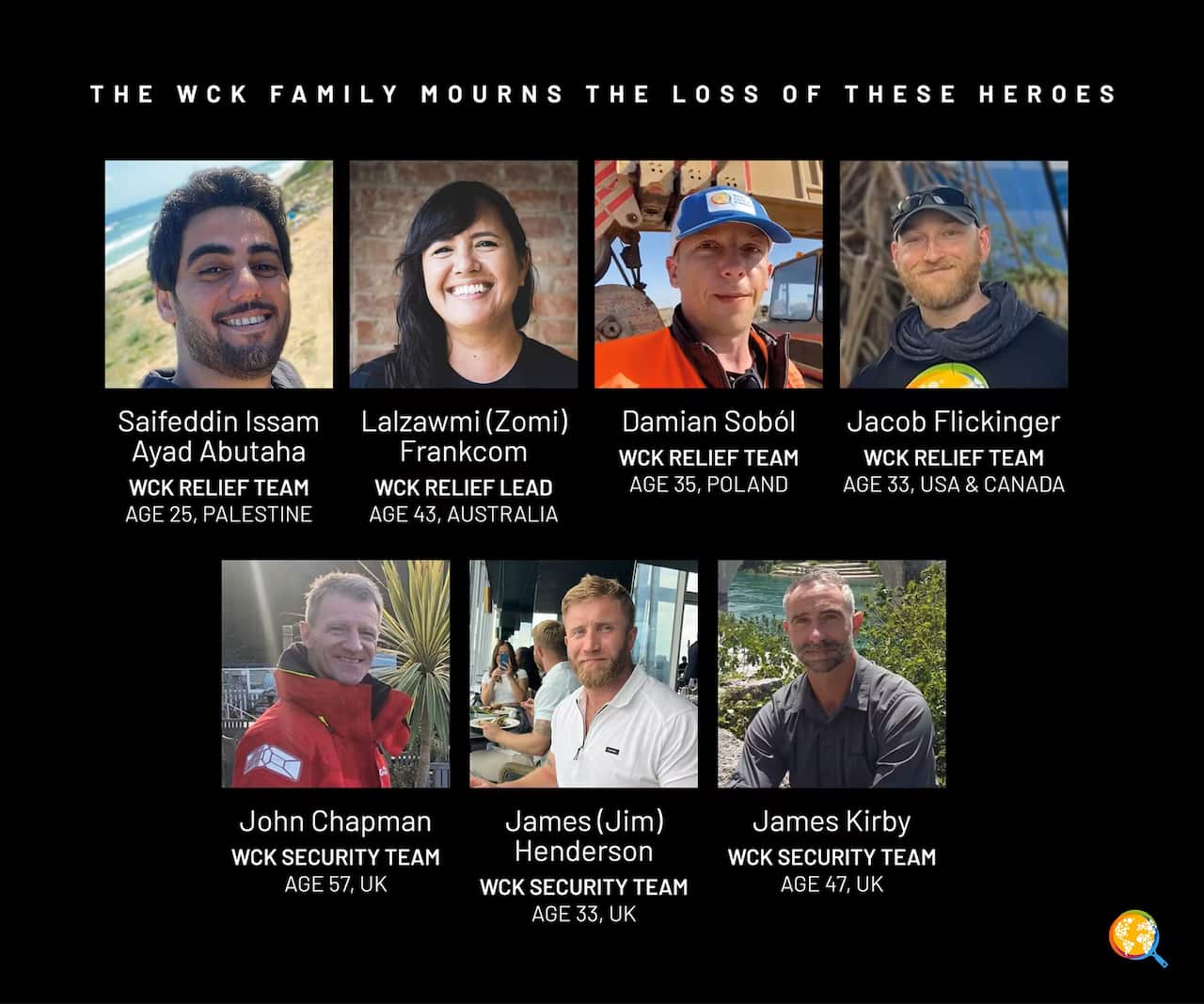
It announced this month its decision to close the investigation into the death of Frankcom and six other World Central Kitchen (WCK) colleagues.
Israel's ambassador to Australia, Hillel Newman, said there had been no intention to attack the aid workers and a "reasonable mistake" was made.
News that makes sense
Your trusted source for staying up-to-date with the world around you. Get free daily news updates and analysis, straight to your inbox.
"There are tragic circumstances in a war zone and we're very sorry for the family, but that does not always mean that there's criminal liability," Newman told ABC Radio National.
Two Israel Defense Forces (IDF) officers were removed from their positions over the incident and another three were formally reprimanded.
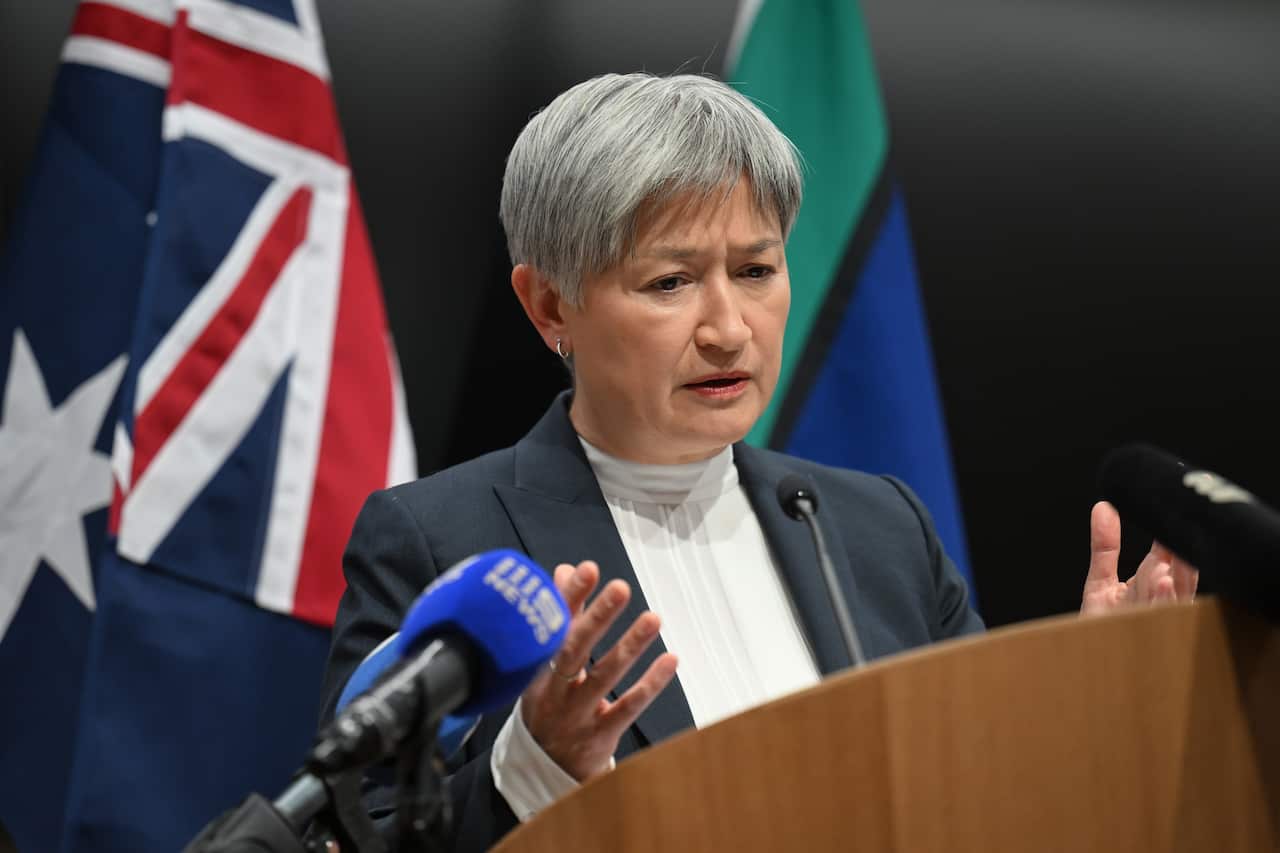
But Foreign Minister Penny Wong has criticised the decision, noting "there are still many unanswered questions".
This decision falls far short of the accountability we expect.

The Frankcom family and WCK are demanding an independent investigation into the airstrikes, saying "the IDF cannot credibly investigate its own conduct".
The case raises questions about whether Israel's military justice system is capable of delivering fair outcomes when its forces are accused of killing civilians, and where the line lies between a tragic operational error and conduct that warrants criminal investigation.
Michelle Burgis-Kasthala, professor of international law at La Trobe University, says there is "very compelling documentation" from many human rights organisations to suggest a "pattern of impunity" when it comes to the investigation of war crimes in Israel.
Most acts aren't investigated, but when they are, they seem to be quite perfunctory.
"A lot of the time they simply lapse and very rarely do they ever result in any form of criminal investigation, and even less likely [to result in] criminal conviction."
How often are Israeli soldiers prosecuted?
Last year, Action on Armed Violence (AOAV) looked at 52 publicly reported incidents in English-language media between October 2023 and June 2025, in which the Israeli media either reported an investigation was underway, or serious allegations of civilian harm.
The London-based charity found 88 per cent were either still under review or had been closed without any finding of wrongdoing.
So far, according to the cases examined by AOAV, only one case has resulted in a prison sentence against the accused.
IDF reservist soldier Israel Hajabi was convicted on 7 February 2025 for repeatedly beating bound Palestinian detainees with his fists, a baton and an assault rifle at the Sde Teiman military detention centre. Some of these attacks were captured on video.
Hajabi was sentenced to seven months in prison as part of a plea deal, an outcome that the Public Committee Against Torture in Israel says does "not constitute a significant deterrent".
Charges against five soldiers accused of physically abusing a detainee were dropped this year, partly due to "exceptional circumstances". This included the leaking of CCTV footage by then-Military Advocate General (MAG) Yifat Tomer-Yerushalmi, and the fact that the detainee had been released and allowed to return to Gaza.
In general, Burgis-Kasthala says Israelis are very supportive of their soldiers.
There'll actually be a huge amount of domestic pushback if there were quite high sentences issued to any Israeli soldiers.
"It's an extremely delicate situation domestically."
'Appeasing the international community?'
The AOAV found only six of the 52 cases resulted in an admission of error, although the IDF recently acknowledged alleged failures in the killing of five-year-old Palestinian girl Hind Rajab.
Rajab's case prompted outrage around the world and the movie The Voice of Hind Rajab, featuring recordings of her emergency call, was nominated for an Academy Award this year.
The girl was killed on 29 January 2024 after sitting in a car with six deceased family members for hours. Two Red Crescent paramedics sent to rescue her on a route coordinated with the IDF were bombed on arrival at the scene.

The IDF told Sky News UK in a statement in 2024 that a "preliminary inspection" appeared to show that "IDF forces were not present near the vehicle", but satellite imagery indicated 15 military vehicles were in the neighbourhood.
Burgis-Kasthala says Rajab's case is one of only two cases related to the current Gaza conflict to have moved into a criminal investigation stage, and while it's possible convictions will be secured given they are such high-profile incidents, she has her doubts.
"At best we would expect some very minor type of sentence being issued," she says.
Souheir Edelbi, a lecturer in international criminal law at Western Sydney University and co-convenor of the school of law's Palestine Project, says it's good to hear Israel will investigate but would like to understand how Rajab's case met the threshold for a criminal investigation while Frankcom's did not.
"Have they followed the same process or have there been gaps?
Are they running [it] for the sake of appeasing the international community?
How Israel investigates soldiers
The Israeli system of investigating and prosecuting allegations of international crimes is concentrated in the hands of the MAG.
The MAG decides whether a criminal investigation is opened after the Fact-Finding and Assessment Mechanism (FFAM) process conducts "factual assessments".
Approximately 150 incidents since the beginning of the current war have been reviewed through FFAM, with results sent to MAG. Three cases, including Frankcom's, have now been closed by MAG, and two will be examined by the Military Police Criminal Division as part of a criminal investigation.
The IDF says the MAG operates with full independence and is also subject to civilian oversight. Appeals can be lodged with the Israeli attorney general and the Supreme Court.
But German not-for-profit the European Centre for Constitutional and Human Rights (ECCHR) has raised concerns of a conflict of interest because the MAG also advises the IDF on the legality of operations.
Israeli not-for-profit organisation Yesh Din believes Israeli authorities have consistently avoided investigating and prosecuting soldiers who commit offences against Palestinians in the West Bank.
A data sheet it released last year looked at 219 complaints involving Israeli soldiers killing Palestinians from 2018 to 2022, before the most recent escalation in the Gaza conflict.
It found 107 investigations were opened and just one resulted in an indictment.
"The odds of a soldier being prosecuted for a complaint involving the killing of a Palestinian in the West Bank are just 0.4 per cent," the report noted.
The one soldier who was prosecuted was convicted of negligent homicide after opening fire on a Palestinian family whose car had been involved in a road accident. He also fired at people who came to the family's aid, killing one person.
The soldier was sentenced to three months of military community service as part of a plea bargain, a result Yesh Din criticised as lenient and said could contribute to a "deadly trigger-happy policy" that has claimed many Palestinian lives.
In a report released last year, the ECCHR highlighted cases prior to the current Gaza conflict where criminal investigations had not been pursued.
This included the killing of Al Jazeera journalist Shireen Abu Akleh on 11 May 2022, who was shot by IDF snipers while standing with a group of five other journalists, all wearing "PRESS" vests. Palestinian militants were initially blamed for the shooting until video footage of the incident was released.
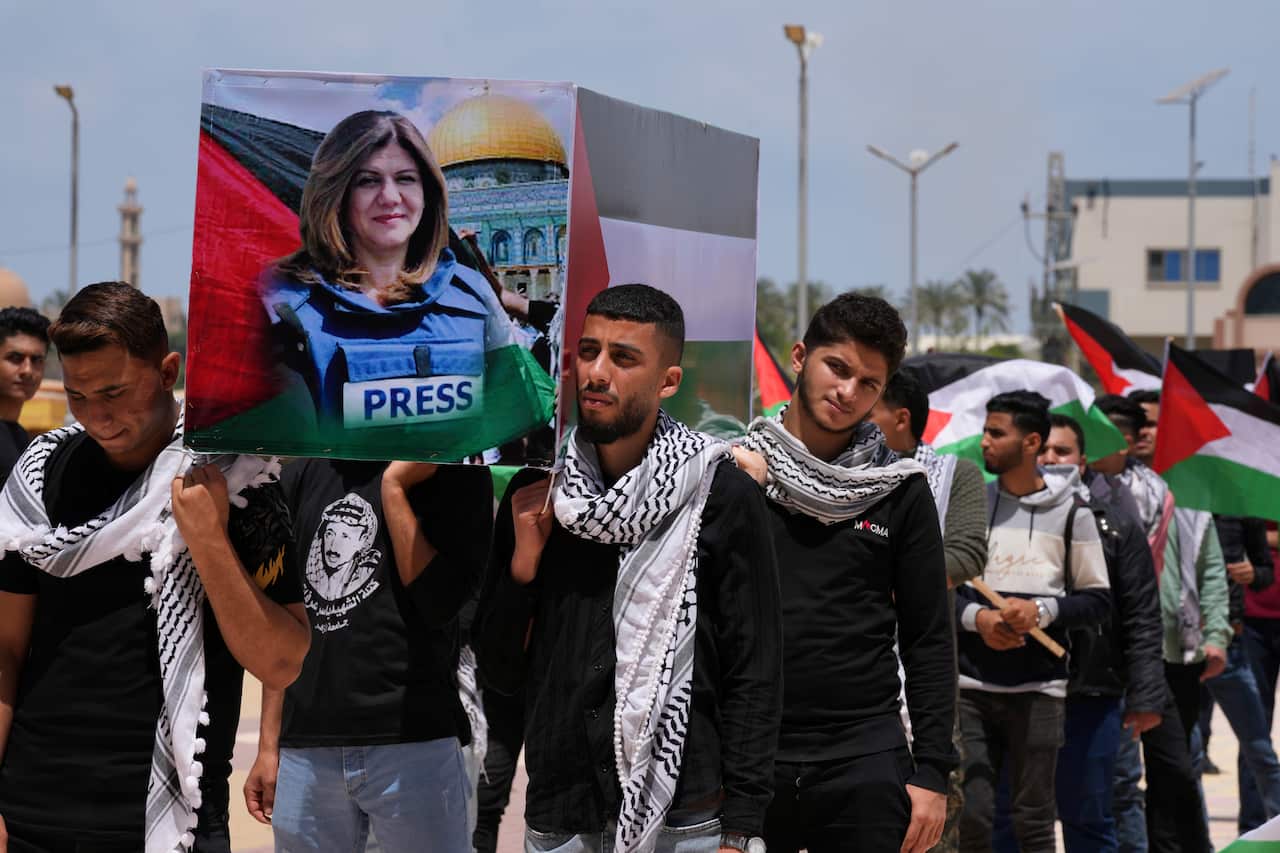
After a preliminary investigation, the IDF acknowledged there was a high possibility she was accidentally hit by IDF gunfire but said it was not possible to "unequivocally determine" the source of the gunfire.
The MAG found there was "no suspicion of a criminal offence that justifies the opening of a Military Police investigation". The documentary Who Killed Shireen? released last year challenged this conclusion after identifying an Israeli soldier it claims was responsible for her death.
Meanwhile, a criminal investigation into the bombing of Jabalia Elementary Girls School, which was being used as a shelter for displaced Palestinians in 2014, remains unresolved more than 10 years after it happened, with no information available on the outcome. The attack killed 17-18 people and injured at least 90 others.
"Israel cannot be viewed as a credible avenue for accountability for these crimes," ECCHR states.
Calls for international accountability
The ECCHR noted that in cases that have attracted international scrutiny, Israeli authorities will at times open investigations in order to create what it describes as "the veneer of a functioning system". It argues these investigations consistently absolve Israeli perpetrators of any wrongdoing.
It says the International Criminal Court (ICC) and third states must intervene to investigate and prosecute crimes committed against Palestinians, which it says have consistently gone unpunished.
Burgis-Kasthala says Australia could consider legal and diplomatic options to achieve justice for Frankcom.
While Australia has placed sanctions on a number of Israeli individuals, Burgis-Kasthala believes more broad-based sanctions may be required, including potentially rethinking the Australia-Israel trade relationship, and Australia's contribution to the F-35 fighter jet supply chain.
The Australian government has previously said it does not supply weapons or ammunition to Israel and the F-35 supply chain is centrally coordinated by Lockheed Martin and the United States government.
We need to actually do something serious if our statements are going to be taken seriously.
Australia is also a member of the ICC, which has issued arrest warrants for Israeli Prime Minister Benjamin Netanyahu and former defence minister Yoav Gallant, alleging they were responsible for war crimes and crimes against humanity in relation to the conflict in Gaza.
In recent years, the ICC has come under attack from the US, which has called it "corrupt" and issued sanctions against nine of the court's 18 judges.
Burgis-Kasthala says Australia needs to back the ICC's work, including arresting Netanyahu if he visited Australia.
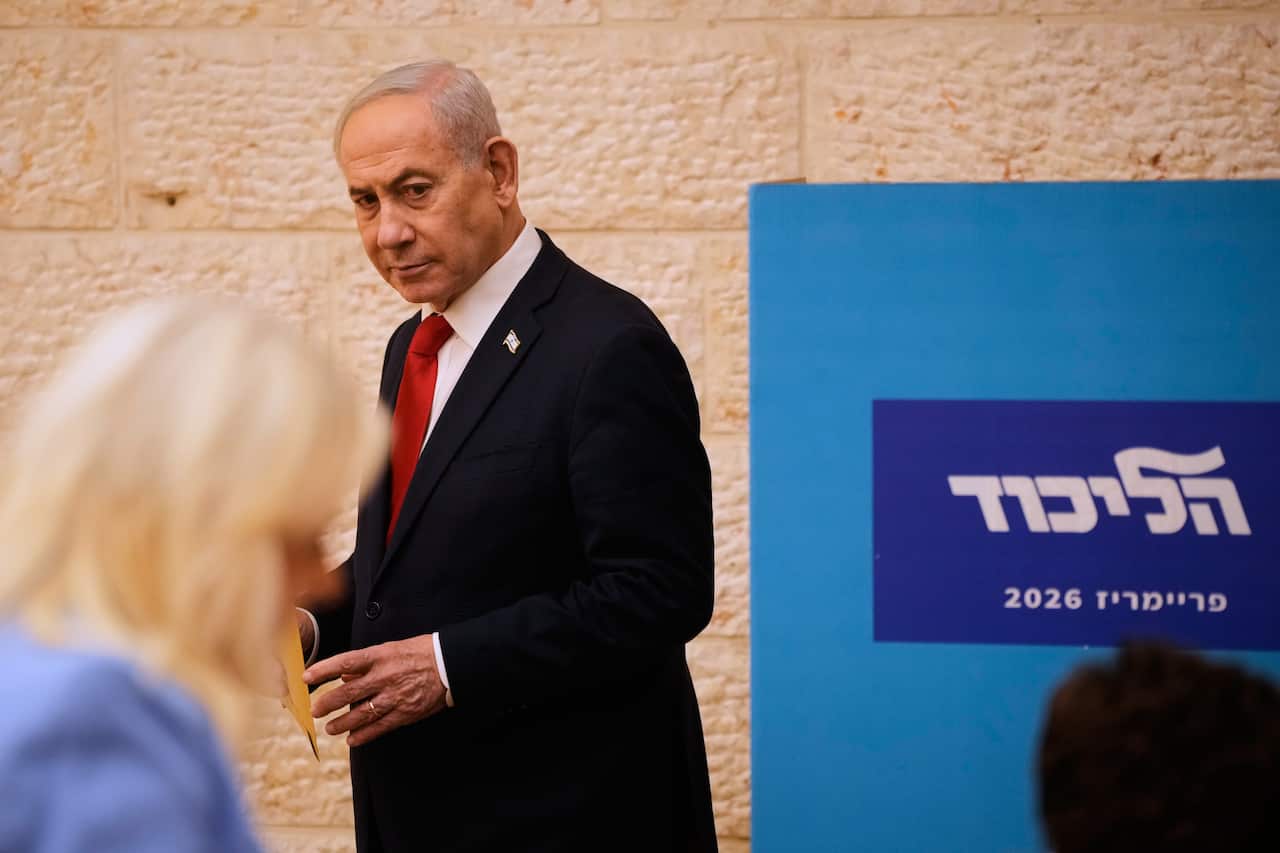
Netanyahu has denied the authority of the ICC and described the order against him — including claims that he used "starvation as a method of warfare" in Gaza — as "absurd and false".
Other experts have suggested Australia could potentially join with the United Kingdom and Canada, whose citizens were also killed in the WCK attack, to launch an MH17-style joint criminal investigation.
In this case, trials were held in a Dutch criminal court without the accused being present, leading to the convictions of three people in 2022.
Questions remain
Wong says unanswered questions remain about why the drone strike that killed Frankcom and her WCK colleagues occurred in a humanitarian fire control zone, and after the brigade commander had been told not to engage the convoy of vehicles.
"Even if the first strike was a catastrophic error, two further strikes followed, each two minutes apart," she told reporters at a press conference earlier this month.
As former Australian defence force chief Mark Binskin concluded in his 2024 report on the deaths, Wong says the strikes were in violation of IDF's standard operating procedures and rules of engagement.
Drone audio has also not been released despite being requested multiple times by the government on behalf of Frankcom's family.
Edelbi says it’s difficult to assess whether a genuine investigation has been conducted because Israel has not released all the evidence and the IDF appears to be relying almost exclusively on the drone operator's interpretation of events.
Questions have also emerged around the state of mind of a senior brigade officer after it surfaced he was a signatory to a letter calling for Gaza aid to be restricted.
Edelbi says this raises further questions around the decision to launch the strikes, and whether the circumstances could give rise to criminal liability.
She says the fact that it has taken more than two years for MAG to make a decision could also be considered an "unjustified delay" that essentially shields the suspects from criminal responsibility.
Wong says the Australian government will keep pressing Israel for justice and would consult with Frankcom's family before announcing further steps.
Burgis-Kasthala says if justice is to be achieved in cases like Frankcom's, Australia needs to do more than make statements.
Simply calling this out will not do anything because Israel is used to this.
"It's very good at being able to deflect criticism, and it's learned from past practice that it's a waiting game.
"I think Israel's expecting us to forget.
"It's expecting even Australians to forget Zomi Frankcom's killing."
For the latest from SBS News, download our app and subscribe to our newsletter.







