4 min read
This article is more than 7 years old
Explainer
What is desalination and can it provide enough water to offset future droughts?
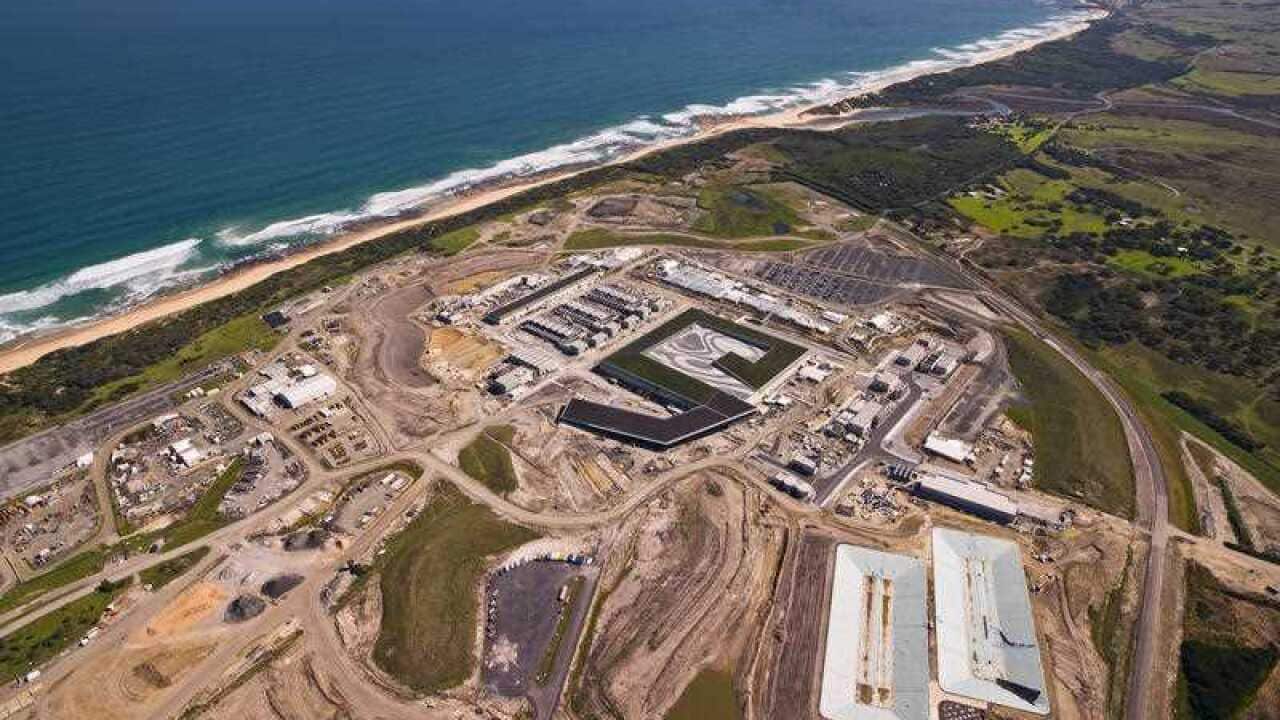
Sydney's Kurnell desalination plant has been turned on for the first time in seven years, after dam levels dropped below 60 per cent capacity.
The $2 billion plant is now contractually obligated to operate for at least 14 months, and potentially, until dam levels return to 70 per cent.
The NSW government hopes the desalinated water will be delivered to Sydney's water supply by May or June.
But how does the technology work and how effective will it be in protecting Australia from future droughts?
What is desalination and how does it work?
Water desalination refers to the removal of salt from seawater.
Many countries use it because, like recycled wastewater, it creates a water supply not dependent on rain.
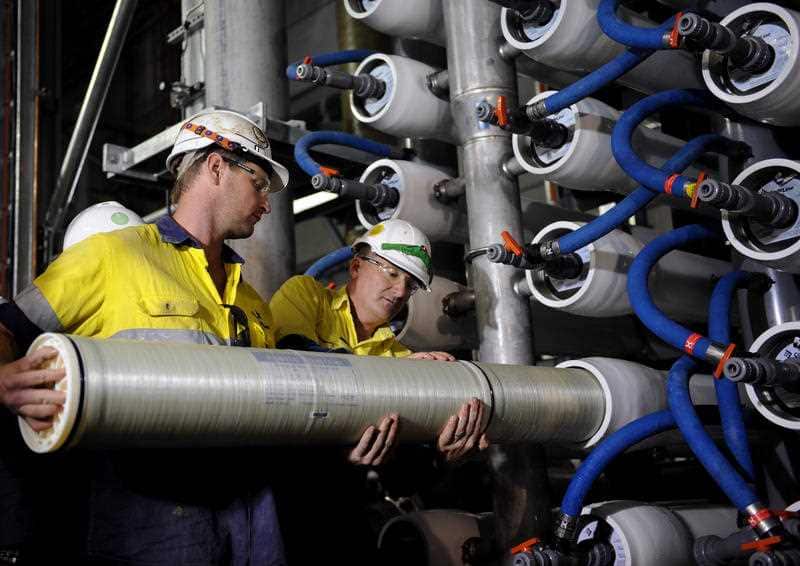
“Desalination is actually very simple,” Mike Young, a Professor of Water, Energy and Environmental Policy at the University of Adelaide, told SBS News.
“You have a membrane, you put seawater under very high pressure, and you squeeze the water through. The salt and everything else in the water then stays behind."
There are five major desalination plants in Australia.
Two major plants are in operation in and near Perth.
Plants in Adelaide and outside of Melbourne are in operation, while the facility located on the Gold Coast remains on permanent standby.
What are the environmental risks?
Desalination is generally seen as a last resort to rebuild water supply or quality, due to the high amount of energy the process requires.
While many states now require desalination plants to run on some amount of renewable energy, many plants still run on fossil fuels.
For every litre of seawater, around half a litre of drinkable water is produced.
The byproduct, now with twice the salt content of the original seawater, is pushed back into the ocean.
A University of NSW study last year found releasing the hyper-salty water back into the sea has minimal environmental impacts.
"It dissolves very quickly and spreads throughout the ocean," Professor Young said.
How much does it cost?
Another argument against desalination plants is the increased costs it places on consumers.
Now the Kurnell plant has been switched back on, Sydney residents could potentially see their water bill increase by up to $35 a year.
Jennifer McKay, a Professor of Business Law at the University of South Australia who has been researching water governance for over 25 years, insists it is worth the cost.
"It does take a lot of energy, and as we know, energy costs a lot of money,” she told SBS News.
“But what price is it to have your community have a reliable and safe water supply?"
Professor Quentin Grafton, from the Crawford School of Public Policy at the Australian National University, said while Sydneysiders may be happy to pay the extra money, not everyone around the country will.
“Australian water consumers in the cities are prepared to pay a much higher price in the context of desalination and desalinated water,” he told SBS News.
“There will be some exceptions, but for most of rural Australia, they’re going to have to rely on something else."
What role could desalination play in Australia’s future?
Many of the major desalination plants around Australia were built directly in response to the so-called Millennium drought - a drought which occurred throughout the 2000s, labelled by some as the worst drought recorded since European settlement.
With much of Australia currently in the throes of another drought, could desalination be the answer in protecting Australia from future droughts?
"The key here is not whether desalination is bad or good, per say,” Professor Grafton said.
"It is simply about combining it with the other options available: Can we do some recycling of water? Can we look for alternative water sources?"
Professor McKay agrees.
An overhaul of how Australia's resources are managed and allocated is also needed, she said.
"Desalination is only part of the solution - the bigger, broader issue is to get some forums at the state level that enable national interest decisions to be made, bearing in mind the costs and environmental risks.
"The time for state parochialism in water management is over."







