Ground-breaking research is under way in north Queensland aimed at putting a dollar value on rivers and the wild food sources they provide.
Aborigines from Cape York's Kowanyama community have teamed up with the Australian Commonwealth Scientific and Industrial Research Organisation (CSIRO) to value the Mitchell River delta.
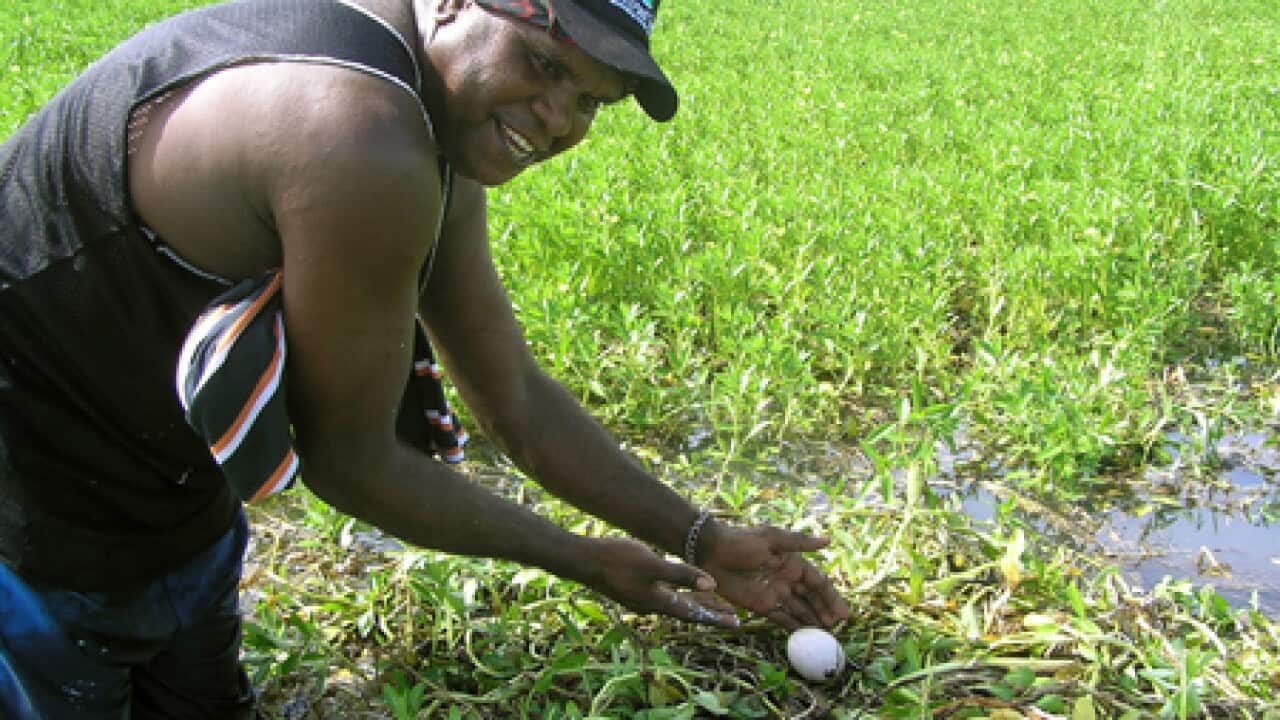
Under the program they'll record harvests of wild food sources such as Magpie Goose eggs and fish.
A direct comparison will then be made on how much it would cost to buy replacement items from the local store.
The Mitchell River delta is a food bowl for the people of Kowanyama, but it has not been declared a wild river under Queensland legislation, leaving it open to development pressures.
News that makes sense
Your trusted source for staying up-to-date with the world around you. Get free daily news updates and analysis, straight to your inbox.
Locals oppose mining
Rodney Whitfield from the Kowanyama Aboriginal Land and Natural Resource Management Office said the community had long been concerned about the impacts of a range of activities on the delta.
He said there were grave concerns about a parade of mining applications locals fear could damage the environment and affect wild food sources.
"Every year we're having to combat mining applications and exploration applications," he said.
"It's like a broken record at the moment. The indigenous people here just don't want mining, full stop."
Mr Whitfield said the research project would establish the importance of the food chain to the health and welfare of local people.
Siltation from mining and exclusion from mining lands would mean people had to buy food from the government-run shop at Kowanyama, which he said "doesn't mind charging".
"That becomes costs which (the people) don't need," Mr Whitfield said. "(Also) you start losing various aspects of your culture and tradition in hunting and food-gathering methods."
"The other impact mining would have is on the wildlife side - birds, fish turtles, the list goes on."
Decision makers 'don't understand'
The river delta and surrounding bushland also provide materials for the manufacture of traditional artefacts, Mr Whitfield said.
CSIRO researcher Dr Sue Jackson said Aboriginal people had a large stake in water resource planning and management based on their distinct cultures, ways of life and substantial land holdings.
"Their interests and values in water are poorly understood by decision makers," Dr Jackson said.
"With the results from this research Aboriginal people will be able to sit at the table with other water users such as farmers and mining companies and have their water requirements factored into land-use decisions and water planning."







