
IN BRIEF
- Many countries have experienced a succession of record-breaking heatwaves this European summer.
- They have caused severe droughts, affecting major waterways such as the Danube and the Rhine.
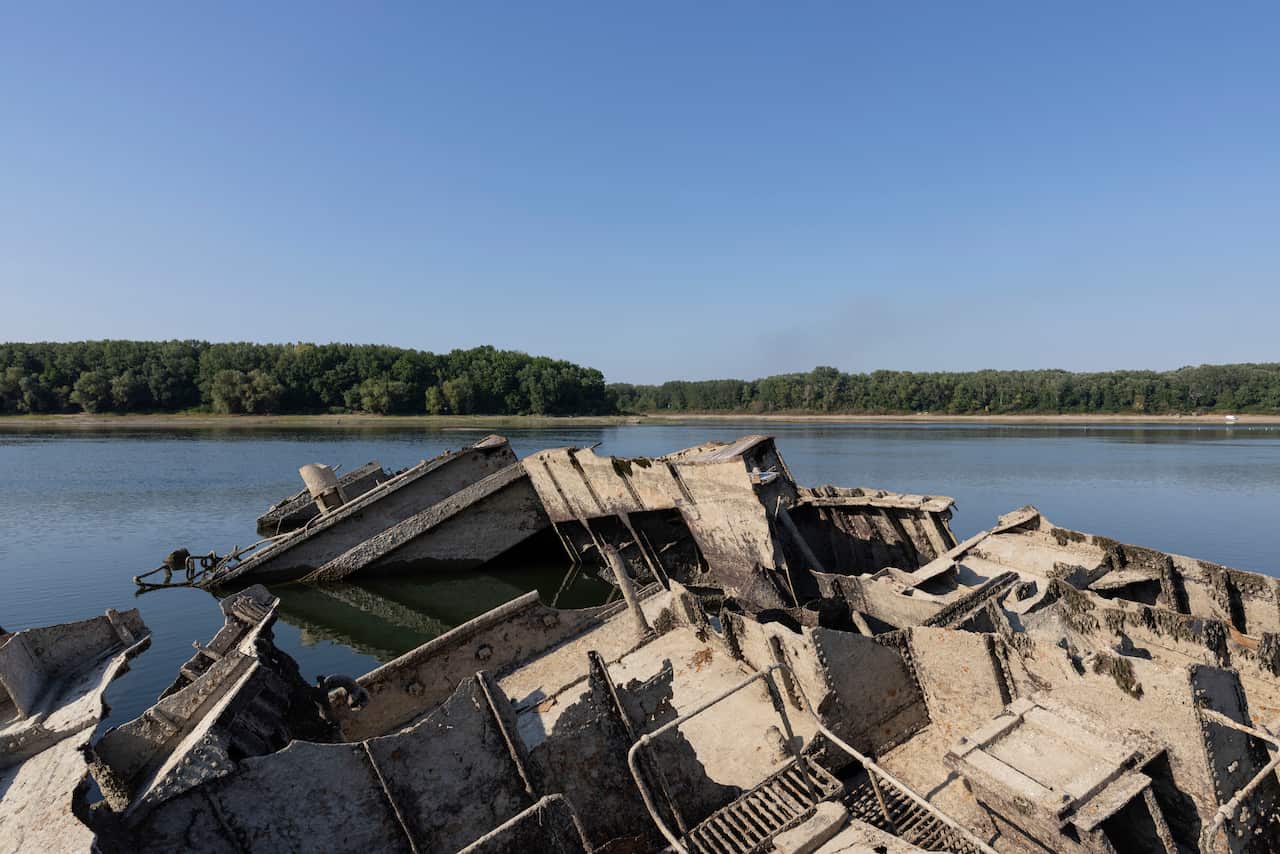
Water levels on the Danube River, the second-longest in Europe, have dropped so low because of drought that the hulks of dozens of World War Two German warships are emerging into view.
They are a curious distraction from the summer heat crisis. The Danube’s record-low water levels have also pushed power plants to the brink of shutting down, and governments across Central and Eastern Europe are taking steps to conserve electricity.
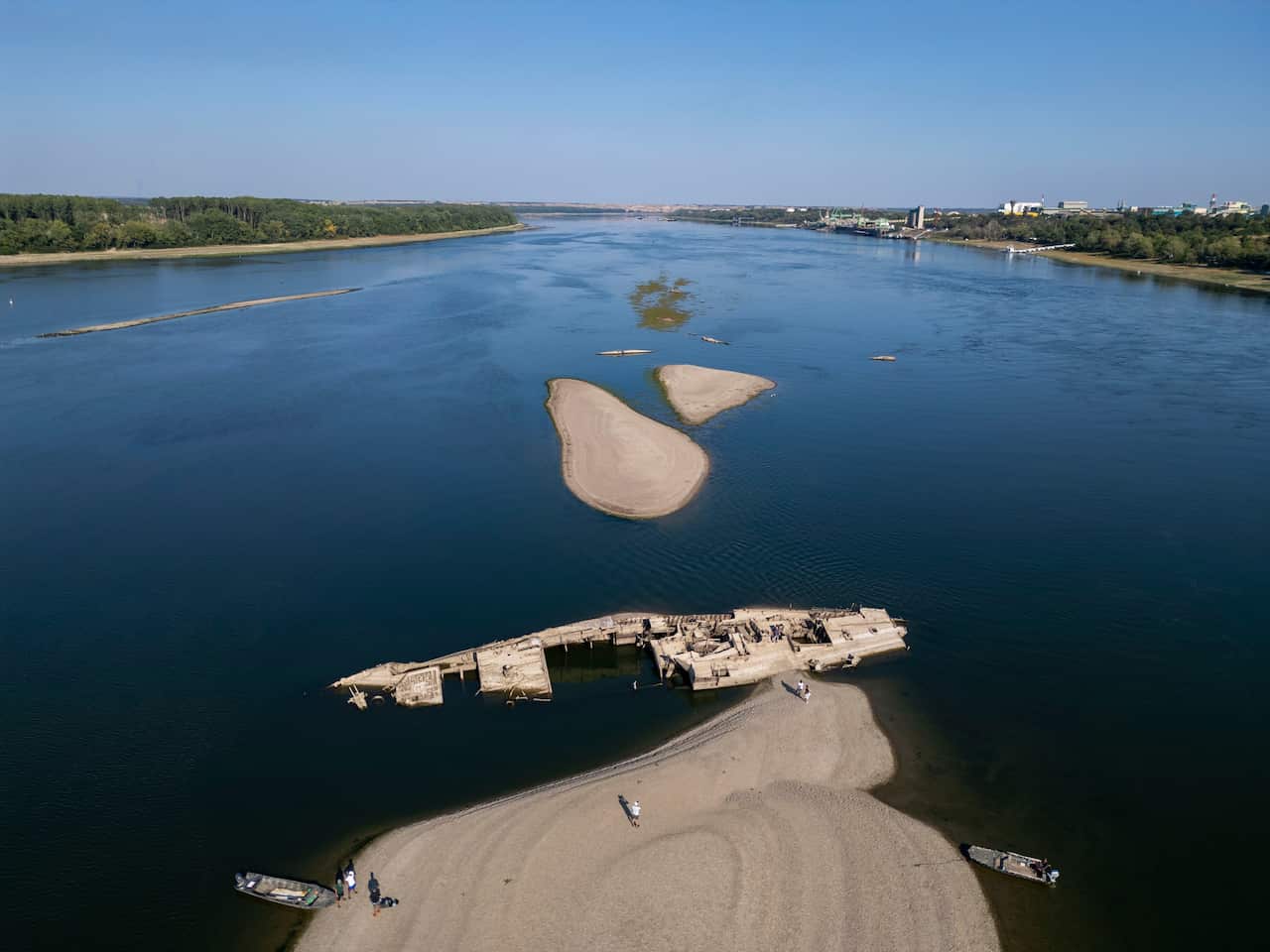
In the middle of the river separating Serbia and Romania near the Serbian port of Prahovo, a rusty hull is now visible along with a broken mast where the Nazi flag used to fly.
News that makes sense
Your trusted source for staying up-to-date with the world around you. Get free daily news updates and analysis, straight to your inbox.
The ships, some still laden with weapons, belonged to Nazi Germany’s Black Sea fleet that the Germans deliberately sank as they retreated from Romania and as Soviet forces advanced deeper into Europe near the end of the war.
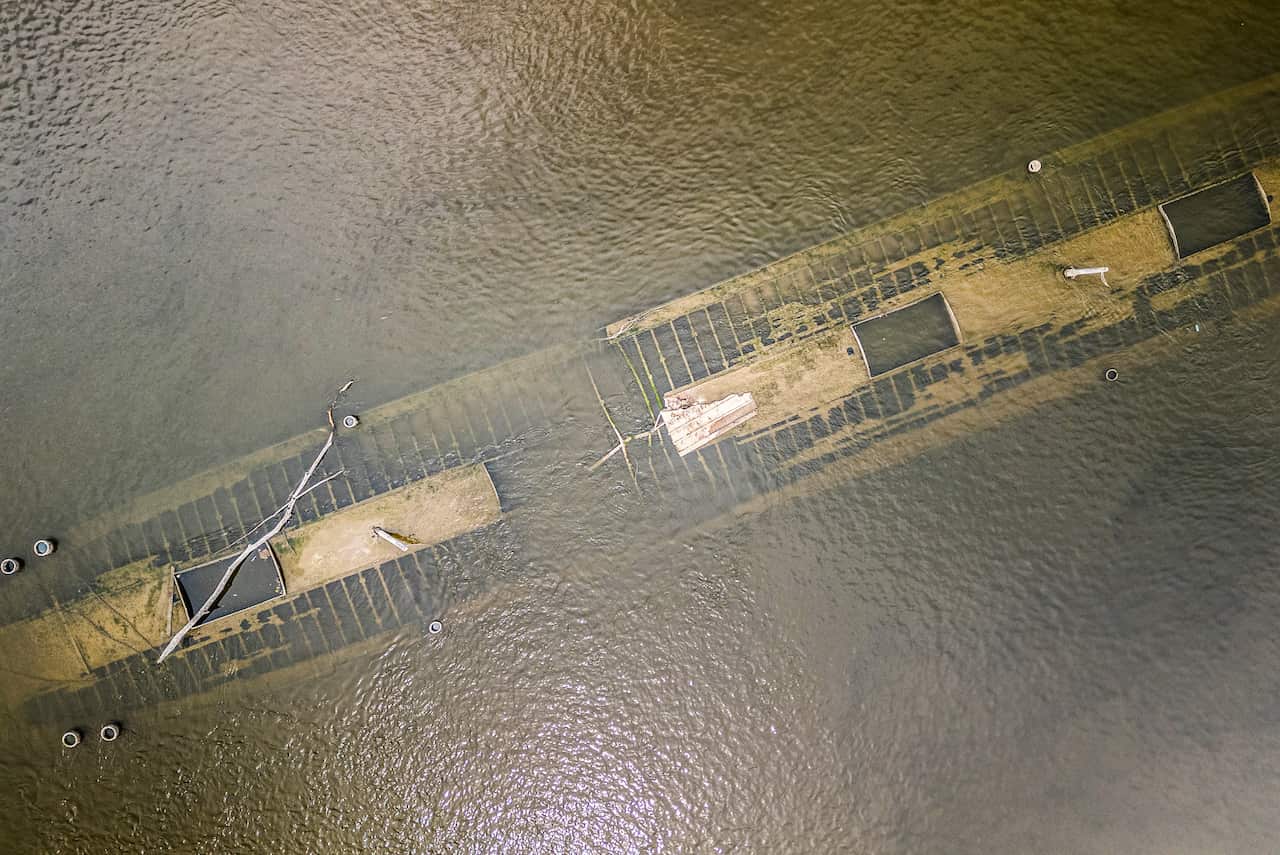
Historians say up to 200 German warships were scuttled in September 1944 near Prahovo in the Danube gorge as they came under Soviet fire. The idea behind the deliberate sinking was to slow down the Soviet advance in the Balkans. But Nazi Germany surrendered months later, in May 1945.
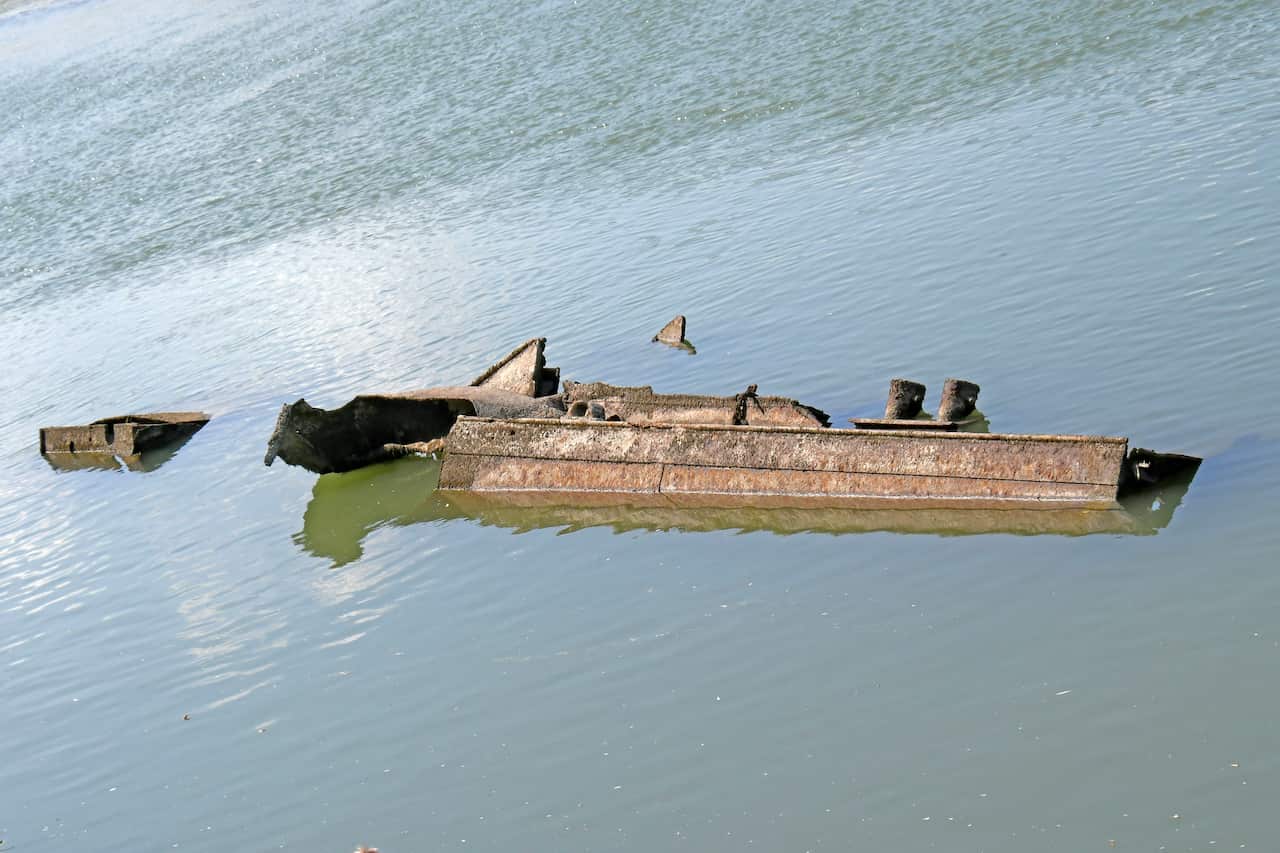
The sight of the old warships is a reminder that the Serbian government, with European Union financial support, has long been trying to do something about them. Some were removed from the river by Communist Yugoslav authorities, but most have remained because of the explosives they carried.
Now, however, authorities are trying to keep traffic flowing on the Danube, which flows through 10 nations, as the dropping water levels create dangerous conditions. Experts have linked the unusually hot weather to global warming and other factors.
Earlier this month, Romania's army blasted a rock in a branch of the Danube River in an effort to increase the flow of cooling water to the Cernavoda nuclear power plant, where critically low water levels raised the risk of a shutdown.
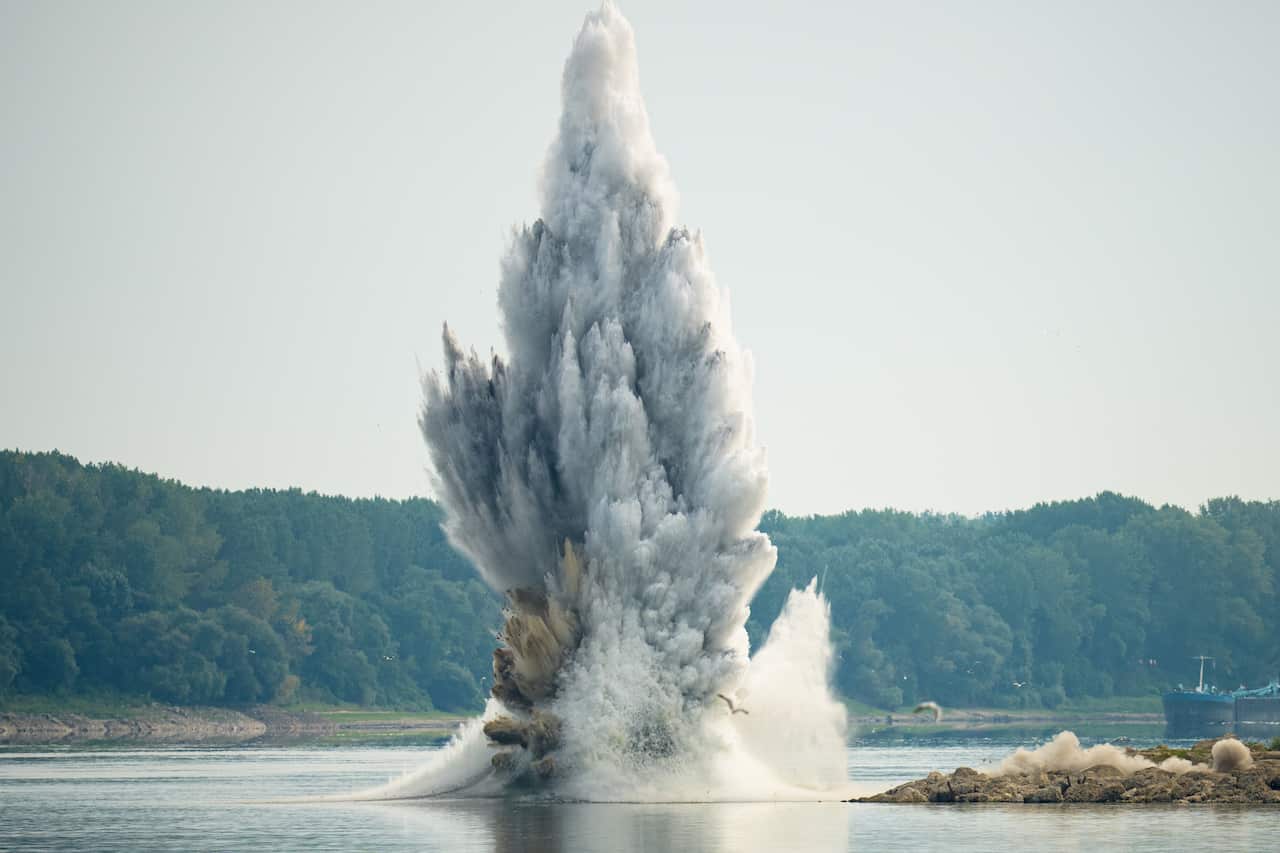
The Cernavoda plant, which draws all of its cooling water from the Danube, has been threatened by the river's sharply reduced water levels caused by drought.
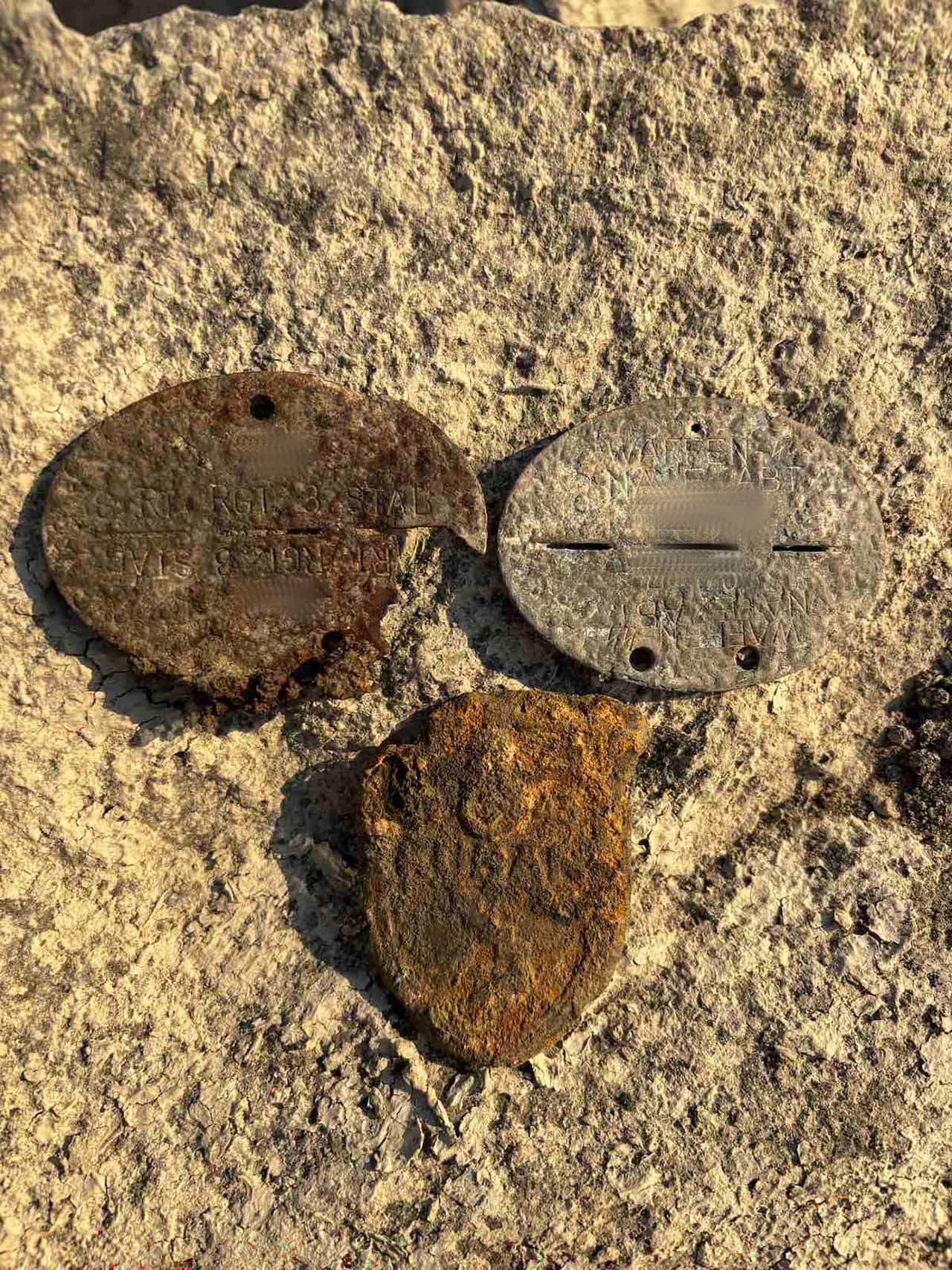
Also earlier in August, mortal remains of two German Wehrmacht soldiers were exposed by the historically low water level of the Danube near Budapest. A recovery specialist from the German War Graves Commission retrieved the remains from the riverbed in the Hungarian capital.
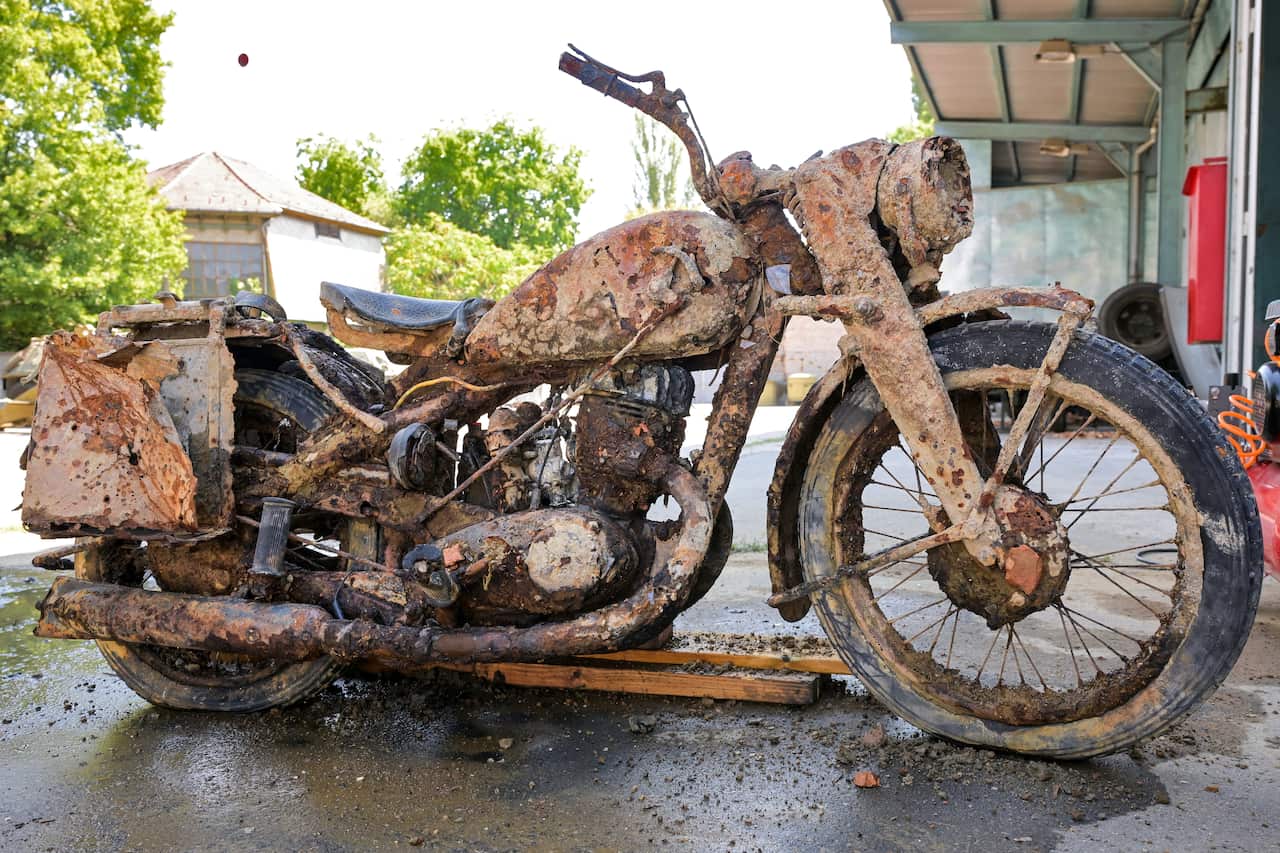
The team also found two identification tags at the site. According to the association, the bodies were found alongside a German military motorcycle and several anti-tank mines. Consequently, bomb disposal experts were deployed.
In late July, the remains of what is believed to be an ancient mammoth were revealed in northern Bulgaria after the Danube's water levels receded to a record low.
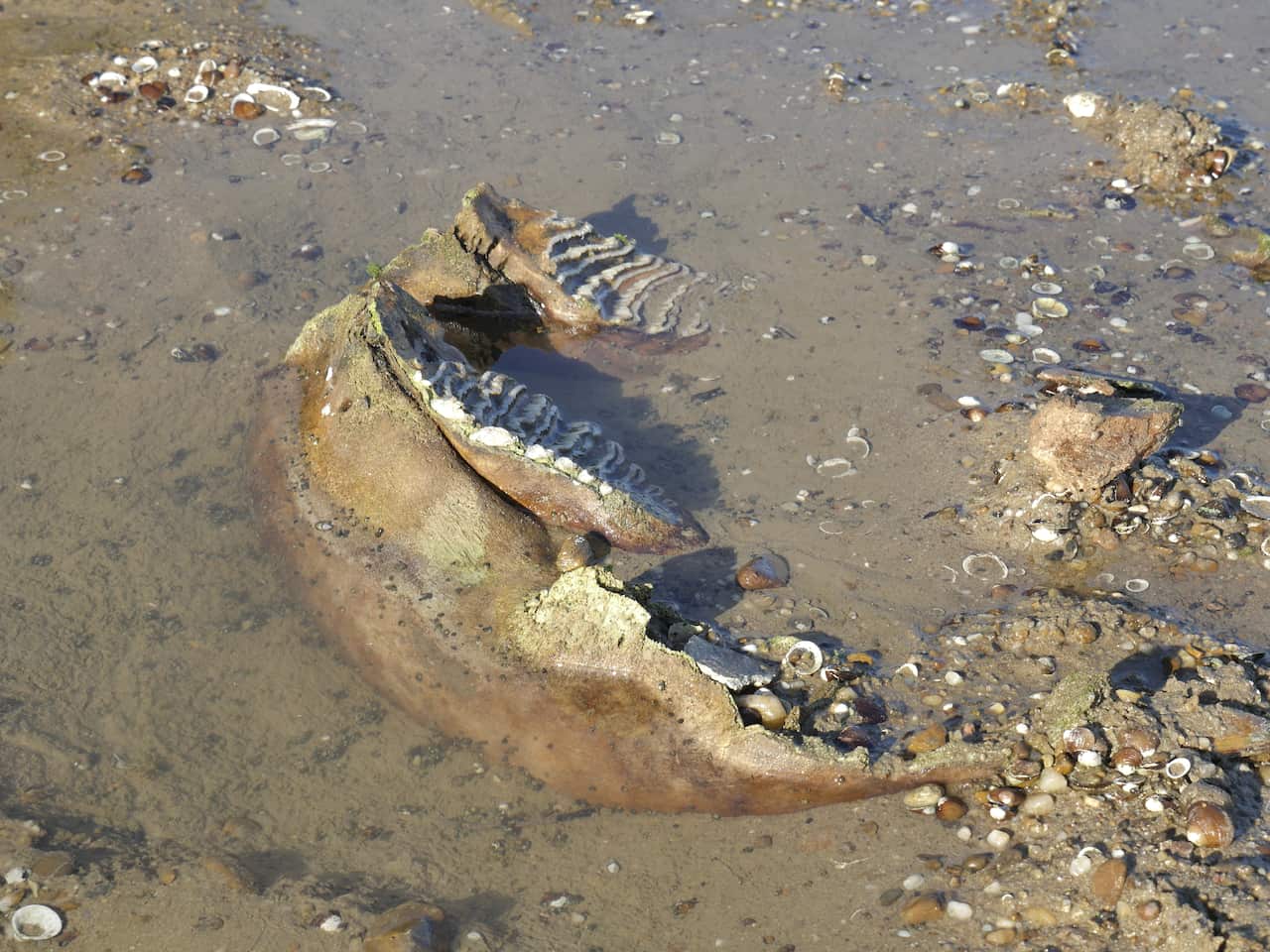
A local resident of the village of Ryahovo found the animal's remains. Villagers then alerted specialists in the regional history museum in the nearby town of Ruse.
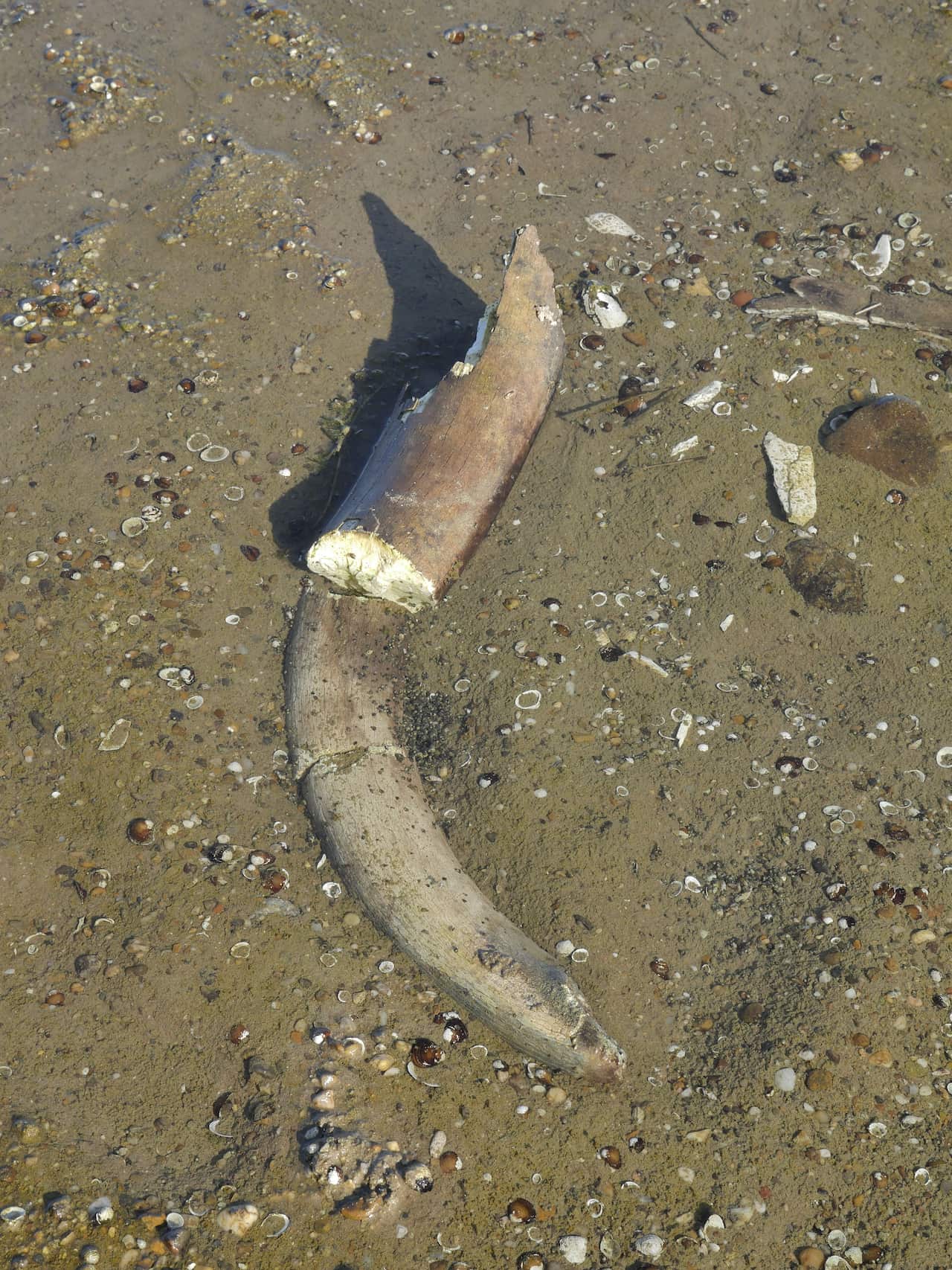
Museum director Nikolay Nenov said experts who were sent to the site recognised a lower jaw, two tusks and possibly a mammoth rib.
"I would not call it a sensation, but any discovery of such ancient remains is very important for science," Nenov said, adding that it has long been believed that the site was a swamp where the animal probably died thousands of years ago.
For the latest from SBS News, download our app and subscribe to our newsletter.







