World News Australia Online speaks to four members of the community who will be directly affected by changes in the budget. See what they have to say.
The middle-income family
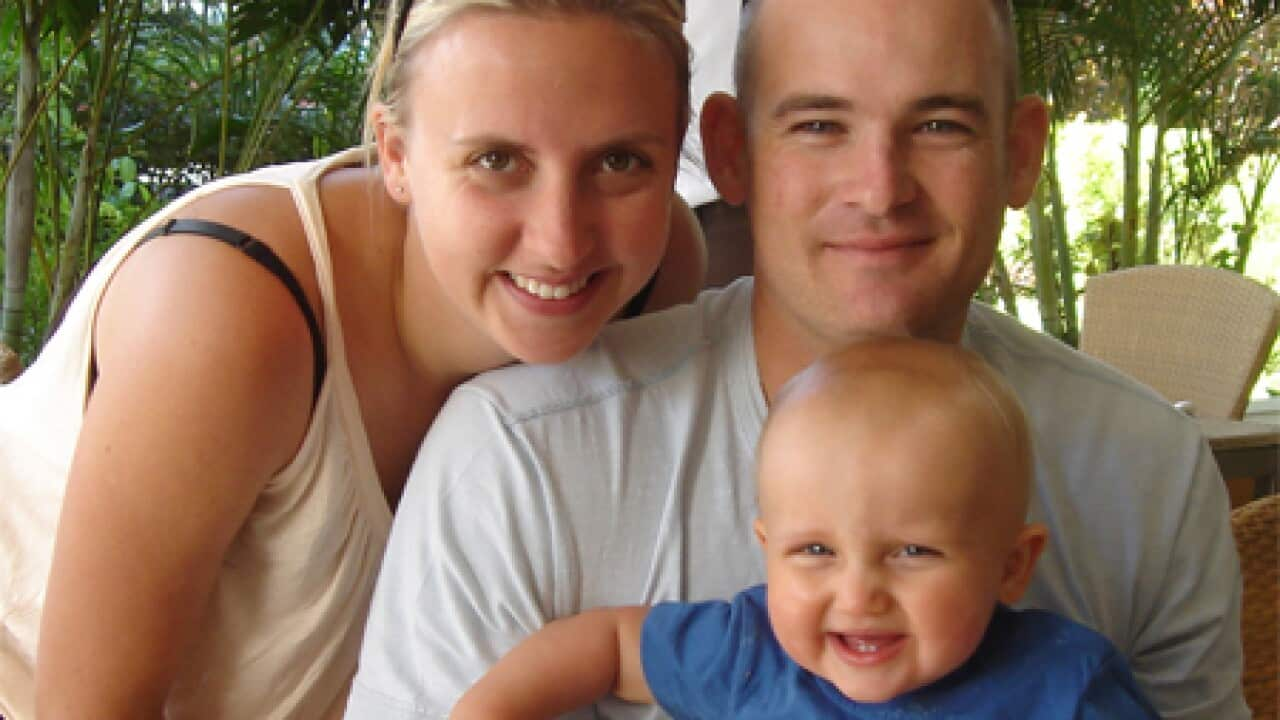
Tom and Robyn* are a young couple who have just bought their first house in Sydney's Northern Beaches. They have an 18-month old son, and Robyn is expecting their second child later this year.
They have a combined income of $95,000 a year.
Tom says economic management is key in the upcoming budget. He wants the government to focus on lower taxes and long-term community projects, rather than quick election promises. Facilitating business and industry growth is also important to him. He is sceptical of the government's stimulus bonus.
News that makes sense
Your trusted source for staying up-to-date with the world around you. Get free daily news updates and analysis, straight to your inbox.
"Really what did giving $900 really do except place Australia 20 billion in debt," he asks.
Tom says the government needs to look at preventative health rather than hospital reform, and would like increased Medicare rebates for working families with young children. He says the current Medicare rebate system is poorly managed and needs addressing.
"There are plenty of families that work hard and get poor support."
Tom thinks the government has done a "terrible job" so far. He says they have been a disappointment to those who elected them.
"They are all talk and have failed in a number or areas they got elected on," he says.
He is disappointed with the government on a number of issues, including the botched home insulation scheme, economic management and ministerial travel expenditure.
The Budget
A new Skills for Sustainable Growth strategy that will invest $661 million on training and education, particularly in skills hot spots like infrastructure and the resources and renewable energy sectors.
The unemployment rate is set to fall with the government predicting the rebounding economy will create more jobs and lift the demand for labour.
Treasury has forecast the unemployment rate which was 5.3 per cent in March will fall to five per cent by the end of this financial year and to 4.75 per cent a year later.
Treasurer Wayne Swan is returning the budget to surplus three years earlier than forecast.
It's a big turnaround from last year's forecasts for budget deficits running out to 2015/16.
The government is spending $273.7 million to boost the quality of childcare, requiring providers to employ more and better qualified staff.
Deputy Prime Minister Julia Gillard and Early Childhood Education Minister Kate Ellis said parents placing their youngsters in child care deserved to know they were receiving the highest quality of care wherever they lived.
Budget Reaction
Tom says he is sceptical about the government's prediction to return to surplus by 2012/13.
"The tax cuts to families and across the board is a positive step," he said.
"I just hope that we are not spending too much on reactionary measures. Obesity for example is an ongoing issue and that should be looked into to find preventative solutions.
Tom believes that the government hasn't attempted to buy votes in an election year with the Budget.
"However, there are things that we won't be able to see the effects for a number of years and beyond 2012," he said.
Tom says that the budget has done a 'reasonably good job' for middle income earners and is pleased with that.
He hopes the economy continues to improve and the employment continues to remain low.







