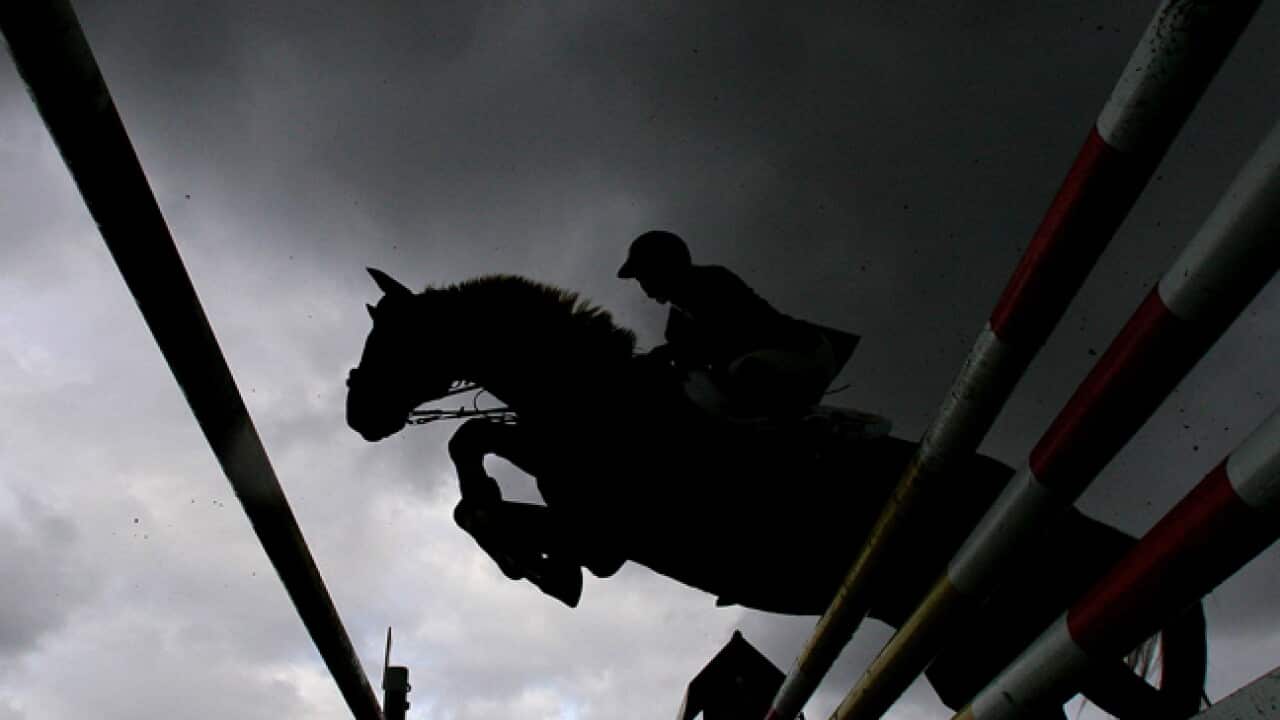
A research team that found whipping race horses doesn't increase their chance of a top three finish has won a prestigious science award.
Professor Paul McGreevy, David Evans, Dr Andrew McLean and Dr Bidda Jones, from the University of Sydney, have taken out the Australian Museum Eureka Prize for scientific research that contributes to animal protection.
"Professor McGreevy's team has been instrumental in bringing an ethical dimension to horse training and racing at an international level," said director of the Australian Museum Frank Howarth.
The team found race horses actually run faster when they are not being whipped.
"The team has shown through scientific research that much of the harm currently inflicted on horses in sport bears no real benefits anyway," Mr Howarth said.
News that makes sense
Your trusted source for staying up-to-date with the world around you. Get free daily news updates and analysis, straight to your inbox.
Under the rules set by the Australian Racing Board, only a horse in contention to win a race can be whipped. Yet 98 per cent of horses were whipped, according to the research team's most recent study.
Analysing data on whip strikes in the last 600 metres of races, it found that horses achieved highest speeds when there was no whip used.
Most whip use occurred in the final 400 metres when horses were fatigued.
The team was awarded $10,000 in prize money at a star-studded ceremony on Tuesday night in Sydney.







