Health monitors ssay they were keeping a close eye on the plume of ash and gas from Iceland's erupting volcano but saw no major risk to health at present.
The cloud includes irritant gases and fine silica dust, which if inhaled can reach deep within the lung, posing a danger to those with respiratory problems, said World Health Organisation (WHO) spokesman Daniel Epstein in Geneva.
"We're very concerned about it. We're studying the situation closely," he said.
However, the plume was circulating at high altitude, he said.
"The cloud is suspended high in the atmosphere. When they (the particles) begin to settle to earth that would be an increase in our health concerns," he said.
News that makes sense
Your trusted source for staying up-to-date with the world around you. Get free daily news updates and analysis, straight to your inbox.
"In that case, especially for people with respiratory problems and asthma, we would recommend to stay indoors as much as possible, as in any other pollution-related event."
Professor Didier Houssin, deputy head of the French health ministry, said the authorities were watching the plume and assessing weather patterns.
Winds and rain would determine which way the plume would be blown and whether particles fall to earth and if so, in what concentrations.
"For the time being, we don't see any consequences for health... and have no particular recommendations to make for the public," Houssin said.
Britain's Health Protection Agency (HPA) on Thursday said the concentration of particles that could reach ground level "is likely to be low and should not cause serious harm".
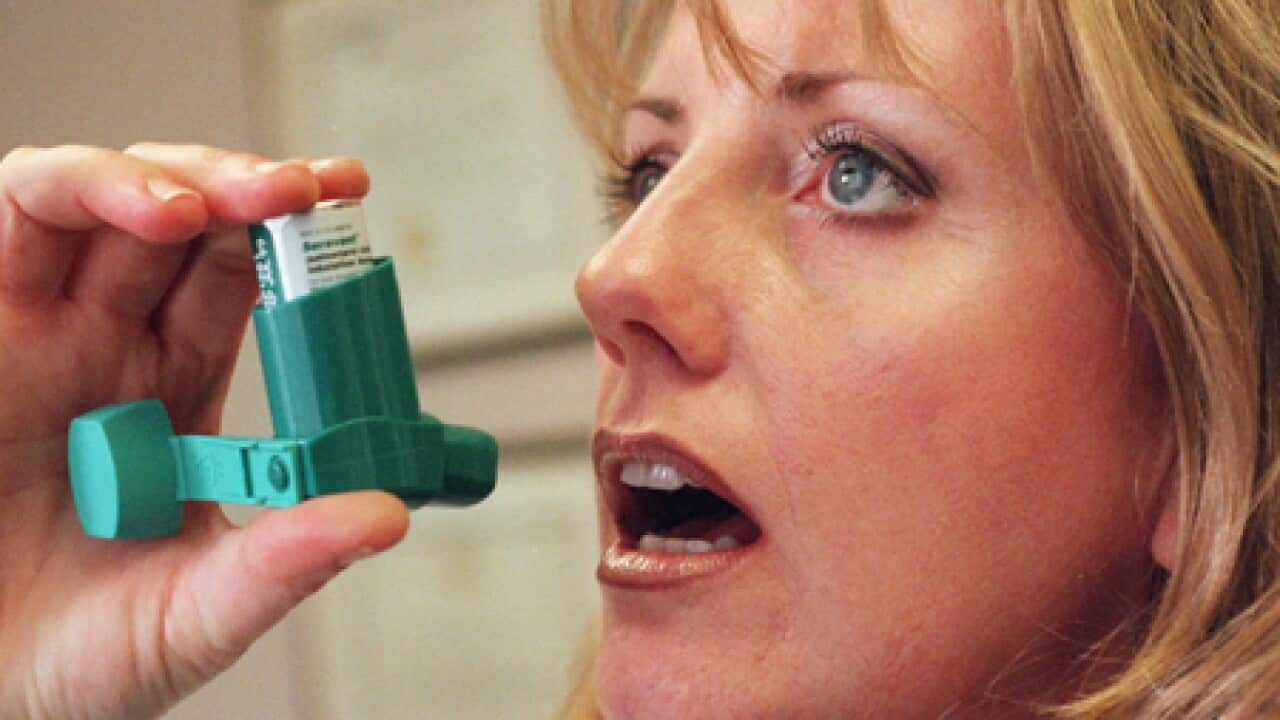
"Those with existing respiratory conditions such as chronic bronchitis, emphysema and asthma may notice... effects more than others and should ensure they have any inhalers or other medications with them," it said in a press release.
"Any such health effects are likely to be short term."
Colin Macpherson, a specialist in Earth sciences at Durham University, northeastern England, said the plume was being spread at an average height of some 7,000 metres (20,000 feet).
"It's having no health impact on us down at this level," he said.
"The good thing is that it is being blown about by fairly strong winds at the moment. It's rather like strong waves acting on an oil slick, dispersing the plume."







