
This audio is voiced by AI and may occasionally mispronounce words.
Share your feedback and help us improve this feature. Read more about how we use AI at SBS here.
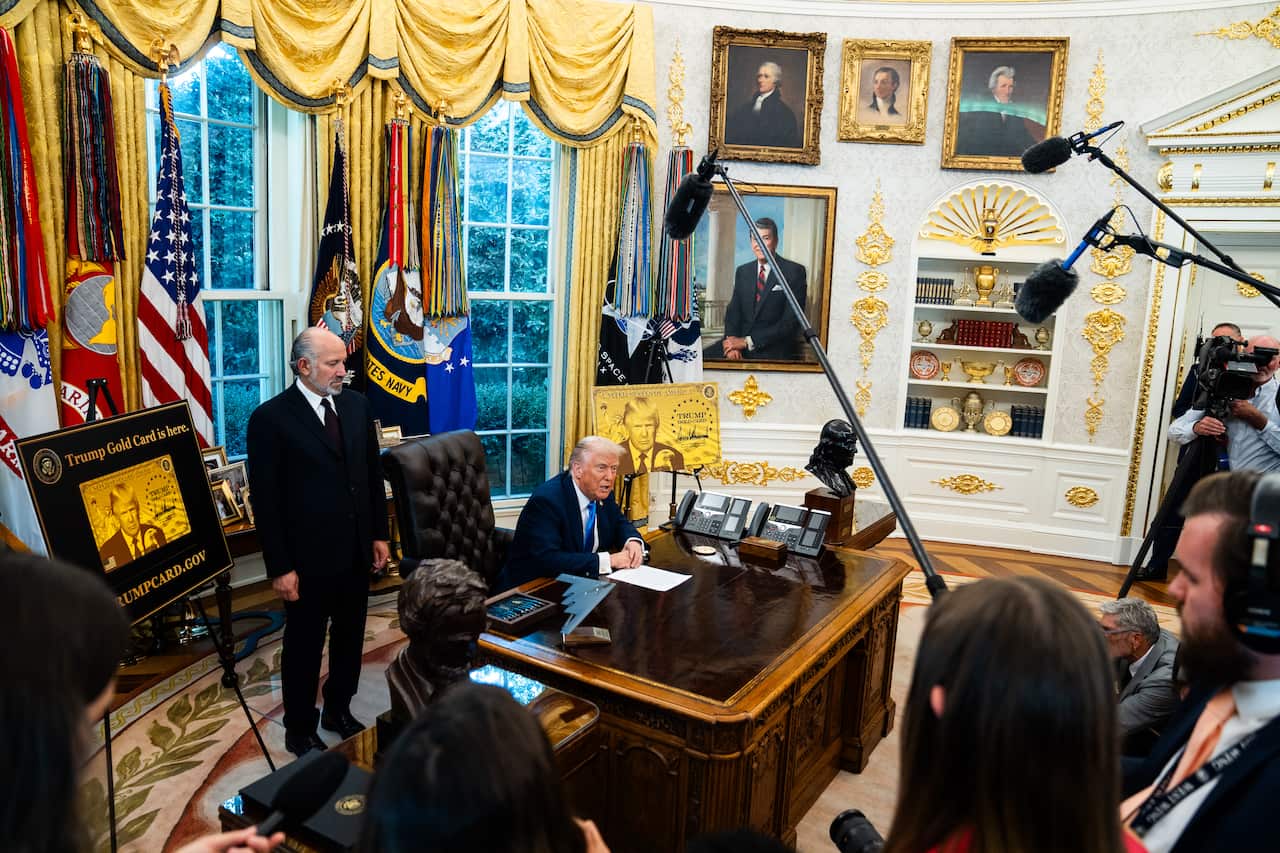
Donald Trump loves gold so much he has made it a symbol of his presidency.
Gold signage stands outside the Oval Office, gilded ornaments sit on its fireplace, and walls and ceilings now feature gold embellishments.
But while Trump may see gold as a visual shorthand for wealth and success, recent moves by France and the Netherlands to shift their gold reserves out of the United States may signal the exact opposite.
This month, the Netherlands announced it had transferred 86 tonnes of gold — equivalent to almost 7,000 bars — from vaults in the US and Canada to the Bank of England in London.
Although the transfer of around 59 tonnes of this was achieved by trading gold in New York for gold in London, more than 27 tonnes were physically moved.
News that makes sense
Your trusted source for staying up-to-date with the world around you. Get free daily news updates and analysis, straight to your inbox.
The De Nederlandsche Bank said it was motivated by "increasing geopolitical unrest".
"Keeping a larger share of the gold reserves in London strengthens the function of gold as an anchor of trust," the bank said in a statement on 2 September.
The move follows France's announcement earlier this year that it had also shifted 129 tonnes of its gold from New York.
Some countries have been buying more gold in recent years, driving up the volume held by central banks. Between 2018 and 2025, reserves increased by 8.5 per cent.
During the same period, the price of gold has skyrocketed, increasing the market value of these reserves by 268 per cent, according to the International Monetary Fund.
Some experts say the moves could reflect concerns about the stability of institutions the world has relied on for decades.
Why do countries buy gold?
A country generally holds gold as part of its reserve assets, which act as a financial safety net. Reserves can help maintain the value of currency, protect against financial crises, and ensure countries can pay for imports and meet international debt repayments.
Australia's central bank, the Reserve Bank of Australia (RBA), holds 80 tonnes of gold as part of its reserve assets, alongside government bonds from other countries.
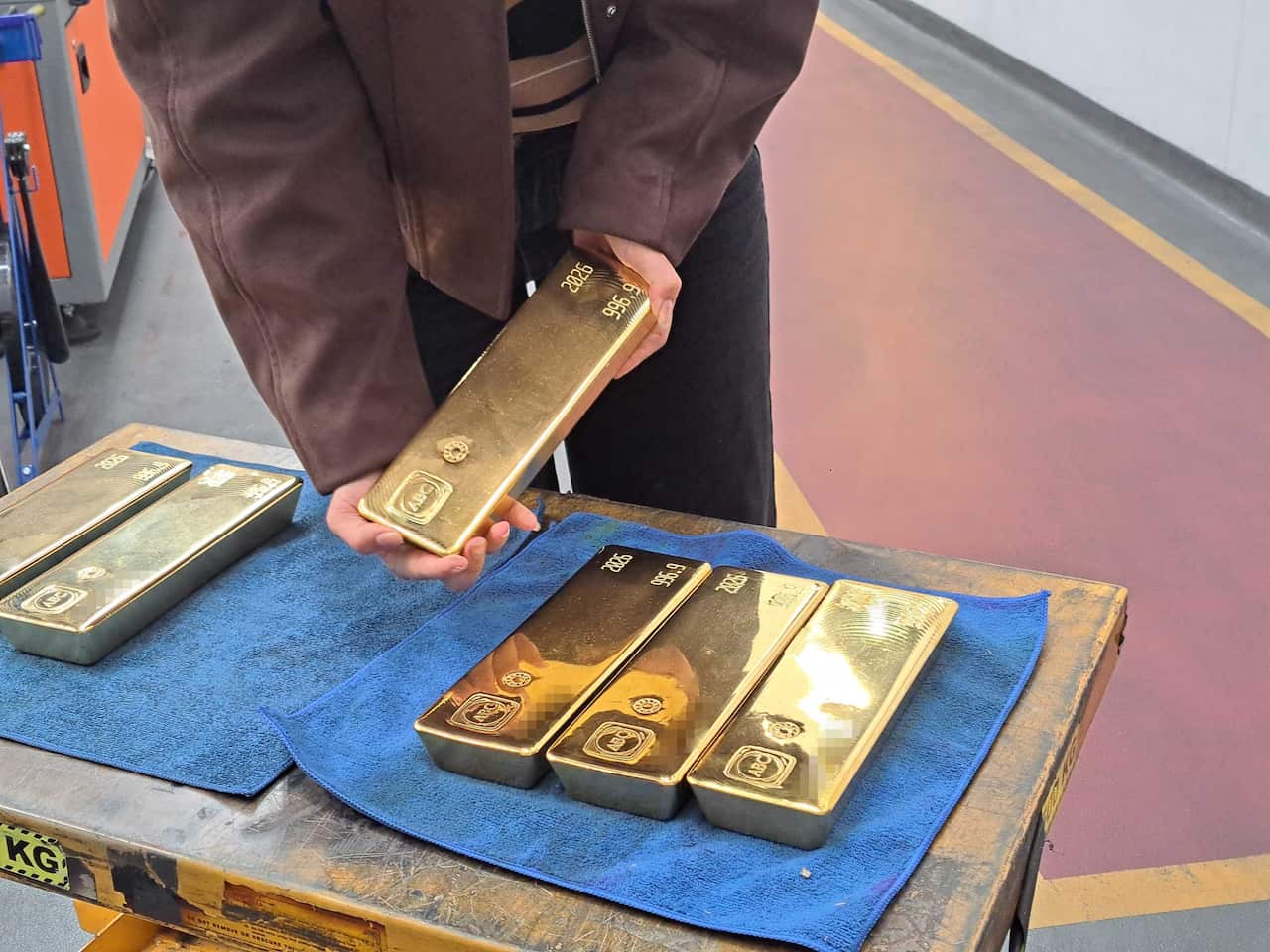
While Australia's gold reserves have largely remained unchanged since 1997, there's been a shift among other central banks such as China, India, Poland and Türkiye, which have started to favour buying gold over US government bonds.
Poland has significantly increased its gold reserves over the last 20 years, building it up from just 14 tonnes in 1996 to more than 630 tonnes by mid-2026.
Scott French, a senior lecturer at the University of NSW's school of economics, says gold is a commodity with intrinsic value that tends to increase over time.
No-one's ever going to default on gold.
This makes it a safe asset that generally doesn't lose its value even when interest rates are high, unlike government bonds.
The disadvantage of gold, however, is that it doesn't provide any income.
"Gold just sits there and doesn't produce anything; it doesn't pay interest."
Gold v bonds
One reason US government bonds are popular among investors, beyond their status as safe assets, is that they generate regular interest income.
Bonds are issued by governments to borrow money. If you buy a bond, the country pays you a fixed interest rate (known as a coupon) and will also repay the original amount you lent (the principal) when the bond matures.
The US Treasury market is the largest government bond market in the world, and US government bonds (known as Treasuries) are considered one of the safest financial assets.
This is because the US government has a long history of meeting its debt obligations, and it can also raise money by increasing taxes if it needs to generate additional income — something that is not available to companies.
But if inflation and interest rates rise — as they are currently in the US — the income received in interest from the bond will be less valuable, which also makes the bond more difficult to sell.
John Hawkins, a senior lecturer at the University of Canberra, says investors tend to buy gold when they are worried about rising interest rates and government debt, which can leave countries struggling to pay back bonds.
"[Gold] is one of the few alternatives to a government bond," the former RBA economist says.
Maintaining a stockpile of gold bullion within a country's own borders also makes these physical assets harder to seize and more secure than intangible financial assets.
Hawkins says global examples of assets being frozen may have highlighted the risks of storing physical assets overseas. He points to the seizure of Russia's foreign-held assets, including money held in bank accounts, following its full-scale invasion of Ukraine.
Why are countries moving gold out of the US?
Securing greater control over assets may have been a factor in France's decision to sell the 129 tonnes of gold it had stored in New York last financial year. The country bought back the same amount of gold based in Europe and has stored this with the rest of its reserve in a vast underground vault known as the 'Souterraine' in Paris.
This gives it direct control over 2,437 tonnes of gold, the fourth-largest gold reserve in the world after the US, Germany and Italy (excluding the International Monetary Fund).
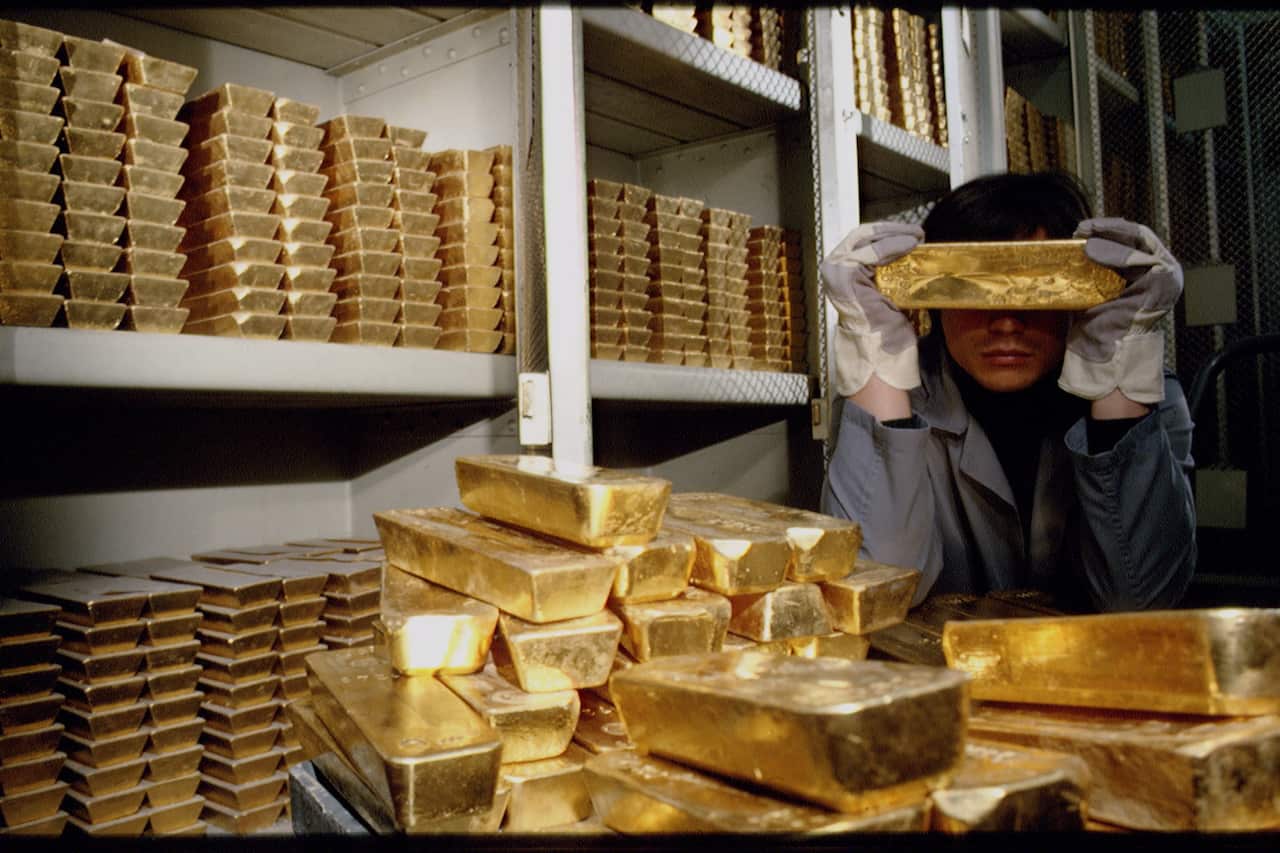
Unlike France, the Netherlands opted to move some of its US-held gold to London rather than store it domestically. Around 37 per cent of the country's reserves also remain in the US and Canada.
London is an attractive place to store gold as it's a hub where buyers and sellers can trade large volumes of the metal. It also hosts major gold storage vaults, including those linked to the Bank of England.
The London bullion market is regarded as the world's largest gold trading centre and sets the LBMA Gold Price benchmark.
"If you have gold in London, you can mobilise it more quickly, more effectively, more easily," Nicholas Frappell, the global head of institutional markets at Australia's ABC Refinery, says.
The vast majority of Australia's 80-tonne gold reserve is stored at the Bank of England.
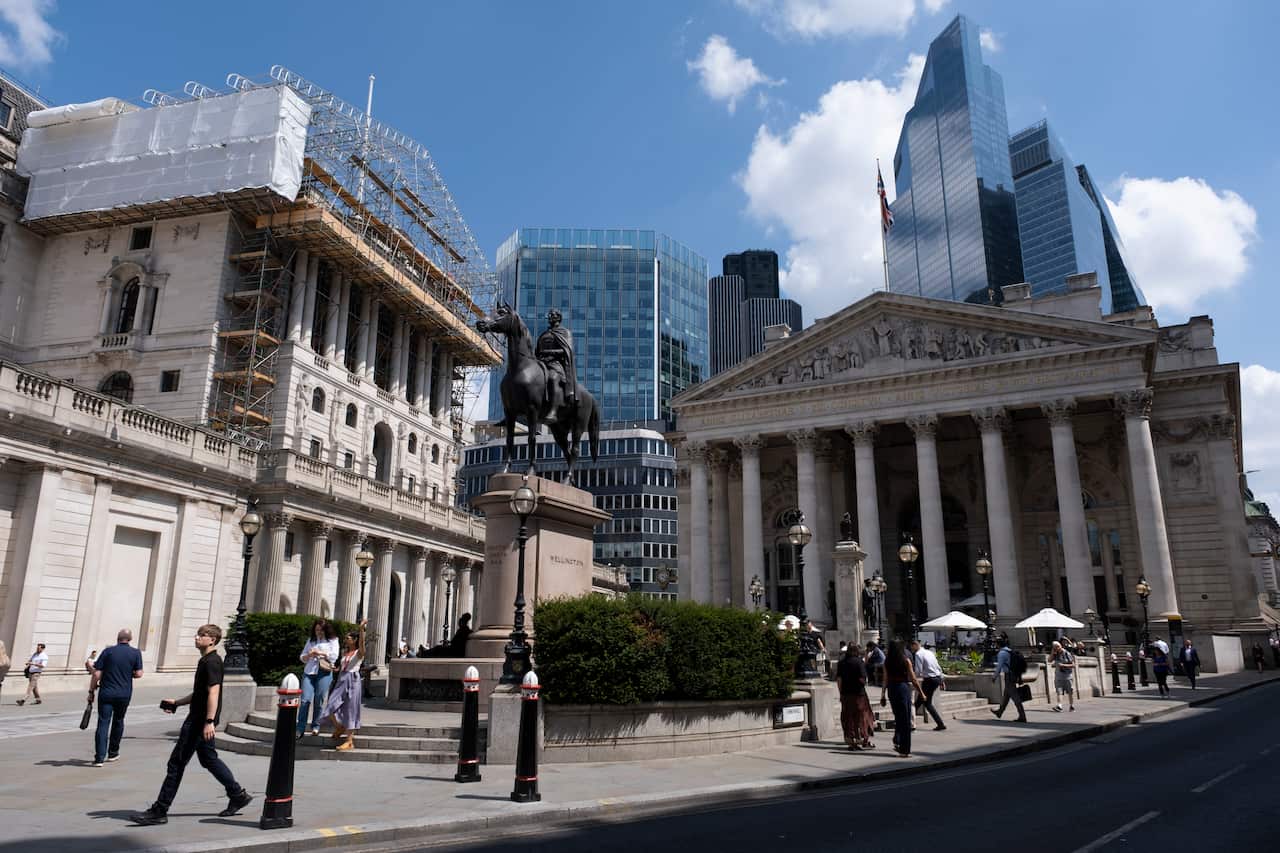
An RBA spokesperson says storing its gold there gives the RBA ready access to the gold market, as most market participants prefer to take delivery in London.
"The Bank of England provides a very secure and cost-effective storage location for central banks and other market participants," they said.
While these factors may have played a part in the decisions by France and the Netherlands to move gold out of the US, Hawkins says concerns around the erratic leadership of US President Trump may have also been a motivating factor.
[Trump's] threatened all sorts of measures against European countries if they don't do what he likes.
"So they're worried that some sort of temper tantrum … might lead to him somehow seizing the gold that's held in New York that's owned by those countries."
Questions over US stability
Hawkins says countries moving gold out of the US could be interpreted as "a decrease in confidence" in the US.
"I think the impact over the last few years is basically down to people not having confidence in the stability of the US and that's basically down to Trump."
Along with gold, central banks also hold foreign currencies in their reserve assets. Data shows foreign reserves of the US dollar appear to be declining.
In 2000, the US dollar made up 71 per cent of global foreign exchange reserves held by central banks, according to Currency Composition of Official Foreign Exchange Reserves data.
While the US remains the world's dominant reserve currency, it now only makes up around 57 per cent of reserves.
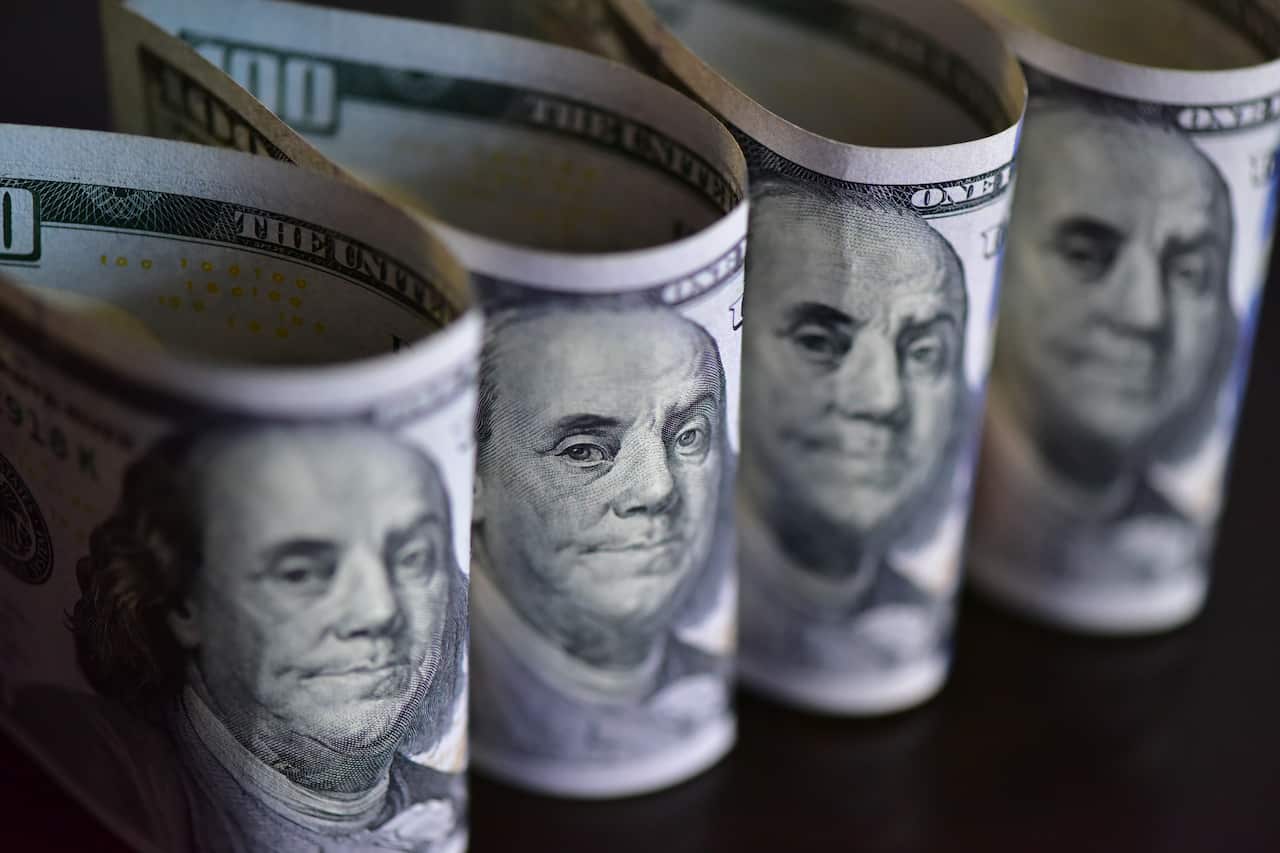
French says confidence in financial systems is very important, as most countries now have 'fiat currencies' — a term that describes government-issued currencies not backed by gold or any other physical commodity.
It relies on the belief in stability of the government that's backing that currency, and trust in the rest of society to continue to accept that currency.
The US dollar used to be backed by gold under the Bretton Woods system, with other countries linking their currencies to the dollar. This helped establish the global trading system and gave the US dollar prominence, which endures today despite it no longer being backed by gold.
One of the reasons why the Chinese renminbi is unlikely to become a dominant reserve currency, despite China's economic strength, is due to perceived uncertainty. It currently makes up just 2 per cent of foreign currency reserves held by central banks.
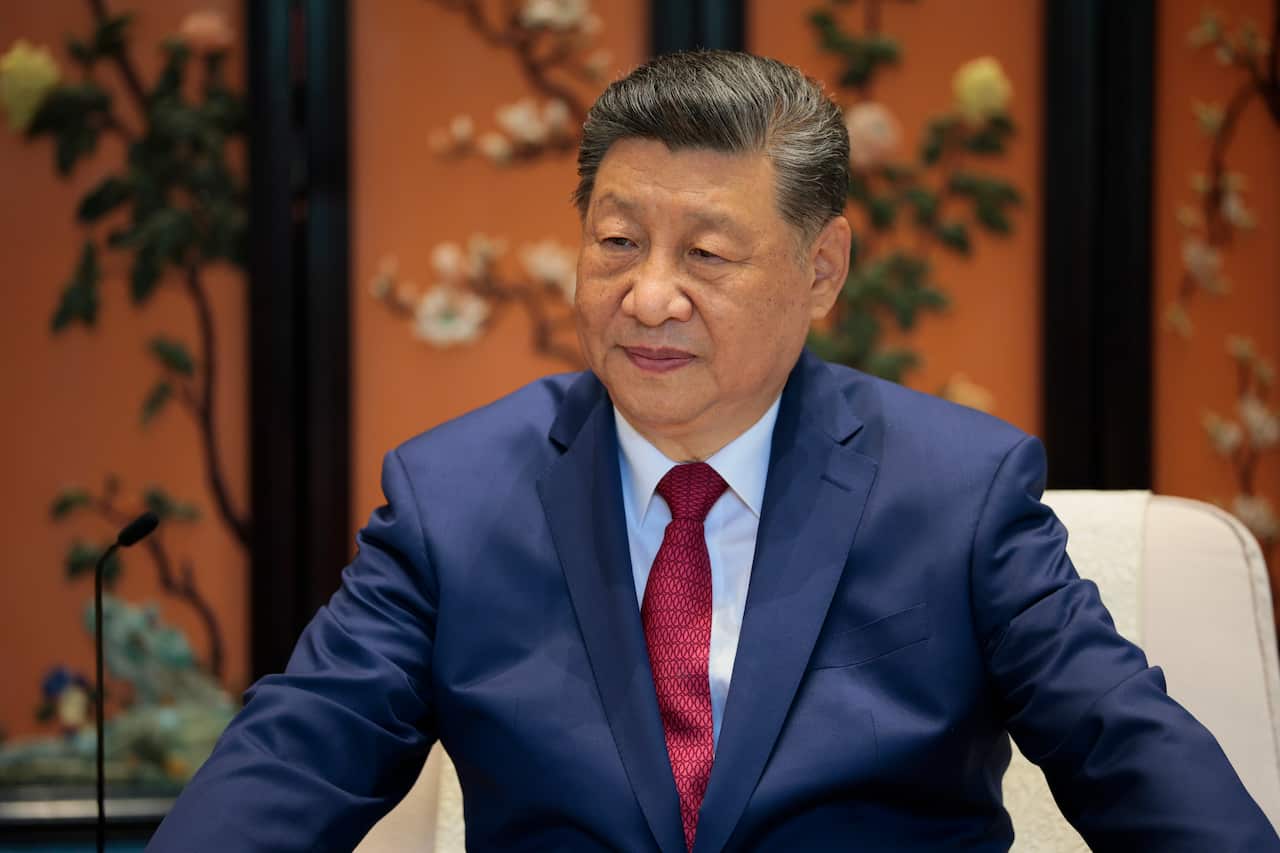
While there is confidence in the Chinese government's ability to pay its bonds, French says the country's institutions are seen as beholden to the Chinese Communist Party and President Xi Jinping.
"You're putting a lot of faith in one person to act responsibly and you never know what that one person is going to do, so that makes it a riskier long-term investment," French says.
What happens after Trump?
For now, the US dollar remains the proverbial 'gold standard', despite lingering concerns over Trump's volatility.
The president's comments aimed at exerting control over institutions, including repeatedly attacking the Federal Reserve for not cutting interest rates, have undermined faith in the independence of US decision-making, French says.
He has also put the US on a "very precarious fiscal path" by cutting taxes last year without significantly cutting US spending, at a time when the country has a $60 trillion budget deficit, which has raised questions about its ability to repay bonds.
But French says the US Federal Reserve's decision to raise interest rates this week despite criticism from Trump is a positive sign of its credibility.
Ironically, one of the best things for the Trump administration … is for the central bank to do what [the president] doesn't want them to do.
French doesn't think Trump has done enough damage yet for the US dollar to be dumped as the global reserve currency.
"We're almost halfway into the second Trump administration … I wouldn't expect to see anything catastrophic over the next couple of years," he says.
"So really the question is, what happens after Donald Trump?"
French says if the next administration behaves responsibly, there's no reason the US dollar won't remain the dominant global currency for the next couple of decades.
"If further administrations continue on the same path, then we could be in trouble for multiple reasons."
For the latest from SBS News, download our app and subscribe to our newsletter.







