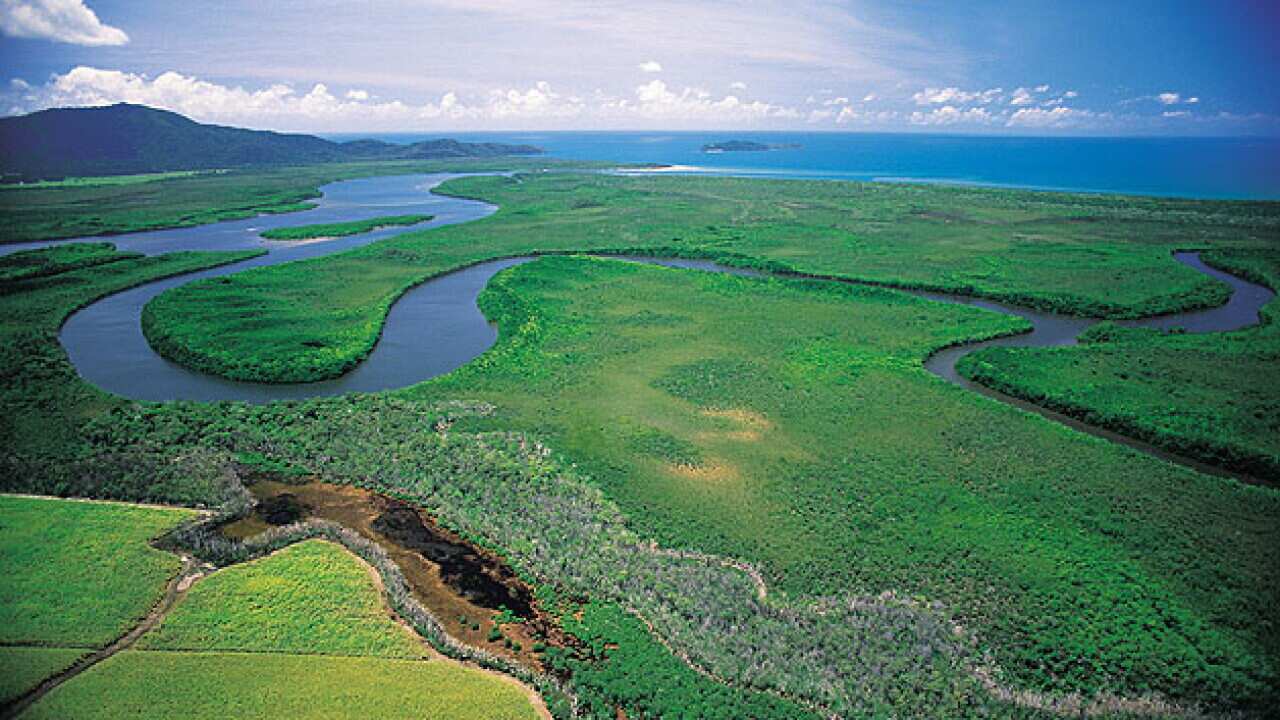
Carlos Jaramillo of the Smithsonian Tropical Research Institute in Balboa, Panama, and colleagues excavated pollen and other plant remains from three sites in Colombia and Venezuela.
Their samples span the Palaeocene-Eocene Thermal Maximum (PETM), when soaring levels of greenhouse gases caused global temperatures to rise by 5 °C in about 10,000 years.
The tropical forests then faced average temperatures up to 34 °C, compared with 27 °C today, yet contrary to expectations the pollens suggest plant diversity increased.
News that makes sense
Your trusted source for staying up-to-date with the world around you. Get free daily news updates and analysis, straight to your inbox.
Each sample of 150 grains of pollen from the PETM contained an average of 36 species, compared with just 24 species in samples from older, cooler times. And the rate at which new species formed was significantly higher in the PETM than before it.
The trends are puzzling because models predict that the Amazon will burn and be reduced to savannah with future climate change.
Hot and wet
The difference between what happened then and what is forecast to happen in future may be down to rainfall. Jaramillo found evidence that there was no less precipitation during the PETM than before – for instance, he found pollen from species that prefer wet environments. In contrast, the combination of climate change and deforestation is expected to dry out the Amazon in future.
Deforestation may be a key factor for modern forests, says Jaramillo, as cleared land dries out quickly. "If we didn't have humans deforesting the tropics, they would probably cope quite well with climate change," he says.
Matthew Huber of Purdue University in West Lafayette, Indiana, points out that Jaramillo's results may not apply to the entire tropics: the sample sites were in the north of South America.
"The models suggest that further south, like in the centre of Brazil, would be where it got really hot," he says. "I'm not too surprised that they find life was diverse at their sites, but others might well be barren."
Nevertheless, he says the work is a "big accomplishment", especially given the conditions under which Jaramillo had to work – under threat from local drug trafficking, his team had to be protected at times by the Colombian armed forces. "We have a window into a world we've never seen before," says Huber.







