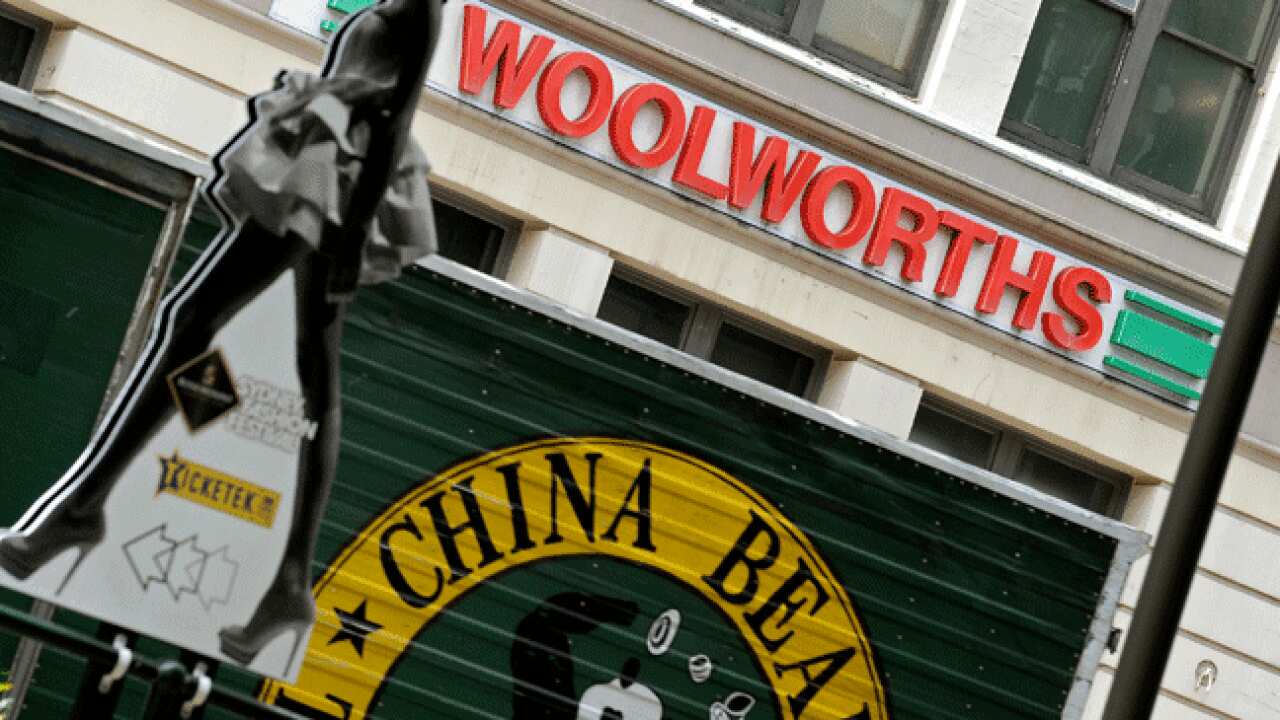
Woolworths Ltd chief executive Michael Luscombe says the supermarket owner will see its costs rise from the first upward movements in global wheat and sugar prices.
But whether that means retail price rises for Australian consumers will depend on the full inflationary effect, which is unknown as yet.
"It goes to the heart of our earnings guidance - that very question," he told analysts and reporters after downgrading Woolworths' half and full year earnings guidance on Monday.
News that makes sense
Your trusted source for staying up-to-date with the world around you. Get free daily news updates and analysis, straight to your inbox.
The high Australian dollar and discounting is expected to shave three percentage points off the after-tax profit for the owner of supermarkets, hotels, and the Big W and Dick Smith store chains.
Woolworths now expects between five and eight per cent annual profit growth this year.
But analysts' expectations of substantial profit growth courtesy of a jump in food prices may be dashed with the grocer yet to see the full impact of higher soft commodity prices.
Wheat and sugar price rises were starting to have an impact on Woolworths' cost base now, said Greg Foran, director of the supermarkets, liquor and petrol division.
"Whether we would be able to move on (retail) price would be dependent upon the competitive offering," he said.
An AAP survey of 12 economists showed the market is expecting the December quarter consumer price index (CPI) - due out on Tuesday - to have risen 0.7 per cent.
This is in large part due to higher fruit, vegetable and petrol prices, especially after floods in Australia's eastern states.
Woolworths would import food products to replace flood-damaged food volume to keep prices down only "as a genuine, absolute last resort", Mr Luscombe said.
"We will be speaking with our farmers ... and amending our specifications to ... enable product that has been flood-affected, but is still edible and has the appropriate food value in it, to be sold," he said.
Economists' expectations the floods will prompt an escalation in food prices at the checkout were dismissed by CommSec chief economist Craig James.
Imported food prices were falling "quite substantially", he said, and over the past nine months Australia had experienced the biggest fall on record for imported food and vegetable prices.
Any spike in fresh fruit prices would be over the short term, with the key autumn and winter growing periods in Queensland likely to deliver better prices, he said.
"The message is `shop around'. The stock is there. They can source it from other places," Mr james said.
"There is a risk in this sort of environment that there will be people willing perhaps to expand their margins somewhat and get some higher profitability."







