IN BRIEF
- Research shows children learn to understand and manage difficult emotions through interactions with trusted adults.
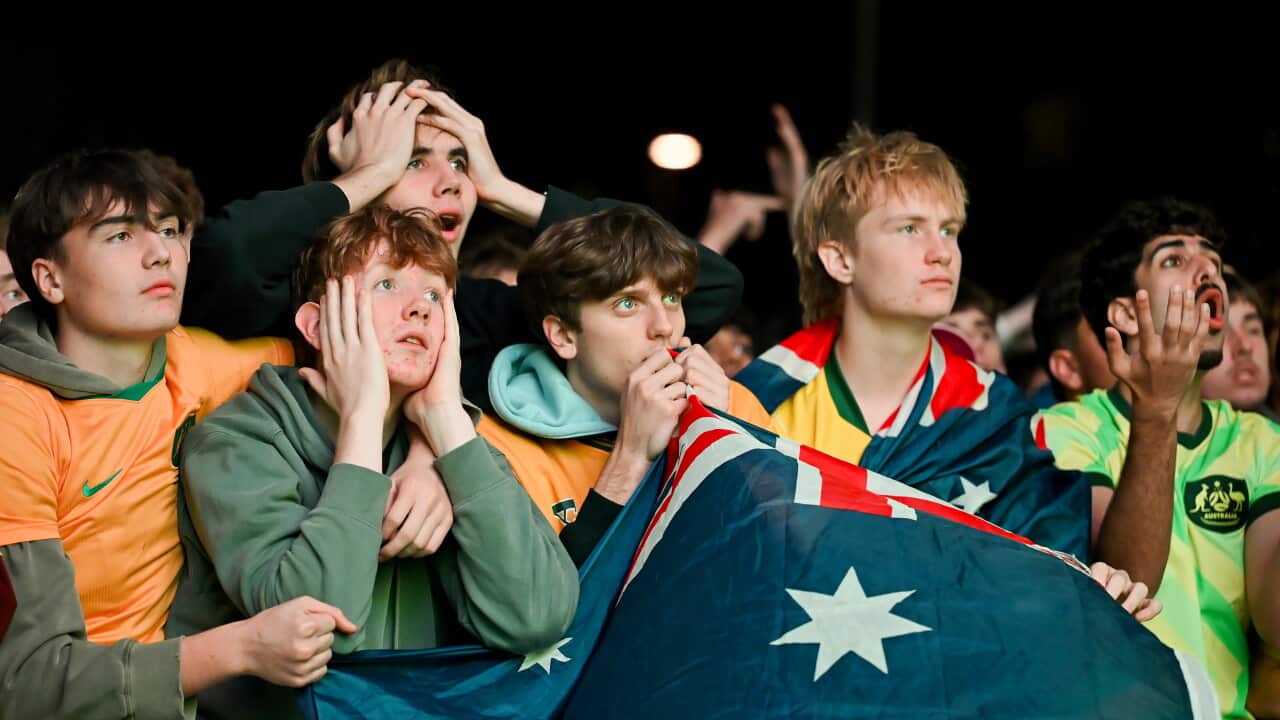
- The Socceroos' exit from the World Cup could be an opportune moment to cultivate some positive mental strategies.
The World Cup has captured the imagination of many Australian kids.
Over the last three weeks, they have watched the Socceroos with family and friends, talked about the games at school, worn green and gold, and held high hopes for Australian victory.
Now the Socceroos' campaign has ended, some children will be very disappointed. It's not just about the score, but also the end of the excitement, shared family rituals, conversations with friends, and hope Australia might do something special.
Some children may also feel sad seeing their favourite players disappointed and upset.
These reactions are normal and OK. They show just how much kids cared about the tournament.
News that makes sense
Your trusted source for staying up-to-date with the world around you. Get free daily news updates and analysis, straight to your inbox.
No parent likes seeing their child upset. But moments like these can also be opportunities to help children strengthen their emotional regulation skills.
Acknowledge their feelings
Research in developmental psychology shows children learn to understand and manage difficult emotions through supportive interactions with trusted adults.
This ability is known as emotional regulation.
When children are upset, our first instinct is often to make them feel better. Comments such as, "It's only soccer," or, "Don't worry about it," are usually well-intentioned, but can dismiss how a child is feeling.
One evidence-based approach is called emotion coaching. Rather than trying to make the emotion disappear, the goal is to help children recognise, understand and gradually learn to manage it.
Start by acknowledging how they feel. You might say, "I know you were really hoping Australia would win. I'm disappointed too." or, "It's OK to feel upset. You were really excited about the tournament."
Once children feel heard, help them make sense of what they're feeling. You might ask, "What do you think has made you the most upset?"
It might be that Australia lost, or it could be that there are no more matches to look forward to.
Put the disappointment into perspective
Once children have had a chance to talk about how they feel, it can help to reflect on the whole tournament.
You might ask about their favourite moment, which goal they'll remember most, or which player they enjoyed watching the most.
These conversations remind children that, while the result was disappointing, it doesn't erase all the excitement and enjoyment that came before it.
Parents can also help children look beyond the result. You might say, "It wasn't the ending we were hoping for, but wasn't it exciting watching the Socceroos get this far?" or, "We'll always remember that amazing goal," or, "I loved watching the games with you."
The goal isn't to make the disappointment disappear. It's to help children recognise the disappointment is only one part of a much bigger experience.
Understanding the broader picture can support healthy emotional regulation.
Remember children are watching you
How parents and adults respond to disappointment can shape how children learn to respond when things don't go the way they want.
It's perfectly OK to let your child know you're disappointed. It can be reassuring for them to see adults have difficult emotions too. The important thing is to show the disappointment can be handled in a healthy way.
- All the FIFA World Cup 2026 coverage on our World Cup page
- How to watch the FIFA World Cup 2026 on SBS
- Watch all 104 matches of the FIFA World Cup 2026 at our On Demand hub
For example, instead of becoming angry, blaming the referee, or criticising players, you might say, "This is so sad, but I'm really proud of how the Socceroos played."
When children see adults acknowledge difficult emotions while responding calmly and constructively, they learn disappointment is a normal part of life, and that it can be managed.
Helping children grow through disappointment
Disappointment is an unavoidable part of growing up.
Children will receive lower marks than they hoped for, not make a team they wanted to play in or miss something fun due to illness.
The role of parents isn't to prevent these experiences. It's to help children learn difficult emotions are a normal part of life, and that they can be understood, managed and eventually pass.
So with the support of caring adults, even a disappointing World Cup result can become an opportunity for children to build emotional skills that will serve them throughout their lives.
Shane Rogers is a senior lecturer in Psychology at Edith Cowan University
You can watch all 104 matches of the FIFA World Cup 2026™ live, free and exclusive on SBS, SBS VICELAND and SBS On Demand.
For the latest from SBS News, download our app and subscribe to our newsletter.








