
All countries should make containing the outbreak of COVID-19 their top priority, the World Health Organisation (WHO) says, pointing to Iran's "national action plan" to combat one of the world's worst outbreaks after a slow start.
The UN agency stressed on Friday that slowing down the epidemic allowed hospitals to prepare and saves lives while warning that there was no evidence that the spread would wane during the approaching summer months in the northern hemisphere.
"We are now on the verge of reaching 100,000 confirmed cases," WHO Director-General Tedros Adhanom Ghebreyesus told a daily news briefing.
"(The epidemic) is geographically expanding and deeply concerning.
News that makes sense
Your trusted source for staying up-to-date with the world around you. Get free daily news updates and analysis, straight to your inbox.
"We are continuing to recommend that all countries make containment their highest priority.
"In a globalised world, the only option is to stand together."
In fact, the tally of cases has already surpassed 100,000 - as the WHO's figures have generally slightly lagged behind tallies compiled by news organisations including Reuters.
As of Friday, more than 100,300 people had been infected globally, according to a Reuters tally based on statements from health ministries and government officials.
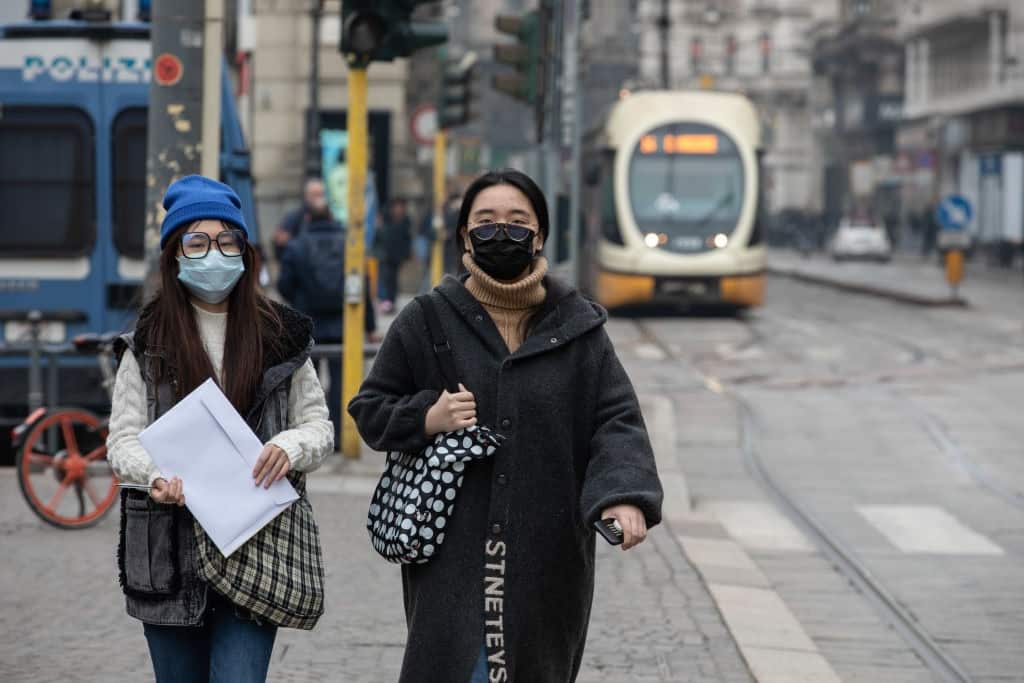
Iran's death toll from coronavirus infections jumped on Friday to 124, as 17 died and more than 1000 new cases were diagnosed over 24 hours, the health ministry said.
Dr Mike Ryan, executive director of WHO's emergencies programme, said when asked about Iran's mushrooming outbreak that it resembled China and South Korea which quickly uncovered more cases as they began to do active disease surveillance.
"But I also think the Iranian system is switching on. We are seeing a much more all-of-government approach...with a national action plan now, with 100,000 workers committed to this plan," Dr Ryan said.
"It is much better that we understand the extent of the problem. So we commend the move towards more aggressive, targeted surveillance and we hope that will lead to the kind of control measures that will help push this virus back."
When he was asked whether the virus may not spread as easily in Europe's warm summer months, Dr Ryan said: "We do not know yet what the activity or the behaviour of this virus will be in different climatic conditions. We have to assume that the virus will continue to have the capacity to spread."
He added: "It is a false hope to say 'yes, it will just disappear in summer-time,' like influenza virus...There is no evidence right now to suggest that that will happen."







