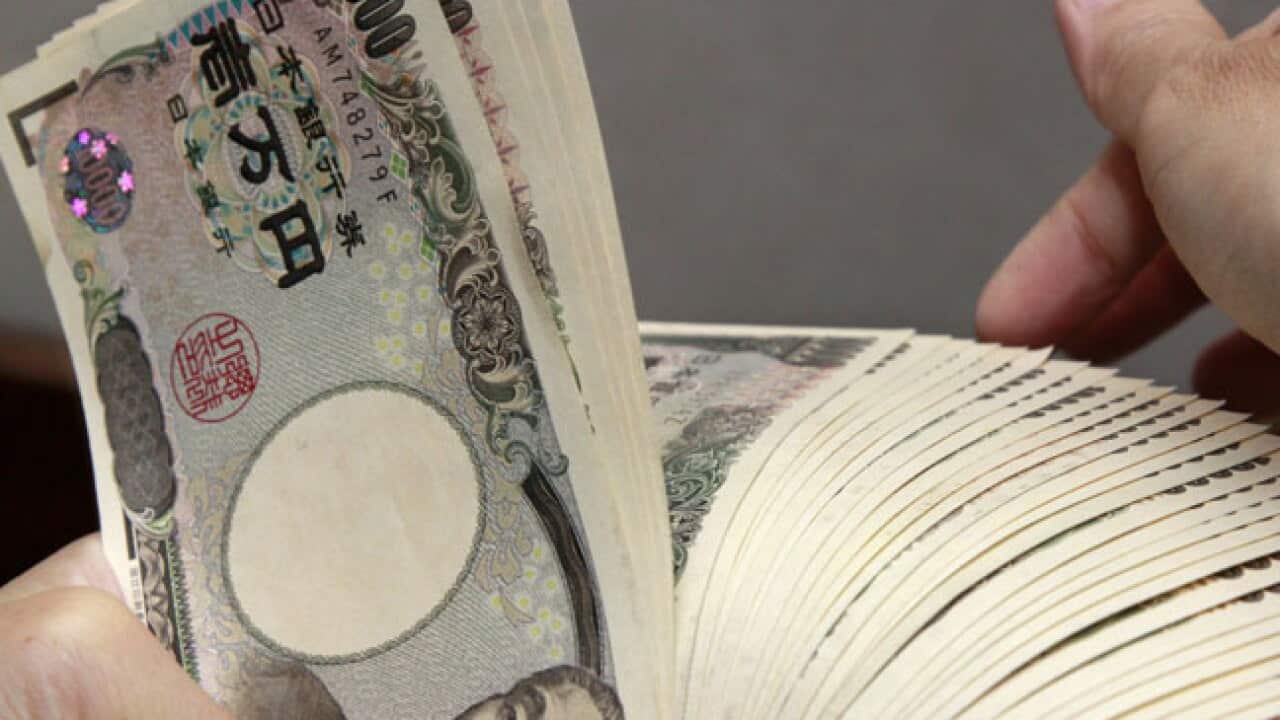
The yen briefly touched a four-month high against the dollar in early Asian trade on Monday with currency markets responding to Japan's devastating earthquake and tsunami.
As of 8:40 am on March 14th 2011 (2340 GMT), the dollar changed hands at 81.25 yen against 81.91 in New York. The euro traded at 113.53 yen, compared with 113.89 in New York.
At one point, the yen briefly surged to 80.60 against the dollar, the highest since November 9 2010.
News that makes sense
Your trusted source for staying up-to-date with the world around you. Get free daily news updates and analysis, straight to your inbox.
Market participants are now watching for any rise to 80.00 yen versus the dollar, dealers said, which could trigger a Japanese yen-buying intervention to prevent the 1995 post-war high of 79.75 yen to the dollar.
"Markets will be very wary of taking the USD/JPY below those levels for fear of intervention," Bank of New Zealand FX strategist Mike Jones said.
Prime Minister Naoto Kan warned that Japan is ready to take firm action against speculative trade, signalling his authorities may intervene in currency markets to bolster the yen if needed.
The Japanese unit fell sharply following the quake before being bought heavily on the expectation of future yen demand from firms for the massive rebuilding task ahead for the devastated country.
"It is necessary to show our stance of fighting against speculative moves at any cost," Kan told a meeting of his key economic ministers.
In September, the Kan administration carried out the first yen-selling intervention by authorities for six years as the currency approached the historic high.
A strong yen makes Japan's growth-driving exports more expensive and erodes companies' overseas profits when repatriated, with many companies considering sending more production overseas as a result.
Financial services minister Shozaburo Jimi also warned that the government would strengthen its supervision of the market against illegal trading in connection with possible confusion related to the disaster.
The Bank of Japan plans to pump "massive" funds into markets in a bid to help them stabilise following the catastrophic 8.9 magnitude earthquake and the devastating 10 metre wall of water it triggered.
The BoJ said it would do its "utmost" to provide market liquidity and ensure the stability of financial markets on Friday after the quake struck.







