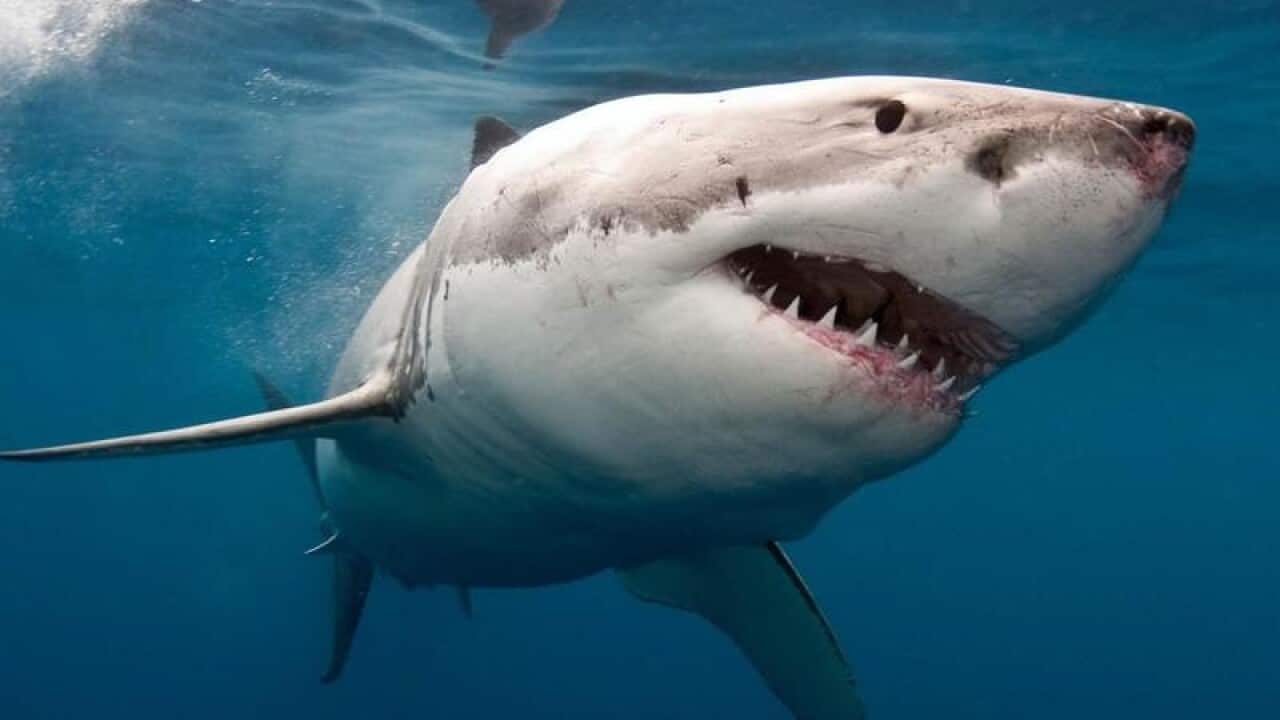
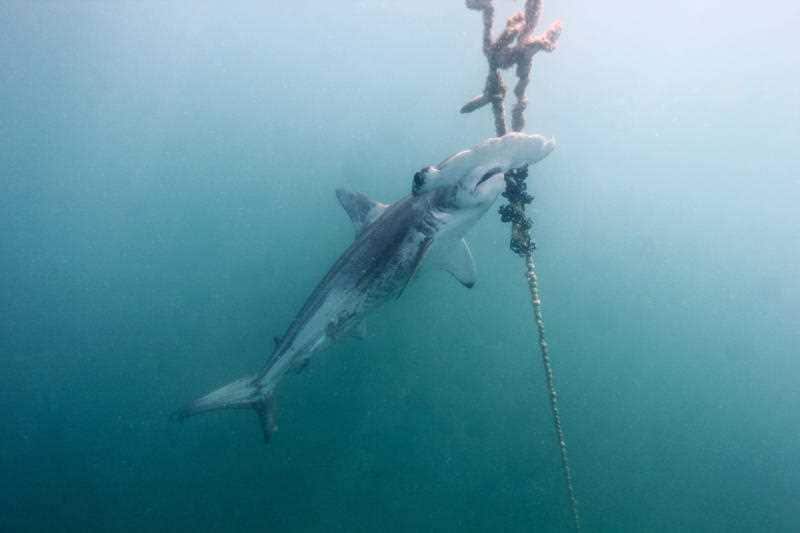
Shark populations off the east coast of Australia have plummeted in the past 55 years with some species - such as great whites and hammerheads - dropping by 92 per cent, new research shows.
At the same time a recent spate of attacks - including a horror fatality in the Whitsundays in November - has again sparked calls for a shark cull, something study lead author Dr George Roff is against.
"Human safety is important, human shark attacks are tragic events and the loss of human life should come first," he said on Friday.
News that makes sense
Your trusted source for staying up-to-date with the world around you. Get free daily news updates and analysis, straight to your inbox.
"I understand the fear from the general public behind sharks ... but I would like to see the government invest more money into the science of shark populations on the coastlines and shark interactions.
"We can have large sharks populating our beaches and keep our beaches safe for people."
States like Queensland should be looking at smart technologies, like using underwater sonar to frighten away sharks and drones to spot them, methods currently being trialled in NSW.
The shark study researchers were unable to pinpoint exactly what it was that had caused such a dramatic drop in shark numbers over the last half-century.
But they're confident it's related to overfishing.
Whatever the reason, the step must be taken to conserve shark populations before it's too late.
"Sharks play a critical role in ecosystems, they sit at the top of the food web," Dr Roff explained.
"We can conserve this important species that has been around for millions of years and that has survived the extinction of the dinosaurs - it would be really tragic if we lost them now because of preventable human causes."
The study was published in the Communications Biology journal on Friday.







