
No Australians have been harmed in Iran's missile attack on two airbases in Iraq where US and coalition troops are stationed, Prime Minister Scott Morrison has announced.
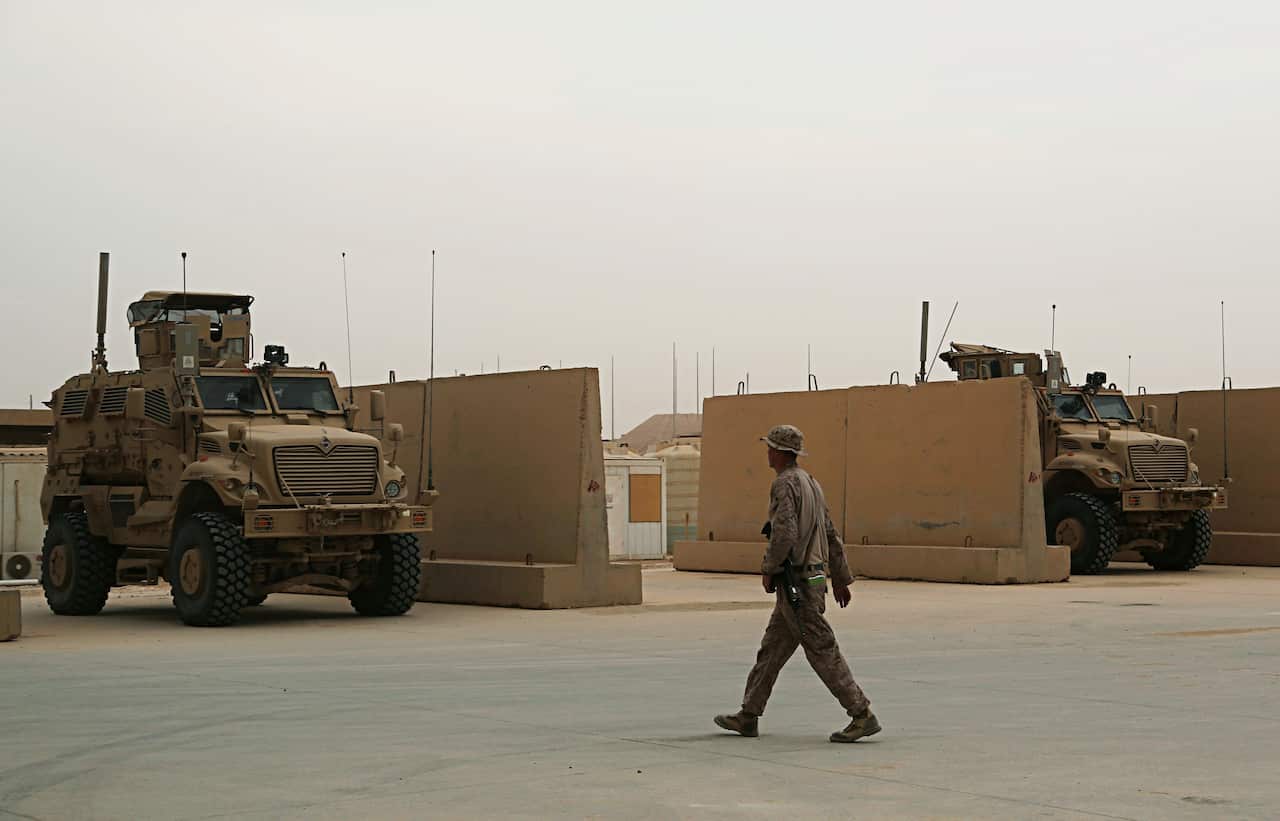
The Pentagon has confirmed Iran fired "more than a dozen" missiles at the Ain Al-Assad and Irbil airbases in Iraq where US and coalition forces are based.
"The CDF (Chief of the Defence Forces Angus Campbell) has been able to confirm to me at this point that all Australian diplomatic personnel and all ADF personnel are safe, but it is obviously a very fluid situation and this is something I'm receiving regular reports on, together with the Minister for Defence and the Minister for Foreign Affairs," Mr Morrison told reporters on Kangaroo Island on Wednesday.
"We have all been in contact with our counterparts on these arrangements,"
News that makes sense
Your trusted source for staying up-to-date with the world around you. Get free daily news updates and analysis, straight to your inbox.
About 300 Australian troops and defence staff are on the ground in Iraq, but it's unclear how many were stationed at the two airbases at the time of the attack.
In an earlier statement, Mr Morrison said he has ordered "whatever actions are necessary" to be taken to protect Australian defence personnel in the Middle East, following the missile attacks.
The prime minister said he was closely monitoring developments.
The national security committee has been meeting since Saturday to review the situation and may be convened ahead of its scheduled meeting on Thursday.
Opposition Leader Anthony Albanese was awaiting a detailed briefing on the situation, but said it was potentially very dangerous and urged all parties to exercise restraint.
"I don't want to see Australia drawn into a military conflict in the Middle East," Mr Albanese told reporters in Adelaide.
He agreed with the prime minister that the first priority must be to keep Australians safe, adding that troops were located "just next door" to the US troops being targeted.
Conflict could 'dwarf' 2003 Iraq war
Australia had begun to scale back its involvement in training Iraqi forces with the focus switching to a "train the trainer" mission.
The latest rotation of Task Group Taji left in November and was half the size of the first Taji deployment in 2014.
But senior defence analyst at the Australian Strategic Policy Institute, Dr Malcolm Davis, said the US may request more help from its allies if the conflict worsens.
"If things escalate then the Americans would be calling on us, and I think from an Australian perspective as a key US ally we would be very hard-pressed to say no," Dr Davis said in Canberra.
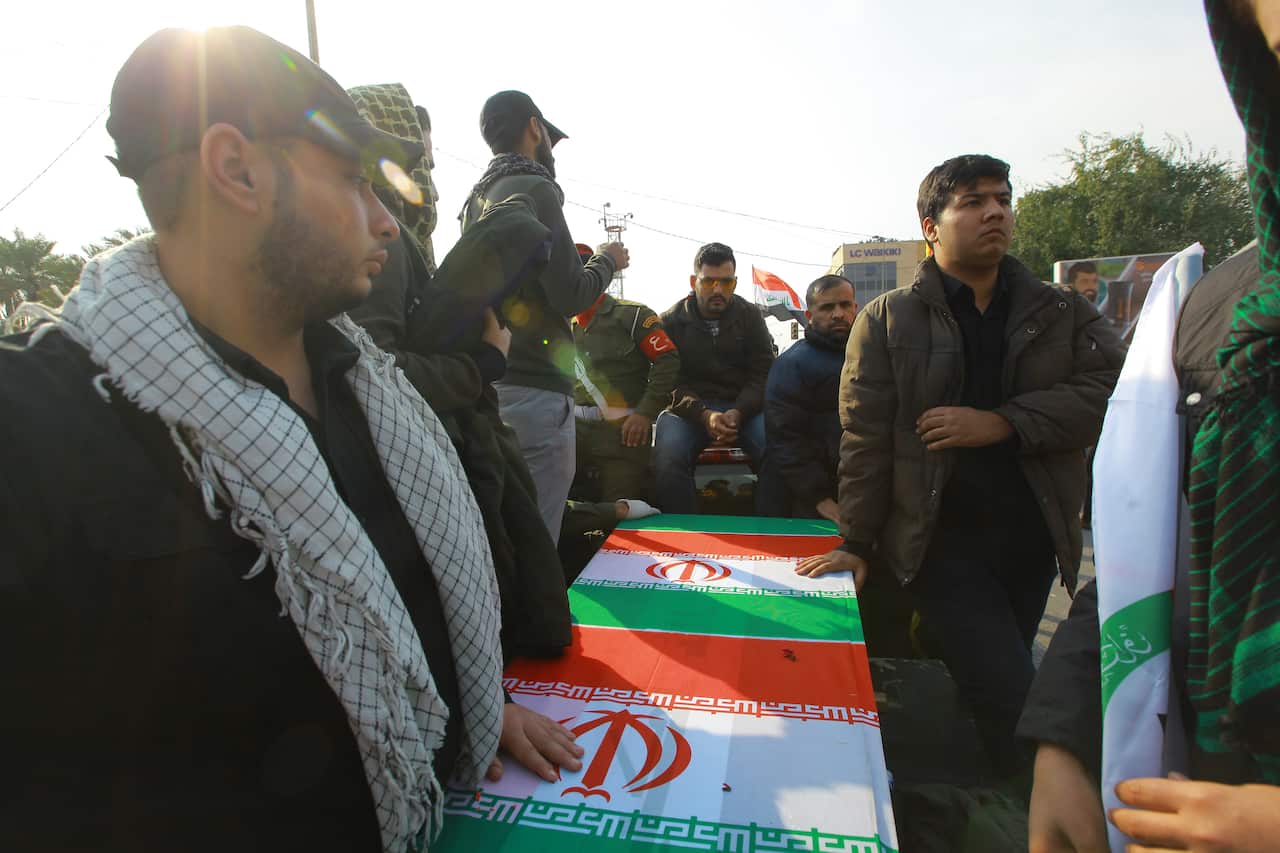
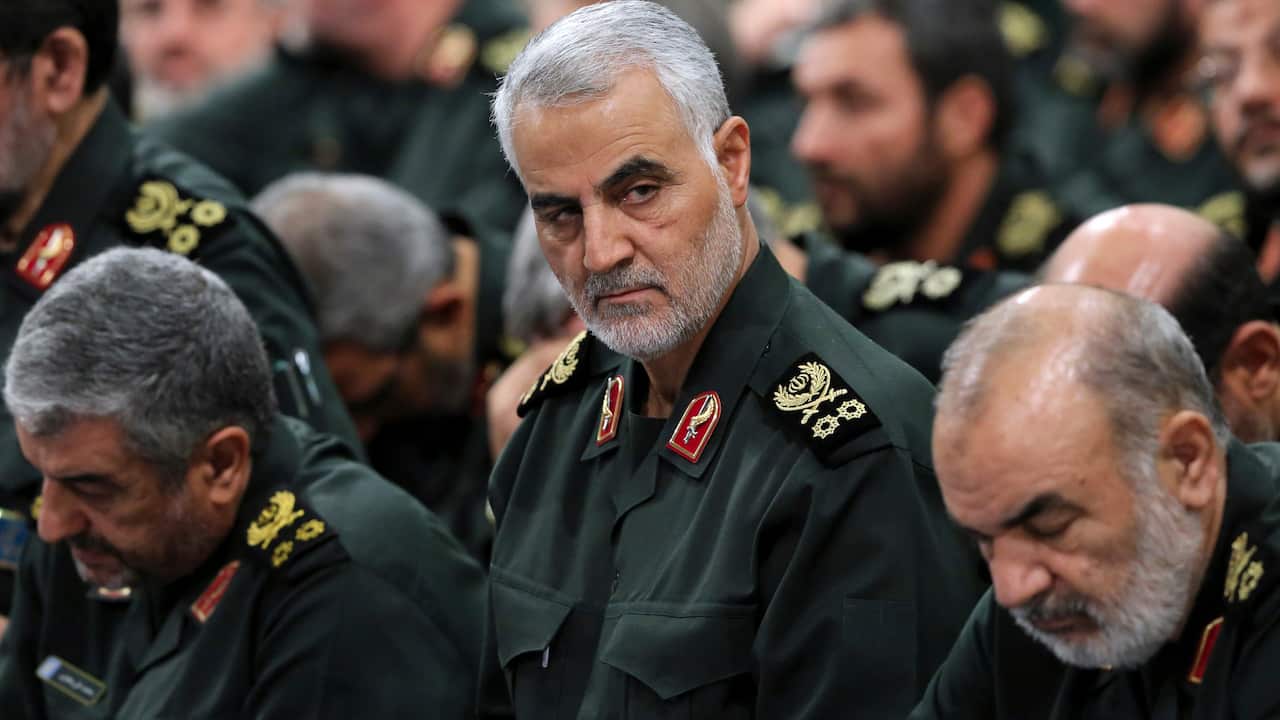
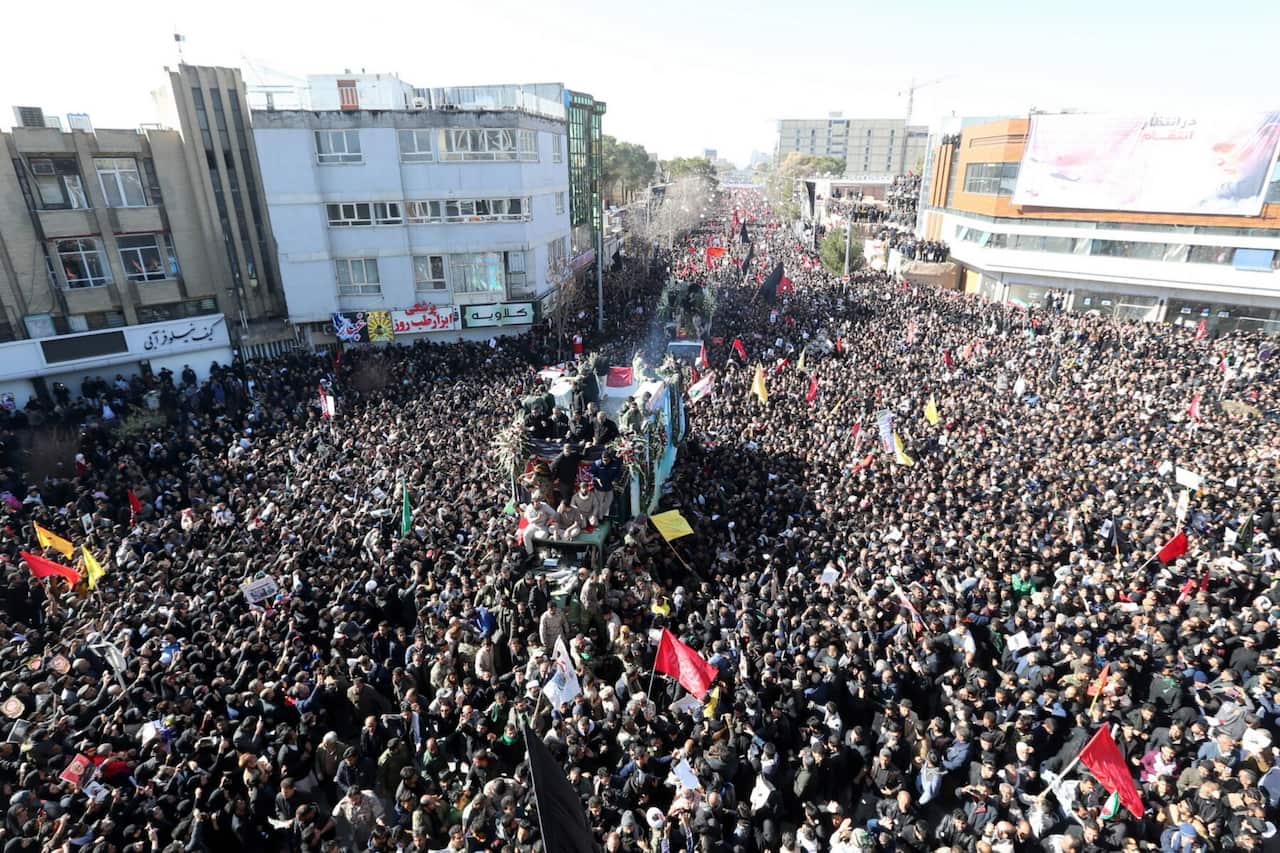
The Iranian attacks came after pro-Tehran factions in Iraq had vowed to "respond" to a US drone strike that killed Iranian general Qasem Soleimani in Baghdad last week.
Dr Davis said the key question in the wake of Iran's attack was how the US would respond.
"If the Americans respond in a proportionate limited way, then things could ease off. But if the Americans respond in a disproportionate way as was suggested by President Trump a day or so ago then things could escalate.
"You could see a major Middle Eastern war that would dwarf Iraq in 2003 and the Gulf War in 1991."







