
On July 27, a loud alarm will blare from every mobile phone in Australia. It’s part of testing for the new AusAlert system, which will inform people about emergencies in their area, including natural disasters, public safety threats and bio-security incidents. But there are concerns the alert could put victim-survivors of family and domestic violence with hidden phones at risk.
Listen to Australian and world news, and follow trending topics with SBS News Podcasts.
TRANSCRIPT:
The phone rings - or an email alert sounds - dozens of times a day at Immigrant Women's Speak Out Association in Western Sydney.
“We get approximately 25 inquiries daily from either women themselves, people who are supporting women, their family members, their allies, organisations working with women and so day after day, the phone just keeps ringing and the emails keep coming through with inquiries reaching out to, to support women in this situation.”
That’s CEO Maria Kissouri.
Immigrant Women's Speak Out Association has been supporting migrant women experiencing domestic and family violence for more than 40 years.
“We're a specialist service for migrant women, so we work with women who come from all across the world to Australia and and we have a specialization of working with women on temporary visas. And often women have arrived in Australia with the prospect of marriage and a safe and fulfilling life here in Australia with a safe partner and to build a family and a home. Women we work with unfortunately don't experience that. What they experience after arriving in the country is abuse from their fiancé, their partner, or the person that they've just married."
But there’s an additional worry at the moment – the AusAlert system that’s being tested.
A national test will happen on Monday July 27, and the sound will be difficult to ignore.
Maria Kissouri is concerned it will expose the hidden phones of victim survivors of domestic and family violence.
“What we're concerned about is for people who have a phone, that is what we would refer to as a safe phone, and they need that phone in case of an emergency to be able to contact Triple O, if they felt their life was, was threatened, that those women's safety might be compromised as an unintended consequence of the AusAlert system.”
Since it started six years ago, the charity DV Safe Phone has provided 20-thousand phones to victim survivors of domestic and family violence.
Founder and CEO, Ashton Wood, says even before AusAlert, it recommended safe phones be kept turned off until needed, to preserve the battery life.
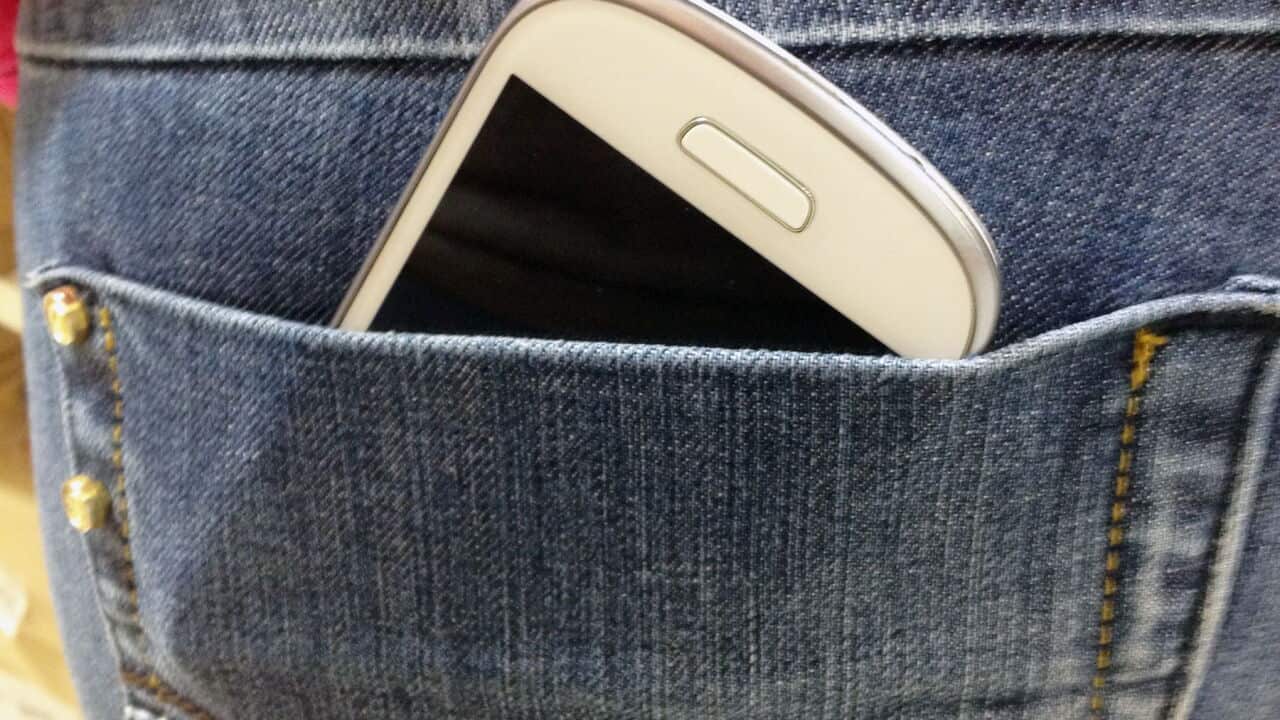
“So we're not worried about the AusAlert for those types of conditions because the phones will be shut down, and AusAlert cannot get to a phone that's being shut down. However, there is a risk that a survivor has a phone in their bag or on their person that is turned on, that the perpetrator may not know exists in the position they're in. That phone will definitely make a noise if it's turned on and it's not in flight mode, so even if it's in silent mode or do not disturb or standard mode, it will make a noise.”
AusAlert is being implemented following a recommendation from the Royal Commission into National Natural Disaster Arrangements, held after the Black Summer bushfires.
Minister for Emergency Management Kristy McBain says Black Summer exposed flaws in the old text-message based system, as it required people to have mobile phone reception.
Under AusAlert, there will be two types of warnings – priority and critical.
Priority Alerts won’t sound if a phone is on Do Not Disturb or Silent; instead they'll be used when there's a high level of threat and mean conditions are changing.
It's sort of like a 'watch and act' message.
You can also opt out of these in your mobile phone settings.
The next step up is a Critical Alert, which will sound when you may be in danger and requires immediate action.
This is what will be used in the national test and it's more difficult to stop your phone making this alert.
Because of the importance of the message it contains, the alert will over ride Do Not Disturb settings and Silent Mode.
But Emergency Management Minister Kristy McBain says there are ways to stop the alert sounding during the test on July 27.
“If you don't want that alert to disrupt or cause anyone in your family to feel unsafe, then turn off your device, or switch it to airplane mode before the scheduled test time, and we recommend you leave your device off for at least an hour after that scheduled test time as well.”
Despite their best efforts, Maria Kissouri is worried some women who need to know about the upcoming alert haven’t been told, either because they can’t contact them safely, or there’s a language barrier.
“Where it's safe to do so, we'll be calling every woman that we're aware of that has a safe phone and letting her know to, uh, have it switched off well before the alert is scheduled, or to give the phone to somebody else, if that's possible. It's often not possible. Um, often people don't have a safe person that they've disclosed the abuse to, and we, uh... Many women share with us that we're the first person that really knows just what's going on for them in their home and then for their children as well."
Deputy Coordinator of the National Emergency Management Agency, Katarina Carroll, says information has been made available in 19 languages, and she’s confident authorities have done enough to inform those at risk.
“What people don't see, and it is probably some of the most important work, is that work through our peak bodies of going to the victims directly and discreetly and having the conversation with them personally, that is incredibly important, and probably the safest way of doing this with victims of domestic violence.”
Later this year, another summer of wild weather will get underway bringing with it the risk of damage and danger to life from floods, fires and storms.
Ms McBain expects AusAlert will be ready to be implemented come October.
“The AusAlert system will be in place for the high-risk weather season from October this year onwards. It's one of a range of methods that emergency services will use to alert community about incidents that are happening near them, in particular natural disasters. We obviously would recommend people keep in the loop with their local emergency services for a range of information.”
Wesnet is the national body for domestic and family violence specialist services across Australia and has provided 50-thousand phones under its Safe Connections program.
CEO Karen Bentley says anyone concerned about getting a critical alert on their phone will need to weigh up their individual situation when considering what to do, once the AusAlert system is operational.
“I think each person's got to make their own decision about that. And certainly I think that if you're in a risky situation, having access to a phone so that you can make a call to either emergency services or something is going to outweigh the risk, the possibility that there might be a critical alert.”
Katarina Carroll says critical alerts will only be used when it’s essential.
“critical alert will only be used when there is a threat to life and property, and ultimately emergency services will make that decision of using it in those circumstances.”
If you or someone you know wants to talk about family or domestic violence, call 1800RESPECT on 1800 737 732 or call Lifeline on 13 11 14. In an emergency, call 000.