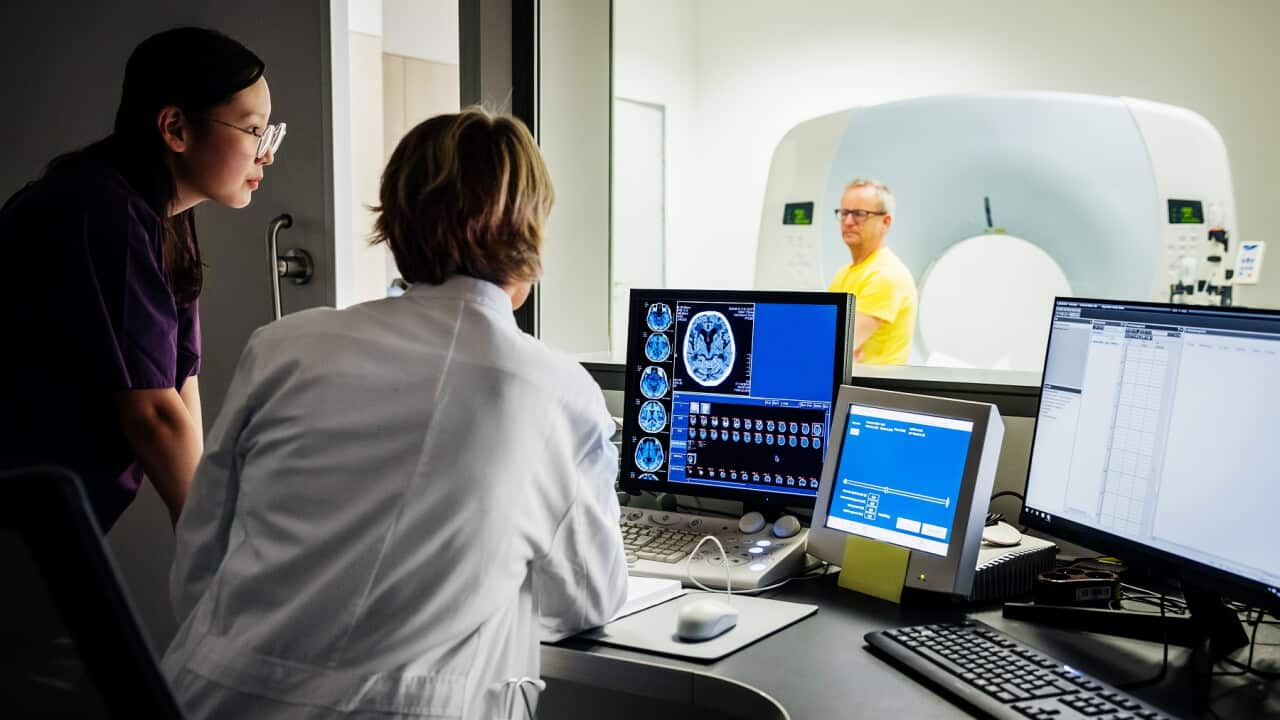

A blood test may predict the start of Alzheimer's symptoms years in advance and doctors say it could become a game changer. The study shows a blood test can help identify healthy people at high risk for Alzheimer's disease and how far their disease has progressed.
Listen to Australian and world news and follow trending topics with SBS News Podcasts.
TRANSCRIPT
Doctors say a new blood test may be able to predict the start of Alzheimer's symptoms years in advance.
The test, which doctors say could be a game-changer, looks for what doctors call p-tau217 and can alert them to the disease five to ten years before healthy people develop symptoms.
Dr Reisa Sperling from the Mass General Brigham Neuroscience Institute says the test was only being used on those with symptoms.
“Right now it's really being utilized in people who already have symptoms of Alzheimer's disease and are thought to have cognitive impairment due to Alzheimer's disease. In this study, we are looking at people who do not yet have symptoms of Alzheimer's disease."
Currently, there is no effective drug which reverses the impacts of Alzheimer's.
But findings from Dr Sperling's recent study, which saw participants ranging from 40 to 85 years old, could help scientists develop drugs that might prevent or delay Alzheimer's.
“People who have very high levels of this blood test abnormality, p-tau217, were very likely to progress over time. So 38 per cent of them progressed to impairment within five years, and actually up to 78 per cent within 10 years. We also found that people who have a very low level of this blood test, p-tau217, were very unlikely to progress over time and were about the same level as people in general as they age over a 10-year period might be at risk for developing impairment.”
Large clinical trials are already underway to test if certain drugs can prevent or delay the disease.
If any of those prove successful, these tests could provide doctors an easy way to determine who needs to try them.
Dr Sperling says it's too soon for otherwise healthy people to seek out the test, instead suggesting they stick to proven risk-reduction strategies.
“At this point, it wouldn't change what I would tell someone to do. I'd still tell them to eat well, sleep well, exercise a lot and stay engaged. But that's going to change dramatically if the current prevention trials show clinical benefit.”
Jessica Langbaum from the Banner Alzheimer’s Institute says the development is potentially a game changer.
“This is really important for people, particularly if we get to a time when there's one of the treatments that are being tested for Alzheimer's prevention therapies. If one of those treatments read out having a blood test that can accurately determine who to test and say, yes, this person might be eligible for treatment, I think that's a real game changer because those PET scans are not readily available. They're expensive, they're invasive, etc., etc. And so having a blood test is really a game changer.”
According to the World Health Organisation, more than 57 million people live with dementia worldwide and nearly 10 million are newly diagnosed every year.
If a new preventative drug is found for Alzheimer's, a test like this could have major significance.
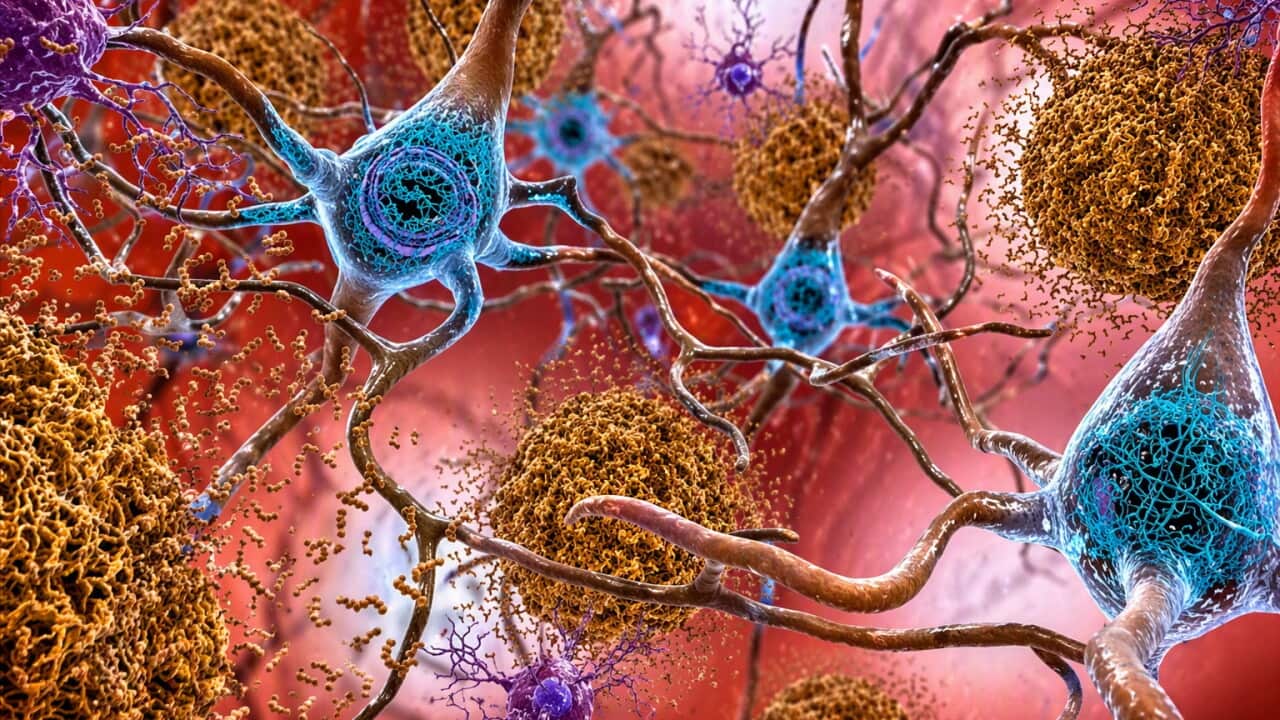
“This is a gradual process where amyloid and tau build up in the brain. And this blood-based biomarker is telling you how far you are in that process. And that's probably more important than just saying positive, negative.”