
More than 30 medical research institutes have joined forces for Australia’s first Medical Research Giving Day, amid warnings about the financial sustainability of the sector. Researchers say funding shortfalls could slow the search for new treatments, earlier diagnoses and better care for patients and families across Australia.
Listen to Australian and world news and follow trending topics with SBS News Podcasts.
TRANSCRIPT
Sydney woman Sarah Gardner was diagnosed with a rare blood cancer in 2021.
For months, doctors were unable to tell her exactly what type of cancer she had.
But for Sarah, one fear outweighed all the others.
“Yeah I was just so worried about what that meant for our future and how how long I'd be around and you know then once I started to process it how I'd be able to parent in the same way fighting fatigue and treatment.”
Sarah later turned that fear into action, using her jewellery business to raise 30-thousand dollars for blood cancer research.
The money helped support work at the South Australian Health and Medical Research Institute, contributing to a new immunotherapy now moving towards a first-in-human clinical trial.
More than 30 institutes are taking part in the first Medical Research Giving Day, a national 24-hour fundraising campaign.
David Sloan, one of the organisers, says the day is also drawing attention to a growing gap between government grants and the real cost of doing research.
“The challenge that's there by numbers is showing that every dollar received in government research grants has an additional 64 cents is required to cover the full cost of conducting research . That's that means that a lot of research is losing out and losing it in that race against a breakthrough treatments that Australian patients really need earlier access to.”
The warning comes despite a major boost in federal funding.
The government has committed an extra 508-million dollars over four years to the Medical Research Future Fund, with annual grant funding expected to reach one-billion dollars by 2030.
Professor Brendan Crabb, Director and CEO of the Burnet Institute, says philanthropy can help support research that traditional government and commercial funding does not always reach.
“No matter what government funding there is you need philanthropy - you need philanthropic giving as a component because it fills a niche that other mechanisms just don't fill. You know things like blue sky research, research that is very new - going in new directions not well supported by existing mechanisms, maybe early stage translation of a discovery into something that's going to actually be a product but is not yet at the stage where commercial industries are yet interested in.”
David Sloan says the value of medical research can be seen in the treatments people rely on every day:
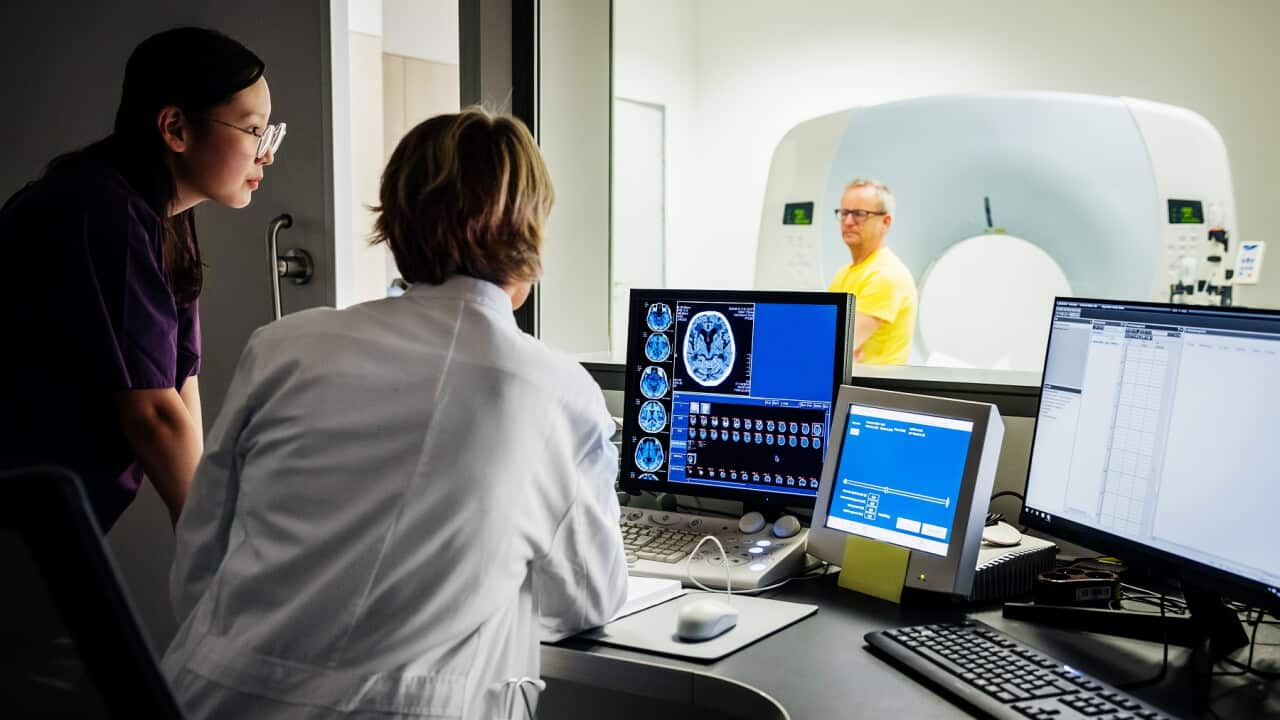
“Every treatment and everything that we know in terms of being a patient or having the care of a loved one has relied and started on research . It could be a scan that's found a disease early It could be medicine that's been developed that could give someone more time and the breakthrough that that means a family can get hope when they need it most - but research can't move forward an ideas alone and that's the challenge that the sector has.”
For Sarah Gardner, the impact is deeply personal.
What began as a small fundraiser through her business has now become part of a research story she never expected to be involved in:
“I just I still can't believe it . I was talking to my daughter and I read the email from Ken Young from MPN Alliance Australia and I still can't believe it - it's actually just magical and I'm indebted to the researchers, simply can't believe it and so just proud to be a small part of what they're doing.”