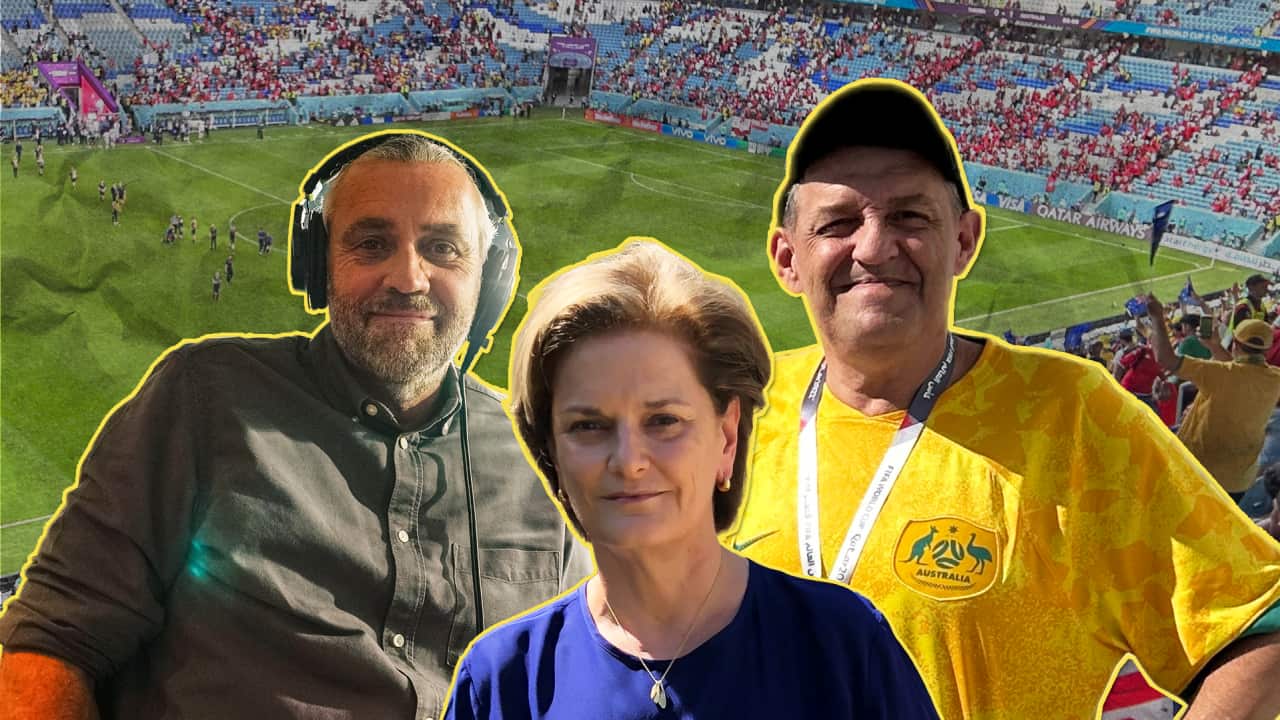
For Wade, football — which he, like many fans, calls the 'World Game', has always been a huge part of his life.
In 2022 the 52-year-old travelled to Qatar for the World Cup. He said the atmosphere around the tournament was unlike anything he'd experienced.
"I had total strangers hugging me that night … that's the beauty of the game," Wade told The Feed.
So, when Australia qualified for the 2026 FIFA World Cup, Wade booked four weeks of annual leave around the tournament. He hoped to travel with his son to Vancouver for Australia's first group-stage match, against Türkiye.
News that makes sense
Your trusted source for staying up-to-date with the world around you. Get free daily news updates and analysis, straight to your inbox.
"I wanted [my son] to experience that camaraderie," he said.
But Wade, from Sydney, quickly realised he'd been priced out, with a single ticket to the match set to cost him over $600.
"The profiteering going on is unreal," he said.
"The prices were five times what they were during the [ticket] ballot … But the money, it's just not worth it."
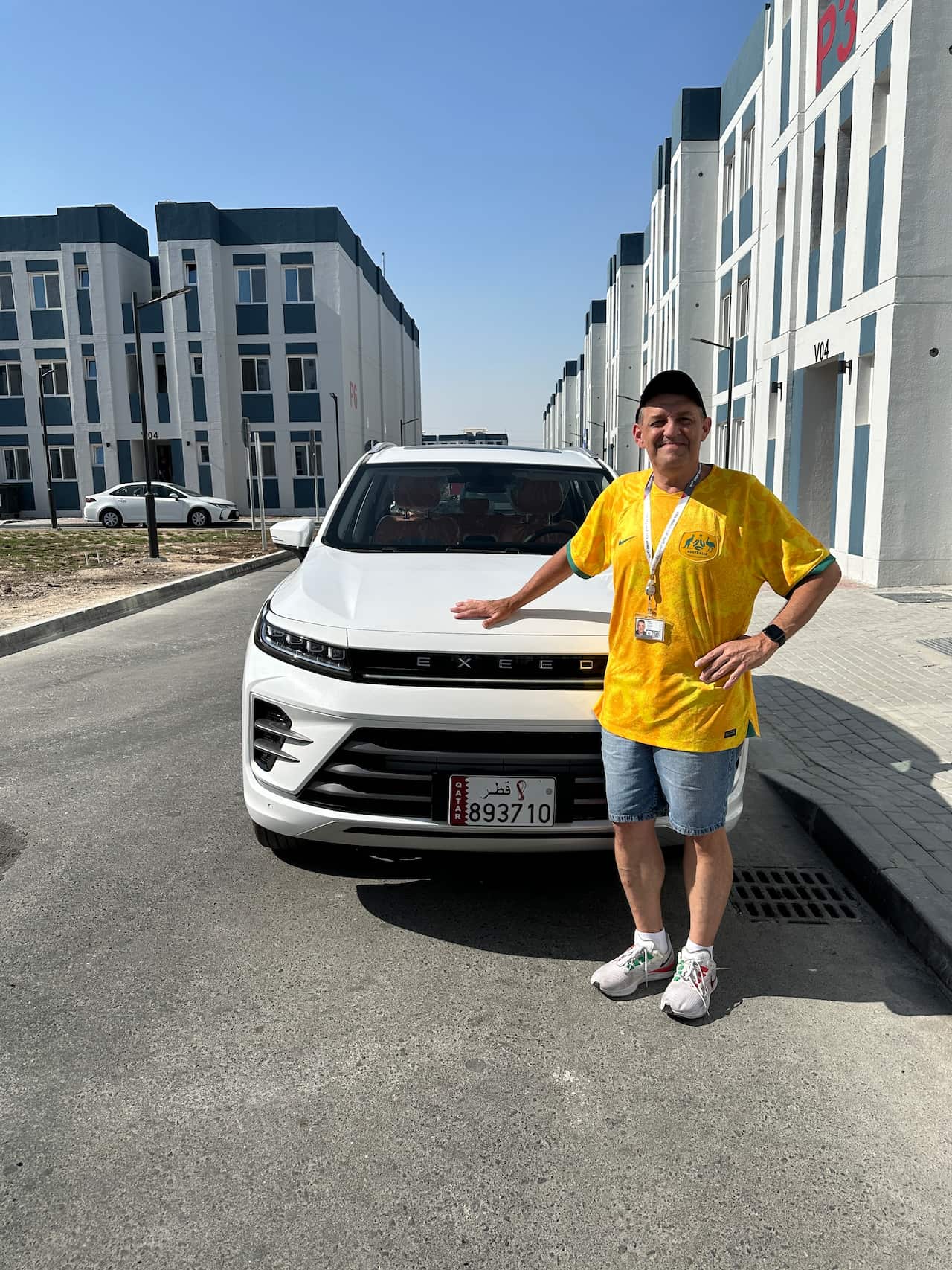
Instead, he intends to spend his money holidaying in Fiji.
The 2026 FIFA World Cup — hosted across the United States, Canada and Mexico — will be the biggest men's World Cup in history, having expanded to 48 teams and 104 matches from 32 teams and 64 games.
It is also the first men's World Cup to introduce dynamic pricing, where ticket prices fluctuate based on demand. It's one of the major factors influencing ticket prices.
The cost of dynamic pricing
World Cup 2026 tickets are far more expensive than the previous Qatar World Cup in 2022, with some tickets for knock-out stage matches rising by over 500 per cent. The Guardian reported in April the most expensive ticket for the 2026 final was listed at around $15,300, while the most expensive ticket for the 2022 final was around $2,200.
AP News reported in May that on FIFA's website the price to buy a ticket for the final increased to nearly $46,000 for its "best available ticket".
As of June, the cheapest ticket to watch Socceroos v Türkiye is priced at $529, while the Socceroos vs USA is over $1,000. At the 2022 World Cup, it would've cost roughly $100 to $320 for group-stage tickets to watch the Socceroos, according to FIFA ticket pricing.
But as the tournament rapidly approaches, fees are expected to fluctuate — with ticket prices already dropping for some games.
World football governing body FIFA told The Feed that the increase reflects supply and demand and the North American sports and entertainment market. It also said that money raised from the tournament is reinvested into the development of football worldwide.
All the FIFA World Cup 2026 coverage on our World Cup page
How to watch the FIFA World Cup 2026 on SBS
Watch all 104 matches of the FIFA World Cup 2026 at our On Demand hub
According to FIFA's Annual Report, the 2022 World Cup generated about $955 million in ticket sales from more than 3.18 million tickets sold, contributing to FIFA's record $8.7 billion in World Cup-related revenue.
Following the 2022 World Cup, FIFA and Qatar launched a $69 million "Legacy Fund", with part of the money allocated to football development programs worldwide.
But rising costs to attend the World Cup reflects a broader shift in elite football culture, according to football commentator and former SBS presenter Simon Hill, based in the UK.
"This is the way that football is going," Hill told The Feed.
"Football has to be very careful that it doesn't kill the golden goose — and that is the fans."
A change in sporting culture
Hill said football has increasingly drifted away from its working-class roots.
"When I grew up … it used to cost me 50 [pence] or 80 [pence] to pay at the gate at Manchester City," he said.
And now, younger supporters are being locked out of live football altogether, due to exorbitant ticket costs, Hill said.
"You've got an entire generation of younger football fans who love the game but are not in the habit of going every week," he said.
"They invest in a television subscription and they watch from home because it's cheaper."
Hill is concerned about what will happen to sporting atmospheres when stadiums become increasingly inaccessible to ordinary supporters.
"I went to a game a couple of years ago with my dad and I think we were the only Mancunians in our section of the ground," Hill said.
"That's not healthy.
If you're pricing the locals out of watching the team they've grown up supporting, then you've got a problem.
The move to a 'premium' experience
The World Cup's pricing model reflects the commercial priorities that now dominate elite football, according to author and sports governance expert Bonita Mersiades.
"I don't think it's a surprise that FIFA has gone down the route of dynamic pricing when you're in one of the biggest consumer markets in the world," Mersiades told The Feed.
"There are some inexpensive tickets, but I think the figure I have seen is about 1.6 per cent of tickets within a stadium are at that sort of reasonable range of US$60."
"Everything else is getting totally ridiculous."
Mersiades said FIFA is presenting the 2026 World Cup as a "premium event experience", rather than a tournament built around ordinary supporters.
"There are people who will pay that much … And it does take away from what the sport originally was."
Mersiades points to football's decades-long shift since the 1970s toward commercial deals and sponsorships as part of the problem.
"What we're getting now is this enormous business which generates enormous revenues," Mersiades said.
The 'World Cup of capitalism'
Hill said the live atmosphere around major football events has also shifted toward spectacle and entertainment, which he said was evident at the 2022 World Cup in Qatar.
"Pre-game there was this 15, 20 minute show all choreographed … with the blaring PA drowning out any noise that the supporters might want to make," Hill said.
The 2026 edition will feature a half-time show during the final for the first time in World Cup history.
Wade says the sport is at risk of losing the people who give the sport its identity in the first place.
"If ordinary people can't afford tickets anymore, what does that mean?" he said.
Sport is nothing without its fans.
Despite having abandoned his plans for 2026, Wade said he hopes to attend another World Cup one day with his son.
"I would encourage anyone who ever gets the chance to attend a World Cup fixture to do it … You'll never regret it."
But such experiences may be getting harder for ordinary fans to reach.
"It seems to be the World Cup of capitalism," Wade said.

Through award winning storytelling, The Feed continues to break new ground with its compelling mix of current affairs, comedy, profiles and investigations. See Different. Know Better. Laugh Harder. Read more about The Feed

Have a story or comment? Contact Us







