Finnish metal band Lordi became the first hard rock act to win Eurovision when they were triumphant in 2006. After their success, the hometown of lead singer Mr Lordi renamed a landmark in the town - Lordi’s Square.
In May 2007, the Finnish postal service issued a Lordi postage stamp in recognition of their Eurovision win and released their Christmas single, "It Snows in Hell", in a special Christmas card edition. Oh, and they’ve released five albums since 2006, but the band will forever be defined by Eurovision.
For every Celine Dion and ABBA, there’s a Lordi - acts big enough to sustain their careers, but who never manage to shake the glitter of Eurovision off their back.
Eurovision stalks the musicians who compete. It’s common for most winners to become hometown heroes rather than global megastars. Considering an estimated 180 million people watch Eurovision each year, it shows how hard it is to become bigger than the competition itself.
The competition can become a mainstay in a singer’s career. Valentina Monetta represented San Marino three times in a row, 2012-14, and then again in 2017; Johnny Logan won twice (1980 and 1987) for Ireland; and in 2011, Lena, the winner in 2010, decided to defend her title on home ground – something only two people have done in the history of the contest.
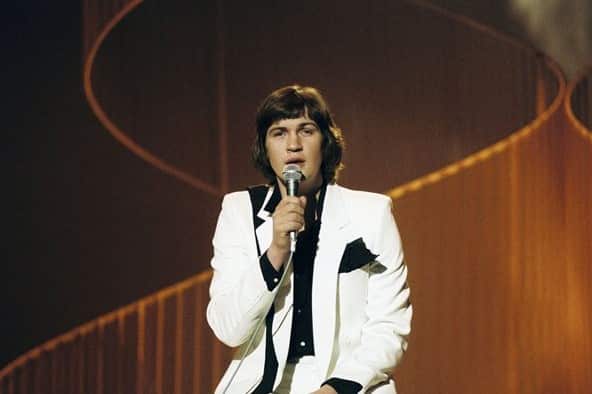
There’s also the stigma that comes with competing in Eurovision. Music critics tend to box the performers in because they’ve decided to represent their country in a singing competition and their music is categorised as a tool, like running spikes for a sprinter. Pitchfork, one of the leading outlets for music criticism, described Eurovision as:
“Like being dipped head first into a bubbling phantasmagoria. The proposition you sign up for is hours filled with Super Bowl halftime show levels of bombast, crossed with the most head-scratching of early American Idol performances. In the TV competitions seemingly inspired by Eurovision - Idol, the Got Talent and X Factor franchises, truly bizarre contestants don’t usually make it through to the finals. That’s because Eurovision has no qualms with presenting a panoply of WTF moments.”
Putting Lordi into the search box on the Pitchfork website returns zero album reviews for the band. The quest for respect is a challenge for Eurovision winners when a lot of ironic enjoyment is derived from the competition. The mad genius component of Eurovision is rarely up for consideration because there’s an art to the competition. It wouldn’t have survived for 60 years if there wasn’t something tangible beyond giant hair and pyrotechnics.

Still, remembering the winners of Eurovision is tough. It’s the ultimate curve-ball at pub trivia. Remembering the country that won is the easy part, naming the artist is when it gets hard. Answering ABBA is the safest bet and the Swedish mega-group continue to be the standard for what every act aspires to when the wind machines get turned off.
But ABBA won in 1974. It has been over 40 years since they ruled the world post-Eurovision, so it’s no wonder the competition is yearning for the next superstar to endure. And maybe that’s part of the fascination with Eurovision - we want to be there to witness the birth of the next ABBA. Each year is another shot at it and the flamboyance of the competition is just a bonus.
#Eurovision
Keep an eye on the Eurovision Song Contest page for the latest news and information.