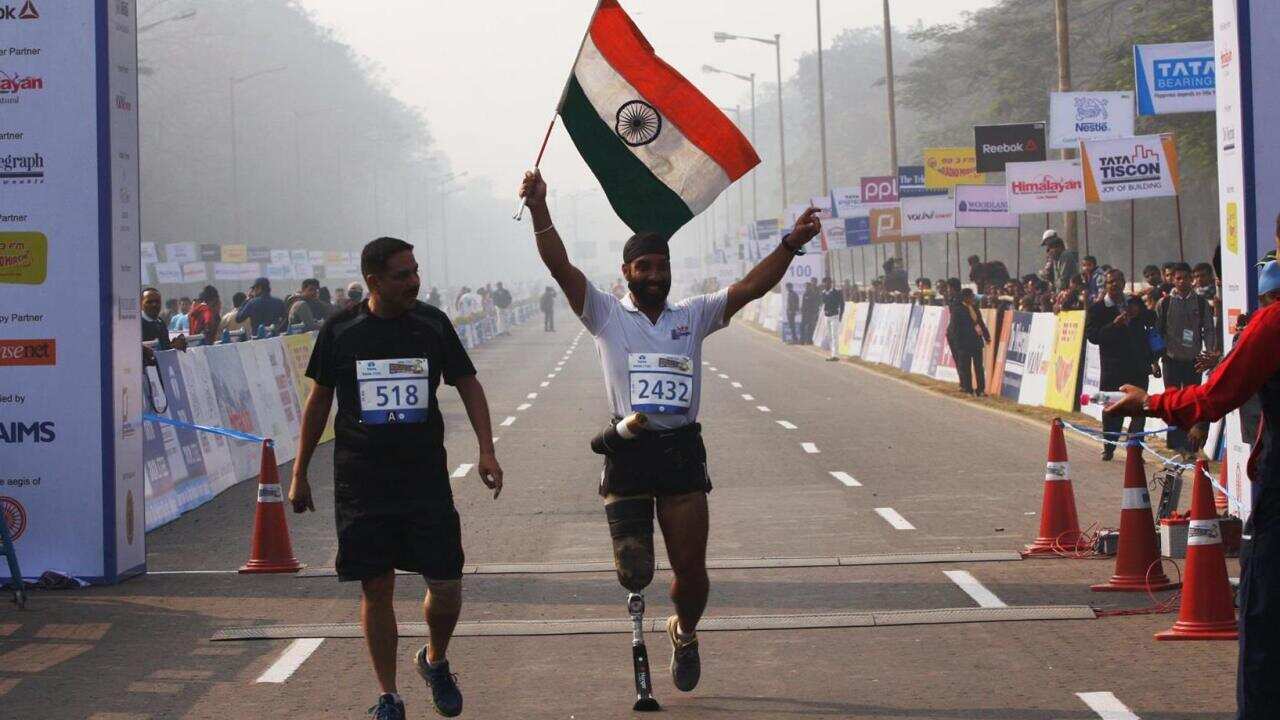
When Major Devender Pal Singh was brought to the hospital, the only doctor there pronounced him dead. He had come under heavy fire during the 1999 Kargil war, leaving him with a badly torn body embed with numerous shrapnel, broken bones and intestines ripped out.
The only doctor at the hospital in Akhnoor-short distance from the Line of Control- thought he was dead. But, a senior doctor who later arrived at the hospital, sensed life in him.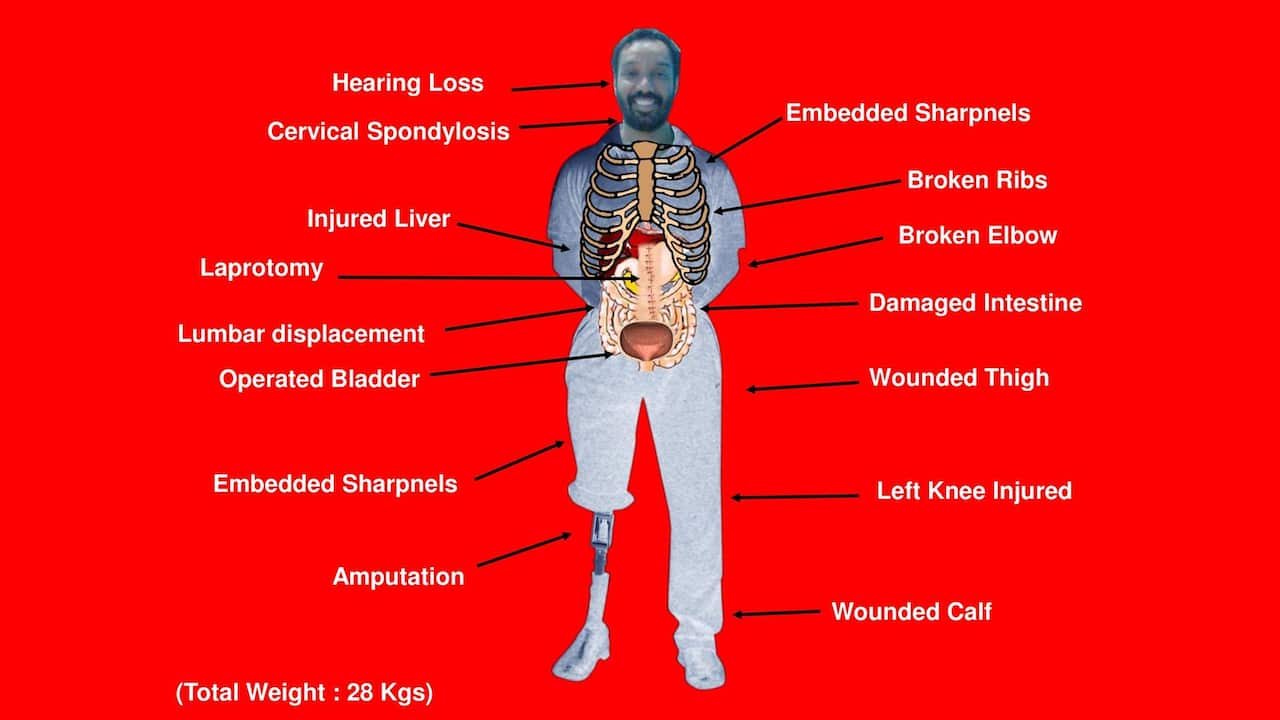 The then 26-year-old officer not just beat an almost certain death, but due to his temerity, is today known as India’s blade runner.
Source: Facebook/ DP Singh
After his right leg had to be amputated in order to save his life, Major DP started afresh. After spending almost a year in the hospital, when people thought he wouldn’t be able to walk again, he “wanted to run”.
“This was the start of my second life. So what if life would never be the same again, it never is anyway. I wanted to run to inspire myself to go beyond my injuries,” he told YourStory.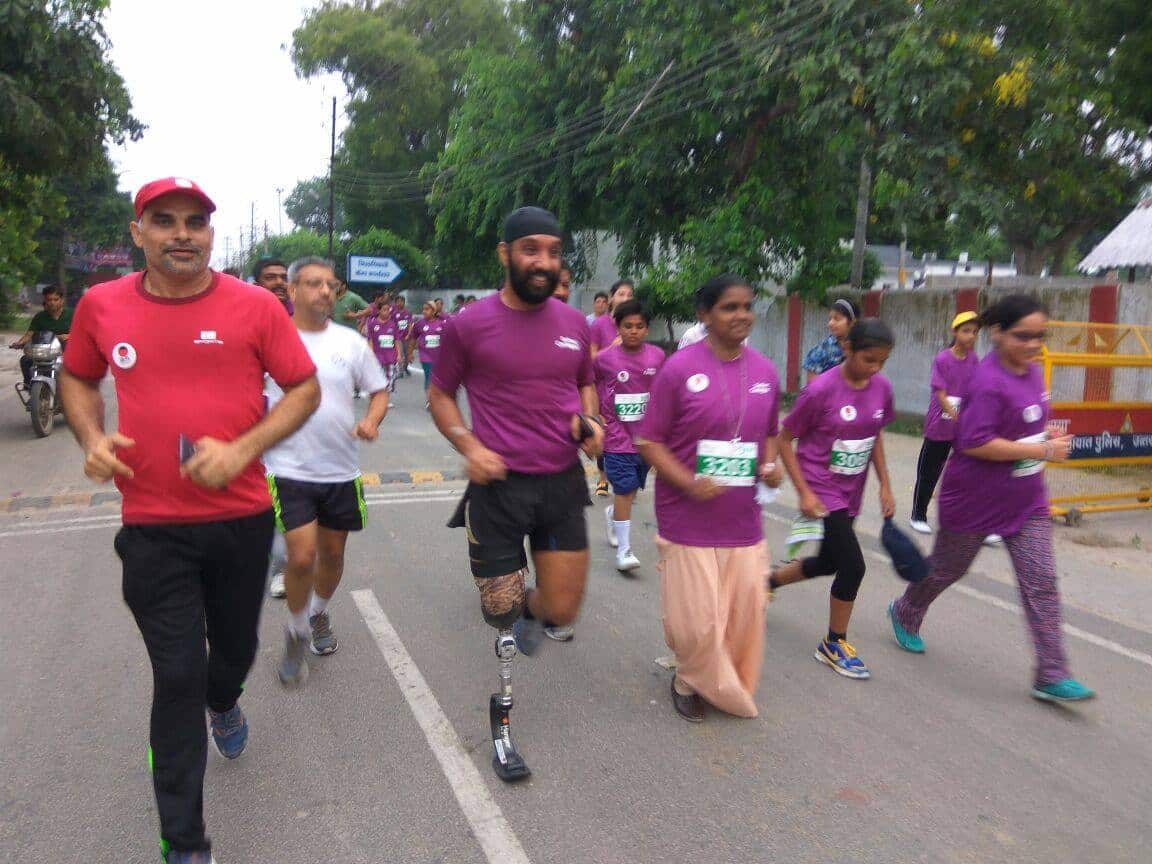 But this transformation didn’t happen overnight as he had never been a runner. And, running with a prosthetic leg was extremely painful. But, despite the excruciating pain, he continued to run. He would get up stronger every time he fell down.
Source: Faceboo/ DP Singh
He finally got a prosthetic limb from a clinic in America that was better suited for long distance running.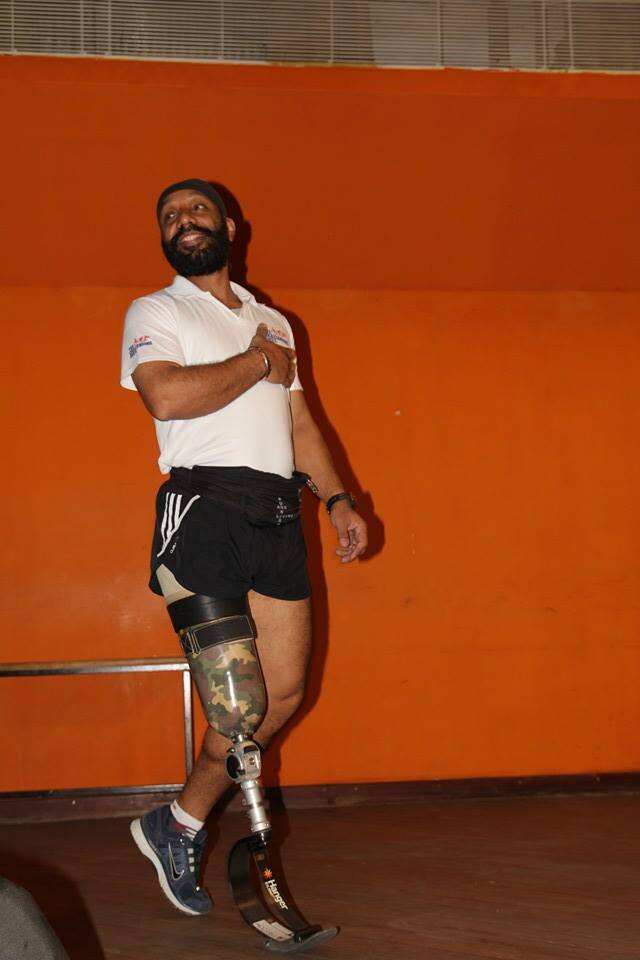 The 43-year-old blade runner has now run over twenty marathons and acts as a motivation for many others.
Source: Facebook/ DP Singh
"Sports can help build confidence and help overcome the disability. People like me are generally called physically challenged. But I believe we are 'challenges'. The trauma of losing a part of your body is huge. Your family and friends cannot imagine life after amputation. The initial stage where the person realises that s/he has lost a limb is the most difficult. Peer support is crucial," he said.
His aim is to help amputees find life again. "Make the Challengers break all shackles of dependency and overcome fears of lack of mobility to live as they did earlier. There is no limit," he says.
Share


