

For second generation restaurateur and organic produce purveyor Palisa Anderson and her team, Songkran (Thai New Year). is a busy time, especially for the dessert section of the kitchens at Sydney’s Chat Thai chain of restaurants – because the sweet treats being dished up are meaningful in more ways than one.
Thailand's best-loved festival is usually held around mid-April and stretches anywhere from three days to multiple weeks. “In Thailand, the richer you are, the longer you mark Songkran,” says Anderson. “We’ll be celebrating until the end of the month, but more so everyone has longer to try these things!”
The sweet star is undoubtedly thong noppa goa, or “nine gold treasures”. So, more than one to be accurate, but as each dessert confers a blessing on the recipient, the nine auspicious sweets are often served together for maximum blessing effect.
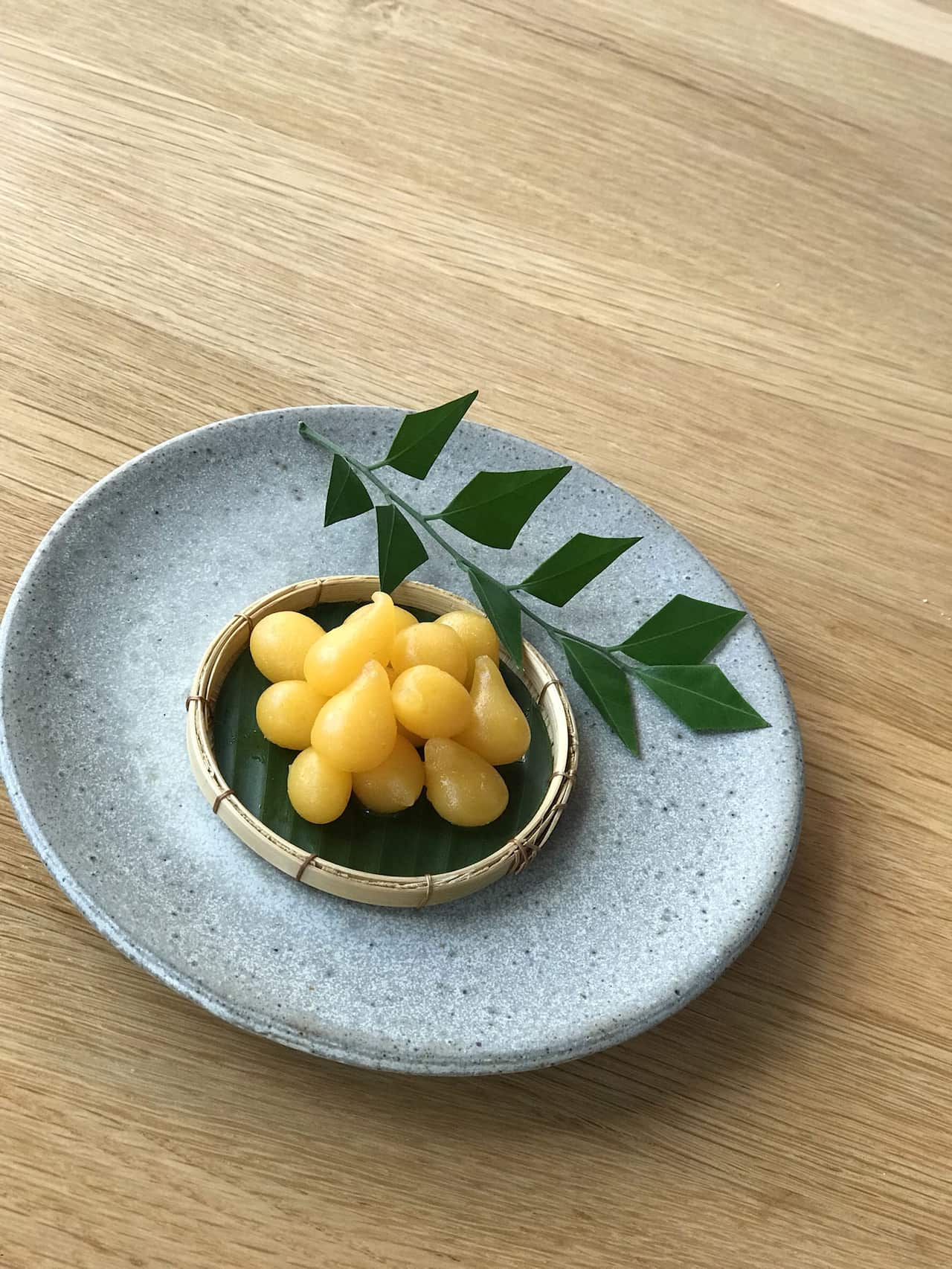
They’re also all (bar two) crafted from egg yolks, lending an auspicious golden hue to each beautifully formed item, and they often glimmer with gold dust or gold leaf.
Just don’t expect the same taste. Each shape is prepared slightly differently for a masterful exercise in flavour and texture. “It depends on the ratio of the sugar syrup they’re cooked in to egg yolks, as well as the cooking method,” explains Anderson.
The nine auspicious sweets are often served together for maximum blessing effect.
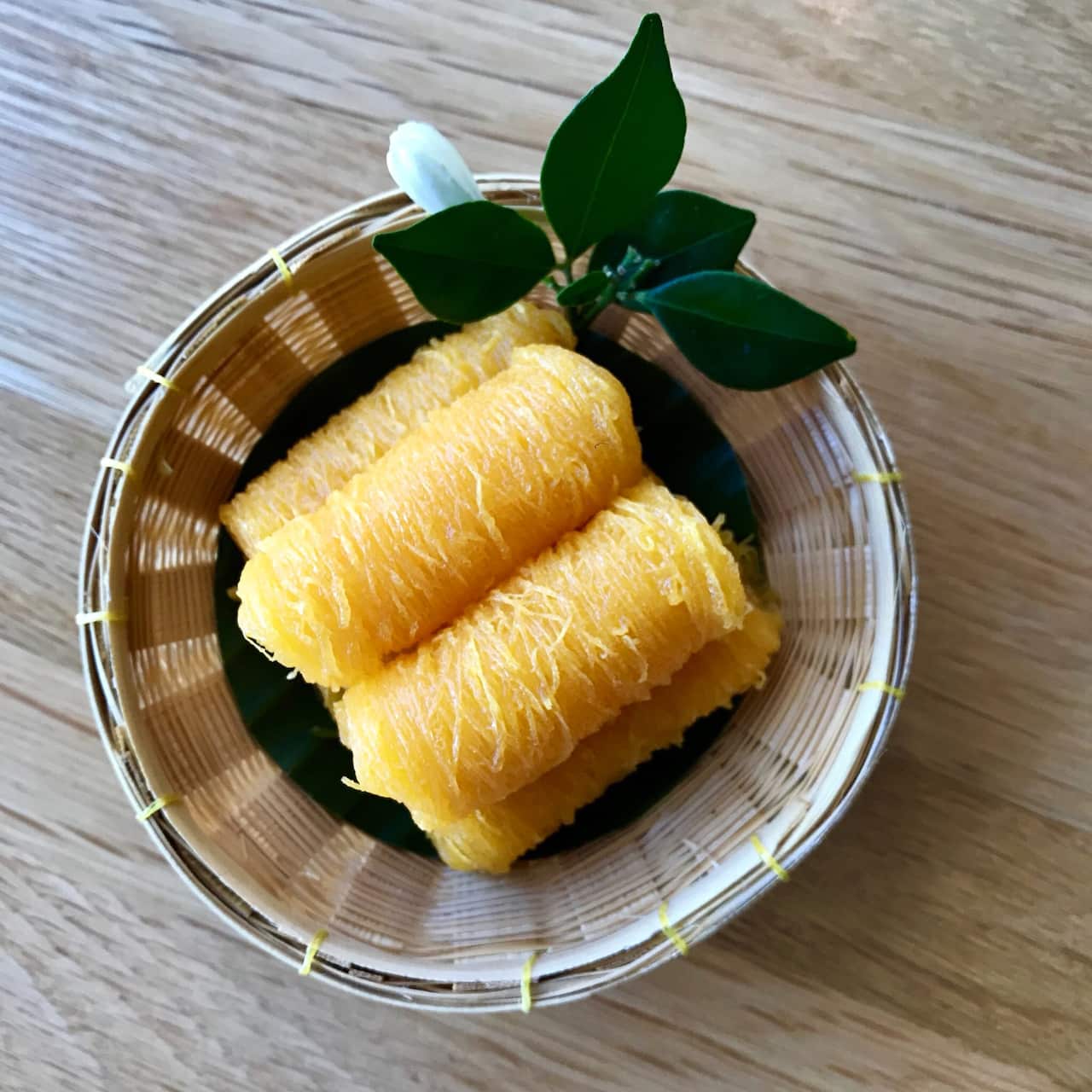
Foi thong, for example, involves flicking fine threads into boiling syrup, which are bundled into a neat parcel. “It’s one of the sweeter ones, with lots of syrup.”
Met khanun, by contrast, is stuffed with mung bean and shaped like jackfruit seeds. “It’s chewier and more fragrant.”
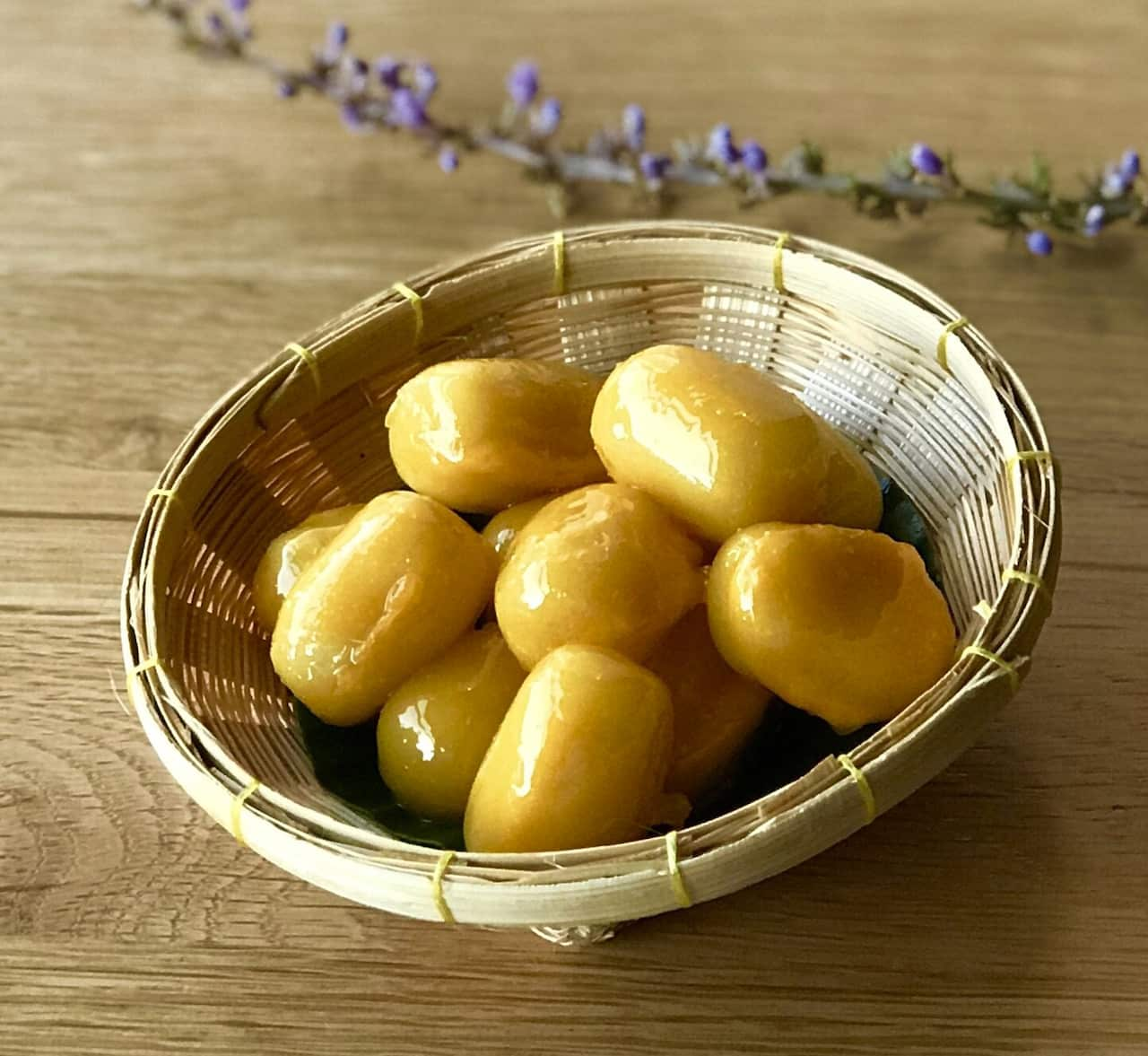
These egg yolk-based desserts are credited to Maria Guyomar de Pinha, a Portuguese descendant and Thai royal palace cook during the seventeenth century, who combined European pastry techniques and desserts with local ingredients.
Making these sweets is laborious and time consuming – the syrup alone requires a day to prepare an essence of jasmine flower before boiling with sugar and pandan – so they’re more commonly purchased than homemade these days.
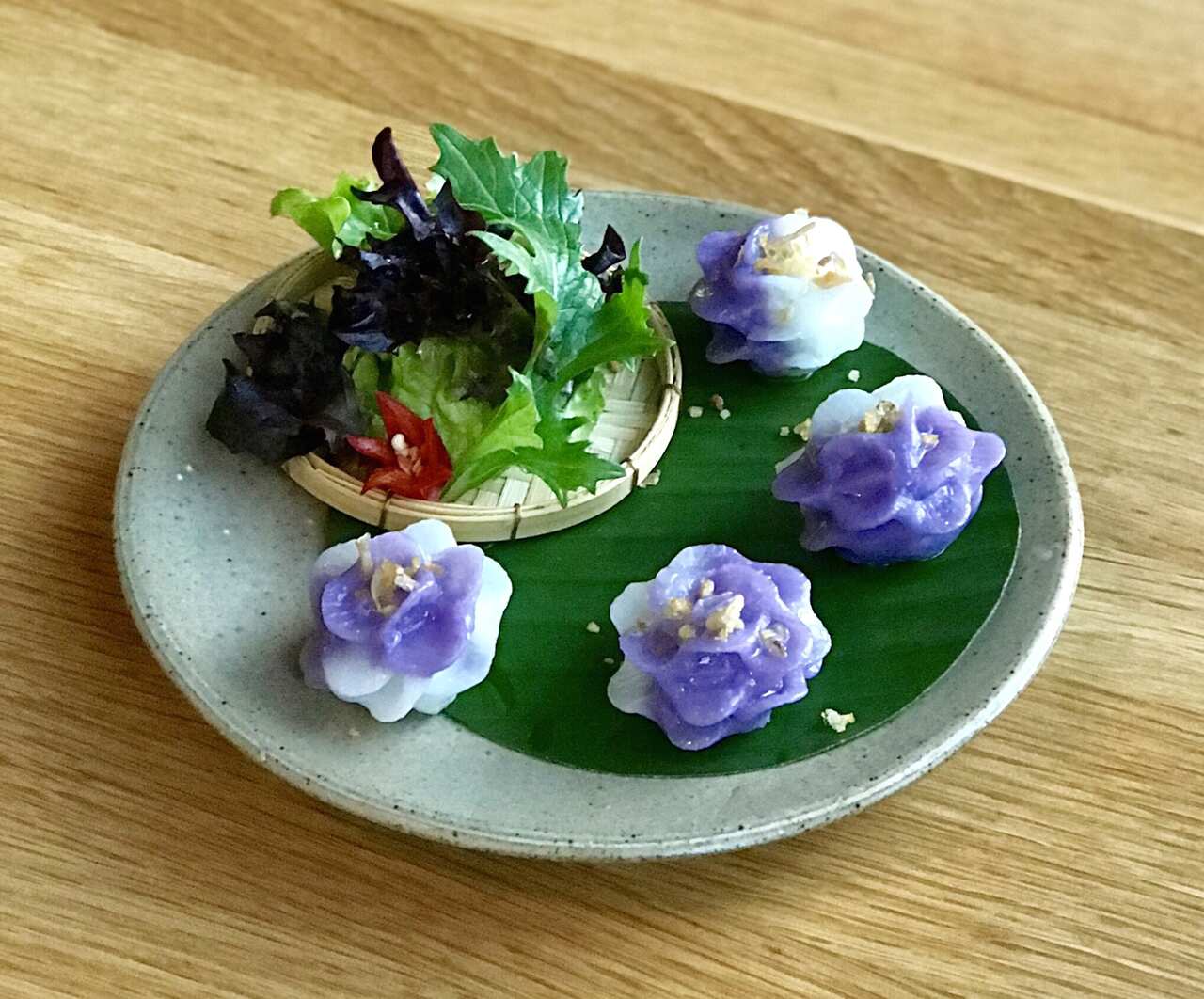
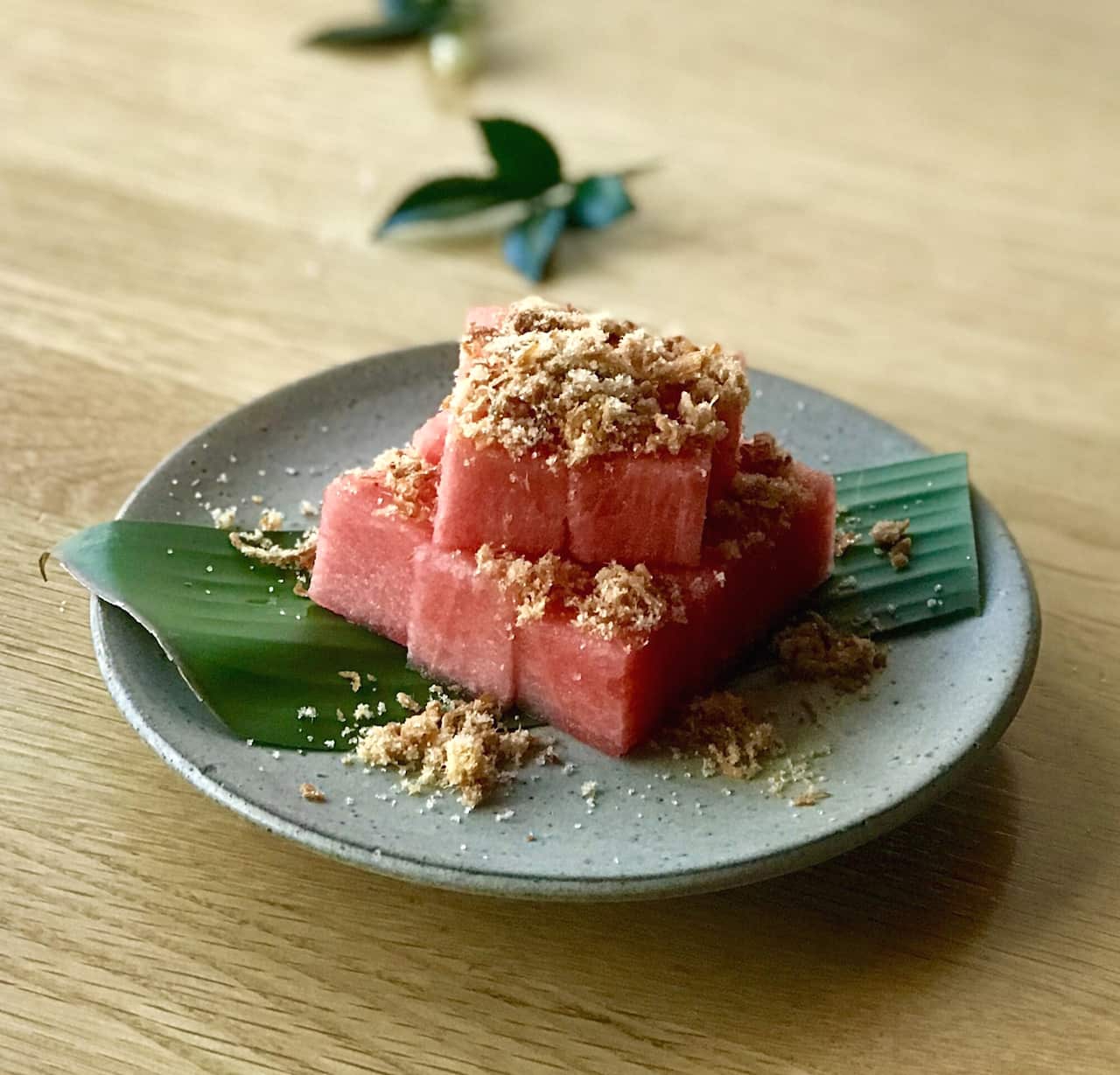
Other specialities, such as watermelon with fish floss and palm sugar, and chor muang, pretty purple rice flour dumplings filled with caramelised chicken and peanuts, will be on tempting offer too.
As we discuss the sugar syrup-soaked selection, Anderson’s excitement for Songkran is palpable.
Anderson’s Songkran favourite is a sticky rice toffee known as kalamae, made from coconut, palm or toddy sugar syrup cooked in a big brass pot over a low charcoal fire, then mixed with sticky rice flour. “I just love the imagery of the whole village making this together,” she says. “The sticky kalamae signifies the binding of you to your family and your family to the community.”
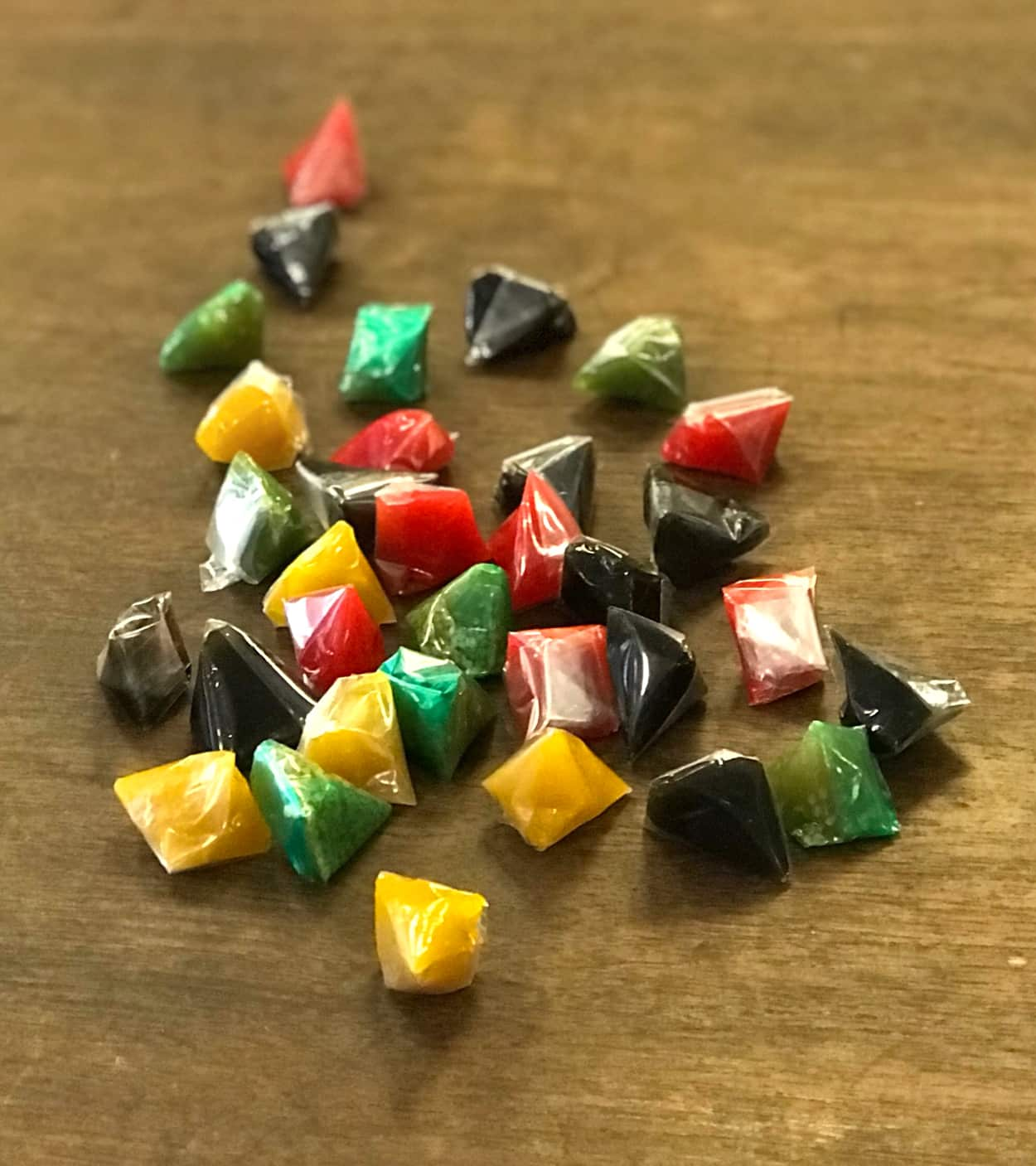
Songkran sweets are also used to pay respect. Throughout the festival, families spend mornings at temples for prayer or meditation, and offer food, including sweets, to monks for eating before their daily fast.

SBS Food is a 24/7 foodie channel for all Australians, with a focus on simple, authentic and everyday food inspiration from cultures everywhere. NSW stream only. Read more about SBS Food

Have a story or comment? Contact Us



