1. The secrets to tandoori chicken
In episode 5, airing 8pm Thursday February 4 on SBS.
Hint: there's a tandoor involved.
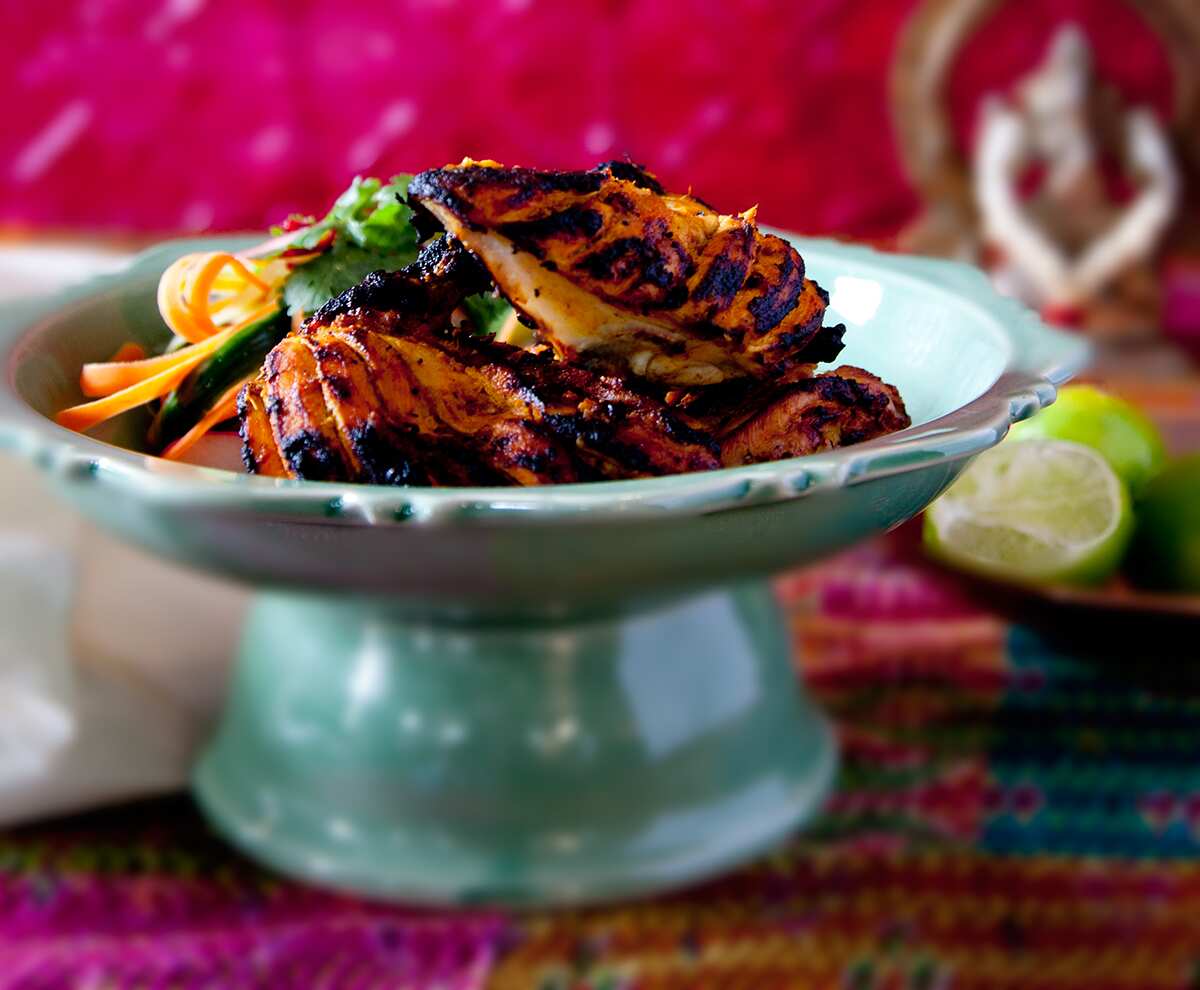
For amazing marinades, add yoghurt – the lactic acid tenderises meat beautifully. The formula for prepping meat for the tandoor goes as follows: skin, trim, slash, add vinegar, salt to season, wipe dry, then work in the yoghurt and spice mix. This method (which is popular in Indian and Middle Eastern cooking) delivers maximum flavour, while retaining the meat’s moist delicious texture in the intense heat. Kumar Mahadevan’s tandoori chicken is a recipe I’m using a lot.
The tandoor hasn’t changed in 4500 years. This beautiful cylindrical terracotta-walled oven was first used in Rajasthan in 2600 BC and its basic design has not changed since then. The heat, which comes from wood sitting in the base of the oven, is intense and cooks from all sides, so skewers of meat, seafood, poultry or vegetables come out perfectly. The opening at the top of the tandoor is where you can place a rack and cook dhal, grill fish or heat through any type of food, and the porous clay sides of the oven are perfect for cooking all sorts of flatbreads, including naan and roti.
Melbourne chef Adam D’Sylva says his two restaurant tandoors were the same price as an expensive food processor and deliver so much flavour. He shares his recipe for lamb kebabs in episode five.
2. How to make pumpkin spectacular
In episode 5, airing 8pm Thursday February 4 on SBS.
Because no one said Sunday roast had to be boring.
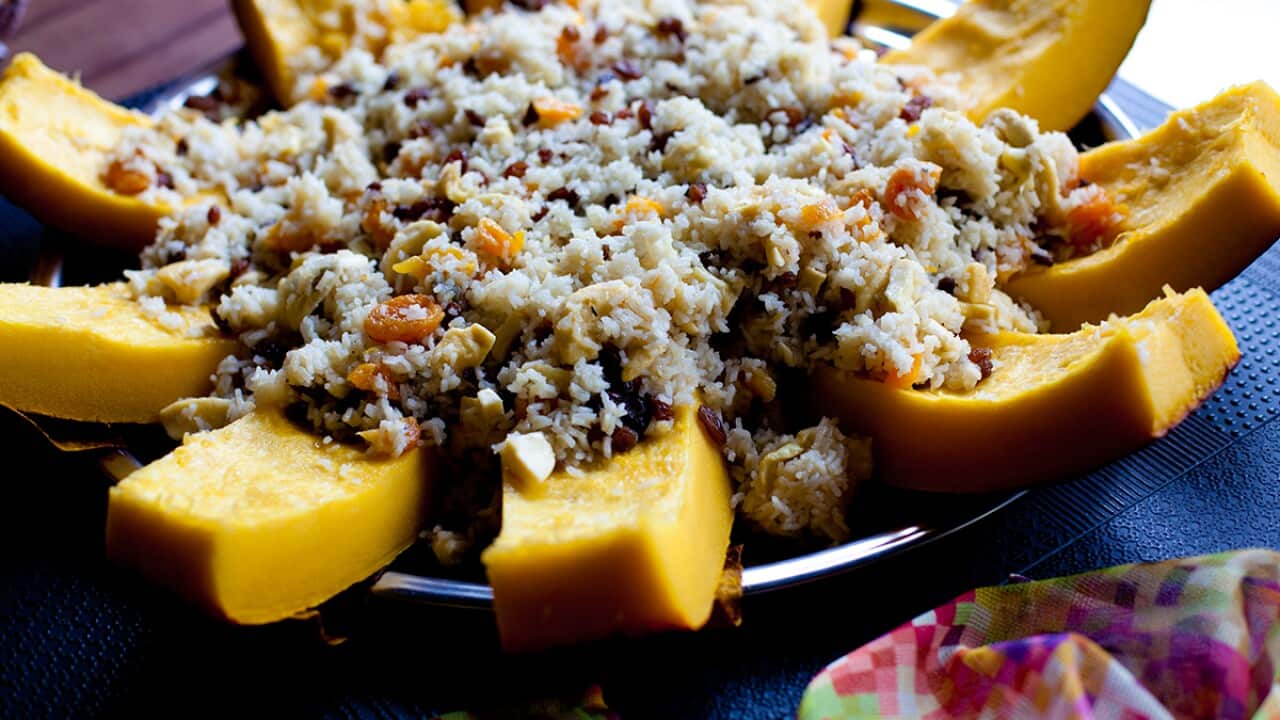
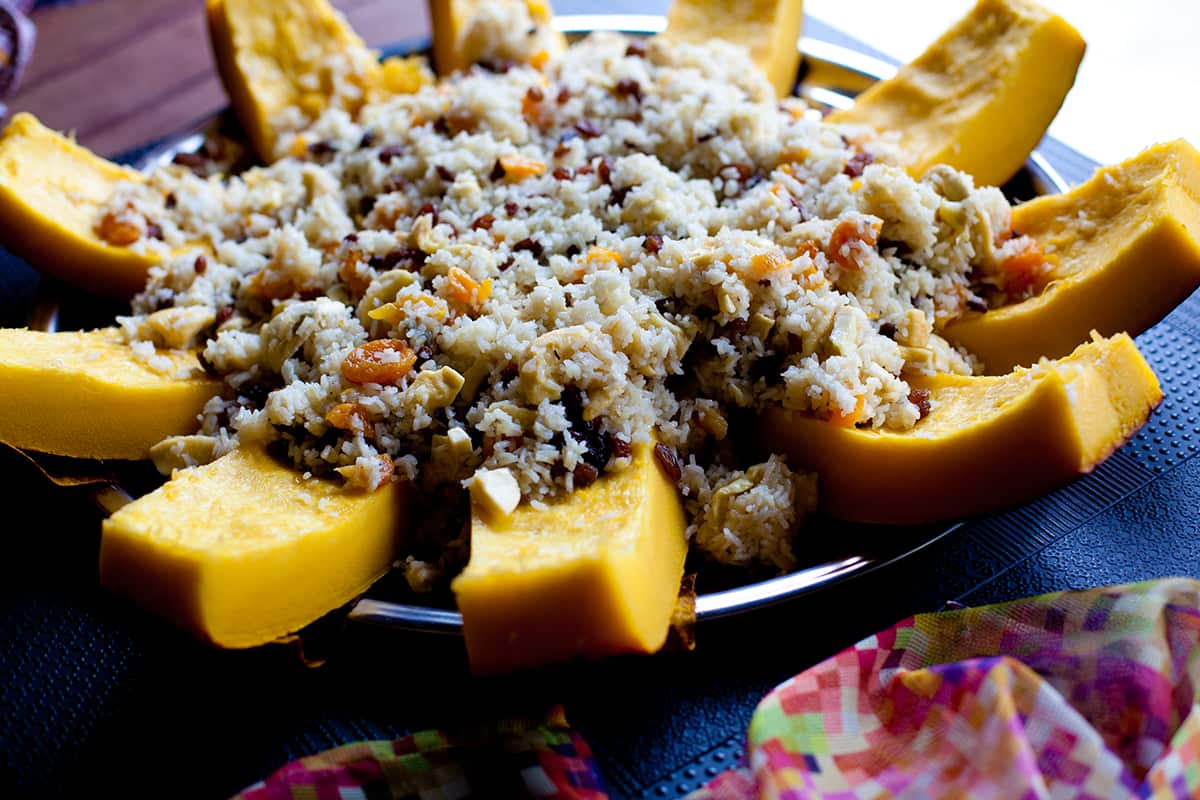
I learnt how to make ghapama from a delightful Armenian family, the Tcherkezians, who roast whole pumpkin filled with honey-sweetened rice and dried fruits to symbolise “a sweet life”. The dish is served at weddings and at New Year. I love the way the ghapama is served: the pumpkin is sliced down the sides into a flower shape. You could adapt this recipe for wood-fired ovens, too. The pride this family had in sharing their tradition was so strong – it was one of those moments when the Food Safari team felt very happy to be doing what we do!
3. The best ways to work a spit-roast
In episode 6, airing 8pm Thursday February 11 on SBS.
Your friends, family and neighbours will be incredibly impressed.
A tip for those spit-roasting at home: start your spit high above the coals and as the meat heats up, gradually lower. The meat cooks beautifully throughout and gives a delicious crackling. In the show, Pietro Porcu showed us Sardinian suckling pig is the perfect way to cater for a crowd.
Chef David Tsirekas is apprentice to his Dad George every year when they roast a whole Greek Easter lamb. We are blessed they shared their family recipe for the spice rub and basting liquid, as well as tips on preparing the lamb. The result is truly show-stopping!
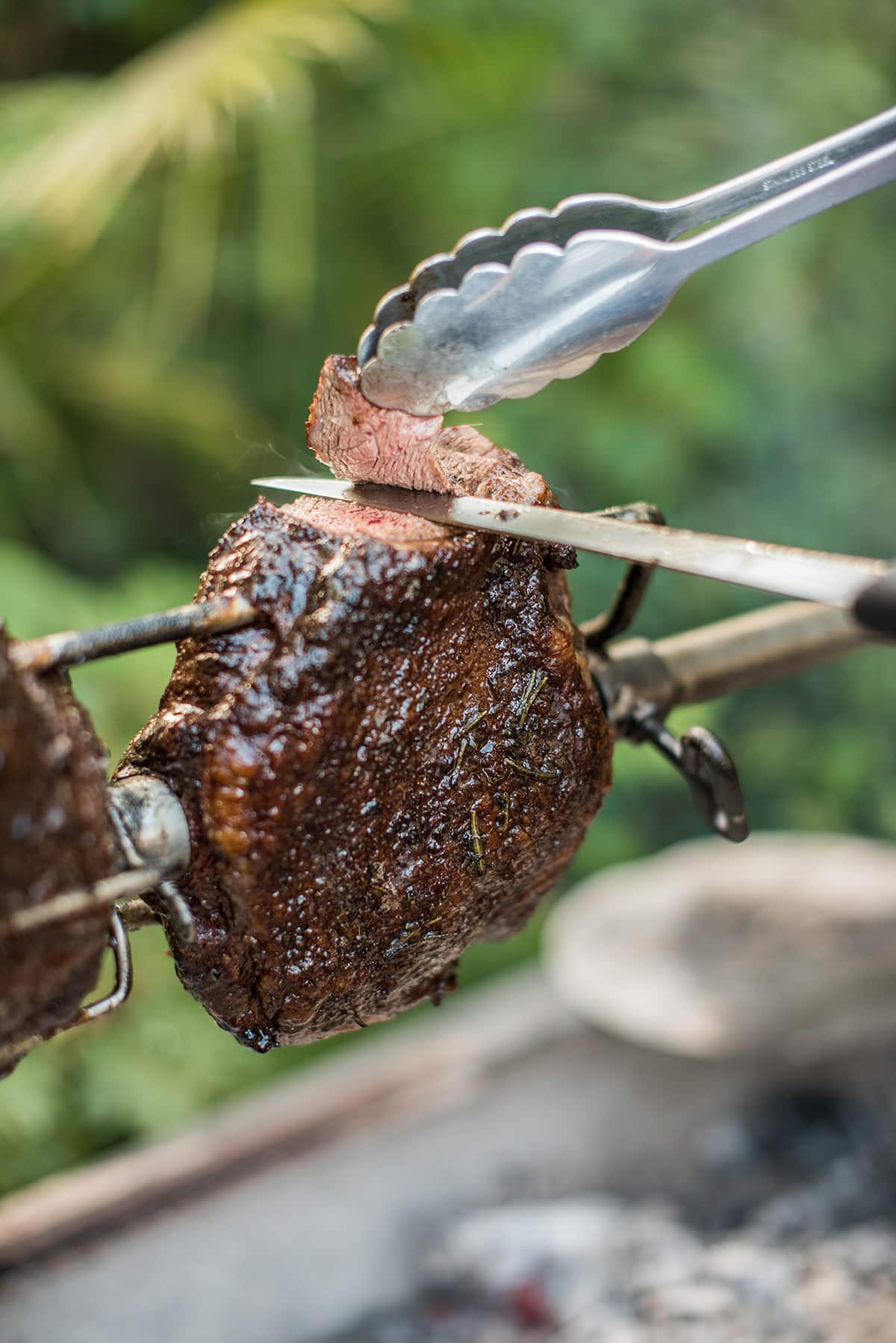
In Brazil, there's another kind of spit-roast: churrasco de picanha. Picanha (beef rump with a good layer of fat) is covered with plenty of rock salt to create a delicious crust. It’s an impressively meaty dish and I love that we can show a clever woman cooking it – my friend Patricia Nunes, who also appeared in the Brazilian episode of Food Safari. As the meat cooks over the fire, there is time to enjoy Brazil’s drink of choice – fresh lime juice caipirinhas!
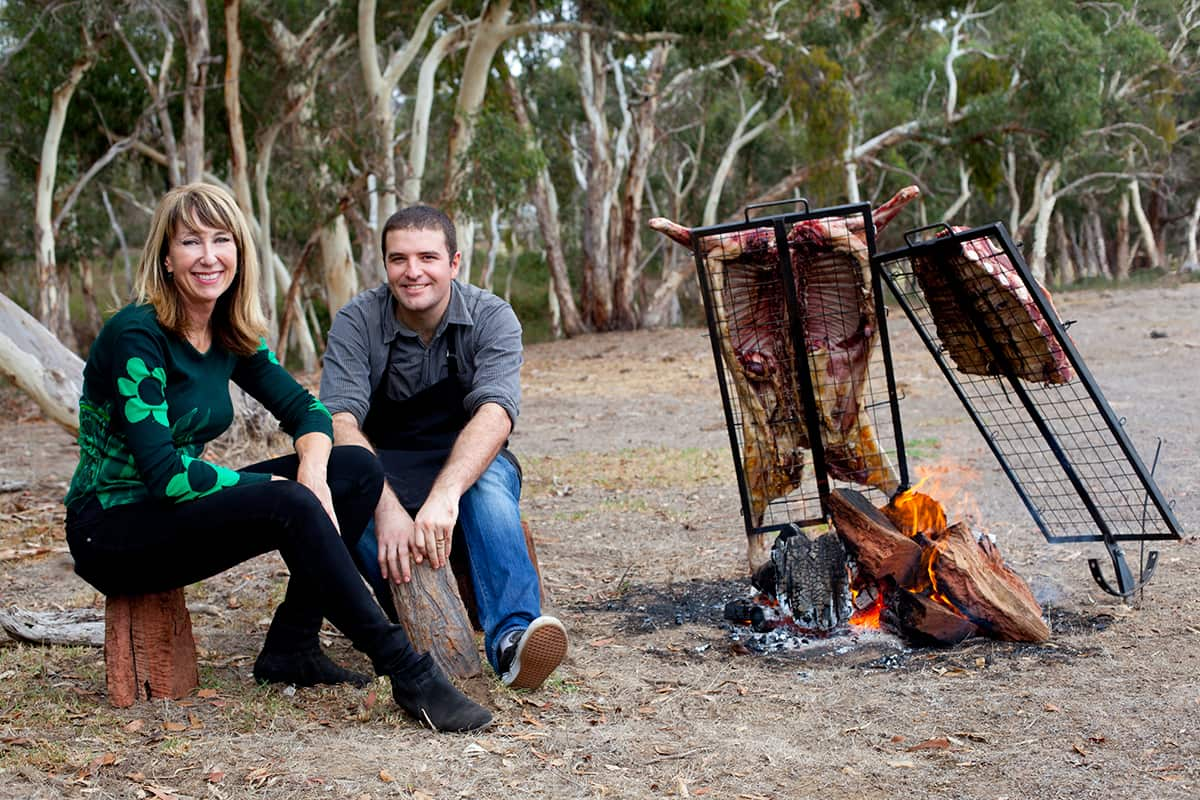
We’re starting to see the Argentinian a la cruz (on the cross) style of cooking in restaurants, with whole lambs or slabs of beef secured in a metal cross, angled over fire and left to cook slowly. It’s adapted from the traditional style of Argentinian outdoor cooking, which I got to experience first-hand in episode 6. Chef Nicholas Ariola took us to the Adelaide Hills where we enjoyed a day of cooking amongst the gum trees. It’s a pleasure eating exotic food in an Aussie setting and we tasted the asado a lacruzas as the sun set with the sounds of magpies chirping.
4. Family recipes from the heart
In episode 7, airing 8pm Thursday February 18 on SBS.
Paella isn't the only pan to get excited about in the kitchen.
The man known as the godfather of modern Australian cooking, Cheong Liew, got the sound recordist’s vote for best dish in the series with his claypot rice with chicken, lily bud and Chinese mushrooms. Cheong told us he now exclusively uses claypots for cooking at home and always tries to cook over charcoal, as is the practice in his homeland Malaysia. He said: “The flame and the smokiness from the charcoal goes into the flavour of the rice [and] the ingredients you’re cooking.” Another bonus? “You get a lovely crust on the bottom of the rice.” These claypots are unglazed on the outside and glazed on the inside and cost next to nothing in Asian stores.
Food Safari isn’t just about recipes; it’s about families and tradition. We witnessed this first-hand filming episode 7, as Australia’s top Spanish chef Frank Camorra cooked over charcoal with his mum and dad, their friends, as well as Frank’s wife and sons. It was a snapshot of where Australian cooking is today. The Camorra clan prepared chicken, pork and seafood perol, which is wetter than the much-loved paella and cooked in a deeper pan.
5. A new take on seafood
In episode 8, airing 8pm Thursday February 25 on SBS.
Why should cabbage have all the fermenting fun?
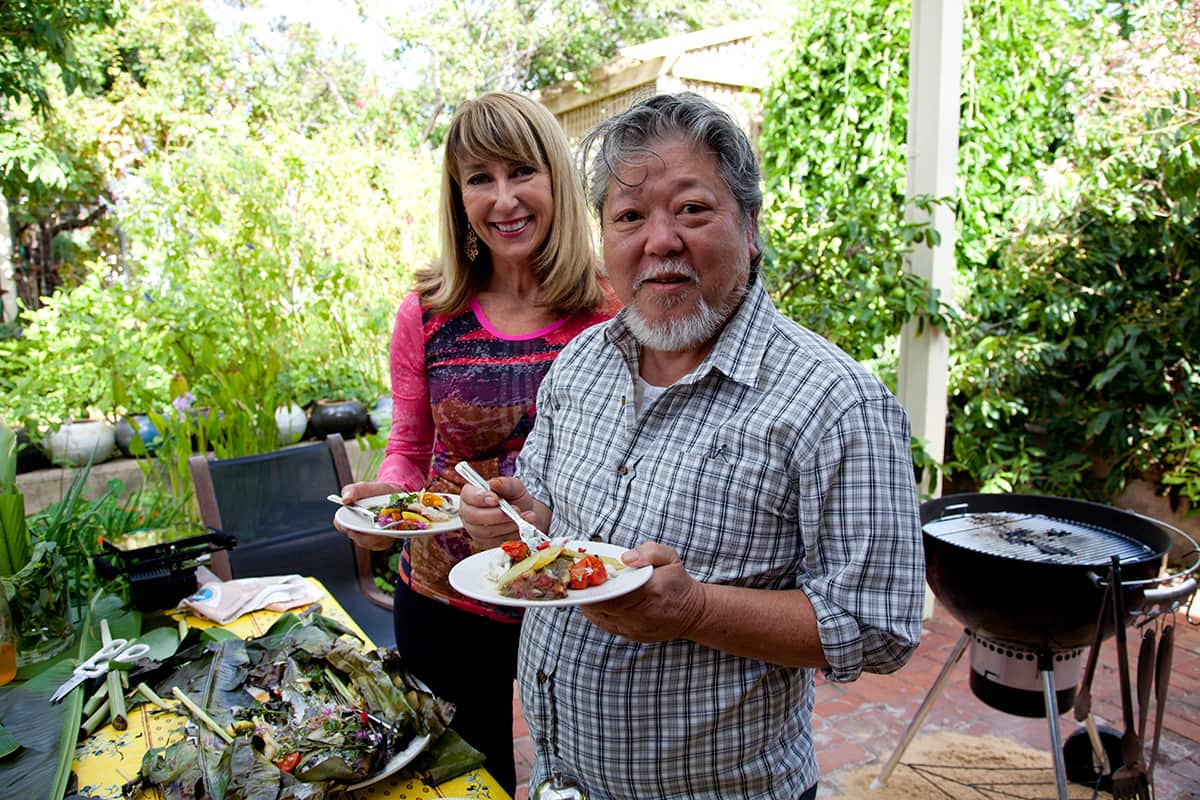
Japanese chef Keita Abe uses koji (fermented rice) in the marinade to give seafood a unique flavour. He cooked John Dory over a high grade charcoal and served it with another ingredient I’ve never seen before – a mildly salty chunky miso paste called moromi. It was delicious and so well-balanced! In case you’re wondering, koji rice can be bought from Asian grocers and stored in an airtight container for two weeks.
6. Smokin' hot flavours
In episode 9, airing 8pm Thursday February 25 on SBS.
When it comes to smoking, not all woods are born the same.
Stan Soroka draws on his Polish background to smoke all types of fish at his Eden Smokehouse on the NSW South Coast. He likes European oak wood chips and uses just a heaped tablespoon to smoke a side of kingfish on a portable fish smoke which you can buy at camping stores for around $50. The result is beautifully moist and slightly smoky fish – great with a salad and rye bread.
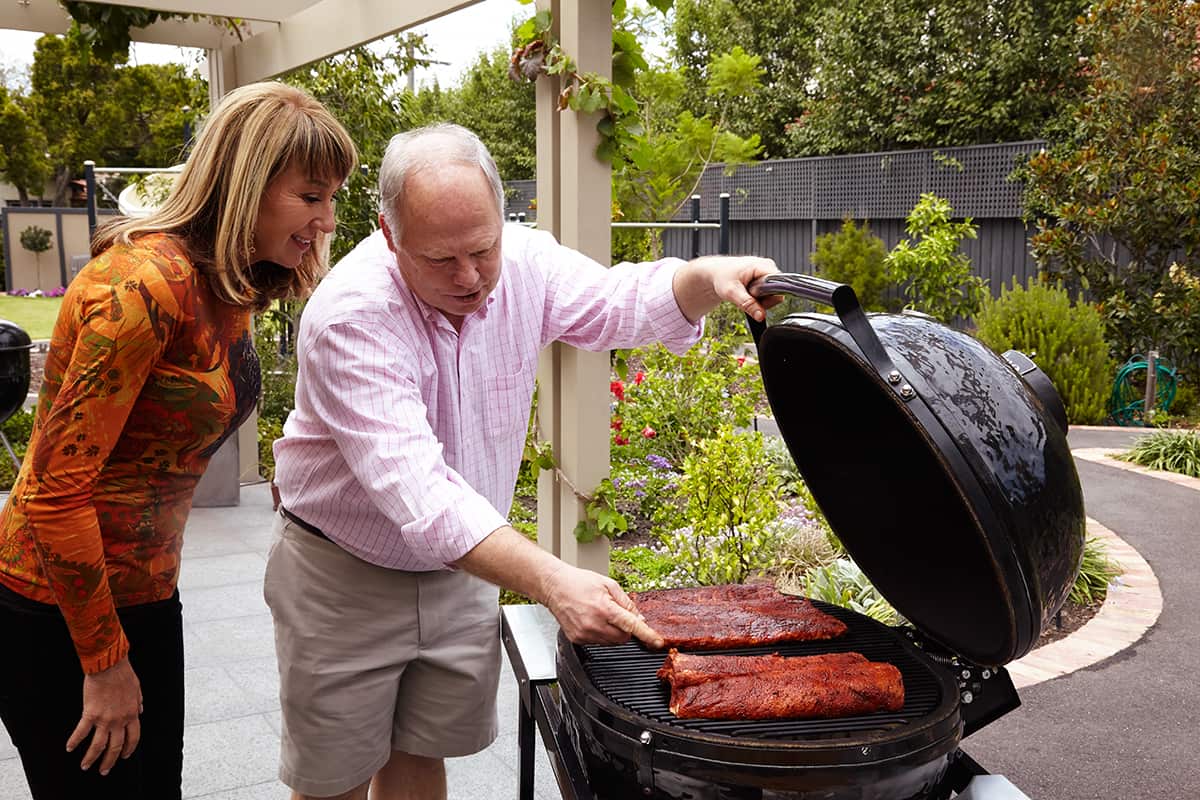
Smoking is the Holy Grail of outdoor barbecue. We’re seeing a barbecue revolution Down Under, with America’s "low and slow” style of cooking gaining a cult following. Why? The process makes secondary cuts of meat unctuous and extraordinary. It can be done in a Weber or in a special offset smoker and the results are worth the effort (you need to keep the fire stoked and at just the right temperature to do its magic). Keen backyard cooks say this style of cooking is the Holy Grail of outdoor cooking. But a warning for the uninitiated: brilliant beef brisket can take years to perfect!
Sometimes the best barbecues are the ones built at home. The galvanised steel drum is a brilliant vessel for building a barbecue. Hardy and readily available, it can be adapted to feature hinges (so it can be opened horizontally) and a grill to sit in the middle. Chef Damion Brown uses his customised steel drum to make the national dish of Jamaica jerk – marinated pork or chicken cooked slowly over charcoal.

SBS Food is a 24/7 foodie channel for all Australians, with a focus on simple, authentic and everyday food inspiration from cultures everywhere. NSW stream only. Read more about SBS Food

Have a story or comment? Contact Us