Few things can cause as much outrage as overcooking a steak. Or pouring half a day into baking a cake only to see it fall flat before it hits the table. It’s easier to blame the recipe, or the phone call or child that stole your attention, but Ben Milbourne thinks there’s a more basic culprit at hand: lack of scientific awareness. It’s the inspiration for season two of his Food Lab series (from 20 November on Food Network); Milbourne's upping our ante in the kitchen by putting food under the microscope.
“Knowledge is power, so the more you understand the reasons about why you do something, the better,” Milbourne says. “For example, a lot of people will always tell you to rest your meat after cooking it, but for heaps of people in kitchens all around Australia, they don’t really understand the importance of that and may not do it. But once it’s explained to you that a protein has three phases - a primary phase, a secondary phase and a tertiary phase - they’re more likely to do it.”
Adding a stress like heat to a protein helps it unravel into a straight line, the MasterChef Australia alumni explains. Then taking that heat stress away helps it recoil and drags moisture back in, resulting in a juicier piece of meat that doesn't bleed as much when cut.
“Once people understand that, I think people would rest their meat more.”
Milbourne, who spent eight years teaching physics to high school students, is drawing on his science background and experience in the kitchen to unpack the science behind what happens when we cook.
“If you can have a general understanding of the scientific world and why ingredients react how they do under certain conditions, pressure or heat, then you’re better equipped in the kitchen,” he says.
For the Tasmanian chef and cookbook author, a love of food was cemented much earlier than his appearance on season four of MasterChef Australia.
“I really connected with food through my grandmother - she was a fantastic cook like a lot of grandmothers are. One of the things we would always do at Nan’s place is go to the cookie jar first and see what had been baked – she was always in the kitchen baking. Whenever I did spend time with Nan it was normally standing next to her watching her bake a cake or learning how to bake a certain biscuit. Nothing was measured – it was always 'add a little bit of this and a little bit of that and it’ll all come together in the end'. So that was my first real experience of how food and love and family connects.”

Throughout the new season of Food Lab, Milbourne calls on nutritional scientists, anthropologists and a range of guests from the University of Queensland to delve into the scientific and cultural meaning behind the foods we eat. With stunning sets flitting between Milbourne’s home kitchen in Tassie to other beautiful locations around the Island State, Food Lab is for anyone with an interest in cooking, science or culture – it even makes chemistry palatable enough for kids to digest.
“I now love cooking with my kids and that’s one of the ways we bond. My daughter cooks with me every night and looks forward to it; she’ll sit up on the bench with me and we’ll go through what we’re having for dinner. She even tells me now if she thinks that the food is under-seasoned or if it needs more lemon juice.
“It just brings extra people into the cooking process for me, which is fantastic,” Milbourne says.
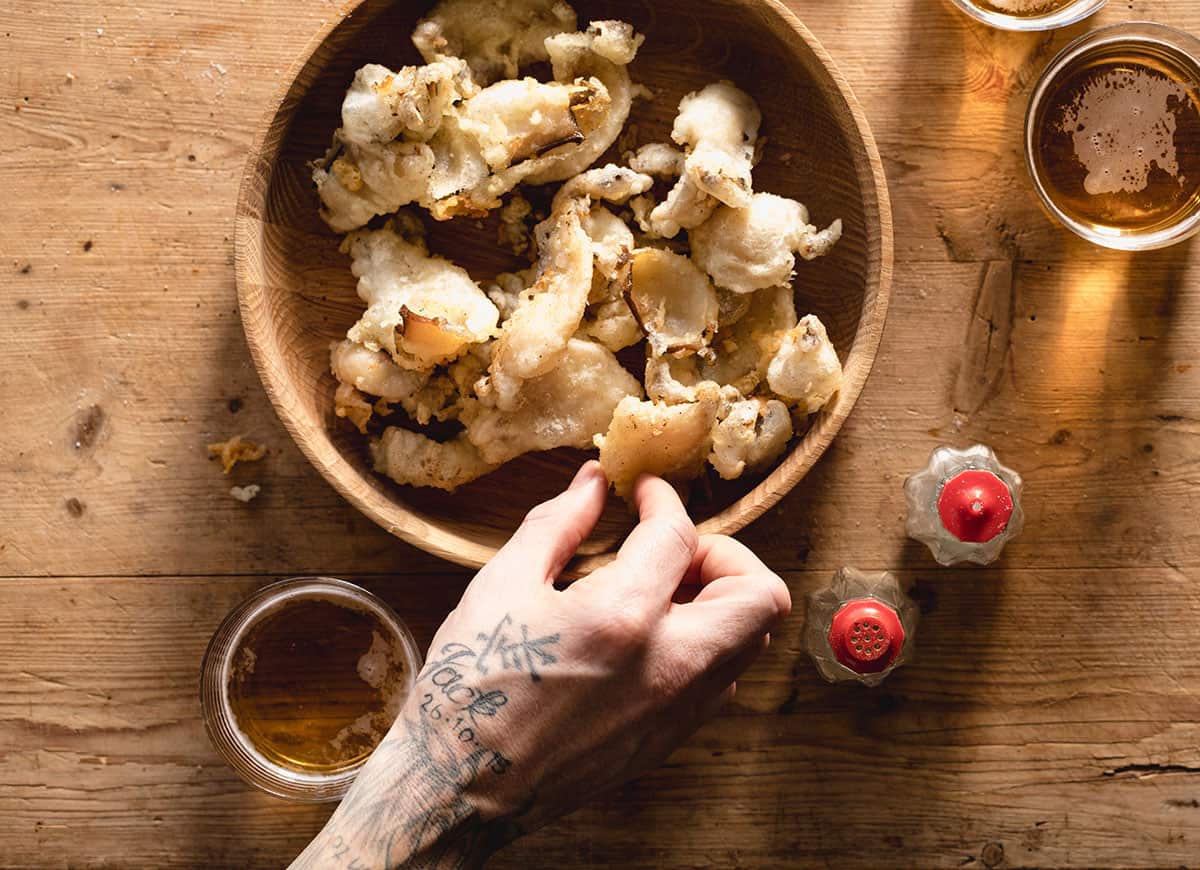
Whether you want to make a better emulsion, a creamier mayonnaise or nail the perfect tempura batter, Milbourne will guide you through the most common kitchen conundrums over 13 weeks.
“Learning science can make you a better cook and learning how to cook can make you a better scientist. I just want to open people’s eyes up and start a conversation around Australia on the importance of science and how it plays a role in our day-to-day lives.”
Food Lab by Ben Milbourne airs 6pm weeknights on Food Network, starting November 20.

SBS Food is a 24/7 foodie channel for all Australians, with a focus on simple, authentic and everyday food inspiration from cultures everywhere. NSW stream only. Read more about SBS Food

Have a story or comment? Contact Us