Will taxing meat products based on their carbon footprint reduce greenhouse gas (GHG) emissions and improve public health? The answer is maybe, but not notably - and it will come with significant costs.
A recent study in the journal Nature Climate Change advocates applying taxes to the consumption of meat as a means of lowering GHG emissions.
The idea is that if meat is more expensive, consumers will buy less of it. In turn, when faced with reduced consumption, farmers will produce less cattle.
Not all meat production produces the same volume of emissions. Since cows produce a lot of methane (a greenhouse gas), fewer cows should mean less methane, which in turn should help lower GHG emissions. Pigs and chickens don’t spew methane the way cows do, but there are also the emissions associated with feeding them, as well as with the decomposition of manure.
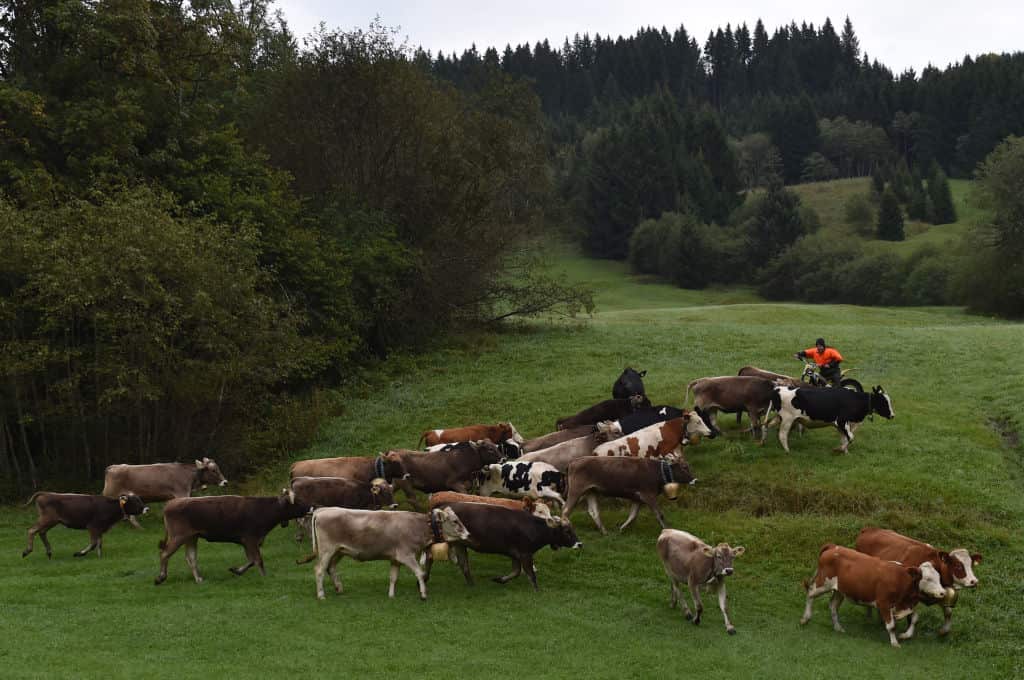
While it’s clear we need to proactively reduce GHG emissions globally, we believe the emissions tax approach is unlikely to achieve success.
It will likely increase food prices for consumers and decrease the prices farmers charge for their products, but it’s unlikely to lower meat consumption significantly and therefore unlikely to lower GHG emissions from the livestock sector. There may be other detrimental impacts to taxation, too.
Price hikes don’t usually curb consumption
Food consumption is not as strongly linked to price as one might think. Changes in consumption of food are typically much smaller than changes in the price consumers face in the grocery store. This is a phenomenon that has been recognised and measured for decades.
We would need to implement huge taxes to achieve a small decrease in consumption. As an example, the study in the Nature Climate Change journal suggests a 40 per cent tax on beef would only reduce beef consumption by 15 per cent.
Because taxes on food at the retail level tend to raise the prices paid by consumers, it’s also worth noting that any increase in the price of meat would tend to affect low-income consumers more than more affluent consumers. Low-income consumers would pay relatively more than the rich.
We also need to consider substitution effects. While a high tax on beef and other meats will lower beef consumption somewhat, it may also lead to economising by consumers through increased consumption of lower quality or more highly processed cuts of meat.
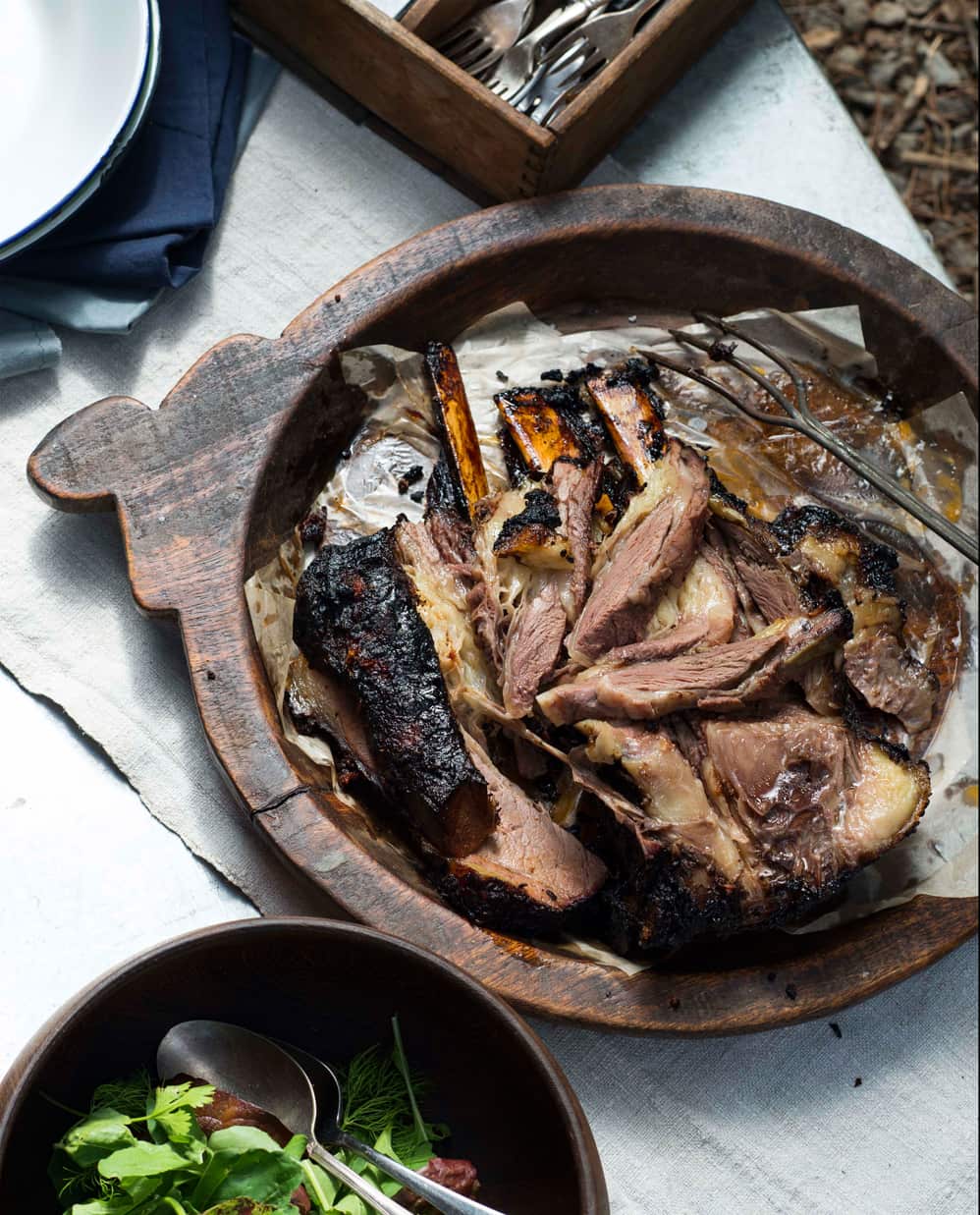
This could actually increase the relative prices of these cuts, making the negative impact of the tax on lower-income consumers even stronger, and would undermine some of the suggested health benefits.
It’s worth noting that beef consumption is generally falling in Canada and the U.S., independent of price. Other factors are likely to be more effective at reducing beef consumption than taxation.
All cattle are not raised equally
It’s also important to recognise that different types of cattle production create different volumes of emissions.
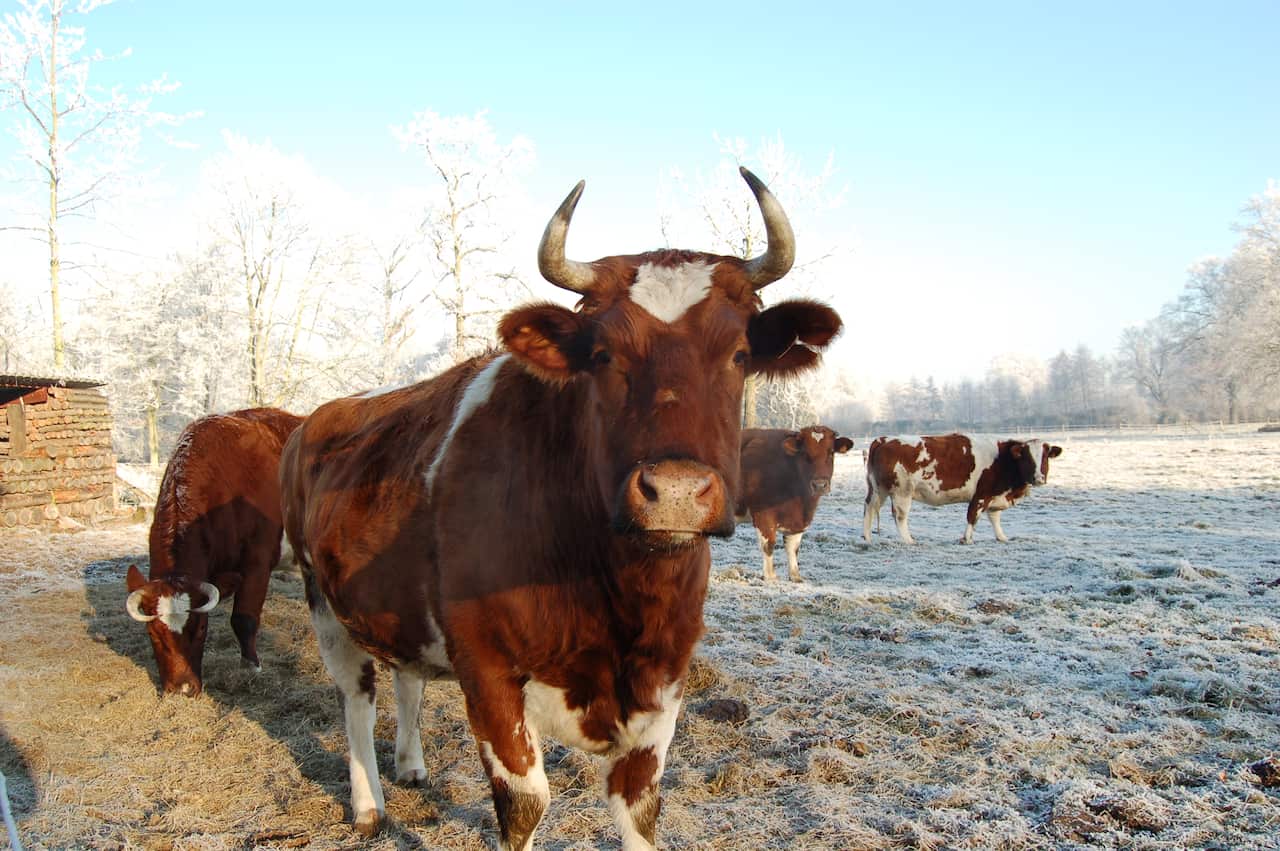
There is a suggestion that any tax on meat should reflect the production system. Those that raise cattle on grasslands or in pastures, for example, would have lower taxes than cattle raised using intensive production systems, like those used throughout North America, which create higher emissions.
While cattle in North America spend their early life on pasture, most beef cattle are finished in feedlots where they are grouped and fed high-energy grain rations to efficiently produce the preferred texture and taste of beef.
The study in the Nature Climate Change journal suggests a 40 per cent tax on beef would only reduce beef consumption by 15 per cent.
A tax based on how cattle are raised, however, would be both politically and logistically difficult.
If grassland and pasture rearing of cattle is favoured because of lower GHG emissions, we could see significant deforestation in those countries that produce beef extensively, but not a substantial reduction in consumption as desired.
We could end up in a situation where many differences in production practices, even within countries, create different emissions estimates and therefore cattle producers would seek different tax levels.
Unintended consequences
There’s also a risk that a meat tax would reduce the incentive to initiate research and development that could help cut emissions within the sector.
Examples of such R&D include efforts to improve the feed efficiency in cattle production. At the farm level, feeding more cattle on a forage-heavy pasture diet could increase the costs of producing cattle and change the characteristics of the beef while eroding the incentive to adopt climate-friendlier production practices.
It’s worth noting that the United Nations Food and Agriculture Organization has said that emissions could be reduced by 30 per cent today if current best practices were broadly implemented. This is beyond the impact of a 40 per cent tax. The incentive to adopt these best practices would be removed by the implementation of a tax.
Progress can be made
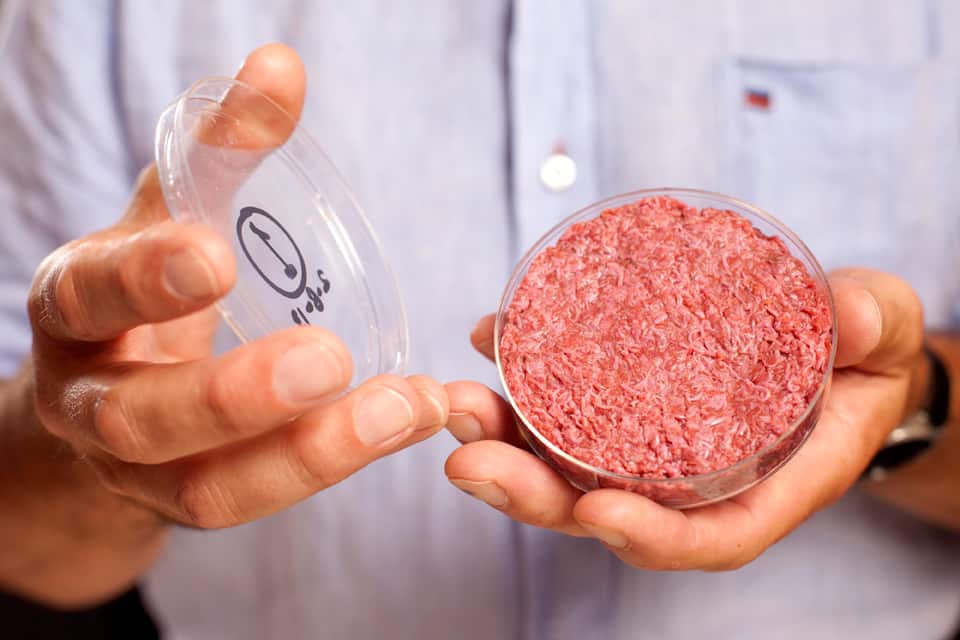
As experts in food and agriculture economics, we agree that reduced GHG emissions are important for the future of humanity. We also believe that we are likely to substitute plant or insect proteins or cultured meats for traditional meat products over time.
Even if it were possible to get broad-based agreement for a global (or even just a Canadian) tax on meat, however, it is important to look not only at whether these efforts would reduce GHGs, but also at the unintended consequences of these efforts.

In the case of the proposed meat tax, it is not only unlikely to achieve the intended outcome, it is equally likely to create a spate of unintended consequences that would negatively affect not just cattle producers, but also consumers.
Michael von Massow, Associate Professor, Food Economics, University of Guelph and John Cranfield, Professor of Agricultural Economics, University of Guelph
This article was originally published on The Conversation. Read the original article.

SBS Food is a 24/7 foodie channel for all Australians, with a focus on simple, authentic and everyday food inspiration from cultures everywhere. NSW stream only. Read more about SBS Food

Have a story or comment? Contact Us