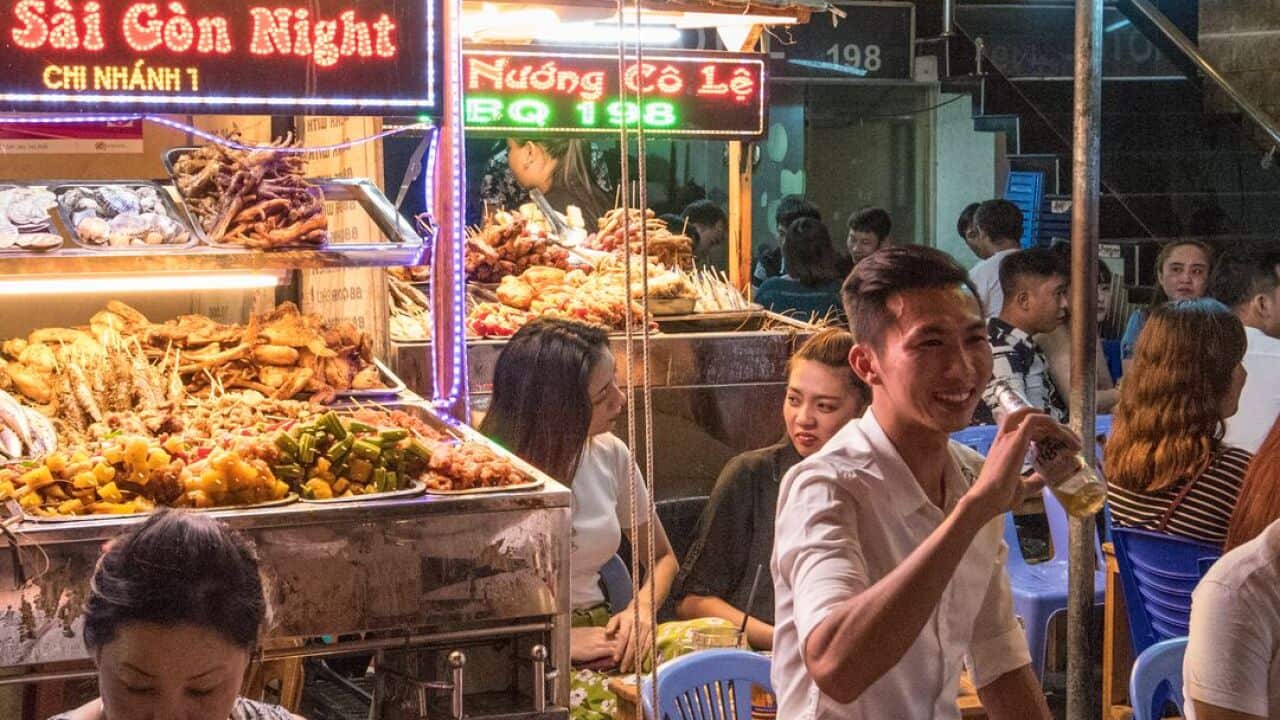
I’m standing at a street corner in Hanoi’s picturesque Old Quarter, surrounded by ageing French colonial-style buildings, as Vietnam’s infamously relentless procession of motorbikes zip past pedestrians – locals blithely unconcerned, and tourists clearly with their hearts in their mouths – and I bite into a mouthful of chewy, delicately sweet deliciousness. I have just tried bánh rán, a honey-soaked rice flour ball filled with mung bean paste, and it’s the second stop on my street food tour.
I’ve already noticed a deep and widespread love for food here. Everywhere you turn, people are spilling out of innumerable roadside stalls, cafes and restaurants of all shapes and sizes, heady aromas of barbecued meat, fresh vegetables and herbs wafting around… it doesn’t matter what time of day (or night), you are never too far from people eating and drinking around the city streets.
Vietnamese has - rightfully - garnered cult status around the world as one of the most flavourful, fresh cuisines around. A predominantly agrarian culture, coupled with many different culinary influences the country has integrated – from Chinese to French and American – has led to a style of food that is flavour-forward, herbaceous, and balanced.
In fact, balance is a philosophical element in Vietnamese culture, in part thanks to the enduring and profound influence of neighbouring China dating back centuries. The Confucian and Taoian principles of yin and yang are adhered to in cooking – pairing cooling and warming foods, integrating textural contrasts, and maintaining a beautiful symmetry between salty, sweet, sour and spicy.
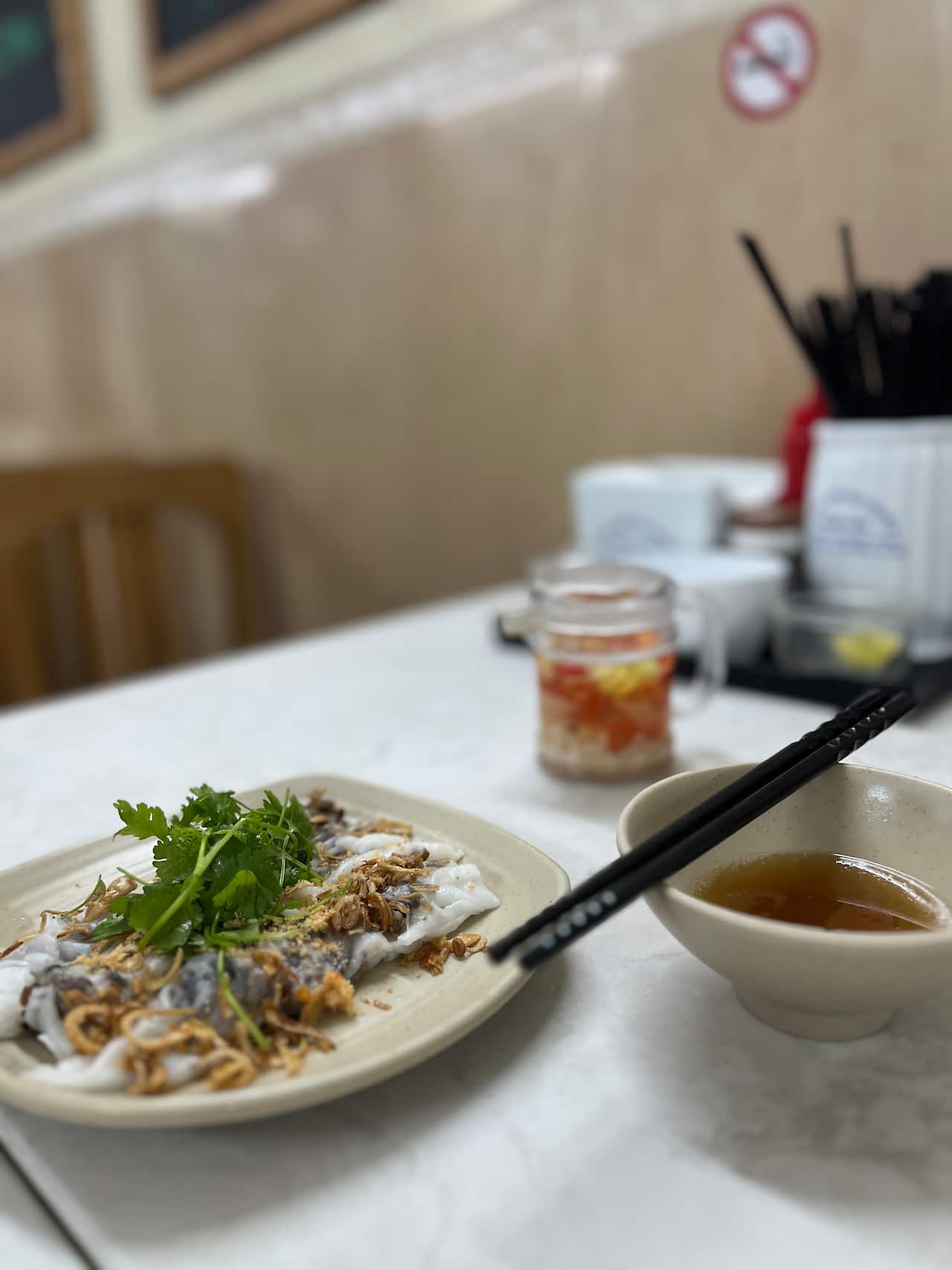
This balance is perfectly displayed in the bánh cuốn – rice paper rolls, but not as you know it – we sample on the next stop on our tour with Intrepid Travel. These are freshly steamed rice paper wraps, served with fillings of pork and mushrooms, plus condiments, that you DIY to taste. Of course, best eaten dipped in the ubiquitous nước chấm – the Vietnamese dipping sauce that perhaps embodies said balance like nothing else.
Then comes the Obama and Bourdain-famous bun cha – a noodle soup that is once again served in deconstructed fashion, with succulent pork patties and grilled pork belly, fresh salad leaves and herbs, and rice noodles, all of which go into a light yet deeply flavoured broth. It is enough to convert any pho lover.
While the two famous Americans may have washed down their soup with fresh ‘bia’ on TV, my tour mates and I enjoy our fresh Vietnamese beers – typically brewed only three days prior – in another street corner, sitting on those impossibly low plastic stools, people watching and shooting the breeze.
Vietnam’s coffee culture
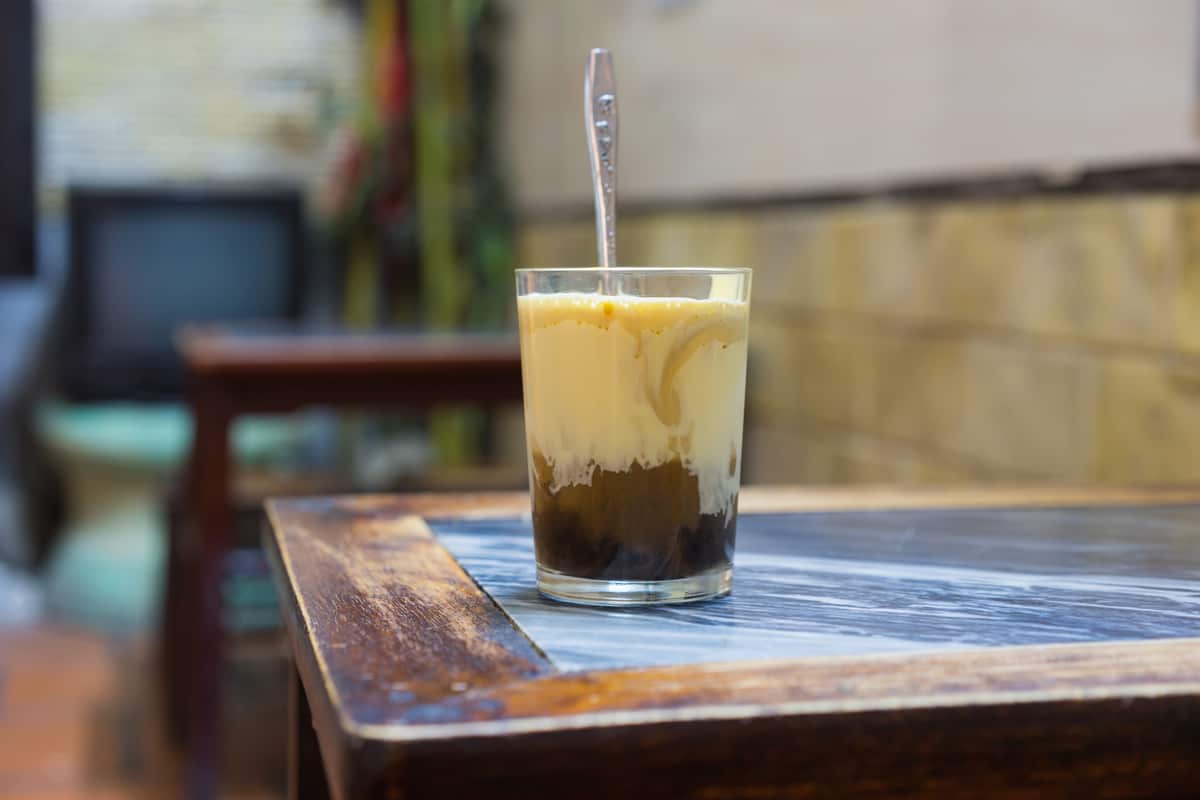
Hanoi is also the birthplace of Vietnam’s famous egg coffee – another example of culinary influence (the French brought their love of coffee) married with inventiveness borne out of necessity. At Hanoi’s legendary Sofitel Metropole Hotel, a luxury hotel that has been the custodian of much of the city’s history since 1901, a bartender improvised by mixing egg yolks with condensed milk to make up for milk shortages during the First IndoChina war in 1946.
Culinary inventiveness also makes an appearance in Vietnam’s burgeoning cocktail culture. In Hanoi’s moody Nê Cocktail Bar (a regular on the World’s 50 Best Bars list), the pho cocktail was invented – and yet again, defying expectations, a cocktail inspired by a beef broth noodle soup tastes delicious and… yes, balanced. Unsurprisingly, coffee cocktails are also popular.
I try my first egg coffee at Pho Co, a charming, leafy cafe in a former residential building tucked away speakeasy-style, behind a shopfront, taking in views of Hoan Kiem lake from the rooftop. The coffee is surprisingly enjoyable, and not too eggy.
But perhaps my favourite type of Vietnamese coffee, of the many many iterations here, is coconut coffee - the dark, rich coffee complemented by the smooth sweetness of coconut milk is unexpectedly perfect.
With coffee being something of a national obsession here – Vietnam is also the world’s second largest exporter of coffee – there are innumerable cafes lining the streets of every city. Many of them feature chairs placed side-by-side facing outwards, similar to Parisian bistros, in yet another illustration of the influence of French culture.
It isn’t all fusion however – classical French cuisine is still revered in some quarters. At Hanoi’s Michelin-rated Le Beaulieu restaurant, dishes like lobster bisque, sole meuniere and crêpes Suzette are served with plenty of flourish and ceremony, in an opulent, refined setting.
The diversity of Vietnamese cuisine
As I travel southwards from the capital city, the landscape changes, as does the food, with subtle variations between north, central and south Vietnam. In keeping with regional topography and climate, historic northern Vietnam sees subtler flavours; central Vietnam is more bold and spicy; while food in southern Vietnam skews sweeter.
Size and shape also vary in dishes that are popular all over the country.
Take bánh xèo - a delicious stuffed ‘sizzling’ rice crepe which originated in central Vietnam, home to picture-perfect UNESCO heritage-listed Hoi An. Here, bánh xèo is smaller than its southern counterpart, stuffed with pork and shrimp, hyper-local vegetables and herbs, and a peanut-based dipping sauce.
This lush region, carpeted in jade coloured rice paddies, has turned into something of a culinary hub, with numerous cooking classes on offer, as well as the nearby ‘vegetable village’ Tra Que – here organic farming has been practiced in the same traditional manner for centuries. Farm tours where you get to get your hands dirty tilling, raking and sowing are available.
The south is widely known as Vietnam’s food bowl, thanks to the fertile Mekong delta. Influences from China and India are also more apparent in the food here – whether it’s the prevalence of dumplings and hoisin sauce, or the claypot fish curries - often made with local river fish such as snakehead – which use spices like turmeric.
Bánh mì for days
Saigon, or Ho Chi Minh city is also known as the birthplace of the bánh mì - which needs no introduction, of course. While you’re never too far from a good baguette sandwich anywhere in Vietnam, the sheer number of street stall choices can be overwhelming so it is a good idea to rely on a tour guide.
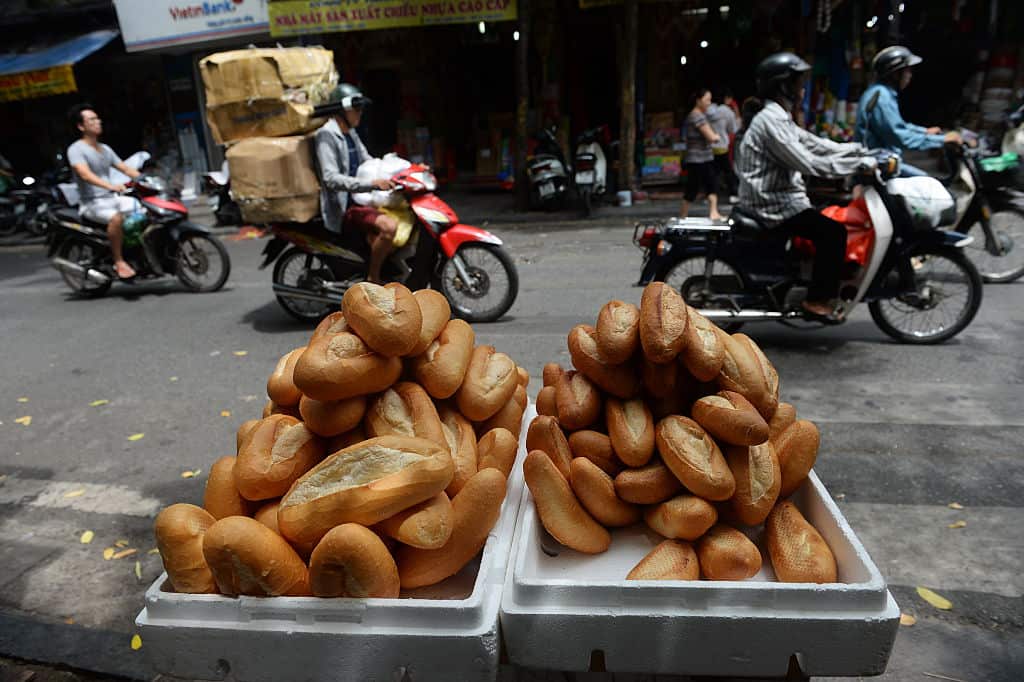
Mine led me to Lo Banh Mi Ngoc Chau in bustling District 1, a working bakery where rack after rack of fresh baguettes were being packed up for delivery around the city, even as the lady at the cart by the door expertly constructed one perfect sandwich after another, with pork or chicken filling and the usual accoutrements (tempting enough to make me cheat on my gluten-free diet for a day!).
From familiar flavours to new and unexpected dishes, I feel like I have only scratched the surface of the dizzying array of taste sensations Vietnam offers, although I have done the highlights reel of the country travelling from Hanoi to Hoi An to Ho Chi Minh City on this tour. But with each bite, I have tasted a chequered history – that has turned darkness and tragedy into a positive – a resilience and creativity that is rare. And I’ve bookmarked a few dishes I’ll be seeking out the next time I visit one of Australia’s many great Vietnamese restaurants.
The writer travelled through Vietnam as a guest of Intrepid Travel.

SBS Food is a 24/7 foodie channel for all Australians, with a focus on simple, authentic and everyday food inspiration from cultures everywhere. NSW stream only. Read more about SBS Food

Have a story or comment? Contact Us