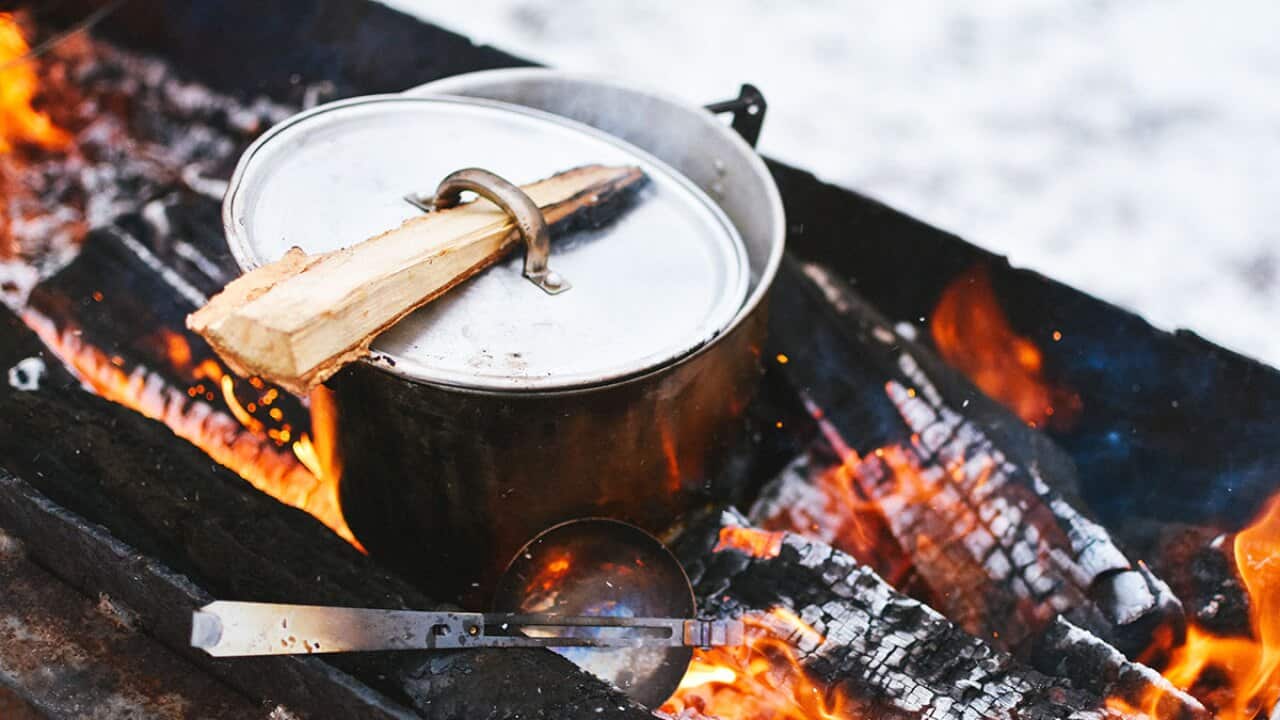
Picture this: It’s a brisk and cloudless afternoon. After bagging a peak, you hike back to camp and crack open some cold ones to celebrate another summit. Your friends come back with foraged firewood in their arms, and you season the steaks while they add logs to the fire pit. Hiking boots get swapped for sneakers, laughter echoes through the air. Salty snacks make their way around the group as stomachs start to grumble. An orange moon appears above the trees just as everyone settles into a chair around the fire. You watch the flames leap and snap as the first steak lands on the grill with a satisfying hiss.
Or imagine pulling up to the lake where you’ve been camping every summer since you were a kid. Now, you’re bringing your own kids there. After delegating responsibilities of pitching the tent, setting the table, and gathering kindling for the fire, you prop your chair at the water’s edge, sit back, and wait for trout to tug on the line. In the distance you see the kids setting up a slackline and the dog snoozing in the grass. Dragonflies skip across the lake to the soundtrack of songbirds in the trees. At twilight you’re called back to camp, where a crackling fire and hungry family awaits your fresh catch of the day.
Whether hiking with friends or camping with family, I’ve found there’s a lot to love about cooking at camp. The thrill of being in the wild can only be topped with a homemade meal, even when you’re a hundred miles from home.
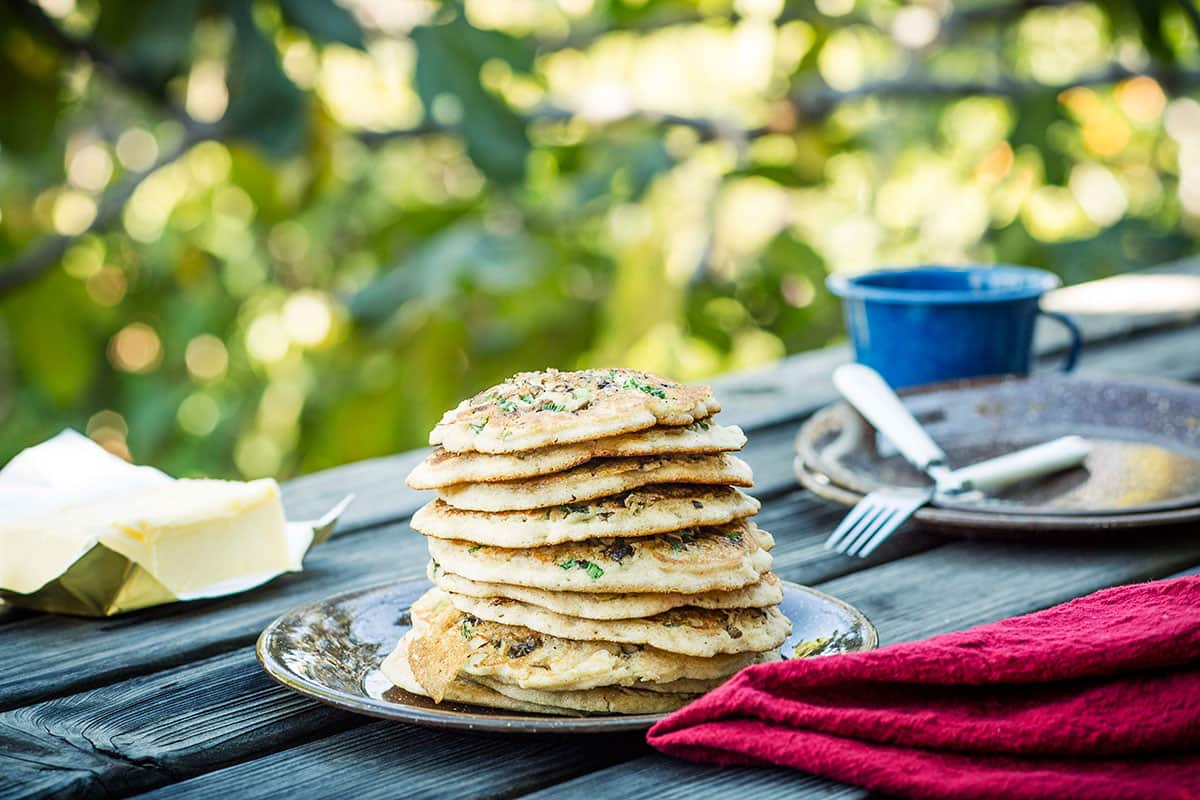
A stack of pancakes with lashings of butter is even better in the fresh air.
As soon as my favorite mountain campsites open for the season, I start looking forward to my first meal in the woods. Over the years, I’ve come to find that cooking in the elements and with the elements (of earth, fire, wind, water, and metal — everything you need for an alfresco meal) is almost meditative.
Yes, cooking at camp takes longer than cooking at home. You have to start your stove or get the fire going, dialing the heat or piling the coals to just the right amount you need. You probably have to unpack a bit — and if you’re like me, you go further, arranging your tools on the table and organising any bins so they’re within easy reach. Yet I see all this “work” as a good thing. Cooking outside forces you to slow down, take things in stride, and be more aware of where you are and what you’re doing. After all, the weather and views will be as much a part of your meal as the ingredients.
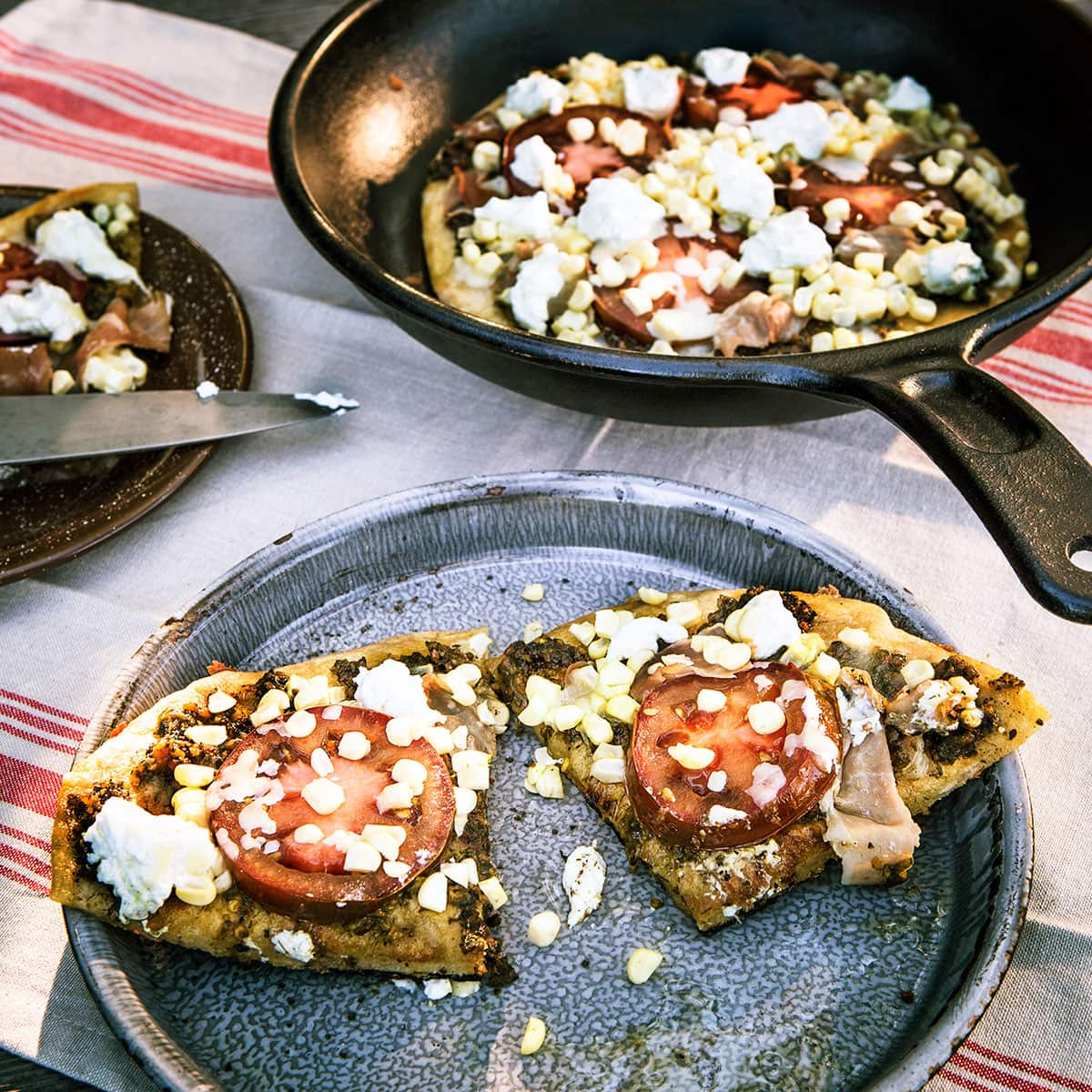
If your last memory of campfire cooking was a burnt sausage on a cold bun, think again - how about skillet pizza?
There’s also the indescribable: there’s no arguing that there’s something magical about cooking outside that makes food taste so much better. Maybe it’s the woodsy perfume from a smoky grill or the sharpened appetites after an accomplished day of adventure. Maybe it’s the simple fact that fresh ingredients don’t need much in the way of preparation. Their flavors and textures are allowed to shine through in dishes that seldom demand a lot of effort to put together.
Away from home and under the open sky, cooking is stripped down to the bare essentials, so food becomes its own adventure — but don’t mistake adventure to mean nerve-wracking or hard. Cooking in camp can be as easy or extravagant as you want it to be, but the experience in itself triggers all the senses, making you feel alive and free. There’s a definite pleasure in escaping from our reliance on our kitchens, with their sleek appliances and specialized gadgets, and delving deep into our instincts — taming the flames and guiding the elements of nature to a delicious end.
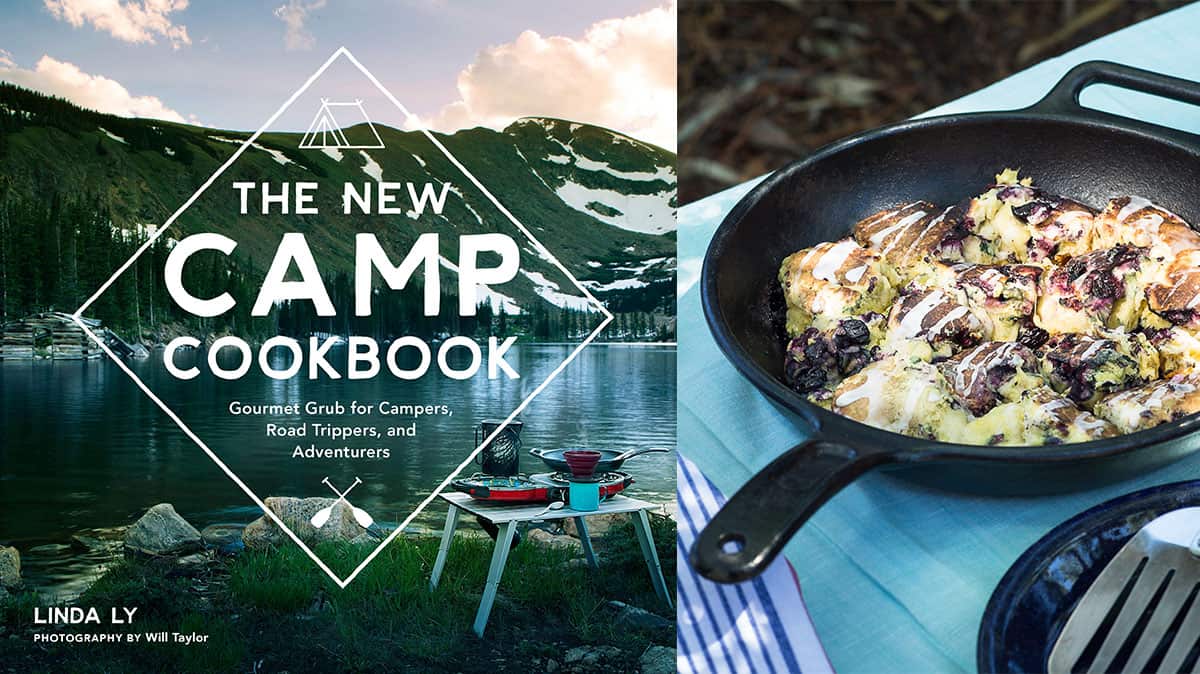
Extract from The New Camp Cookbook: Gourmet grub for campers, road trippers and adventurers by Linda Ly, photographs by Will Taylor (Voyageur Press/Quarto Group, hb, $29.99). Lead image by by Alexey Ruban on Unsplash

SBS Food is a 24/7 foodie channel for all Australians, with a focus on simple, authentic and everyday food inspiration from cultures everywhere. NSW stream only. Read more about SBS Food

Have a story or comment? Contact Us