Food TV? Hasn’t that always been a thing? Just as SBS Food now offers a thousand paths to edible viewing adventures – calorie-free feasting, as we used to say – cooking shows are a staple of today’s screen diet.
But it wasn't always this way. Looking into the rear view mirror to celebrate SBS turning 50, we are reminded of how far food TV has come from the early days.
When we first created , a veteran SBS production launching way back in 1997, the food screen scene was a little more monochrome.
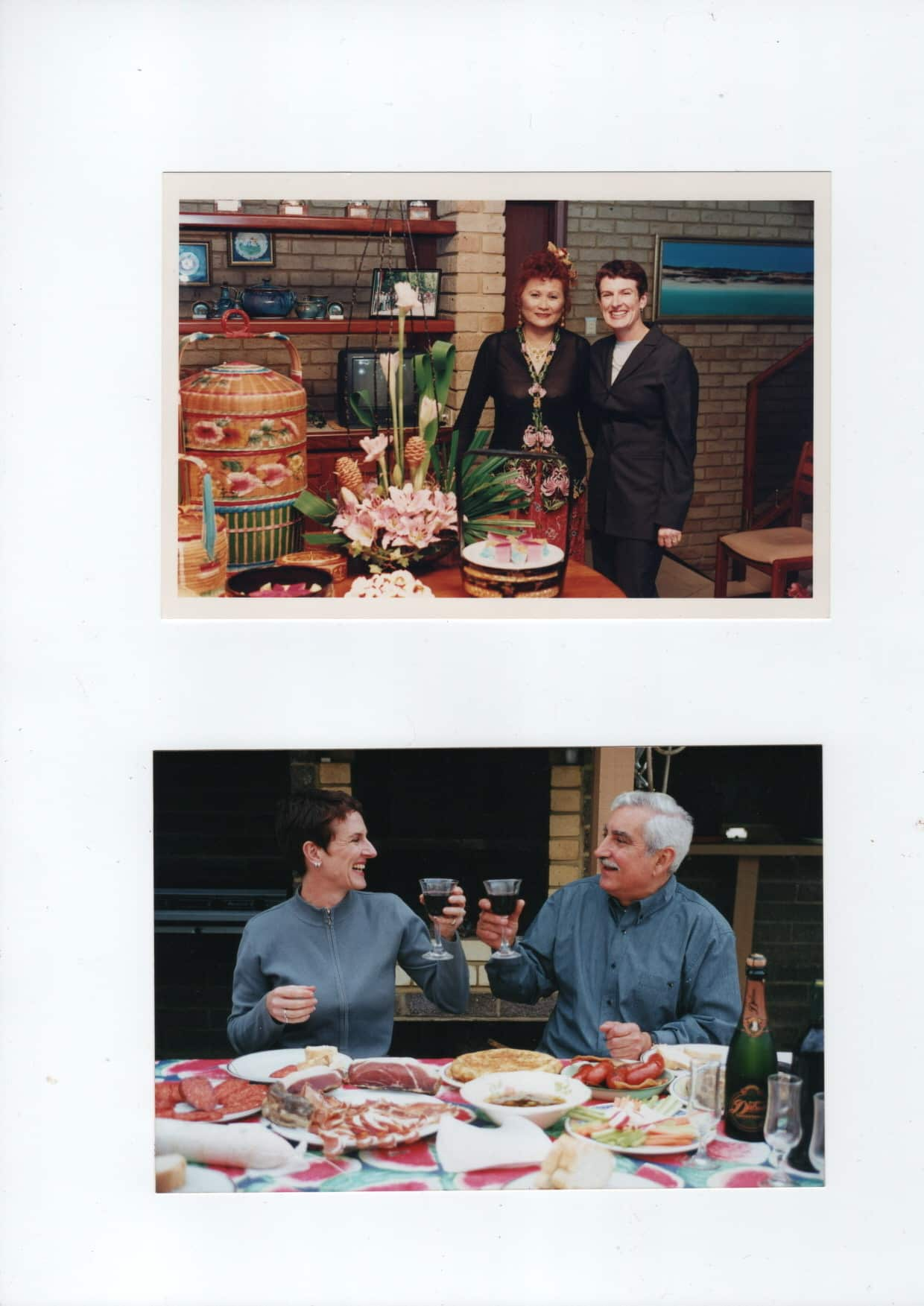
While America’s Julia Child had long paved the way for real-time, TV kitchen recipe delivery (complete with the “here’s one I prepared earlier” conclusion), most of those populating Antipodean program guides in the 1980s, besides a few lovely ladies offering cooking segments on daytime TV shows, were lively, likeable Anglo-Aussie blokes. Think Peter Russell-Clarke, Ian Parmenter and Bernard King.
Aside from the classic studio kitchen, TV chefs (Iain “Huey” Hewitson, for example) occasionally tossed fried onions on a cooking bench that had magically appeared on a cliff-top or in a beachside kitchen framed by pounding Pacific waves (such a natural place to cook!), perhaps a precursor of today's ubiquitous culinary travel content.
Here are four of the most significant ways in which the food television landscape in Australia has changed over the years.
From mostly mono- to multi-cultural
As an SBS TV News journo in the 1990s, I spent much of my working life in the Sydney and Melbourne suburbs, with lunchtime “offices” everywhere from Cabramatta pho shops to old-school Italian cafes. Originally part of Channel O-28’s subtitling team, in the 1980s, I had shared an office kitchen with fellow translators from dozens of cultural backgrounds, learning where to buy the best Serbian pickles or Polish sausage, fresh banana leaves or the flakiest pastizzi.
It’s no surprise perhaps that, with journo colleague Maeve O’Meara, we saw the huge potential of collecting those tips in a series of eating and food shopping publications – initially called The SBS Guides to Ethnic Eating – back when ethnic was an official description. Yes, really.
After years of pitching a TV version, to be filmed across this country’s rich culinary landscape, in 1997 The Food Lover’s Guide TV series became a reality. For the first time, families, farmers, producers and chefs of countless cultural backgrounds were able to share their stories, traditions, produce and recipes – including of course amazing Aboriginal knowledge-holders from Kakadu to the Kimberley – on SBS.
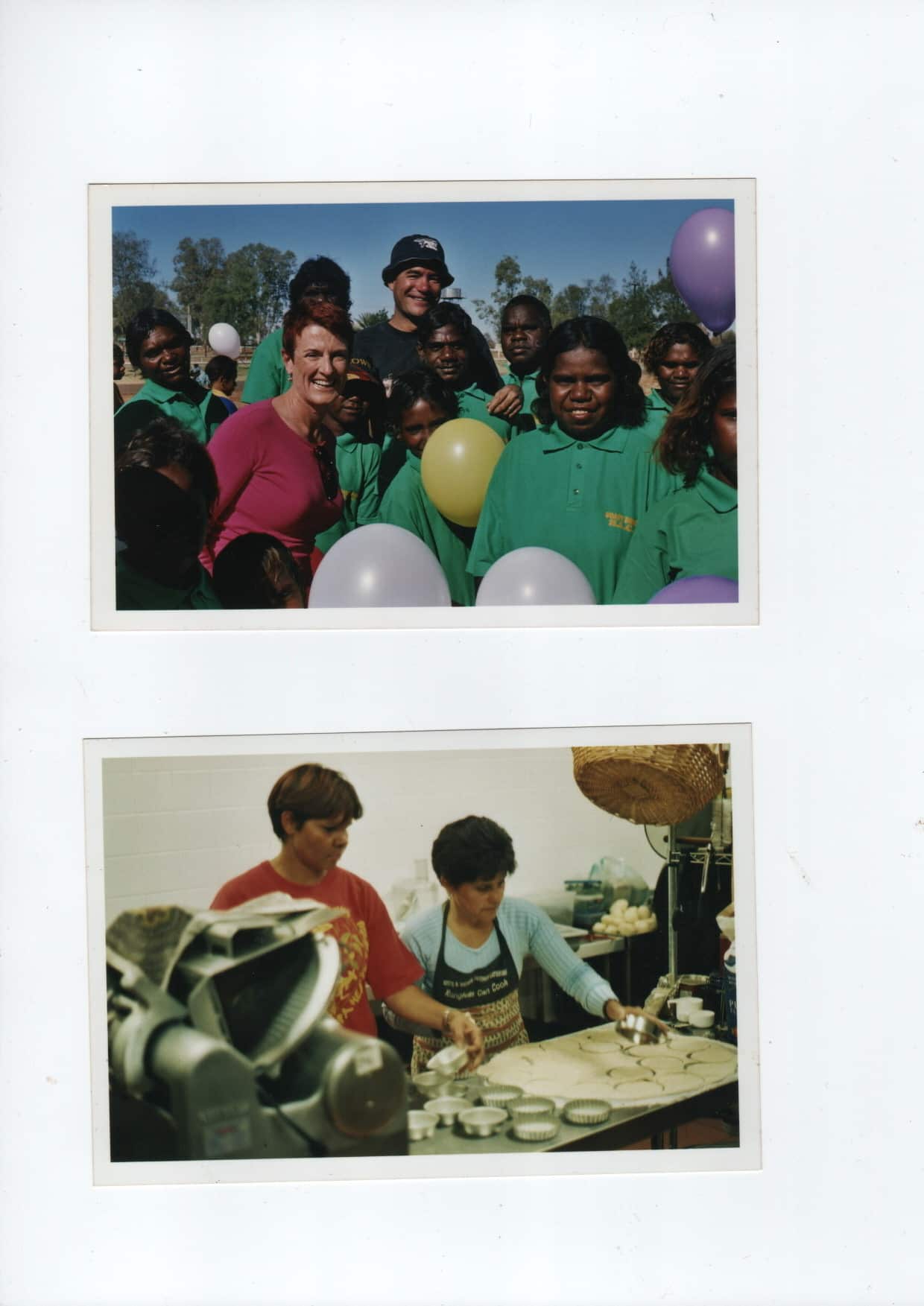
It soon became time for talented cooks like Luke Nguyen, Clayton Donovan, Dorinda Hafner and Adam Liaw to become presenters in their own right, explaining and exploring everything from Vietnamese to Aboriginal and African eating with first-hand familiarity. Not only did they more accurately mirror Australia’s population, we got to sit around so many more interesting food tables, right in our own lounge rooms. (That’s where we usually watched TV. Weird, I know, when now you can dive in to a fave food show on the morning bus to work.)
Cooking as a competitive sport
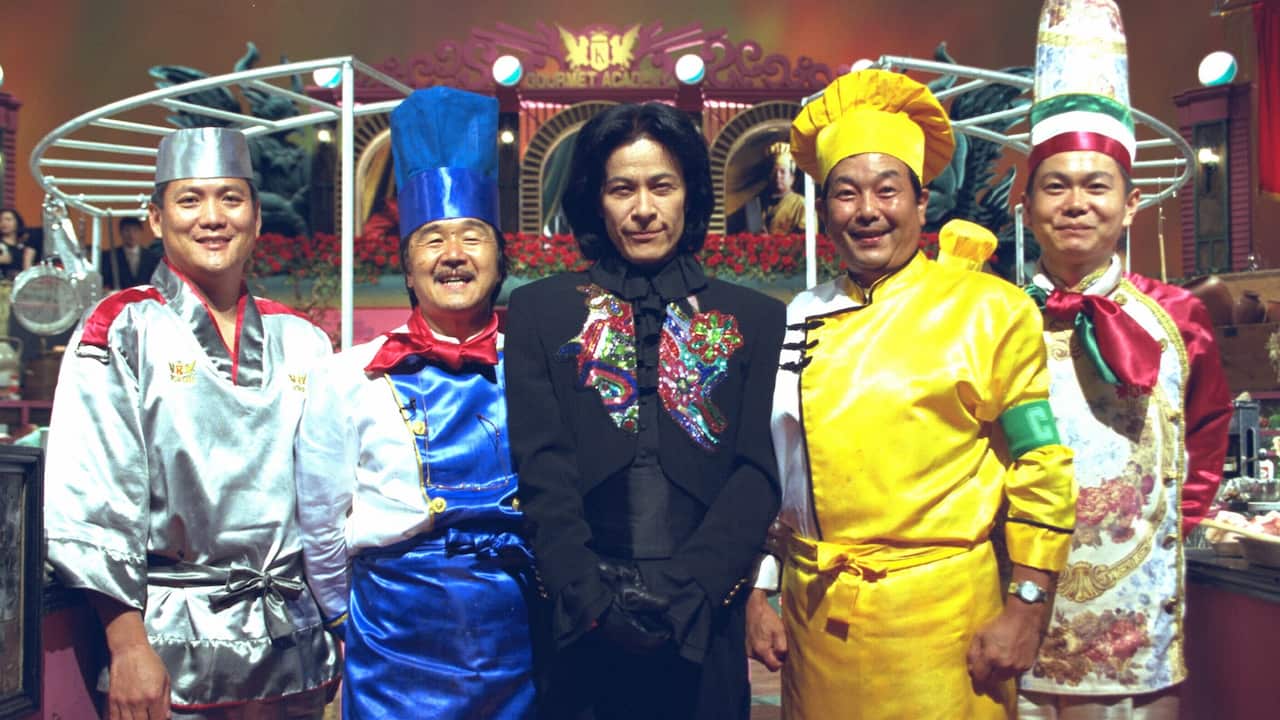
Game shows? Why not? And let’s put food in there somewhere too! Japan’s ultra-iconic Iron Chef – which made its way to Australia in the 1990s via SBS TV – turned dining prep into a blood spot (sometimes literally) thanks to super chefs Yutaka Ishinabe, Chen Kenichi and Hiroyuki Sakai, among others. By 2009, Australian MasterChef not only made competitive cooking a fun format, but turned top restaurant chefs into TV-set superstars.
You may not believe me now but in the early 2000s, many of our leading chefs de cuisine stayed firmly at their stoves. What’s more, while today everyone knows how to speak on a screen, restaurant-kitchen leaders were often paralysed with nerves, appearing in front of giant studio cameras on brightly lit sets. Hardly relaxing, a few knives slipping in shaking hands, plates dropping, ingredients forgotten…
Travel with an eater’s lens
As a product of its heritage and homeland, a food journey is an endless source of spectacular scenery – fields, forests, rivers and seas. And dish-delivery at market stalls, by the roadside, on fisher-boats and in paddocks. may have been the international lead but with locals like Luke Nguyen, and Sean Connolly’s My Family Feast, presenters got on the road, in style.

I’ll never forget joining on-screen journeys with the delightful Poh Ling Yeow and, of course, Adam Liaw, Renee Lim and Lily Serna (Destination Flavour 2012) as they once again turned SBS viewers into well-seasoned food travellers.
We all speak the language now
In the earliest SBS Eating Guides (as they were later known), I recall earnestly explaining the concept of wood-fired pizza. And Turkish pide. Thanks to the extraordinary depth and breadth of food cultures in our streets, cities and yes, on our screens (and via countless excellent cookbooks and publications too, of course), we’ve become much more multi-lingual both in the kitchen, and when eating out. How often in 2025 does anyone wonder what dosa, empanadas or a fattoush salad is? Or indeed, how to make or where to eat one?
It's been a deliciously diverse 50 years of fabulous food TV. And how wonderful to have been just a little part of it.

SBS Food is a 24/7 foodie channel for all Australians, with a focus on simple, authentic and everyday food inspiration from cultures everywhere. NSW stream only. Read more about SBS Food

Have a story or comment? Contact Us