Although Christmas is a time for fun and a whole lot of jolliness, there’s one subject matter that all home cooks must take seriously this season if they’ve got friends and family coming over for a meal: gluten.
Coeliac Australia’s healthy advocacy officer, Penny Dellsperger, reminds home cooks that if they want to make a crowd-pleasing Christmas meal this year, they’ll need to provide gluten-free options for people who need it.
“If you have coeliac disease and are accidentally exposed to gluten during a Christmas lunch, then you’ll probably be in the bathroom for the rest of the day,” says Dellsperger, an Accredited Practising Dietitian who lives with coeliac disease. “That could really ruin your Christmas celebration.”
If you have coeliac disease and are accidentally exposed to gluten during a Christmas lunch, then you’ll probably be in the bathroom for the rest of the day.Penny Dellsperger
Coeliac disease is an autoimmune condition where the small intestine is hypersensitive to gluten (a protein found in wheat, barley and rye). This often leads to difficulty digesting food, which could cause diarrhoea, anaemia and fatigue in the short term. Over the long term, an individual with coeliac disease who is regularly exposed to gluten may face higher long-term risks of developing cancer, osteoporosis, fertility issues and liver damage.
On top of the physical health issues associated with coeliac disease, Dellsperger adds that the illness is associated with a stigma. As a result, it's often not taken seriously enough.
“Some people think coeliac disease is part of a gluten-free fad. Or they think that [it’s not really a health concern], as you’re just eating gluten-free food for fun. We don’t eat gluten-free food for fun – it's actually a medical necessity. Gluten-free food is the treatment for our disease.”
More than one-in-every 10 Australians follow a gluten-free diet. However, around 1.4 per cent of Australians live with coeliac disease.
“Hosts really do need to pay attention to the need for some guests to eat gluten-free food this Christmas.”
For Asian dishes, simply replace soy sauce with tamari sauce and Chinese cooking wine with a bottle of dry sherry from the liquor store.Helen Tzouganatos
Tips to make your Christmas feast gluten-free
If you’re in doubt about what gluten-free options to serve your guests this season, Dellsperger says it's best that you err on the side of caution and ramp up the communication.
“It’s always safe to steer clear of assumptions and ask the person with coeliac disease about the ingredients they can or can’t eat before the event. That will reassure the person visiting that you're actually making an effort and you're double-checking everything.”
Here are a few tips for a gluten-free Christmas that you can employ if you’re catering for guests with coeliac disease.
Use ‘gluten-free’ food signs
“I have coeliac disease myself and one thing you don't want to do is make a big fuss about it,” Dellsperger says. “You don’t want to have to be asking people ‘is this one gluten free?’ Signs just make the whole experience more pleasant as people know what dishes are gluten-free and which ones aren’t.”
Separate gluten and non-gluten grazing platters
Ensure grazing platters containing gluten are kept well away from those that are gluten-free to reduce the risk of cross-contact.
Gluten-free Christmas gifts
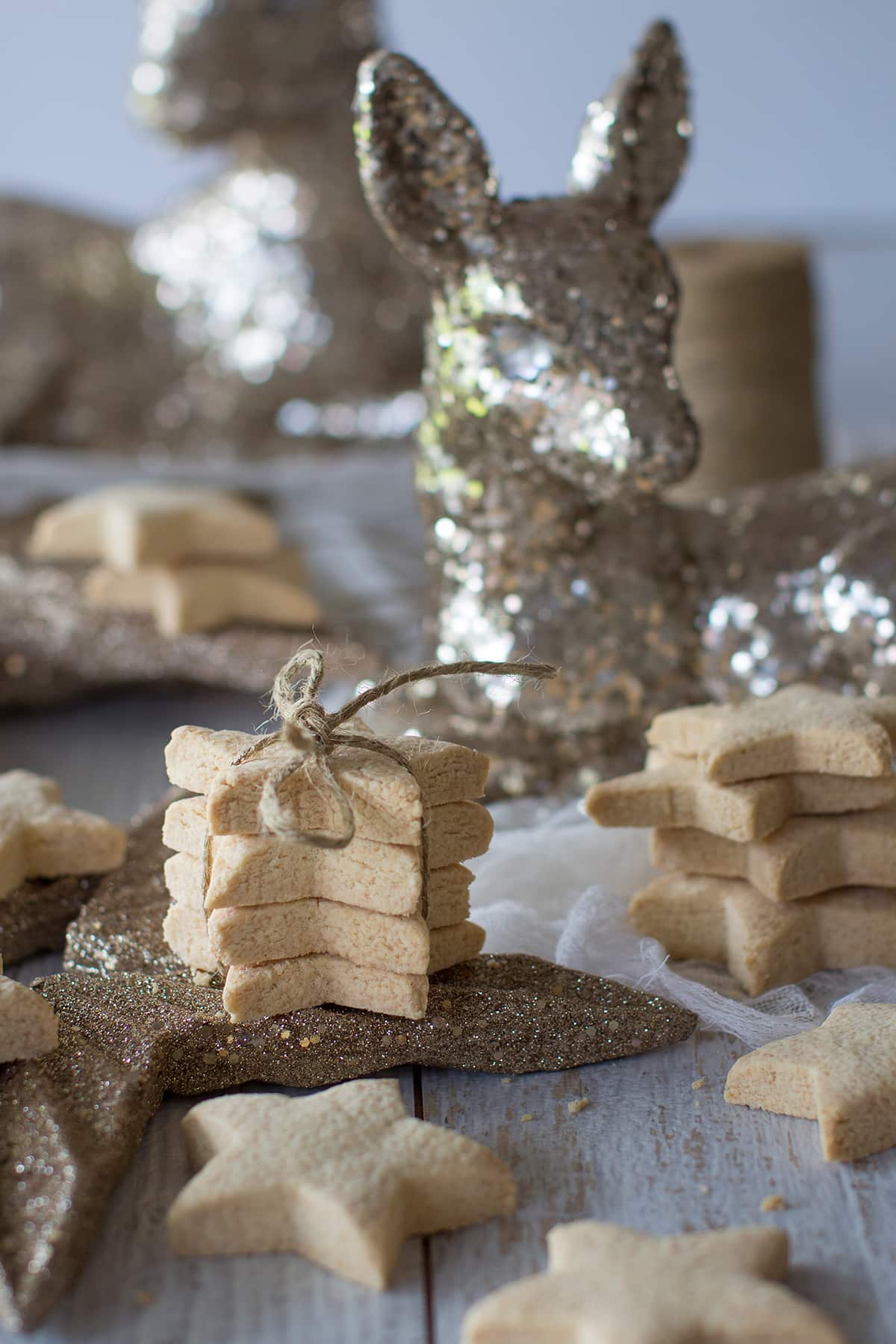
If you love the idea of making gluten-free edible Christmas gifts, there are many recipes that will do the job and deliciously, too, such as gluten-free brownies, grain-free granola, Greek pasteli (toasted sesame bars), Italian almond biscuits (one of SBS Food's most popular recipes!), no-bake chocolate peanut slice, Swedish Christmas toffee (knäck) or gluten-free Christmas biscuits, such as these shortbread stars.
Modify traditional recipes
Gluten-free cookbook author, Helen Tzouganatos, also lives with coeliac disease. The Greek Australian tells SBS it can be quite simple to ensure gluten-free recipes remain culturally significant and taste great.
“For Asian dishes, simply replace soy sauce with tamari sauce and Chinese cooking wine with a bottle of dry sherry from the liquor store,” Tzouganatos says.
“In terms of seasonings and sauces, avoid anything with wheat starch in the ingredients list. If you make your own from scratch you won’t have an issue here and the taste and quality will be far superior.”
Tzouganatos recommends making Greek gluten-free baklava fingers, which work well at Christmas gatherings because people can eat these pastry cigars with their hands.
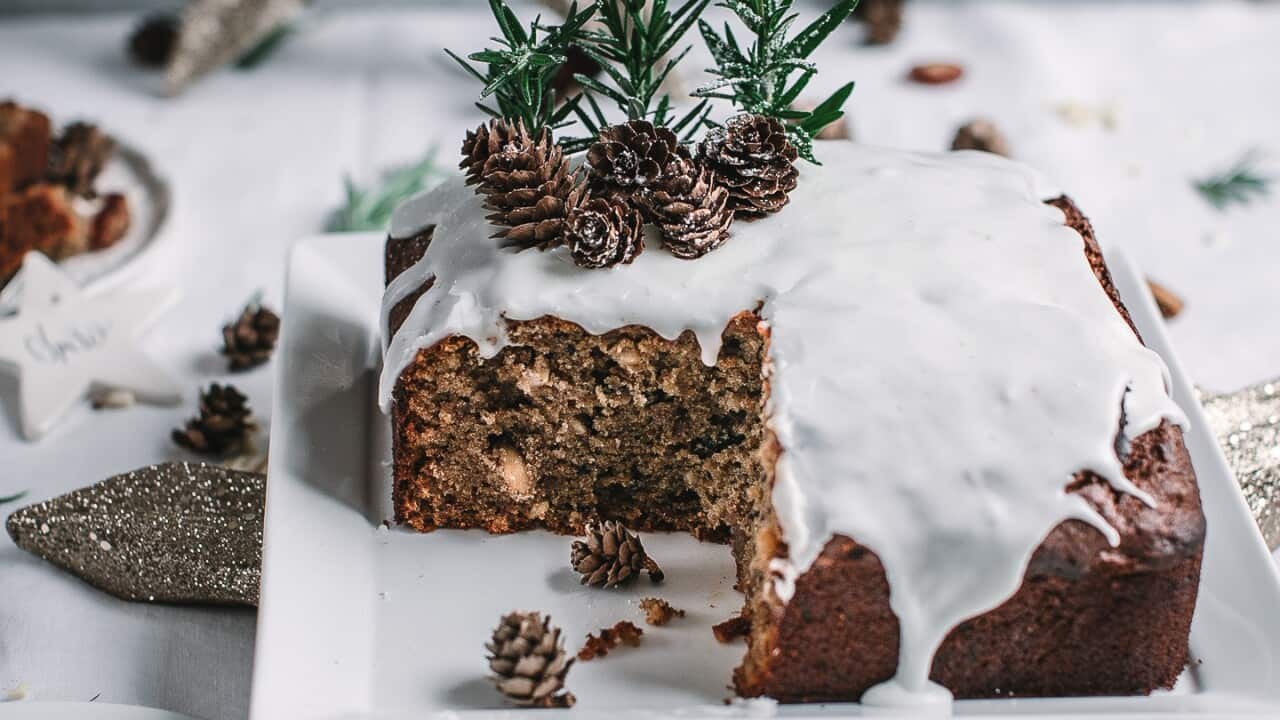
She adds that recipes for traditional baked goods can be made safe for people with coeliac disease by using gluten-free flour. For example, Tzouganatos’s gluten-free Christmas fruit cake is made with olive oil and gluten-free flour. And her wonderfully named raisin loaf that smells like Christmas (recipe here) uses buckwheat flour and tapioca flour.
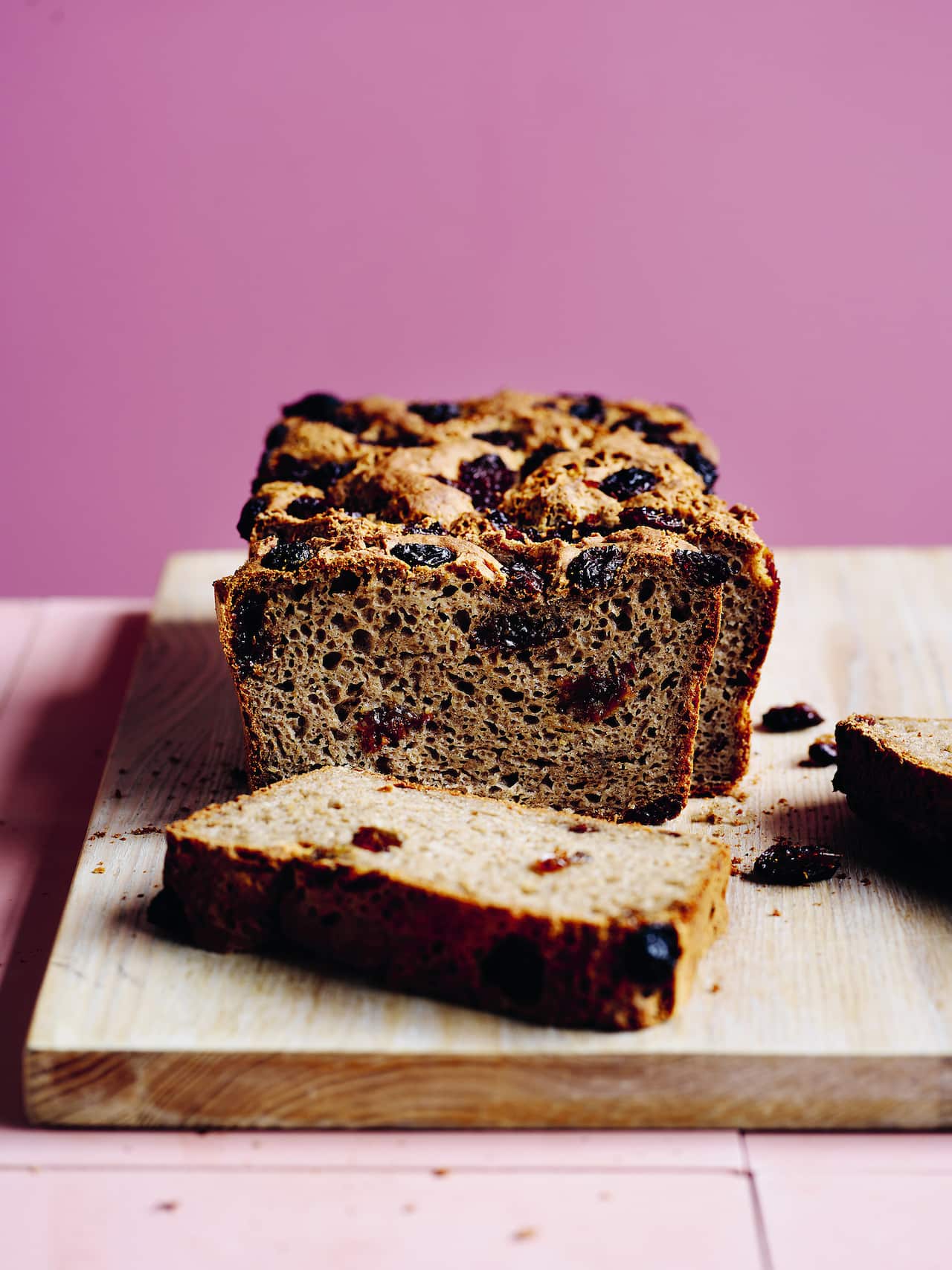
“If you make a beautiful dish from scratch your guests will not even know it is gluten-free. Using quality ingredients is the secret.”
Dellsperger offers another recipe tip, suggesting that cooks make tabouleh by replacing bulgar wheat with quinoa or amaranth.
“You want to make Christmas a great celebration for everybody,” Dellsperger says. “Food is such a central part of those celebrations. So if it is possible to make a gluten-free meal to meet someone's dietary needs and it's a simple thing to do, then I am sure it would be really appreciated.”
To find out more about coeliac disease and gluten-free eating, visit Coeliac Australia online. For more recipe ideas, explore SBS Food's gluten-free recipe collection.
Love the story? Follow the author here: Instagram @yasmin_noone.

SBS Food is a 24/7 foodie channel for all Australians, with a focus on simple, authentic and everyday food inspiration from cultures everywhere. NSW stream only. Read more about SBS Food

Have a story or comment? Contact Us