Most Australians know how to choose a wine, cheese or coffee that suits their palate. But when it comes to oysters, many of us don't know what to look for for beyond its species: Sydney Rock or Pacific?
If you want to choose the best oyster, there’s more to it than that, as viewers learn in Rick Stein's Australia. To pick a great oyster, it’s important to know where it comes from, when it was harvested and how you plan to eat it.
Here are five questions you can ask to help you pick the best oyster.
1. Where is it from?
One of the simplest ways to choose a better oyster is to ask it’s seller where it was grown.
In episode six, viewers learn how an oyster’s flavour is shaped by its species, as well as where it is grown, the conditions it experiences and the way it is farmed.
"The oysters are so good here," Stein says during a visit to Broadwater Oysters on Pambula Lake on the NSW South Coast for the episode.
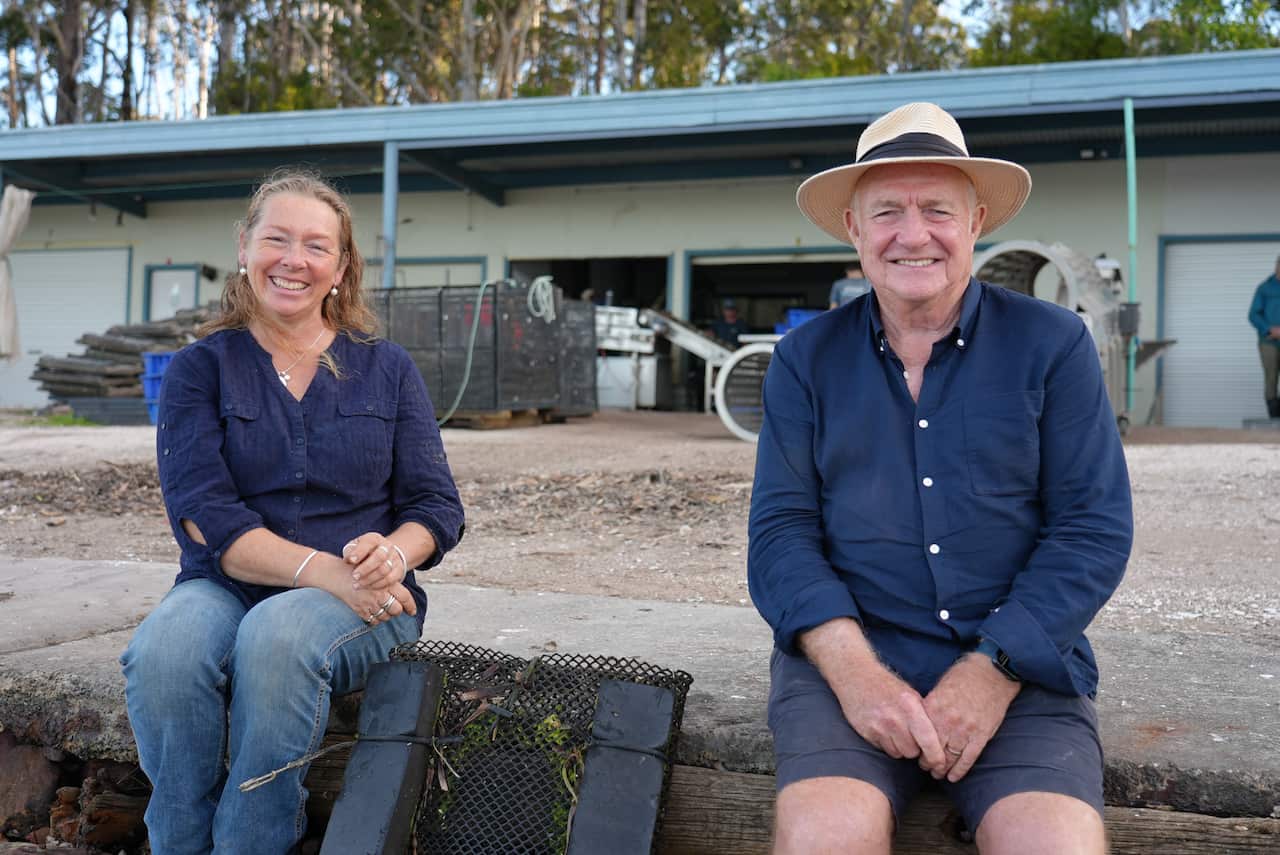
Oyster grower Sue McIntyre, who has spent almost 30 years farming oysters on Pambula Lake, explains to Stein just ‘why’ her company’s oysters taste wonderful. "It’s because we have a nice flow of fresh water and the oceanic water, we end up with a lovely, creamy, salty flavour, with a bit of a vegetable finish at the end," McIntyre says.
You could be describing wine there...
Stein identifies that McIntyre talks about her oysters, just like a vineyard owner talks about their wine. "You could be describing wine there," he says. "It has a creamy, salty flavour with a vegetable finish at the end."
Just like terroir influences a wine's taste, an oyster's flavour is heavily influenced by its aquatic environment.
"An oyster is a reflection of its estuary," adds Michael Huls, visitor experience manager at the Sydney Fish Market.
“Different growing regions can produce noticeably different flavours, even within the same species." That's why asking whether your oysters come from Pambula, Merimbula, Camden Haven or the Clyde River can tell you much more than simply whether they're Sydney Rocks or Pacifics.
2. When was the oyster harvested?
Huls advises shoppers to always ask about an oyster’s harvest date. He says if you're buying unshucked oysters, they should ideally have been harvested within the previous two weeks.
Shoppers should also feel the density of an oyster before purchase. "Pick one up,” Huls says. “It should feel dense. It should feel heavy. If you tap it, it shouldn't feel hollow. You shouldn't really hear any sloshing sounds."
An oyster that feels unusually light may have lost moisture and freshness. If the shell is slightly open, give it a gentle tap. A live oyster should quickly close.
"If not, it's dead and you don't want it.”
3. Does it look and feel fresh?
When buying pre-shucked oysters, appearance can tell you a lot about the seafood.
Huls says fresh oysters should look glossy, plump and sit in plenty of clear liquid, known as liquor. Despite the name, liquor isn't alcohol. It's the natural juices inside the shell that help keep the oyster moist and flavourful.
"You're looking for a nice glossy oyster, something that doesn't look dried out," Huls says.
"If you're looking at a pre-shucked oyster that looks a little bit more like a sultana versus a nice fresh grape, well, I would lean towards the nice fresh grape."
My recommendation to people is always to buy unshucked and learn how to shuck them yourself.
4. Can I get some unshucked oysters, please?
If taste is your top priority when choosing the perfect oyster, then always buy unshucked oysters for maximum freshness.
"My recommendation to people is always to buy unshucked and learn how to shuck them yourself," he says. "I think it's a skill that every Australian should really take the time to learn."
The freshest oyster is often the one you've opened moments before eating it. That might sound intimidating, but Broadwater Oysters co-owner Greg Carton says it doesn't need to be.
"You just need the right knife,” says Carton. “Find your soft spot, put it down on a bench with a tea towel over the top so you're not going into your hand, and just work gently," he says. "Get the technique right and eventually you'll be a master."
5. What oyster best matches the way I want to eat it?
Different oysters suit different preparations. While many people prefer oysters natural, larger Pacific oysters can stand up well to richer cooked dishes. "Generally, I do like a smaller oyster," Huls says. "But if I'm going to do oysters Kilpatrick, that's when I'm going to go for a big oyster."
The same goes for steamed oysters and other cooked preparations, where a larger oyster can provide a more substantial bite.
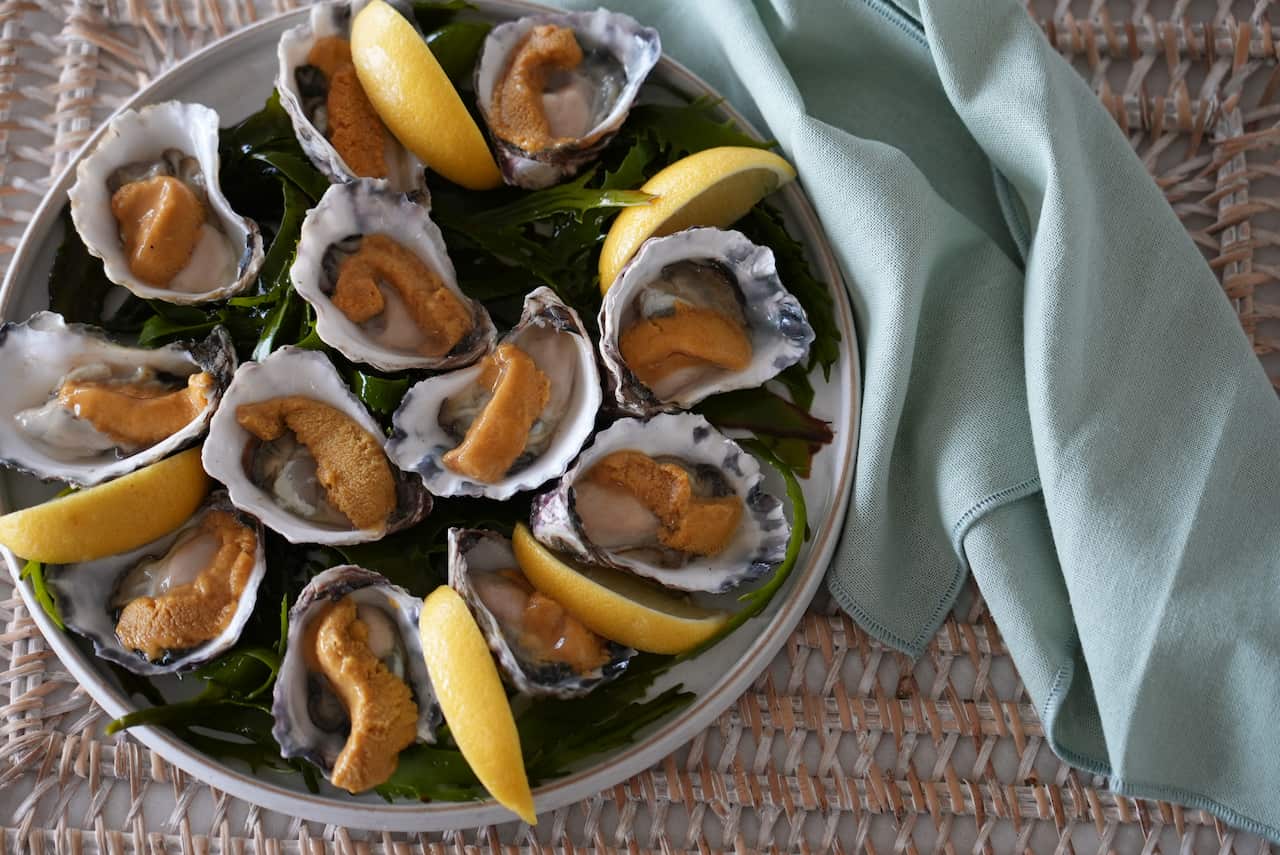
When oysters are cooked, Huls says he's less concerned with subtle flavour differences between growing regions. "When you put barbecue sauce and bacon on an oyster, the oyster just kind of gets muddled. The flavour becomes more about the dish itself than the distinct [nuances] of the oyster.”
That's why Huls pays closer attention to provenance when eating oysters raw, where differences in growing regions and estuaries are more likely to shine through.
“The best way to understand the differences between oysters is to taste them. Try oysters from different estuaries, ask where they're from and pay attention to what you enjoy.” You might just find a new favourite.

SBS Food is a 24/7 foodie channel for all Australians, with a focus on simple, authentic and everyday food inspiration from cultures everywhere. NSW stream only. Read more about SBS Food

Have a story or comment? Contact Us