Last year, Coles opened the first supermarket in Australia to be awarded a Green Star rating. Using 20 per cent less energy than other supermarkets of its size, Coles Hallam, in Victoria, is pretty cool. Literally. It uses 50 per cent more fresh air than minimum standards require, and the air-conditioning automatically adjusts, depending on how many people are in the store. By using highly efficient chillers and heat reclaimed from refrigeration cases, the store will cut greenhouse emissions by 15 per cent and water consumption by 70 per cent.
It’s not the first move the supermarket giant has made towards sustainability. All Coles-branded pork is now sow-stall free (which means that female breeding pigs are kept in sheds, not stalls where they can’t move except to lie down). All of its beef has no added hormones. And they’ve reduced the price of free range eggs, while moving away from the sale of caged eggs. On the seafood front, Coles has made a commitment that its deli counter offerings will always include options certified by the Marine Stewardship Council, and has obtained MSC chain-of-custody certification. Woolworths has made similar moves. By 2018, all of its chicken will be RPSCA-approved. It, too, is moving away from caged eggs.The company has stated that its long-term ambition is to have all of its wild-caught seafood certified by the MSC. They’ve even pledged to become zero-waste by 2020 by partnering with OzHarvest.
Sustainability is a big buzzword in food right now – and we’re not just talking about your local farmer’s markets. Increasingly, consumers want to know where their food comes from, and how it got to their plates. An Australian Food and Grocery Council survey from 2012 showed that 85 per cent of shoppers were concerned about the impact of supermarket shopping on the environment, and 93 per cent agreed that retailers had a responsibility to reduce the impact. It’s little wonder, then, that fast food giants, supermarket chains and massive food corporations are all talking about sustainable futures – fewer greenhouse emissions, lower carbon and water footprints and better animal welfare practices, just to name a few.
The list of Big Food companies trying to do better is long. Subway, the fast food chain with the most locations in the US, announced last year that it would phase out the use of antibiotics in all meats by 2025. In India, Kentucky Fried Chicken has introduced edible bowls to cut down on packaging. IKEA has promised to only use sustainable seafood in its restaurants, in all 47 of its markets worldwide (this comes a year after the furniture brand launched a vegan version of their signature meatballs). In the States, Walmart helped fund an app called Adapt-N, which uses location and weather information to help farmers manage fertilizer use. This helps save money for the farmers (up to $150 per acre) and reduces greenhouse gases (using too much fertiliser means it doesn’t get absorbed; when it doesn’t get absorbed, it can become a greenhouse gas). The discount supermarket has also urged its biggest suppliers – the likes of Campbell Soup, General Mills, Kellogg’s and PepsiCo – to reduce their water usage. PepsiCo listened. The multinational, which own Walker’s in the UK, has figured out a way to use water extracted from potatoes used for chips to power their plant in Leicester. The goal? To go completely off the water grid. It’s a move that could save more than 700 million litres of water a year. In Boston, Stop and Shop supermarkets will convert inedible food to power, providing energy to its distribution centre.
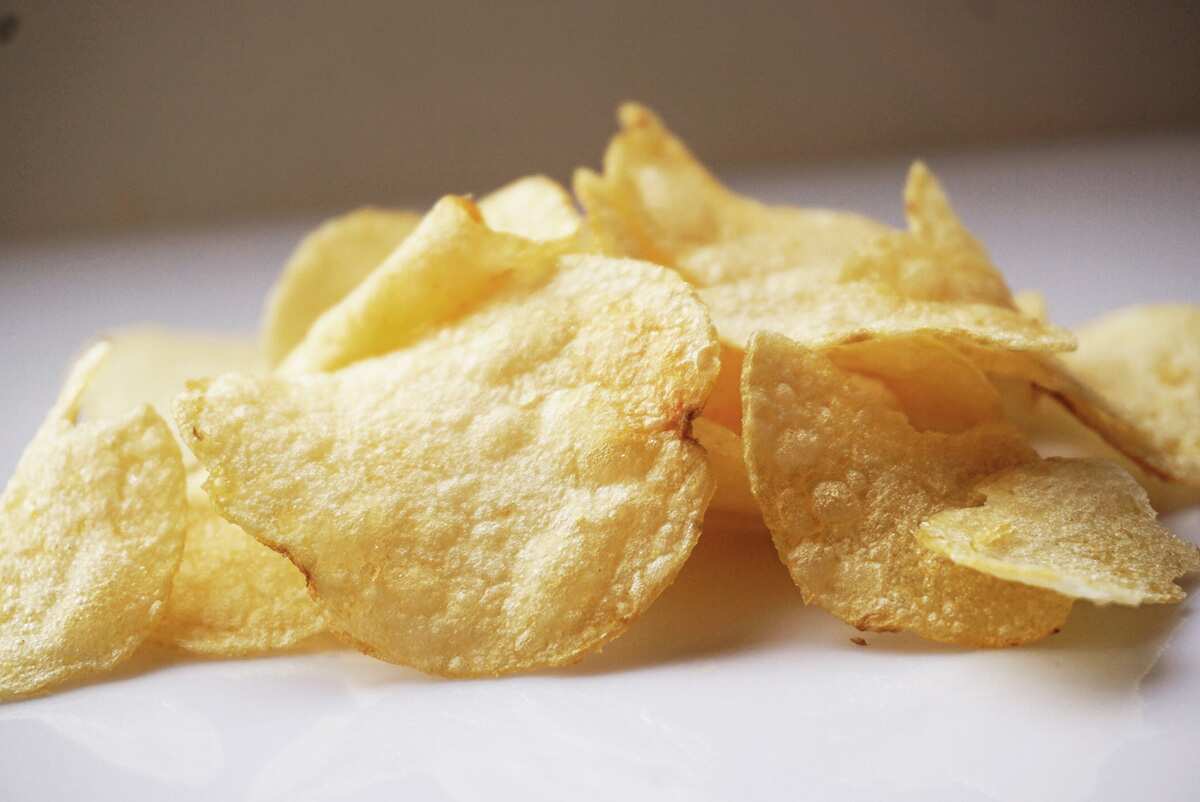
“Any voluntary effort to practice better environmental policies should be applauded,” says Christina Hobbs, a food security expert who once worked for the UN, and recently a senate candidate for The Greens in ACT. “Some of these efforts are genuine and lead to results.” But, she says, the biggest challenge is that the products these companies make and sell are, at their heart, unsustainable. “Cutting down on water usage and energy emissions is great, but when you’re talking about making potato chips – a really unhealthy food typically marketed to kids - that are shipped across the world, possibly using palm oil, using a lot of energy in the process, you’ve got to wonder, ‘Well, water is only part of the problem here, isn’t it?’”
Promoting an ethos of sustainability to consumers is one thing, says Hobbs, but actually making real efforts to cut down on carbon emissions is quite another. “A lot of the companies that make these efforts toward sustainability for consumers also fund lobby groups against climate change initiatives behind closed doors,” she says. Coca-Cola Amatil, for example, mentions its “responsibility to help keep our environment clean” on its corporate website, as well as figures about cutting down on packaging. But how much of a difference can the company really make, asks Hobbs, when its group managing director, Alison Watkins, is on the board of the Business Council of Australia – a group that opposed the carbon tax. Also on the BCA board are representatives of Wesfarmers (which owns Coles), Woolworths Limited, McDonald’s, Lion Brewing and Unilever, some of the biggest food companies in the country. “I’m sure these CEOs do have a genuine commitment to being sustainable, but at the end of the day, their number one KPI is profit,” says Hobbs.
As for the international players, Oxfam is keeping an eye on them. Their annual report, Behind the Brands, was launched in 2013 and scores the ten biggest food companies in the world on women’s rights, carbon emissions, land rights, transparency, farmers and farm workers’ rights. In just three years, the companies have made some major steps towards sustainability. In 2013, seven of the ten companies scored an average of just 31 per cent across the categories. In 2016, the highest score went to Unilever, with 74 per cent, while Associated British Foods and Danone tied for last place at 36 per cent. Oxfam reports that the greatest leaps have been made in gender inequality, protecting land rights and reducing greenhouse gas emissions, while water conservation was one of the lowest areas of achievement across the board. And as Hobbs points out, any voluntary effort must be applauded.
So what can be done to really make a difference? “We do need products made in sustainable ways,” says Hobbs, “but as consumers, we also need to consume less.” Eating beef, for instance – even without antibiotics, and even Australian-grown – still contributes to greenhouse gases, as cows are some of the biggest producers of methane. “It’s not all up to companies,” says Hobbs. “There needs to be better government regulation and better education. Consumers are getting savvier but it’s hard to see through green-washing.” Your best bets? Buy local, buy seasonal and don’t buy more than you need.
Coles and Woolworths were contacted in relation to this story but declined to comment.
Lead image by Timo Kuusela via Flickr.

SBS Food is a 24/7 foodie channel for all Australians, with a focus on simple, authentic and everyday food inspiration from cultures everywhere. NSW stream only. Read more about SBS Food

Have a story or comment? Contact Us