In Ancient Egypt, olive oil was prized: it fuelled lamps, inspired art, and was placed in graves (including the tomb of pharaoh Tutankhamen). “In this life and the next, olive oil was a sacred substance,” Tom Mueller writes in Extra Virginity, a book chronicling the cooking staple’s history.
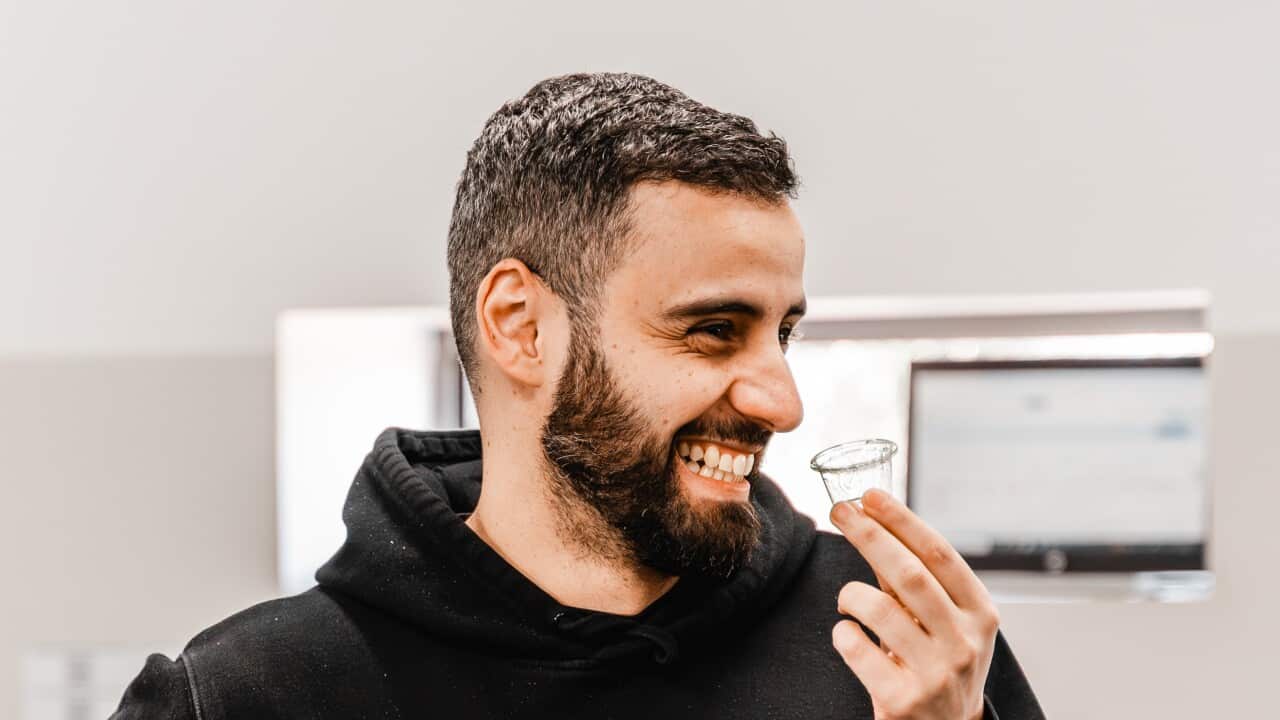
These ancient connections have influenced Sydney chef Paul Farag’s collaborations with South Australia’s Rio Vista Olives. Their first interactions took place around 2022 and led to a signature blend reflecting his cultural heritage. “Let's lean into the Egyptian thing,” he thought.
The resulting bottle shows the pharoah Khafre alongside the falcon-headed god Horus, although the original designs hinted at how olive oil was made thousands of years ago: via the torsion process, where sticks are placed into a bag of crushed ingredients and twisted to filter the oil.
“The torsion method is depicted on various Egyptian wall paintings, from the Old, Middle and New Kingdoms. The earliest known example is in the tomb of Nebemakhet from around 2600–2500 BCE,” Emlyn Dodd explained on The Conversation. The Adelaide University lecturer in Archaeology and Classical Studies even used this millennia-old approach to press olive oil at home: the drizzles had sharp, peppery notes.
Farag’s signature blend is generated with modern machinery and flavoured with olives showcasing his Egyptian-Greek roots. Originally, kalamata from Rio Vista’s groves – picked to reflect the Greek heritage on his mother’s side – were pressed with the Middle Eastern barnea variety. Over time, Greek koroneiki olives replaced the kalamata.
Farag says olives reflect their landscape, like how wine grapes differ worldwide. “Just the same way as … a pinot noir from France is going to have a different flavour profile to a pinot noir from Australia,” he says. Even small distances can reveal great contrasts: barnea planted in one grove might have a “punch you in the face” intensity that olives in a neighbouring grove don’t.
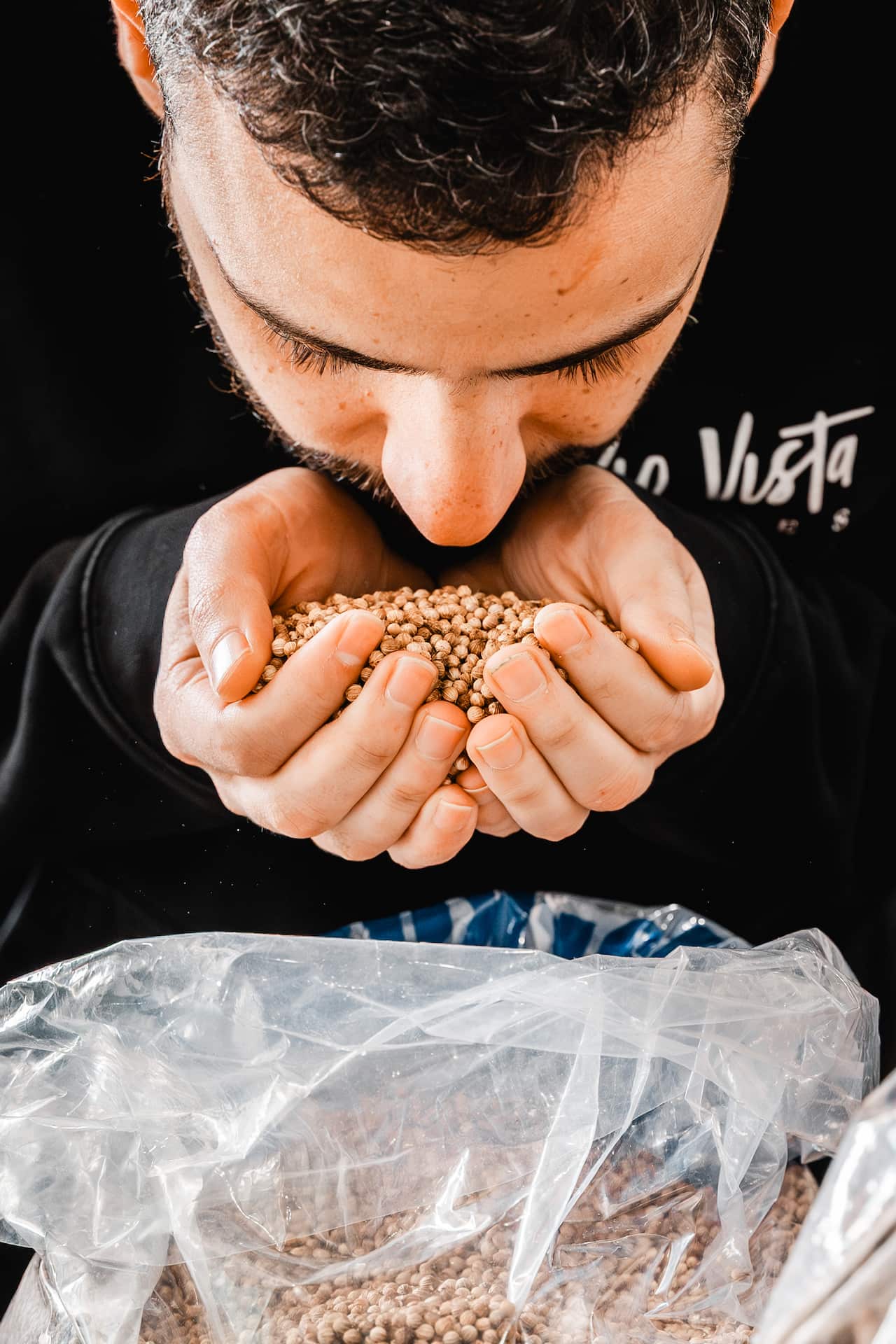
Diners might not know what koroneiki and barnea olives taste like, because – unlike kalamata – they usually don’t turn up in salads, pizzas or other dishes. This is how Sarah Asciutto, an olive oil sommelier who works at Rio Vista Olives, described the two varieties on my Should You Really Eat That? podcast for SBS: “The barnea that we grow here … [has] a real nice grassy green, catches-your-throat flavour note, which Paul loves in his food. Koroneiki is that little tiny Greek variety, very fruity, very fragrant.”
Unlike neutral-tasting oil typically found in supermarkets, Farag’s blend has a naturally spicy, peppery buzz. The chef served it with pita bread at Sydney restaurant Aalia, where he worked for four years. Diners with Middle Eastern heritage told him: “wow, this takes me back.” The strong grassy notes reminded them of home. Last winter, Asciutto and Farag teamed up to create agrumato oils: the name (deriving from ‘agrume’, Italian for ‘citrus’) hints at their origin in Abruzzo, where lemons and olives were pressed together to clean milling equipment. These flavoured oils eventually became a prized product.
Asciutto and Farag turned to the Middle East for ideas: their Shatta oil is named after a chilli condiment from the region. It’s also inspired by eggplant mes 'a' aha Farag offered at Aalia: fried eggplant flavoured with spiced tomato sauce, an Egyptian dish his father cooked thousands of times when the chef was growing up.
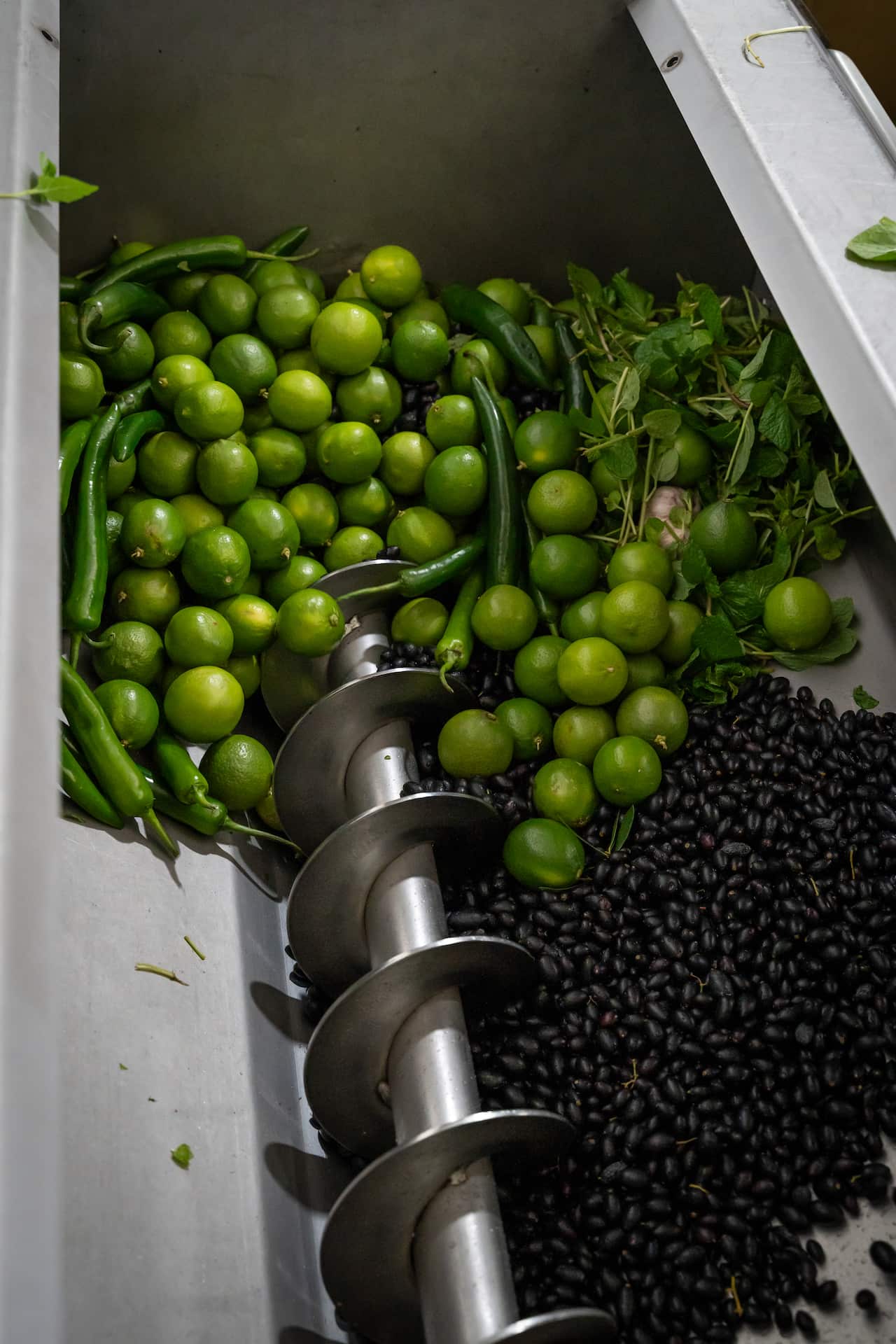
Fresh thyme, garlic bulbs, earthy spices and various chillies (like Turkish maras and isot pepper) intensely perfumed the room when they pressed these ingredients with olive oil for the Shatta.
Asciutto and Farag also collaborated on a Sahawiq oil, named after a Yememi green chilli condiment. At Aalia, he dressed leftover carrot tops with this salsa-like topping. The chef captured its “green herbaceous flavour” by feeding bunches of coriander, parsley and mint through Rio Vista Olives’ equipment.
At 2025’s Australian International Olive Awards, judges said the flavours were “reminiscent of Vietnamese salad”, while the Shatta evoked a trip to the Middle East. Farag was busy cooking for Sydney diners when the ceremony took place in Adelaide. “Sarah was live-texting me what was going on while I was in the middle of service,” he says. The Shatta and Sahawiq triumphed. “They both won gold.”
Their medal status doesn’t mean they’re special-occasion pantry staples, though: the Shatta can be whisked into scrambled eggs, and the Sahawiq drizzled over salt-sprinkled salad.
“We only made 70 litres of each oil,” Farag says. Expect a larger batch when the chef reunites with Asciutto this winter. Perhaps they’ll get creative with various olives, tweak ratios and spice levels. “We're going to try and do some different things,” he says.

SBS Food is a 24/7 foodie channel for all Australians, with a focus on simple, authentic and everyday food inspiration from cultures everywhere. NSW stream only. Read more about SBS Food

Have a story or comment? Contact Us