For a town already famous for mountains, snowfields and adrenaline, Queenstown has acquired another compelling reason to make the journey: food.
The arrival of the inaugural MICHELIN Guide New Zealand has formally placed the South Island destination on the international culinary map, recognising a collection of Queenstown restaurants alongside some of the country’s most acclaimed dining rooms.
Yet speak to the chefs behind some of those restaurants and there is surprisingly little talk of reinvention. Instead, they talk about roots. About fishermen and farmers. Hunters and foragers. Gardens metres from the kitchen door. Pāua pulled from New Zealand waters, karengo, wild venison, southern oysters and Pinot Noir grown in vineyards shaped by the dramatic Central Otago landscape.
For Sherwood executive chef Chris Scott, Michelin hasn’t created a new food culture in Queenstown. It has simply made the rest of the world pay attention to what was already happening.
“There’s a confidence in New Zealand food now that wasn’t always there,” he says. “Chefs cooking what this country actually produces, without apology. Michelin arriving is the confirmation, not the beginning.”
It may be the most important distinction in understanding what is happening in Queenstown right now.
A cuisine that could only exist here
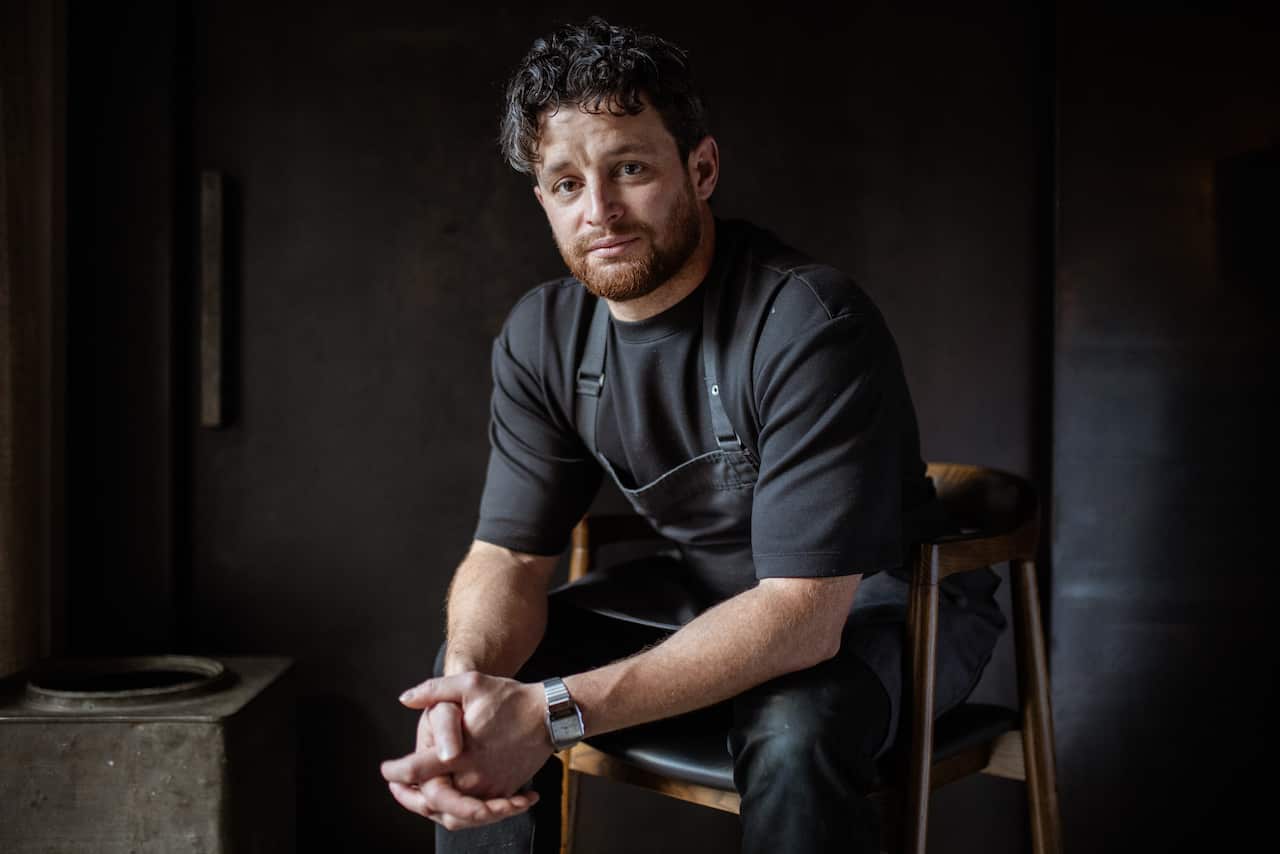
At Rātā, which has championed Central Otago produce since opening in 2012, chef Dan Matto says receiving Michelin recognition was both emotional and deeply validating.
“It felt like recognition of a philosophy we’ve held from day one: warm hospitality, exceptional local produce, and cooking that reflects the place we call home.”
It is that final point that appears again and again when speaking with Queenstown’s chefs.
There is little interest in importing a generic version of international fine dining into the South Island. The ambition instead is to create food that makes sense precisely because it is being eaten here.
“We want Rātā to be a restaurant that could only exist in Queenstown,” Dan says.
“New Zealand has extraordinary seafood, lamb, venison, fruit, vegetables and native ingredients, and we’re fortunate to work directly with many of the people who produce them. Our job is to respect that work and let those ingredients speak for themselves.”
At Rātā, the process often starts not with an idea for a dish, but with an ingredient and the person behind it.
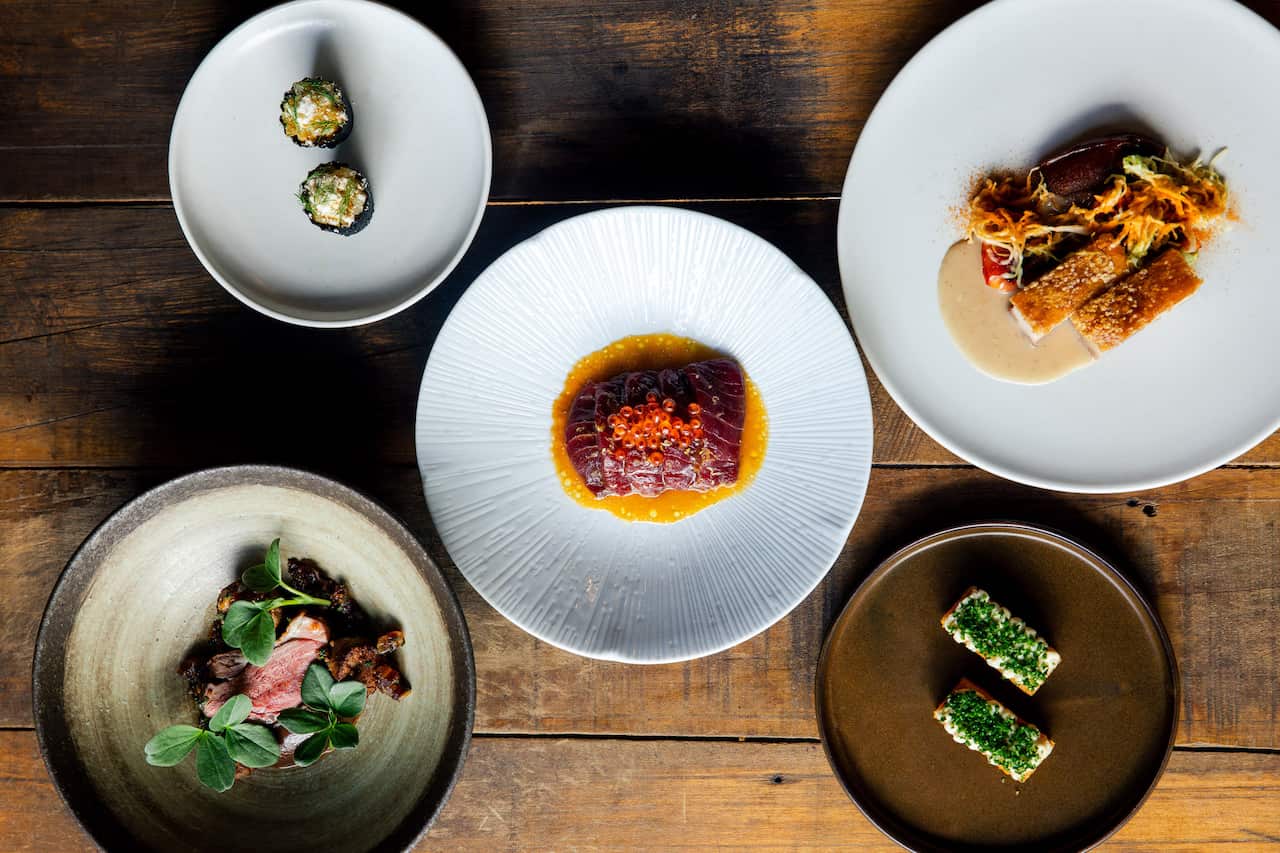
Royalburn lamb, wild venison, oysters, crayfish and locally grown fruit and vegetables become a way of telling the story of southern New Zealand without turning the plate into a geography lesson.
Dan’s current venison dish perhaps encapsulates the philosophy best. The intention isn’t to overpower an exceptional ingredient in the name of technique.
“The focus is always on enhancing the produce, not overshadowing it,” he says.
Pāua, karengo and a sense of place
If there is one ingredient that repeatedly appears when these chefs are asked what distinguishes New Zealand food from the rest of the world, it is pāua.
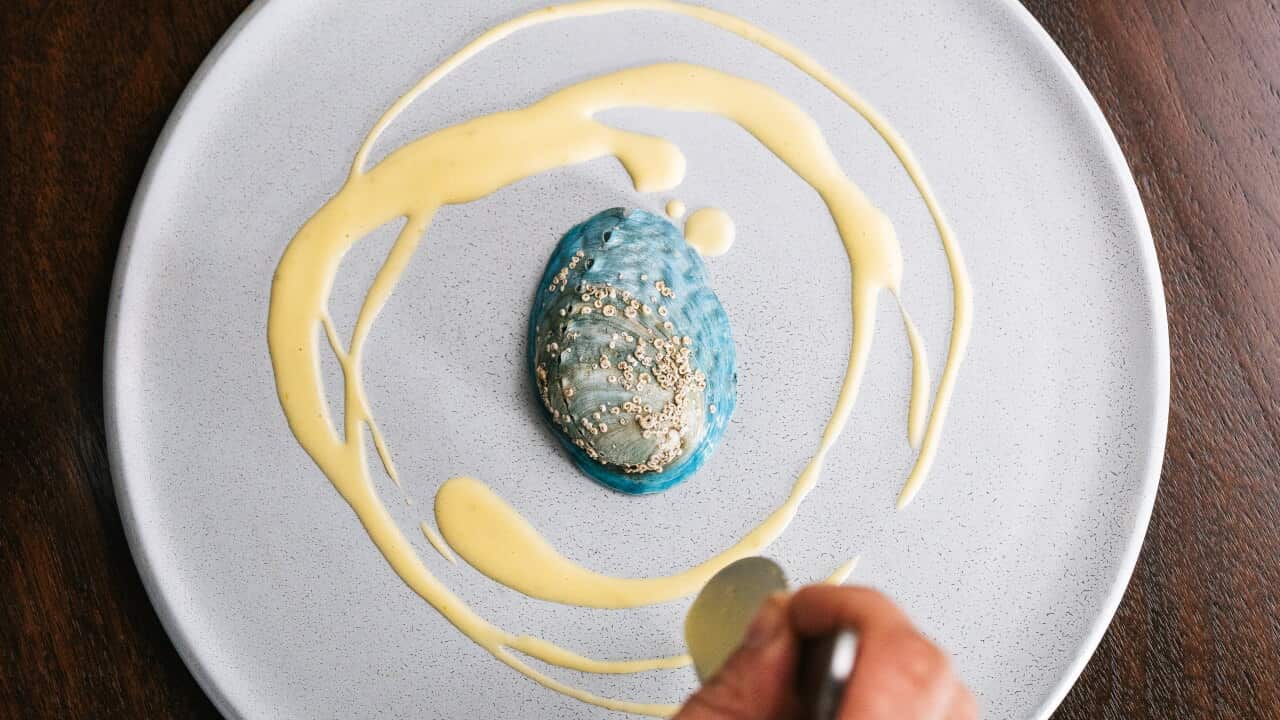
New Zealand’s black-foot abalone has a long connection to Māori culture and coastal food traditions, while its jewel-like shell has become instantly recognisable far beyond the kitchen.
For Amisfield chef Sun Peng, pāua is one of the ingredients that best represents New Zealand’s identity.
At Rātā, Dan says it is often the ingredient international visitors find most fascinating.
“For someone who isn’t from New Zealand, eating pāua is a fascinating way to experience a truly local ingredient,” he says.
“It has a strong connection to Māori culture and New Zealand’s coastal waters, and its distinctive flavour and texture make it very different from more familiar seafood.”
At Sherwood, Chris takes it a step further.
His kitchen hand-cuts black-foot pāua into mafaldine and finishes it with karengo butter, combining one of the country’s distinctive shellfish with the native edible seaweed traditionally harvested in Aotearoa.
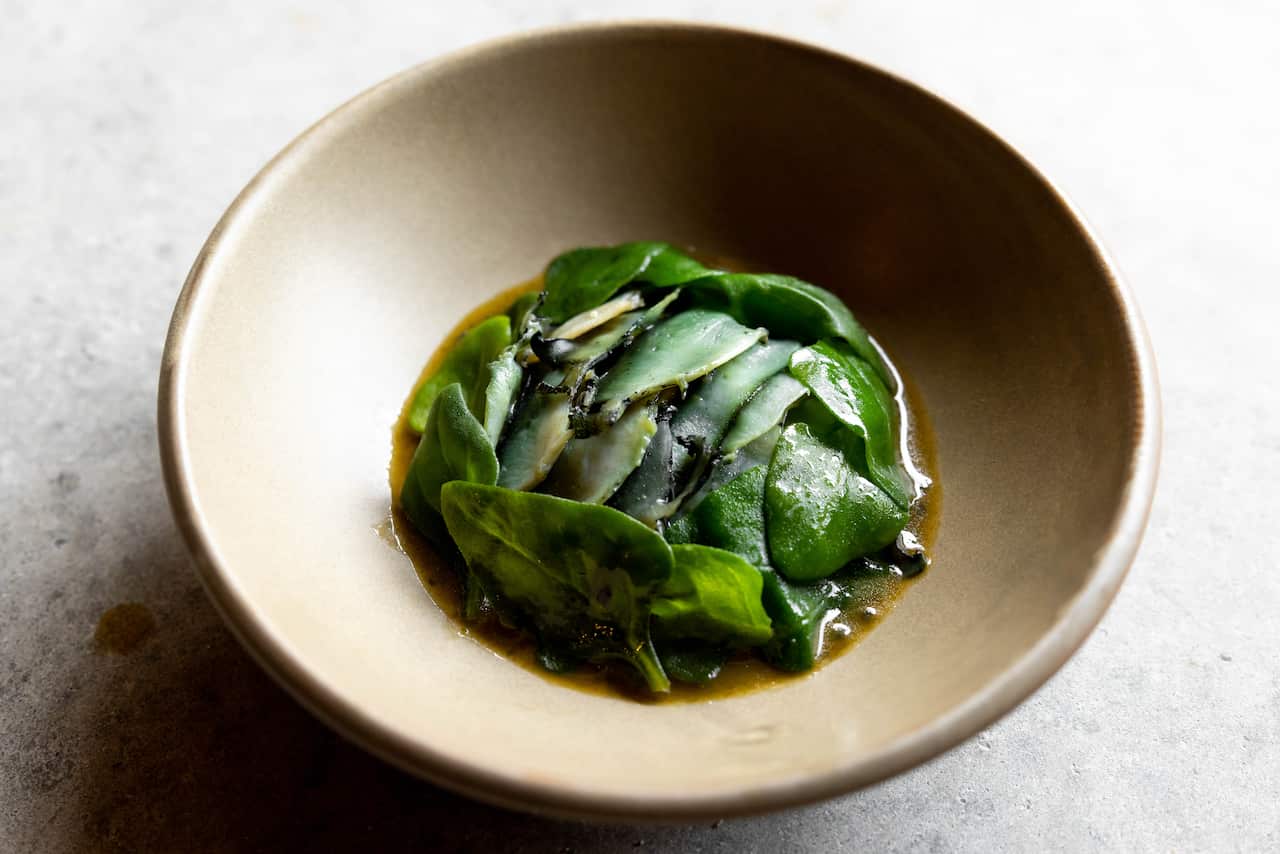
“That dish tends to be the moment visitors understand what we’re actually doing here,” Chris says.
It is a revealing statement.
For decades, conversations around destination dining have often revolved around technique, imported luxury ingredients and global culinary influence.
In Queenstown, many of the most interesting plates are travelling in the opposite direction: looking more closely at what has always existed at home.
Taste of Aotearoa starts before you land
The renewed confidence in New Zealand ingredients isn’t confined to the country’s restaurant kitchens.
Air New Zealand has increasingly brought a sense of place into its onboard dining, championing New Zealand producers, regional wines and ingredients closely associated with Aotearoa.
In 2026, acclaimed New Zealand chef Josh Emett joined Air New Zealand as Culinary Ambassador, developing new dishes for the airline’s premium cabins that draw on ingredients including venison, kūmara, kawakawa and kahawai.
The approach mirrors much of what is now attracting international attention to Queenstown’s dining scene: rather than looking offshore for inspiration, the focus is increasingly on showcasing what New Zealand already grows, catches and produces exceptionally well.
When the garden writes the menu
Sherwood’s approach is perhaps the most literal expression of the idea that landscape should dictate what lands on the plate.
Its garden sits just metres from the kitchen, and its guiding philosophy is simple: if they can’t grow it or forage it, they source it locally.
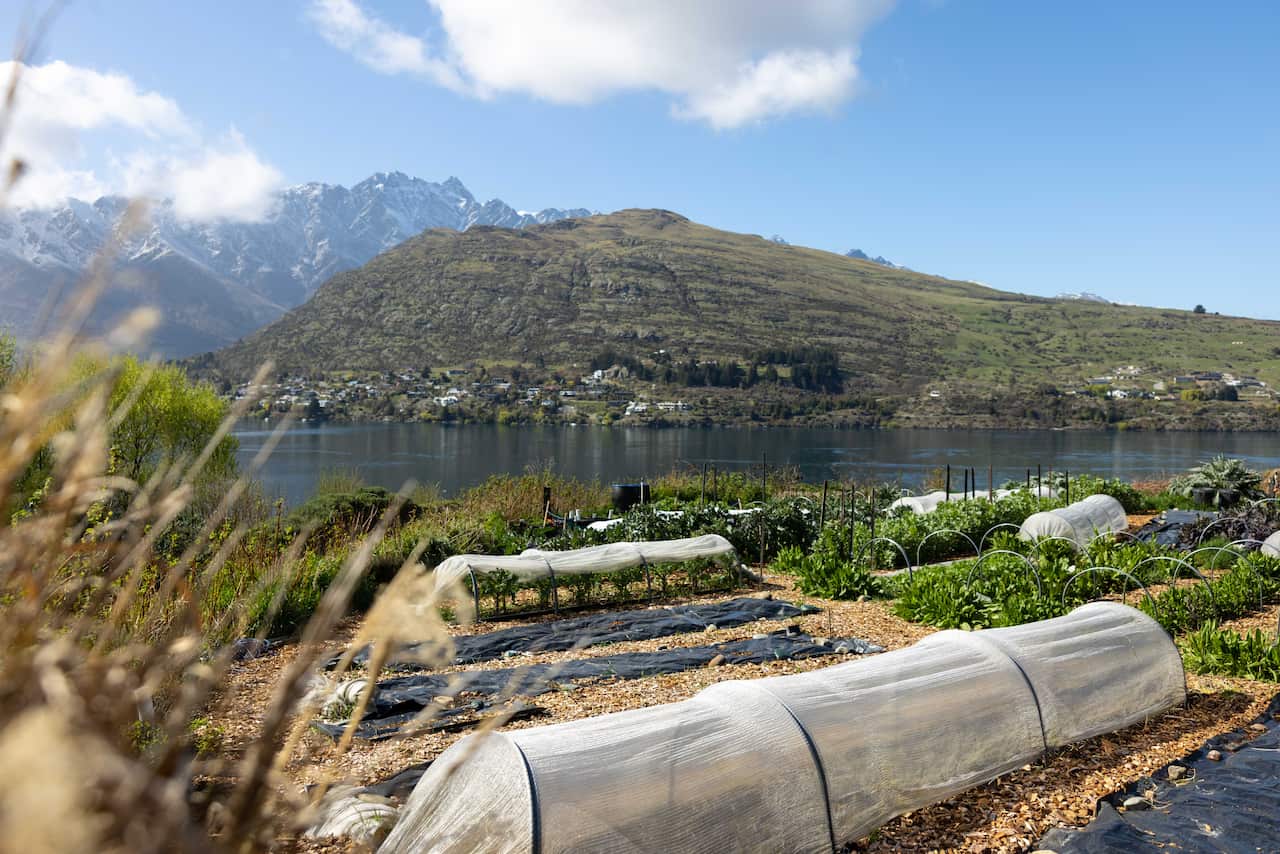
But Chris is quick to reject the idea that this means “fine dining” in the traditional sense.
“I’d stop you at fine dining, we’re not that, and we never want to be,” he says.“We call it casual excellence.”
Sustainability here is not positioned as an accessory to the dining experience. Chris describes it instead as discipline.
“You use what’s in front of you, you waste nothing, and you let the landscape set the brief.”
It means the menu is dictated partly by what is ready in the garden, what needs using and what might otherwise become waste.
“Every part of the plant has a purpose: the herb, the vegetable, the trim,” Chris says. “What can we do with what most kitchens would trim or bin? I believe it takes another level of chef entirely to turn those ingredients into something worth celebrating.”
In winter that can mean Marlborough oysters, Southland swede, tamarillos and feijoas. Then the season moves on, and so does the kitchen. There is no expectation that every ingredient needs to be available 12 months of the year.
“When the season ends and the ingredient is gone, you farewell it, and look forward to welcoming it back the following year,” Chris says. “There’s a rhythm to it that keeps the kitchen honest and the menu alive.”
Food worth travelling for
At Amisfield, surrounded by vineyard and mountain country at Lake Hayes, the relationship between restaurant and landscape is equally central.
For Peng, inspiration begins simply with “what is around us, people and nature”.
Farmers, fishermen and hunters who have supplied the restaurant for more than a decade are part of the story behind its food. That relationship also feeds a style of cooking renowned for taking diners beyond familiar territory.
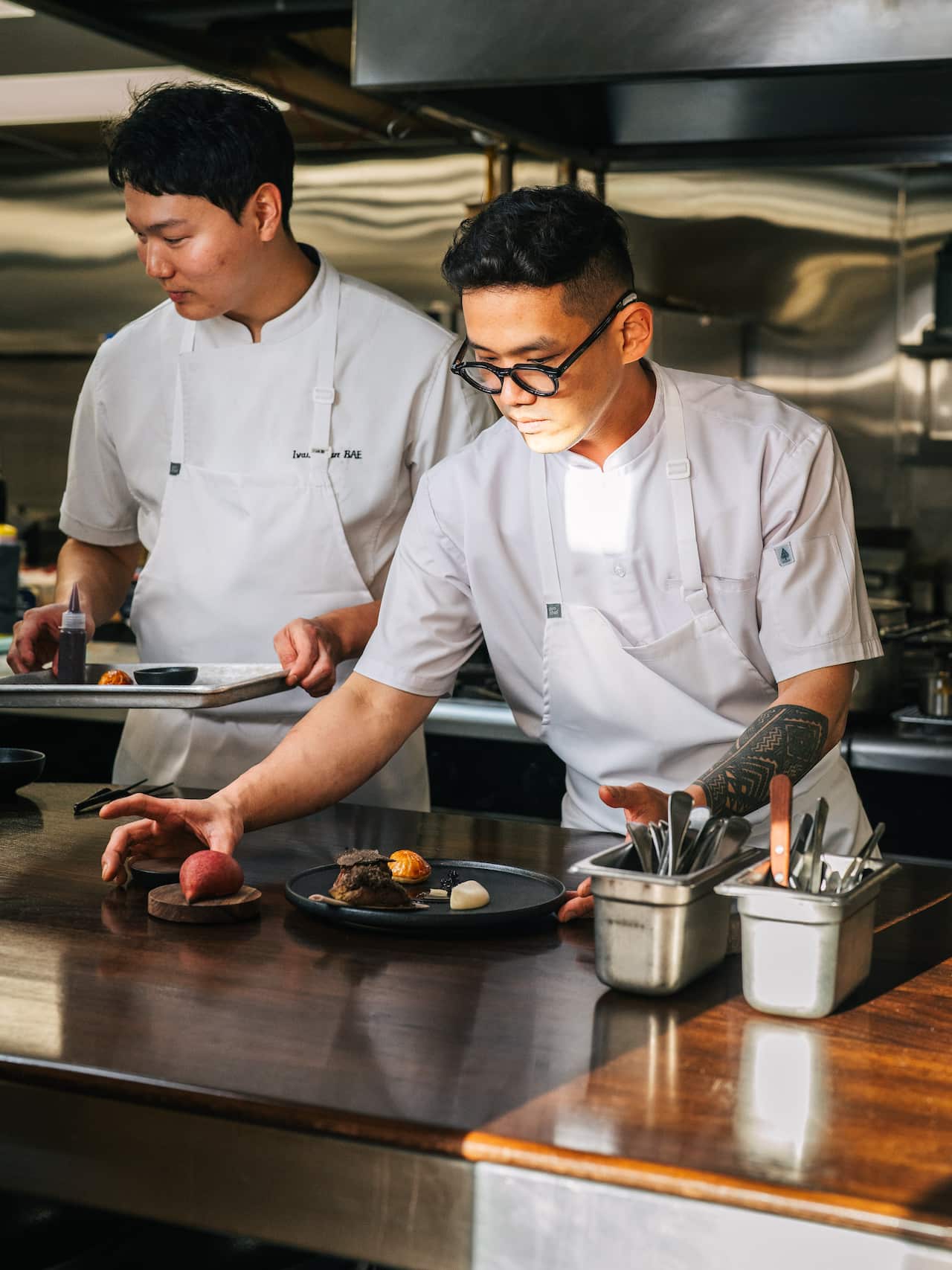
“As a chef, I’m always excited to try new things. That’s when you explore,” Peng says. “You have that excitement, you experience something new, and then you decide whether you enjoy it or not. I think we bring the same approach to the diner.”
Storytelling matters, but the intention isn’t to give guests an essay alongside every course.
“It’s important to have a story or a reason behind the dishes we create,” Peng says. “It gives us a chance to share something about the producer, farmer, fisherman or hunter behind an ingredient. But rather than telling too much of the story, we hope the dish speaks for itself first.”
More significantly, Peng has noticed a change in why some international visitors now come to Queenstown. Food is no longer necessarily something travellers discover between skiing, hiking, wineries and adventure activities. For some, it is becoming part of the reason for booking the trip in the first place.
“I think what has changed is that more people are now travelling to Queenstown with food as part of the reason for coming, rather than discovering it only once they arrive,” Peng says.
Not Australian. Not British. Not a copy of anywhere else.
Perhaps the most interesting consequence of Michelin’s arrival is the conversation it has sparked around what New Zealand cuisine actually is.
Chris believes international visitors have sometimes misunderstood it by trying to fit it into somebody else’s culinary framework.
“That it’s a version of something else. Australian, British, broadly Pacific, people arrive with a frame of reference that doesn’t quite fit,” he says. “New Zealand food at its best is its own thing.”
That doesn’t mean pretending contemporary New Zealand food exists without outside influence. The country’s food culture is multicultural and its chefs have trained, travelled and cooked around the world.
But what distinguishes the food, Scott argues, is what happens when those influences meet this particular landscape.
“The pāua, the karengo, the Central Otago Pinot on the table, none of that exists anywhere else,” he says. “Once visitors understand that, the meal becomes something different. It becomes a reason to travel.”
The New Zealand welcome
For all the international acclaim, however, none of the chefs spoken to want increased recognition to strip away the relaxed hospitality that makes eating in Queenstown distinctive.
Asked to describe the local food scene in three words, Dan chooses “dynamic, collaborative and authentic”. Dynamic because it has changed dramatically over the past decade. Collaborative because chefs, growers, producers and winemakers are increasingly working together. And authentic because, despite the international attention, the hospitality remains unmistakably New Zealand.
A guest might arrive straight from the ski slopes, after walking around the lake or dressed for a milestone dinner. The welcome should remain the same.
For Dan, the most important memory isn’t necessarily a particular course.
“I hope they remember how they felt,” he says. “The food matters, of course, but what stays with people is the sense of welcome, the connection to the region and the feeling that they experienced something genuinely New Zealand.”
And perhaps that is what Queenstown’s Michelin moment really represents. Not New Zealand learning how to cook for the rest of the world. But the rest of the world finally being invited to the table to discover how New Zealand has learned to cook as itself.
The author travelled to Queenstown with support from Air New Zealand and Destination Queenstown. All views are the author's own.

SBS Food is a 24/7 foodie channel for all Australians, with a focus on simple, authentic and everyday food inspiration from cultures everywhere. NSW stream only. Read more about SBS Food

Have a story or comment? Contact Us