For people visiting Japan for the first time, the convenience store might seem like an odd must-visit their friends have recommended – for people visiting for the second time onwards, it's generally the first and last calling. Japan's convenience stores (fondly called 'combini') have earned a cult following for good reason – they're filled with surprisingly good meals, snacks and desserts that locals tend to rely on every day. From fluffy egg sandwiches and crispy karaage to creamy gratins and fluffy cheesecakes, these recipes bring some of their most-loved flavours into your own kitchen.
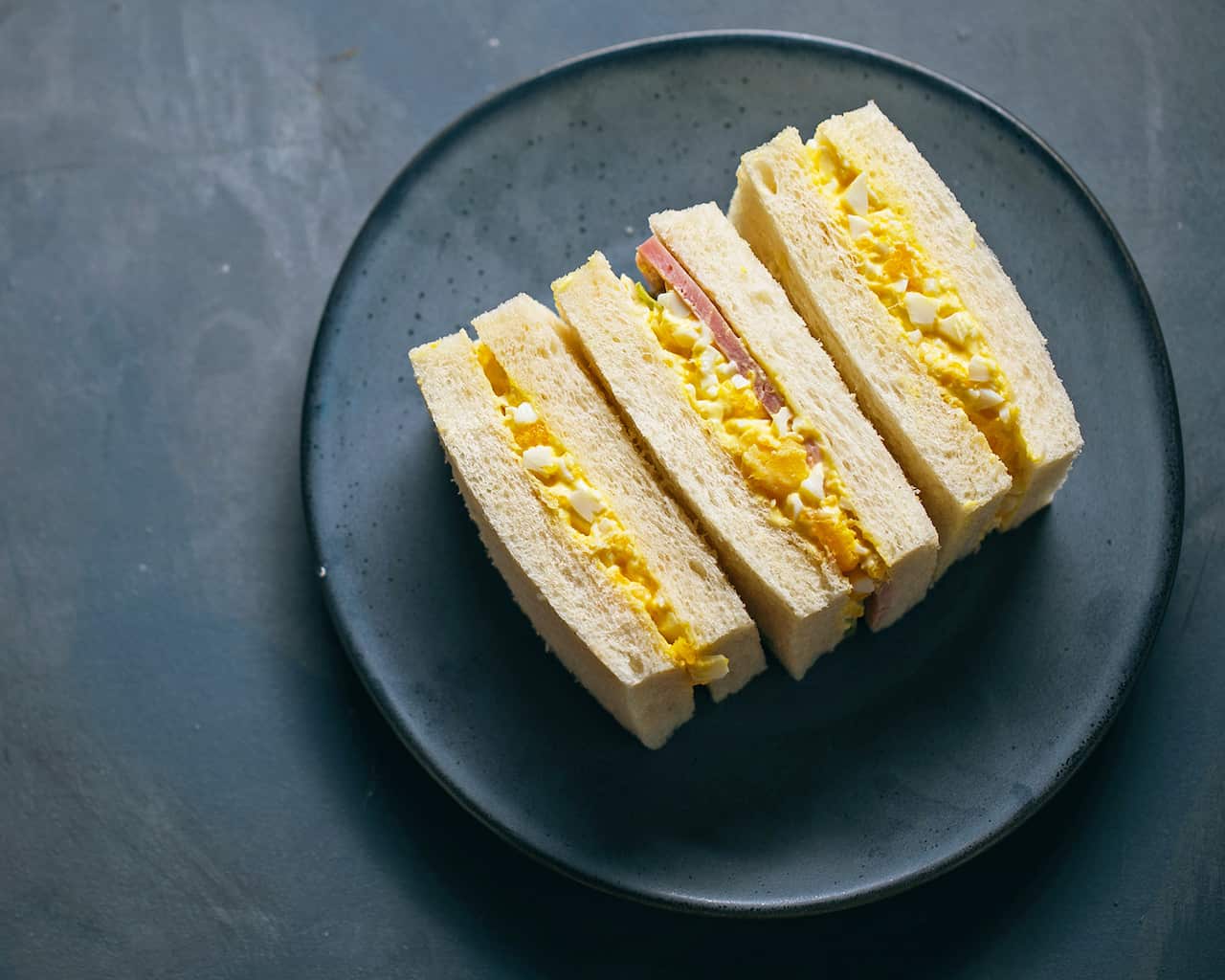
Japanese egg salad sandwiches
The humble egg sando is one of Japan's most famous convenience-store foods. Pillowy milk bread, creamy Japanese mayonnaise and perfectly cooked eggs make it a simple sandwich that's earned a devoted following worldwide.
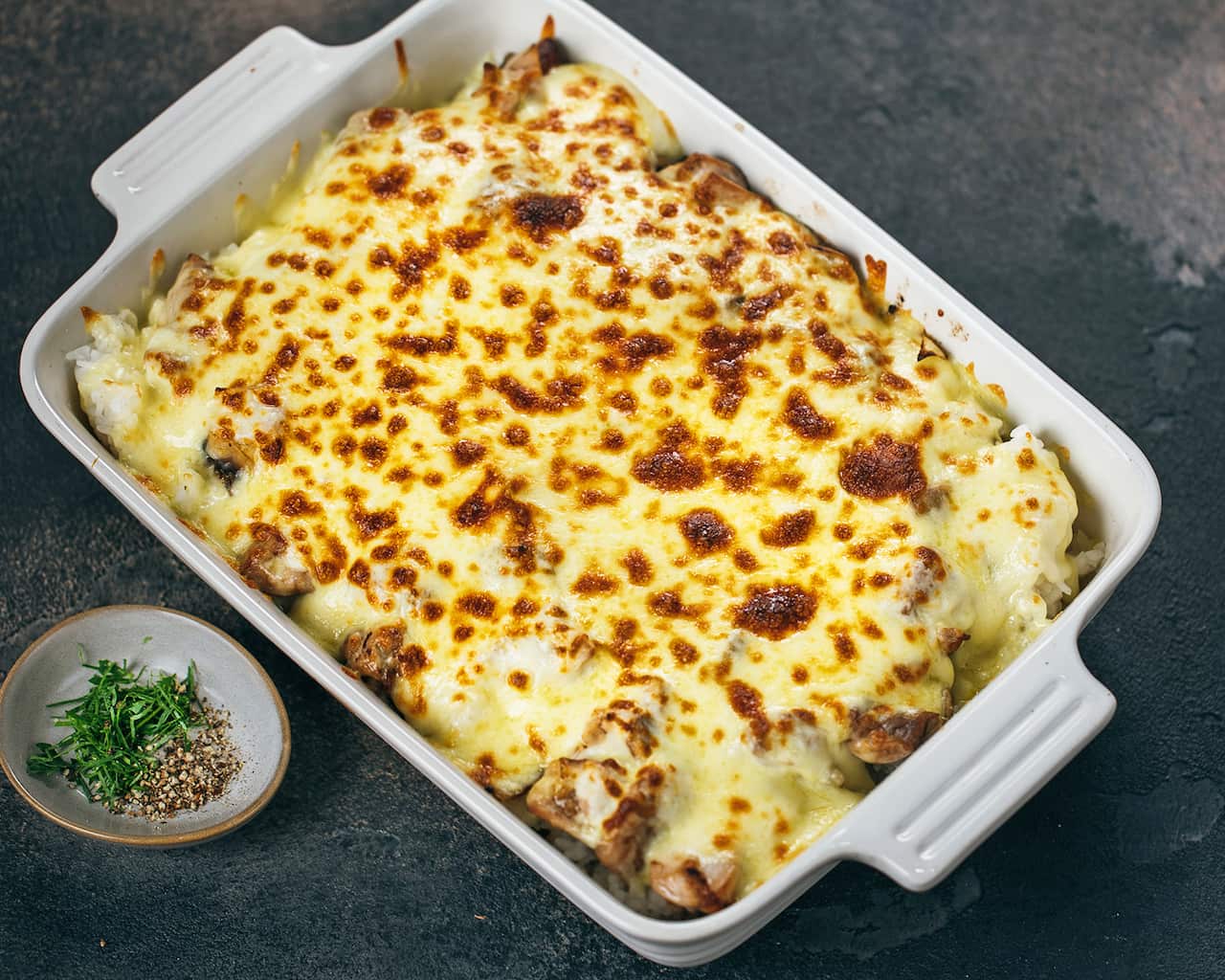
Chicken and mushroom doria
Doria was invented in Yokohama in the 1930s at a hotel restaurant, and Japan has been perfecting it ever since. Rice under bechamel under bubbling cheese, baked until the top browns in patches – chicken and mushroom is the everyday version, though seafood and curry doria fill the fridges of Family Mart and Lawson too.
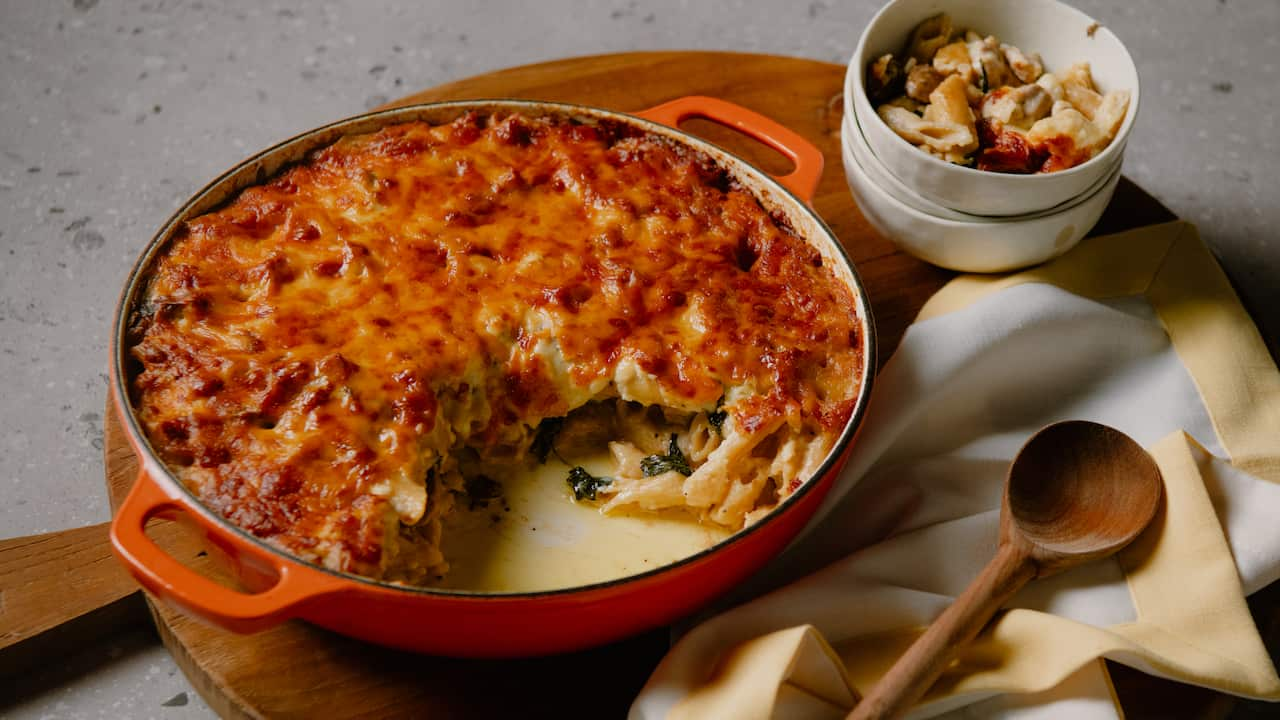
Japanese chicken gratin pasta
Japan has made gratin its own, adapting the French technique into countless home-cooked, cafe and convenience store favourites. Adam's version layers macaroni with chicken and mushrooms in a tomato sauce, blanketed with bechamel and cheese, baked until bubbling and browned on top.
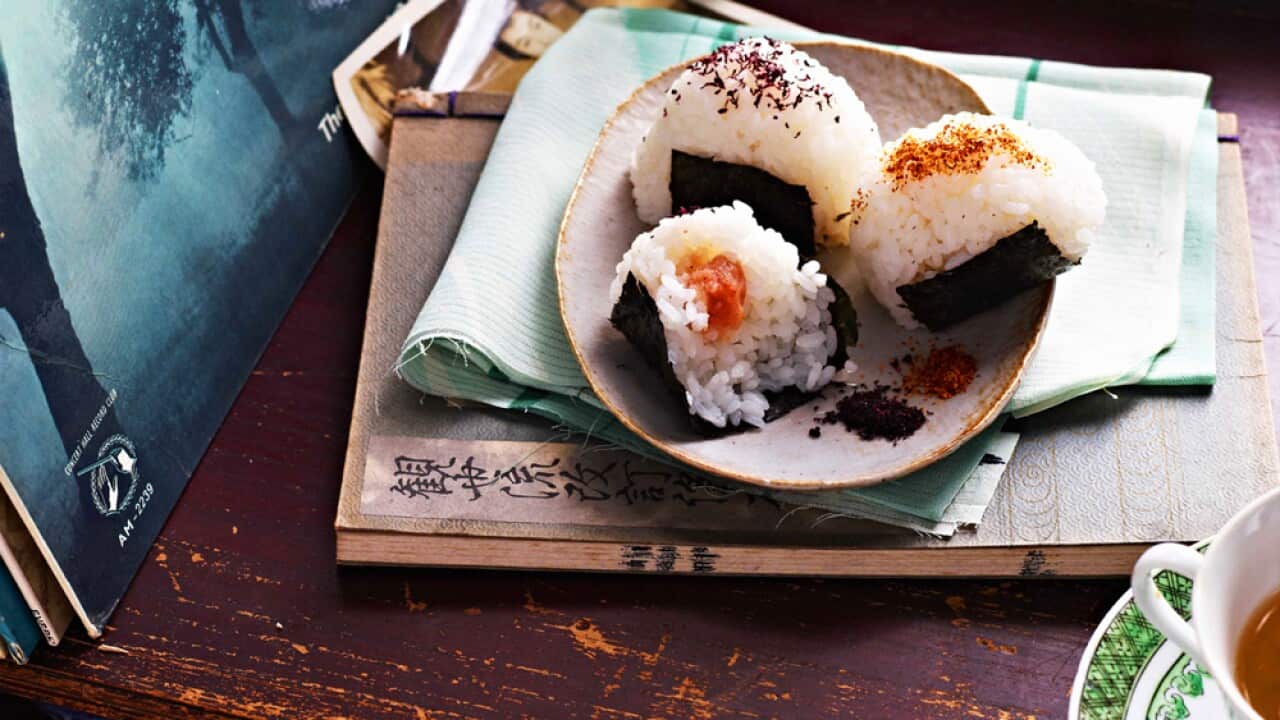
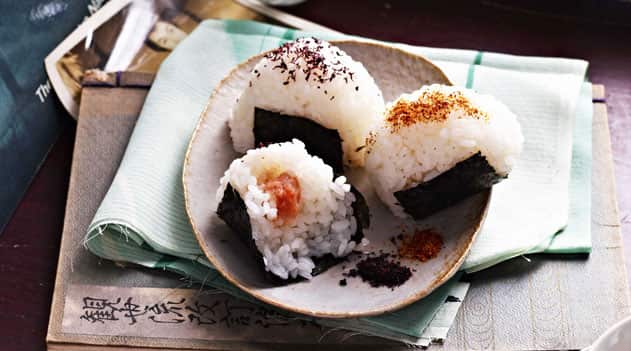
Filled rice balls (onigiri)
Whether it's breakfast, lunch or a late-night snack, onigiri are one of Japan's most reliable convenience-store meals. Learn two traditional fillings to recreate this everyday favourite.
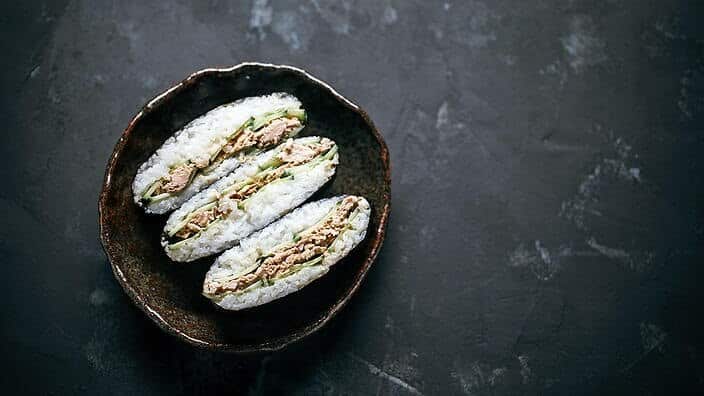
Onigirazu
Think of onigirazu as onigiri's sandwich-shaped cousin. A wife in the 80s made the 'rice sandwich' for her kid out of practicality, and a manga artist (her husband, Tochi Ueyama) later put it in his strip 'Cooking Papa'. Rice, filling and nori all pressed flat between plastic wrap, then cut in half to show the layers. Tuna mayo with cucumber is the go-to.
Norimaki (nori rolls)
Making norimaki from scratch takes a little practice, but the results are worth it. This recipe walks you through rolled sushi filled with classic Japanese ingredients like shiitake mushrooms, carrot and tamagoyaki.

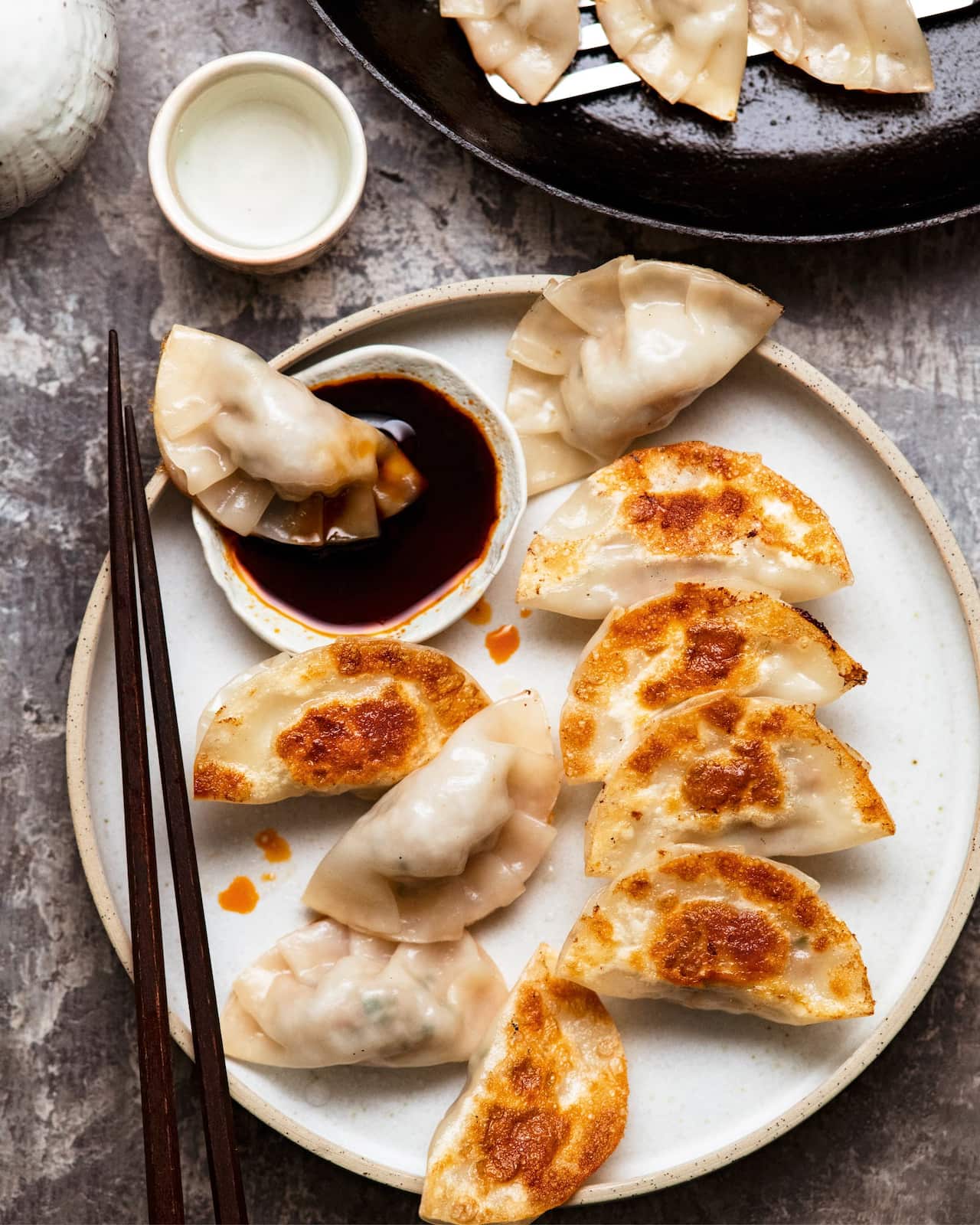
Gyoza
Every Japanese combini has a tray of freshly made gyoza that will rival any izakaya or ramen shop. If not warm, you can heat them up in the microwaves on-site. There's also typically bags of frozen gyoza in the freezer aisle – ready to take home and cook up a bunch for family and friends. Expect the beloved pleated half-moon shape, thin wrapper and juicy pork-and-cabbage filling.
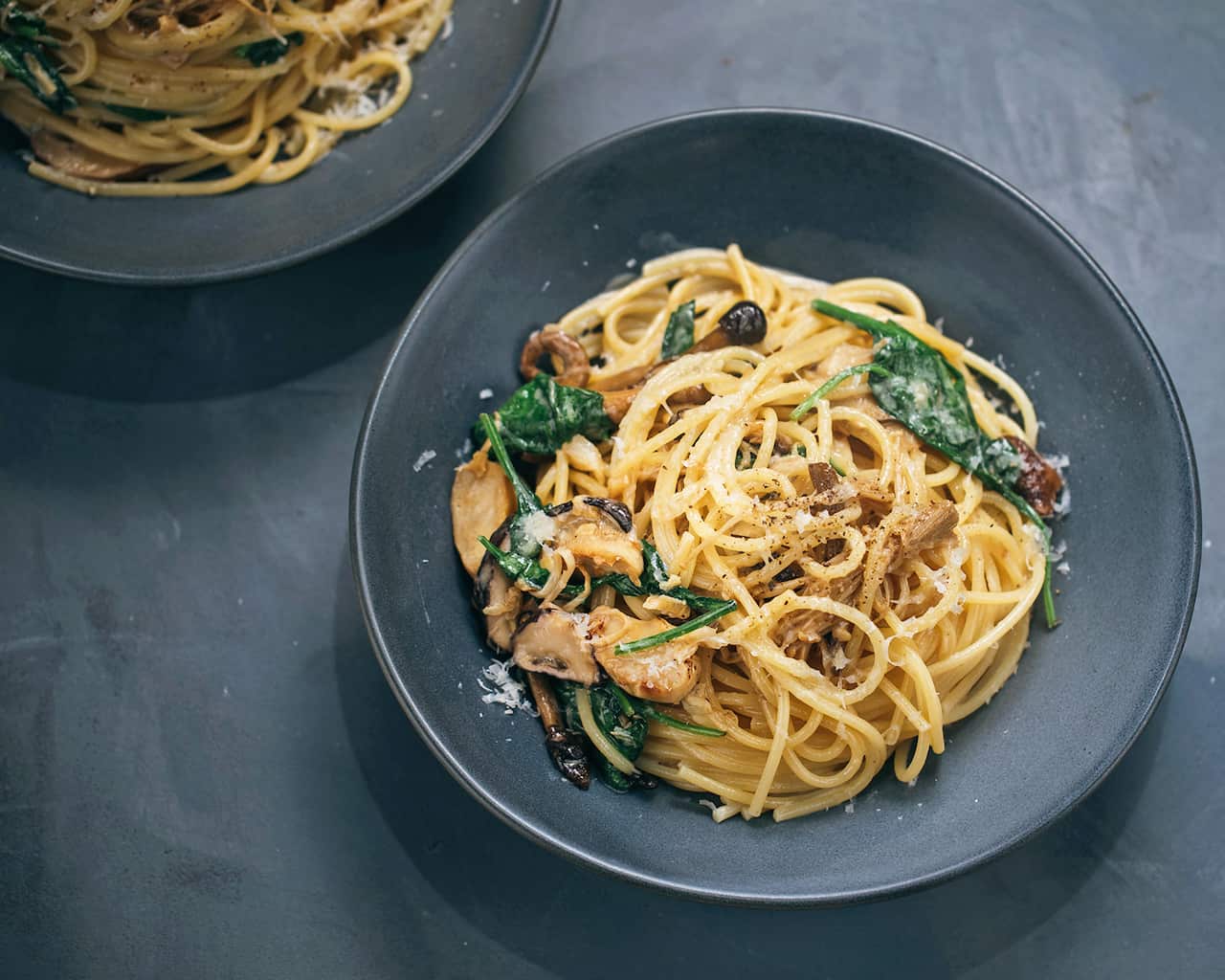
Japanese mushroom and spinach spaghetti
You don't have to visit a Japanese pasta chain to enjoy wafu pasta (although, it does come highly recommended). This creamy mushroom spaghetti pairs Japanese mushrooms with soy sauce and butter to create a simple dish that delivers deeply savoury, umami-rich flavours.
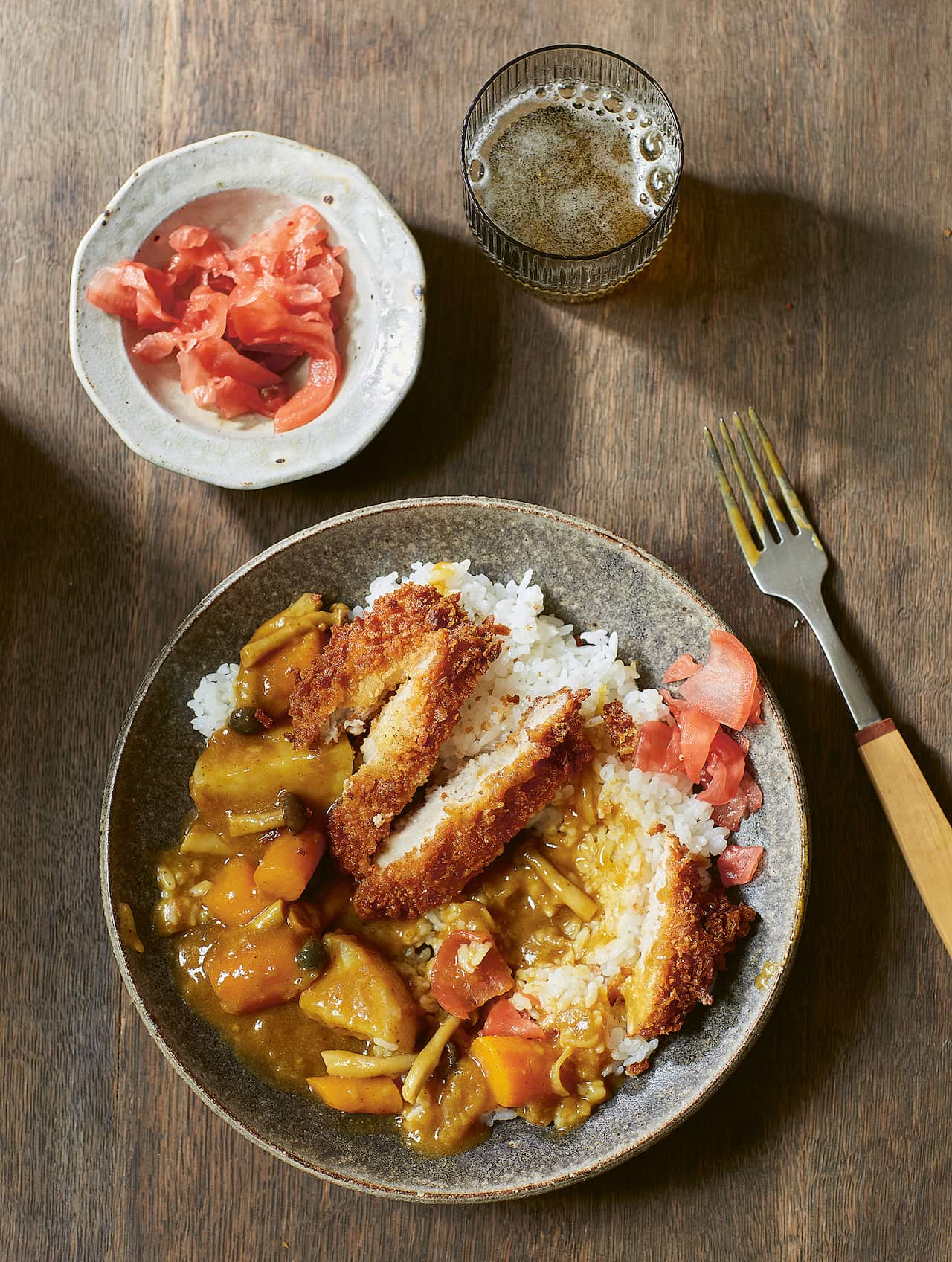
Katsu kare (katsu curry)
Every Japanese combini has katsu kare – a bowl of rice topped with a panko-covered cutlet of pork or chicken, and curry sauce. You can even have it warmed up at the register while you pay. The curry roux is deep and slightly sweet, the katsu crisp under the sauce, the rice still hot underneath – perfect couch comfort food.
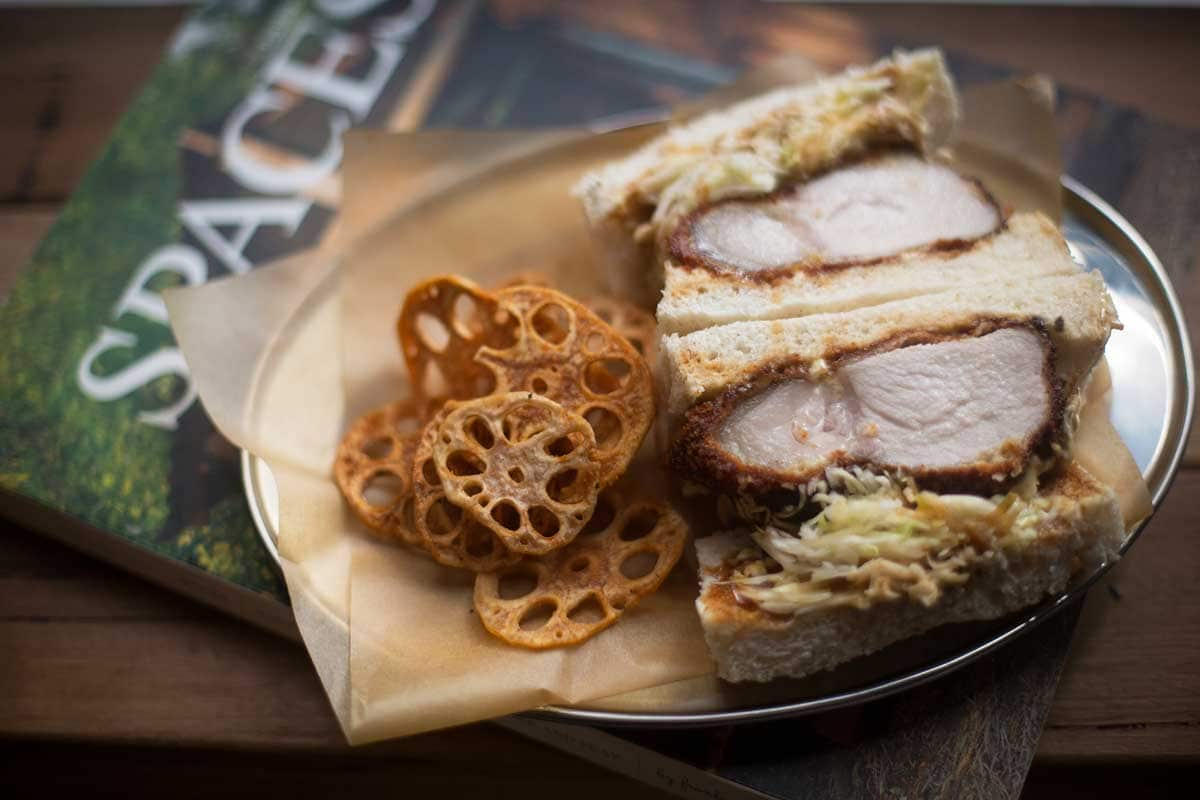
Naoya Shimada's tonkatsu sando (pork katsu sandwich)
The tonkatsu sando proves that sandwiches don't need complicated fillings to be memorable – but that each element must be perfectly executed and fresh: golden-fried pork cutlet, soft milk bread, shredded cabbage and a sweet-savoury sauce. Shimada adds a flourish of slaw in place of standard cabbage, adding fennel and apple.
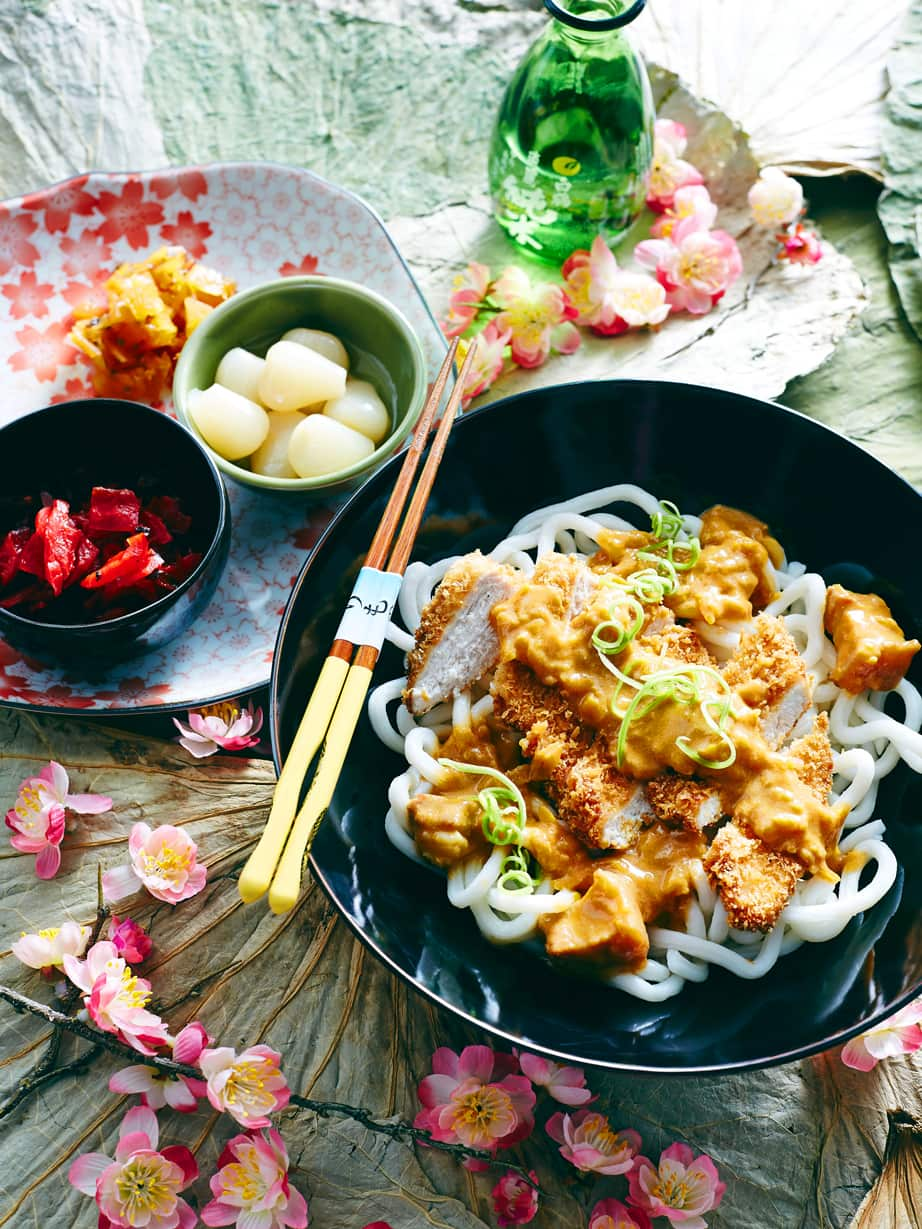
Curried chicken katsu udon (tori katsu kare udon)
Curry udon lives at the intersection of two Japanese comfort foods – kare (curry) and udon (thick, white wheat noodles). The noodles come served hot and cold in an endless variety of ways, with the thick variety making you feel like a manga character while you slurp them up. In this version, the udon are served in a glossy curry broth, silky and faintly spiced, with a panko-crusted chicken katsu that soaks up the sauce.
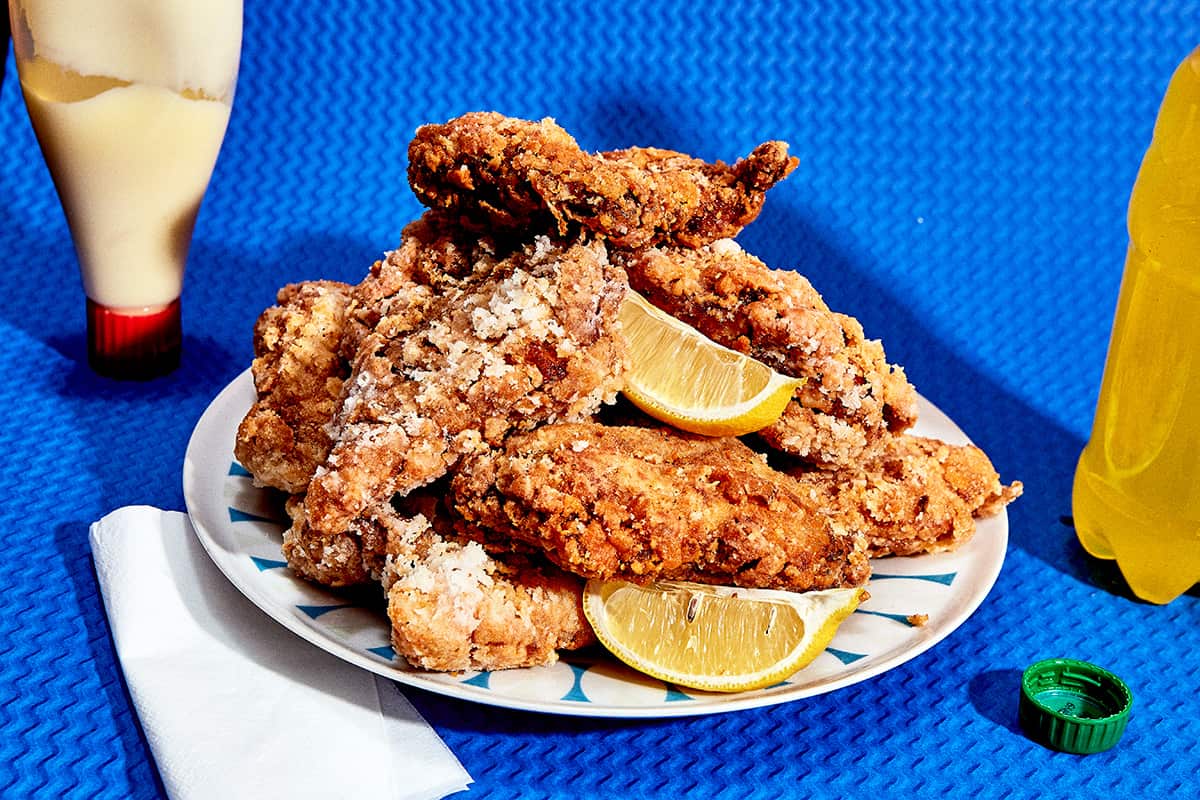
Karaage chicken
Karaage is Japan's answer to fried chicken: bite-sized, deeply seasoned and famously crisp. While every cook has their own karaage marinade, the signature crisp coating comes from potato starch rather than flour.
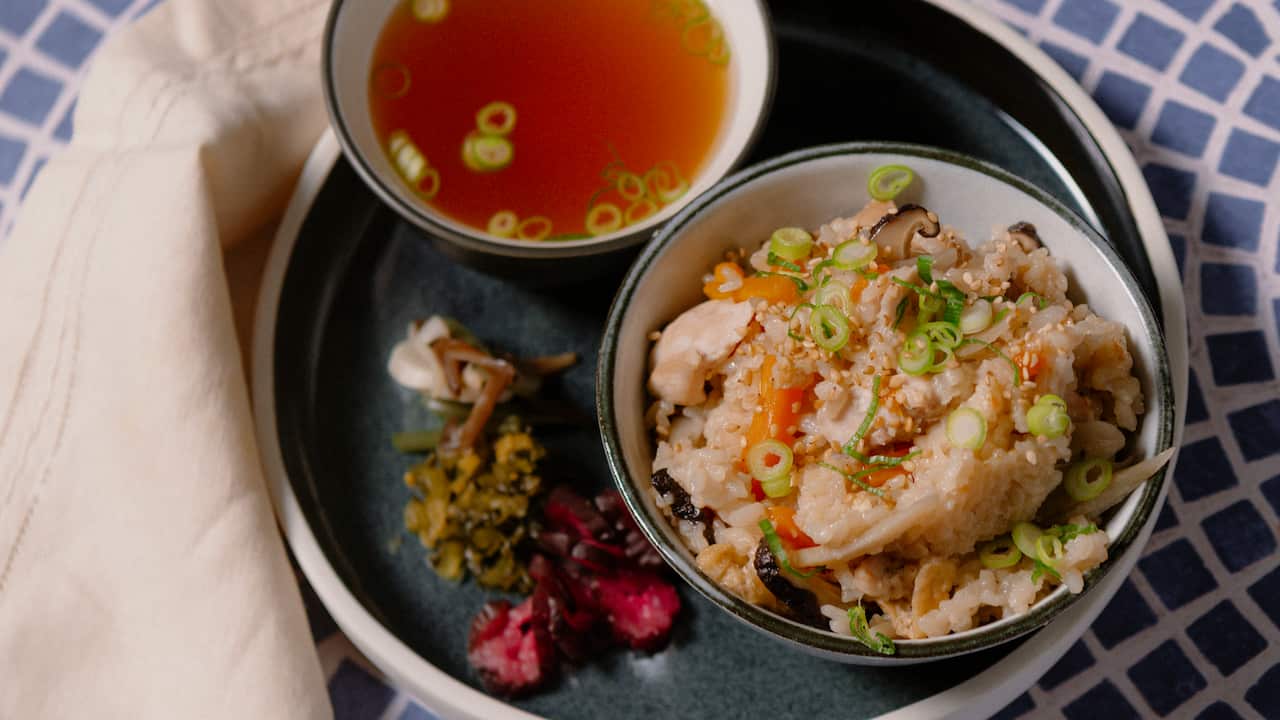
Takikomi gohan (Japanese mixed rice)
Long before rice cookers made it an easy weeknight meal, takikomi gohan (Japanese mixed rice) was a practical way to stretch rice with seasonal vegetables and whatever ingredients were on hand.
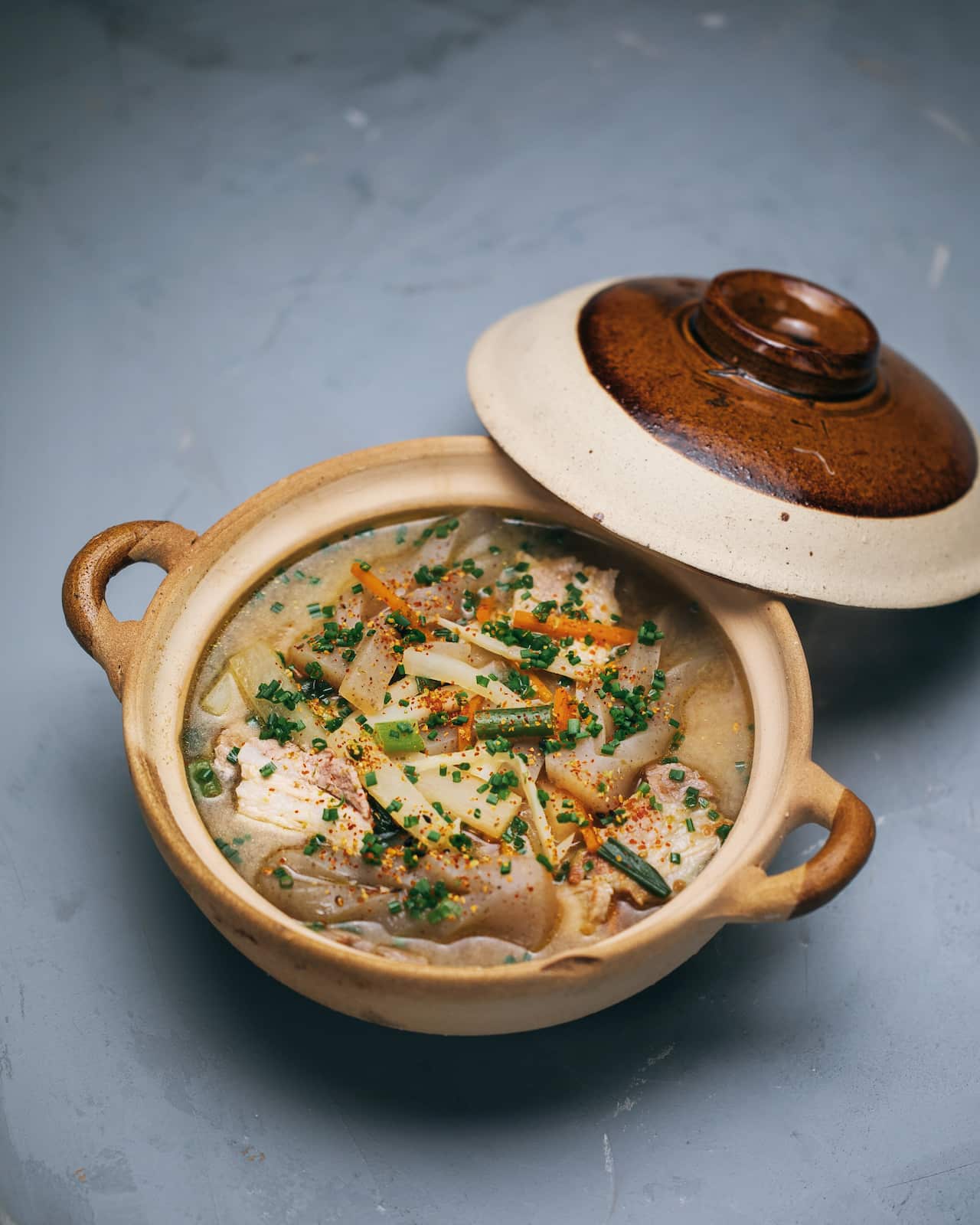
Tonjiru (Pork soup)
While miso soup is served alongside a meal, tonjiru is hearty enough to be the meal. Pork and root vegetables turn Japan's everyday soup into something much more substantial.
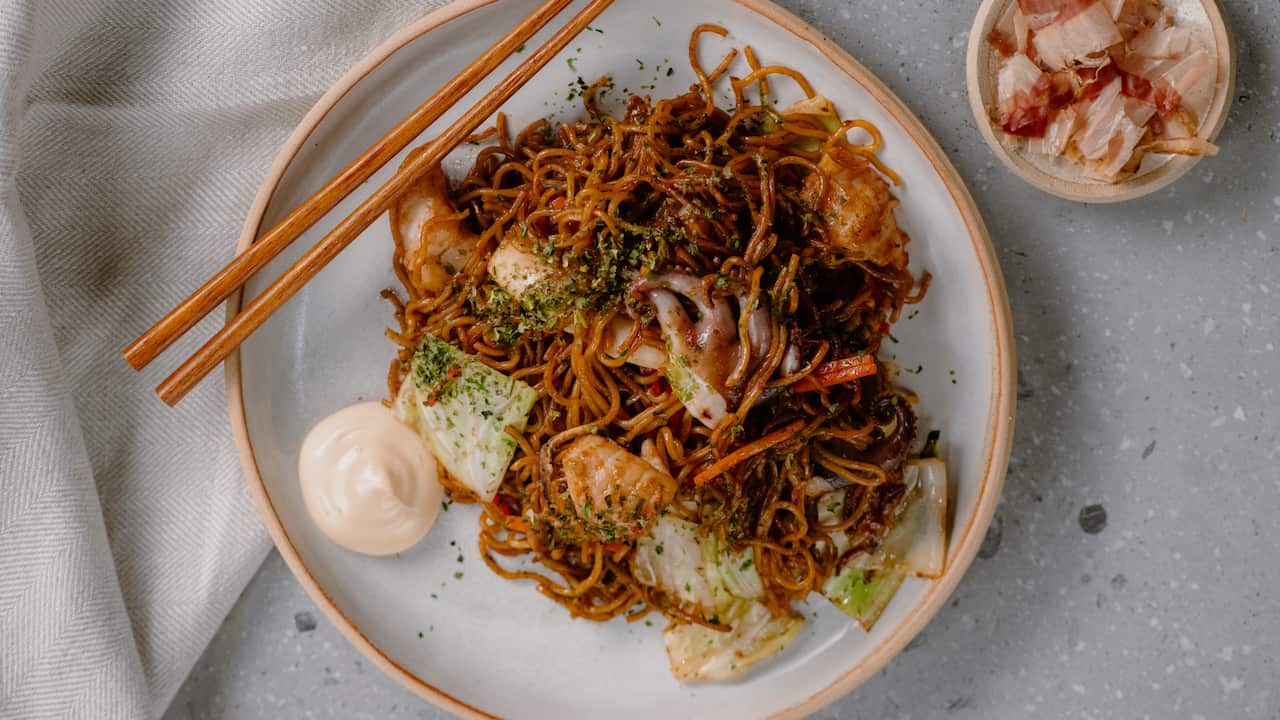
Yakisoba
Yakisoba is classic Japanese festival and street food – where you'll see teppanyaki masters flipping noodles and then forever relate the dish with New Year festivals, summer fireworks, sumo matches and shrine visits. Between festivals, you can relive the experience through little plastic containers of freshly made batches. Adam's home-style wok version uses a sweet-savoury sauce, finished with popular toppings: pickled ginger, aonori and bonito flakes catching the steam.
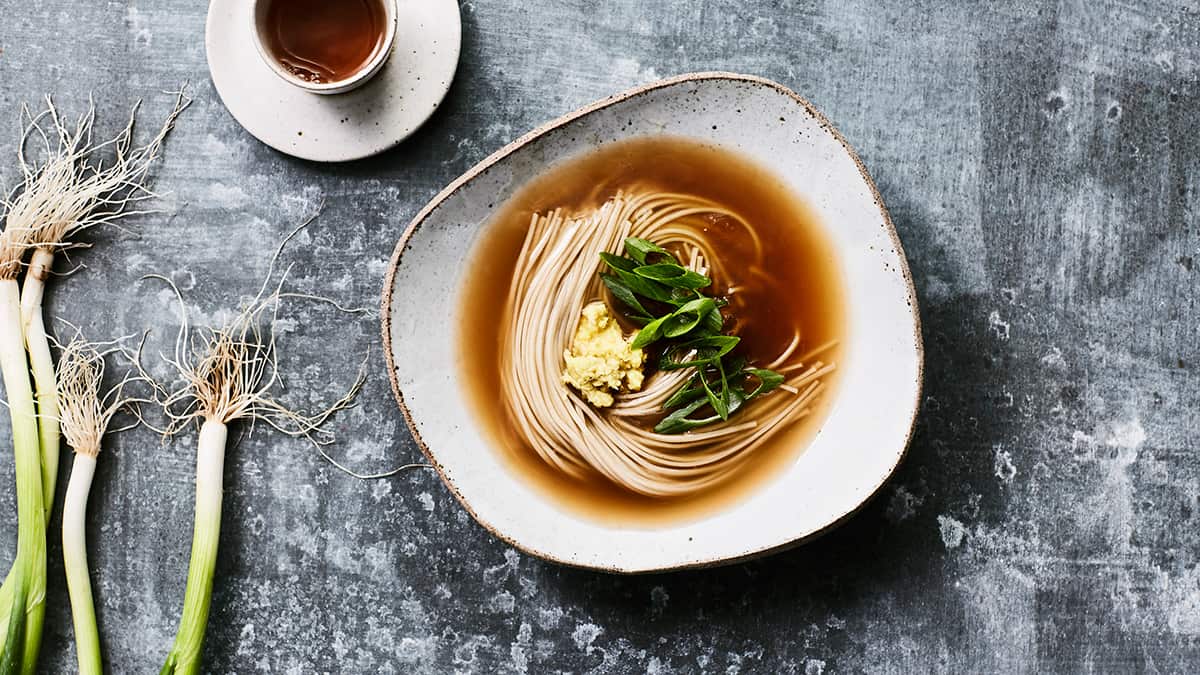
Soba noodles with ankake broth (ankake soba)
Where in Australia, we like to serve soba with a rainbow of vege, toppings of nuts and seeds, maybe some grilled protein, in Japan, they're typically served pretty straight-up. Sometimes (especially in summer) a pile of chilled noodles with cool soy sauce for dipping, a pile of grated wasabi and a pile of grated daikon. In winter, an ankake broth is popular – the glossy sauce in ankake soba isn't just for appearance. Thickened with starch, it keeps the noodles hotter for longer while coating every strand, making it an ideal dish for colder months.
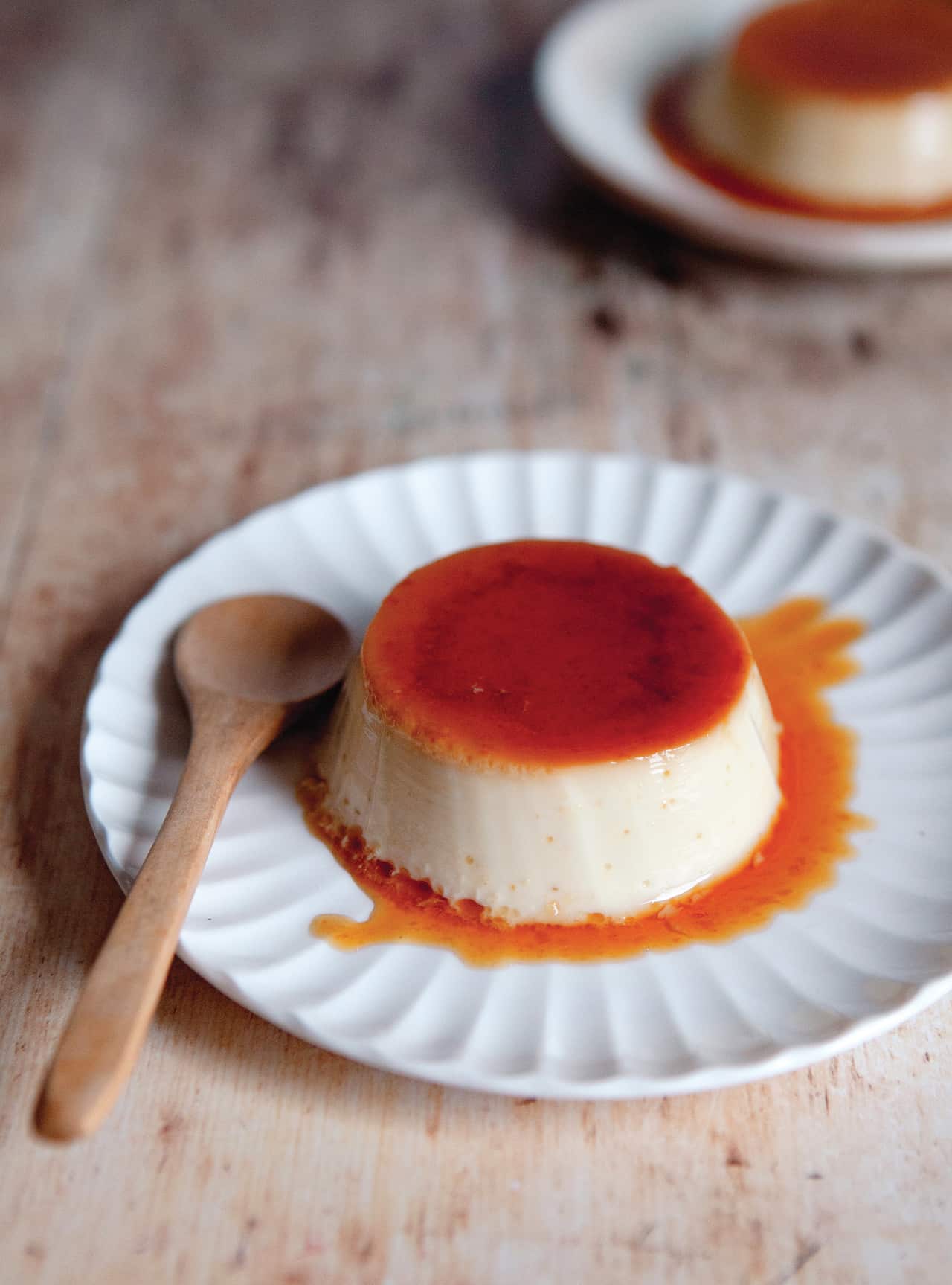
Soy sauce pudding (shoyu purin)
It sounds counterintuitive, but a few drops of soy sauce can make caramel taste even more caramel-like. Used sparingly, it adds depth and savouriness without making the dessert taste salty.
Fat Pocky
Since its debut in the 1960s, Pocky has become one of Japan's most recognisable snacks, spawning countless flavours and limited editions. This homemade version by Adam Liaw, created for his kids as a cheap treat for school lunch, has become a global sensation – and the easiest part, they use breadsticks instead of having to make the fine biscuit sticks. An easy win.

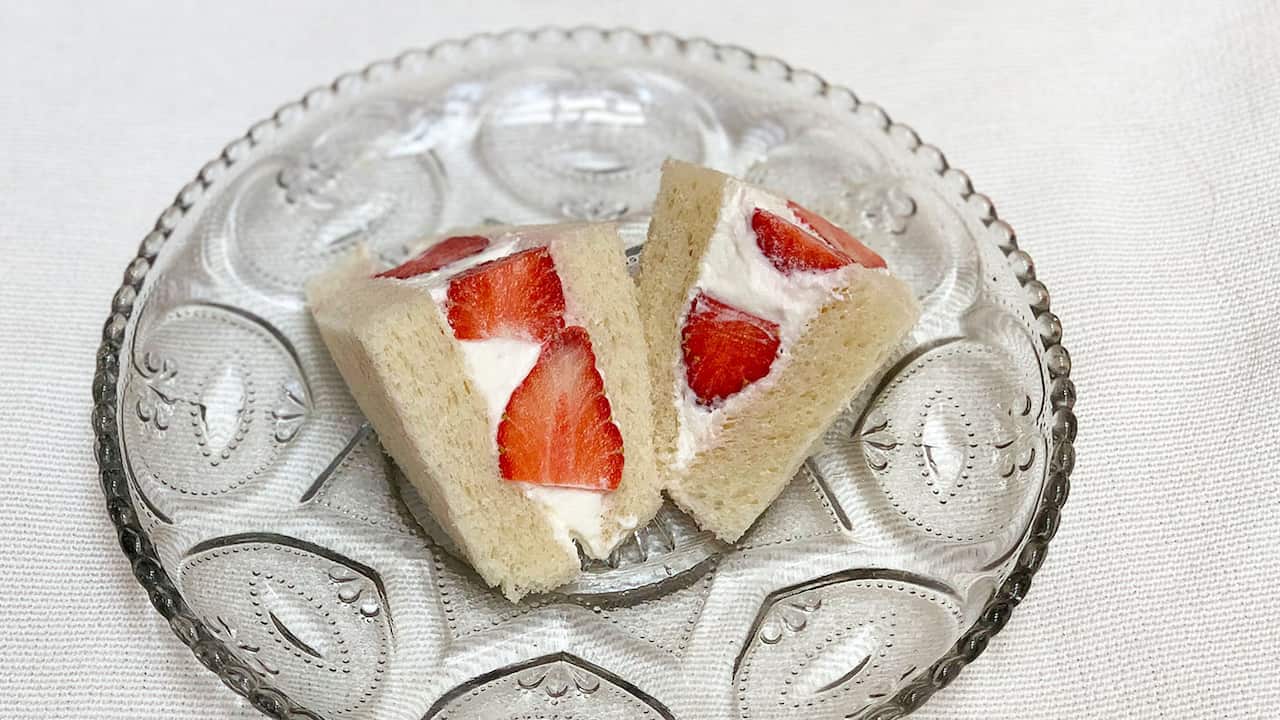
Fruit sando
Perfectly aligned fruit isn't just for looks – Japanese fruit sando are carefully assembled so every slice reveals a picture-perfect cross section.
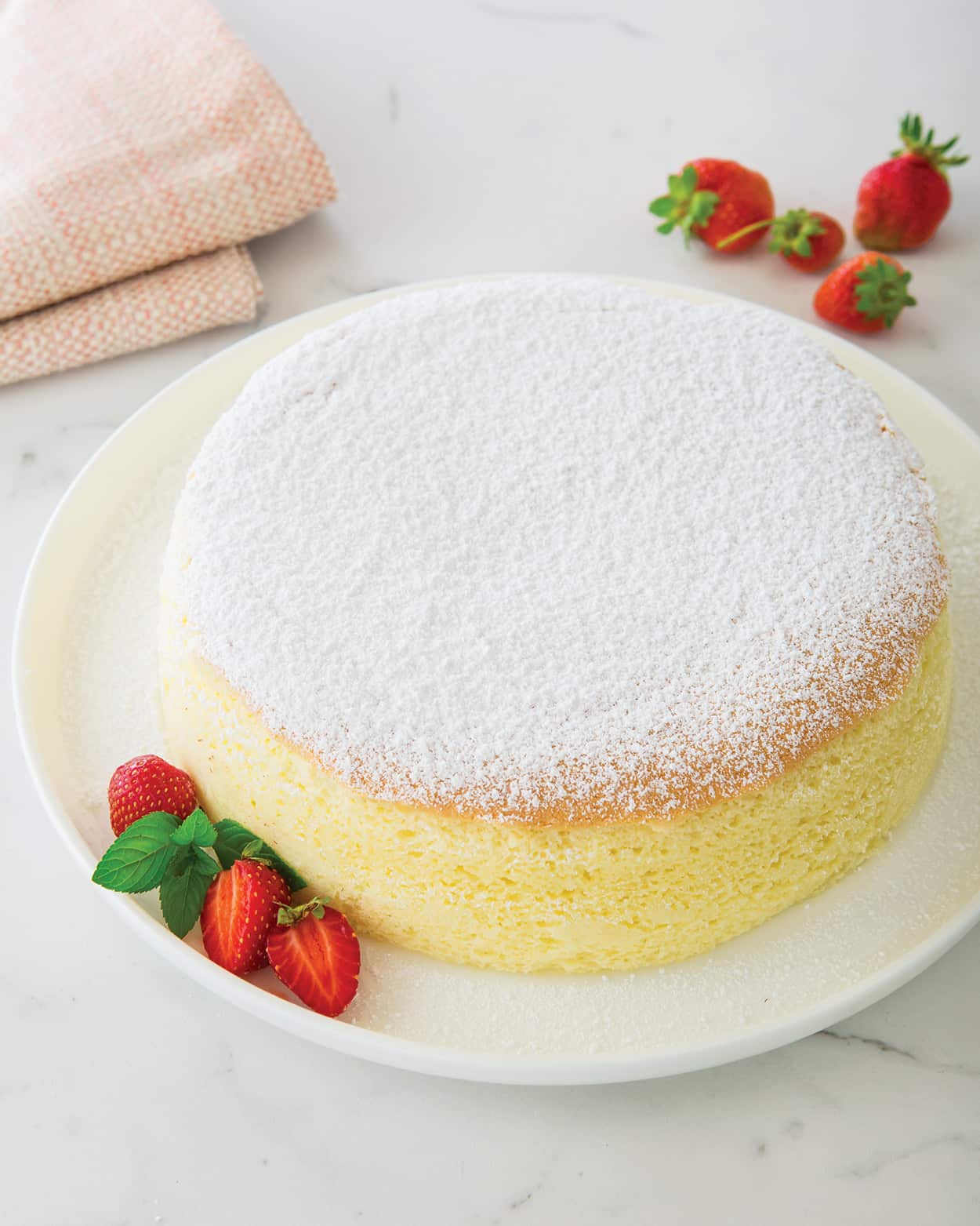
Cottony Japanese cheesecake
Neither quite cheesecake nor quite soufflé, Japanese cheesecake sits somewhere in between. Its signature wobble comes from whipped egg whites folded into the batter, creating a cake that's remarkably light despite its rich ingredients.
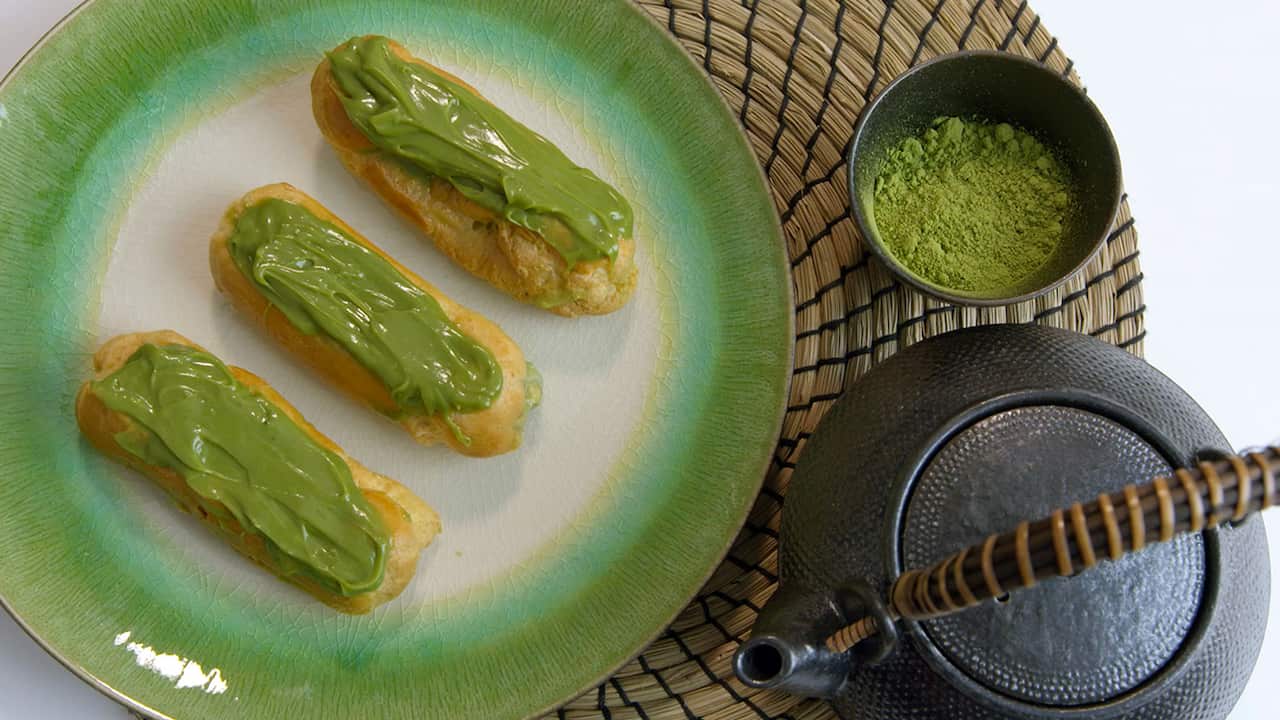
Matcha green tea eclairs
French éclairs may seem an unlikely partner for Japanese green tea, but matcha's grassy bitterness is a natural foil for rich crème pâtissière and sweet white chocolate. It's a cross-cultural pairing that feels surprisingly effortless.
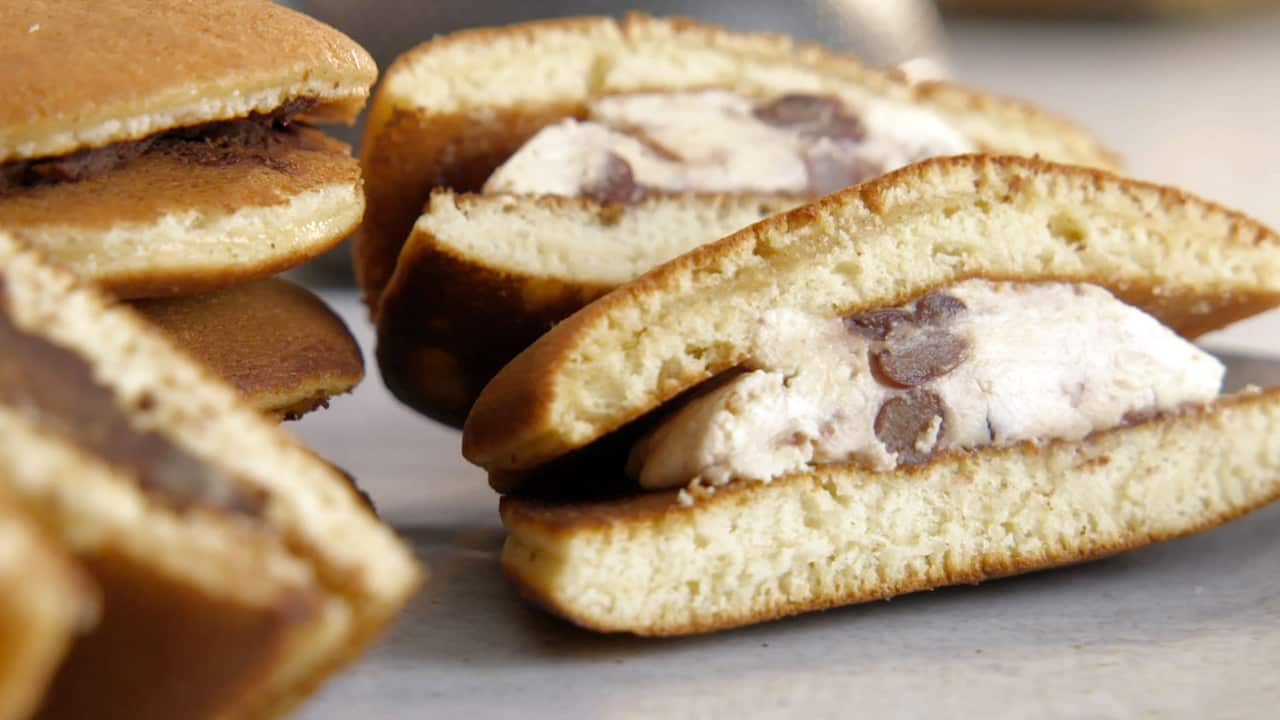
Chocolate and red bean dorayaki
For many people outside Japan, dorayaki is forever linked with the cartoon character Doraemon. Long before that, these fluffy pancake sandwiches filled with sweet bean paste were already a much-loved traditional confection.
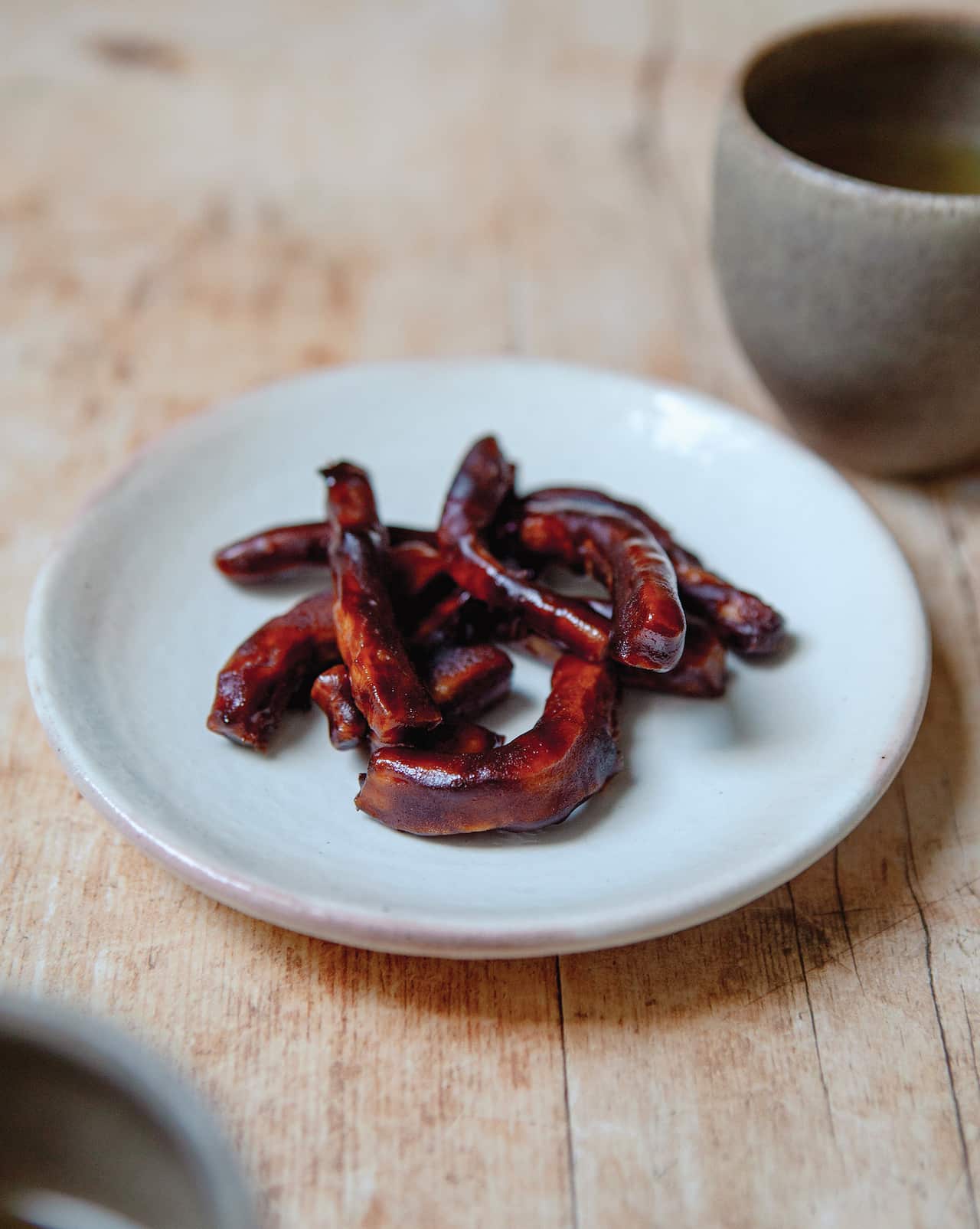
Karinto
Karinto is thought to date right back to the Nara period (710 to 794 CE), when it arrived from China as a Buddhist temple offering. Now it's an old-fashioned snack you find at the counter of neighbourhood sweet shops – small deep-fried sticks of dough coated in brown sugar or black sugar syrup. Crunchy, glossy, slightly caramel, deeply nostalgic in Japan.

SBS Food is a 24/7 foodie channel for all Australians, with a focus on simple, authentic and everyday food inspiration from cultures everywhere. NSW stream only. Read more about SBS Food

Have a story or comment? Contact Us