Over the years as a chef I’ve found that the thing that surprises home cooks the most about unlocking flavour is almost always the seasoning. This simple aspect of the recipe comes in many forms, depending on what you’re cooking, but usually we’re talking about salt. If you over-season something you can easily ruin the entire meal, which is a travesty. To avoid this, you might play it safe and under-season; the result may be acceptable but is often a bit bland.
The correct amount of salt turns up the volume of the flavours already present in the dish – you don’t want the dish to taste of salt, you want the salt to bring the flavours up to the surface. This couldn’t be more true for the water you’re going to cook your pasta in.
I can’t emphasise enough the difference correctly seasoned water will make to the final plate of pasta!
You need to season the water to resemble mild sea water, which is roughly a fistful of salt for around 5 litres of water (although it depends on the size of your hand!). I know it sounds a lot but remember that only a fraction will be absorbed into the pasta; the majority will remain in the water. I can’t emphasise enough the difference correctly seasoned water will make to the final plate of pasta!
Once you start seeing the results, I’ll bet your new-found confidence with seasoning will enhance your overall cooking game. If by chance you over-salt the water, it’s the best way to learn what not to do. Just be sure to taste the water before you use it; you can always dilute with fresh water or if it’s really salty pour it away and start again – remember, it should taste like mild sea water.
As pasta cooks, you’ll notice the seasoned water turns a bit murky from the starch in the flour – this is the good stuff! Don’t pour it all down the sink – you’ll need some cooking water to help loosen the sauce when you’re combining it with the pasta, and this starch works very subtly to help change the viscosity of the dish.
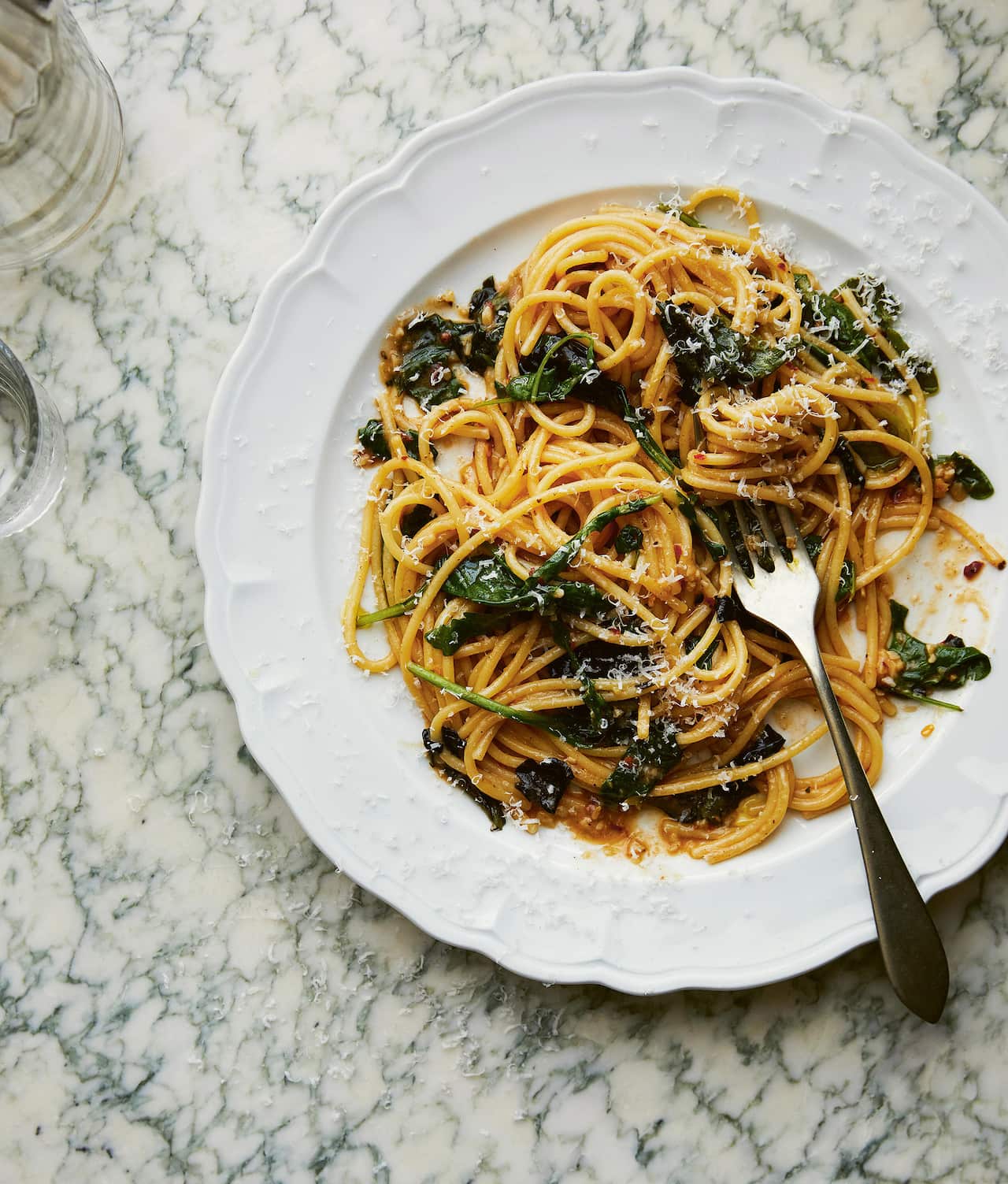
Reserved pasta water helps create the sauce in Tim Siadatan's recipe for spaghetti with sad salad leaves, chilli, anchony and garlic.
Be mindful not to add extra salt until you’ve tasted the complete dish at the end. I recommend using coffee mugs to fish out some water before straining the pasta through a colander, but putting a bowl under a colander in a sink also works well.
Life is too short to eat bad pasta and I’ll assume if you bought Padella that you agree. A lot of the recipes require you to vigorously stir or toss cooked pasta with a sauce while adding splashes of hot starchy pasta water to make it more viscous or creamier. The process is a combination of two simple cooking techniques: mantecatura and spadellare. If you learn and master them both, along with a few other simple techniques, you’ll cook and eat incredible pasta for the rest of your life.
Mantecatura
Mantecatura is essentially combining fat, such as olive oil or butter, together with the ragu or sauce in a pan on direct heat, adding hot starchy pasta water to loosen it and create an emulsion. Beef shin ragu is delicious by itself, but add a small amount of hot pasta water and melt a knob of butter into it and it elevates the ragu to a new dimension. The same technique is used when you add butter and/or cheese to risotto at the end of the cooking process: you can see the difference as you stir it through and the risotto immediately looks more appealing.
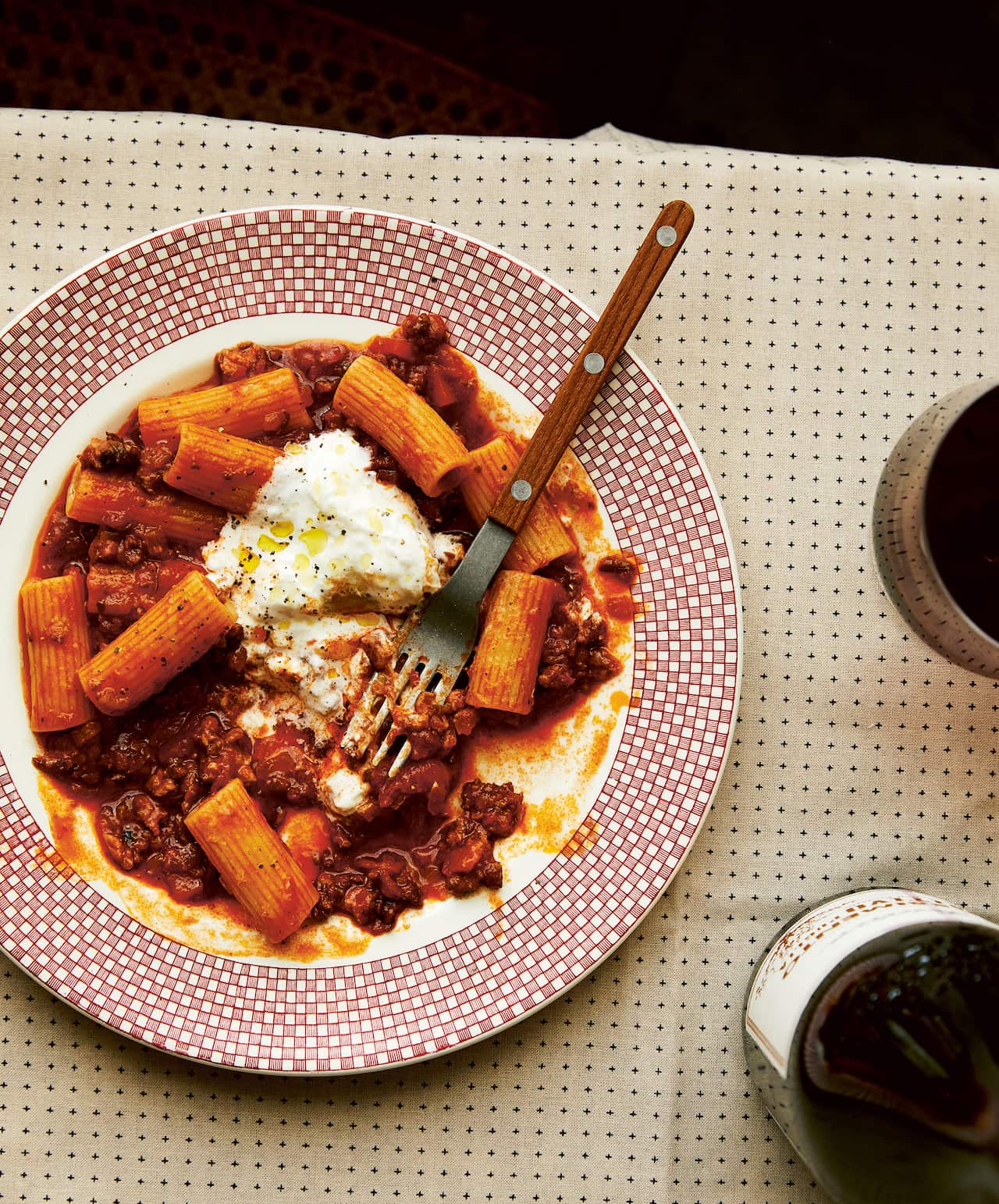
Pasta water is stirred into a spicy pork ragu for a rigatoni dish that Tim Siadatan describes as "so tasty I don't really know what to say apart for give it a go and see for yourself".
Spadellare
If you’ve ever been to Padella, you’ll have seen that we have hundreds of pans above the stove in the kitchen – each portion of pasta gets tossed in its own pan for around 30 seconds before it’s plated. At home, I tend to use a wooden spoon or metal tongs to stir the pasta and sauce together, as I don’t want to get sauce on my shirt or stove. Regardless of whether you toss or stir, you need to vigorously work the pasta and sauce together over heat for at least 30 seconds, adding starchy pasta water to keep the sauce loose: there are two things happening here – the water is evaporating, and simultaneously the starch from the pasta is thickening the sauce, making it smoother and more viscous, and ensuring the sauce is evenly distributed around the pasta. Spadellare is where the magic happens!
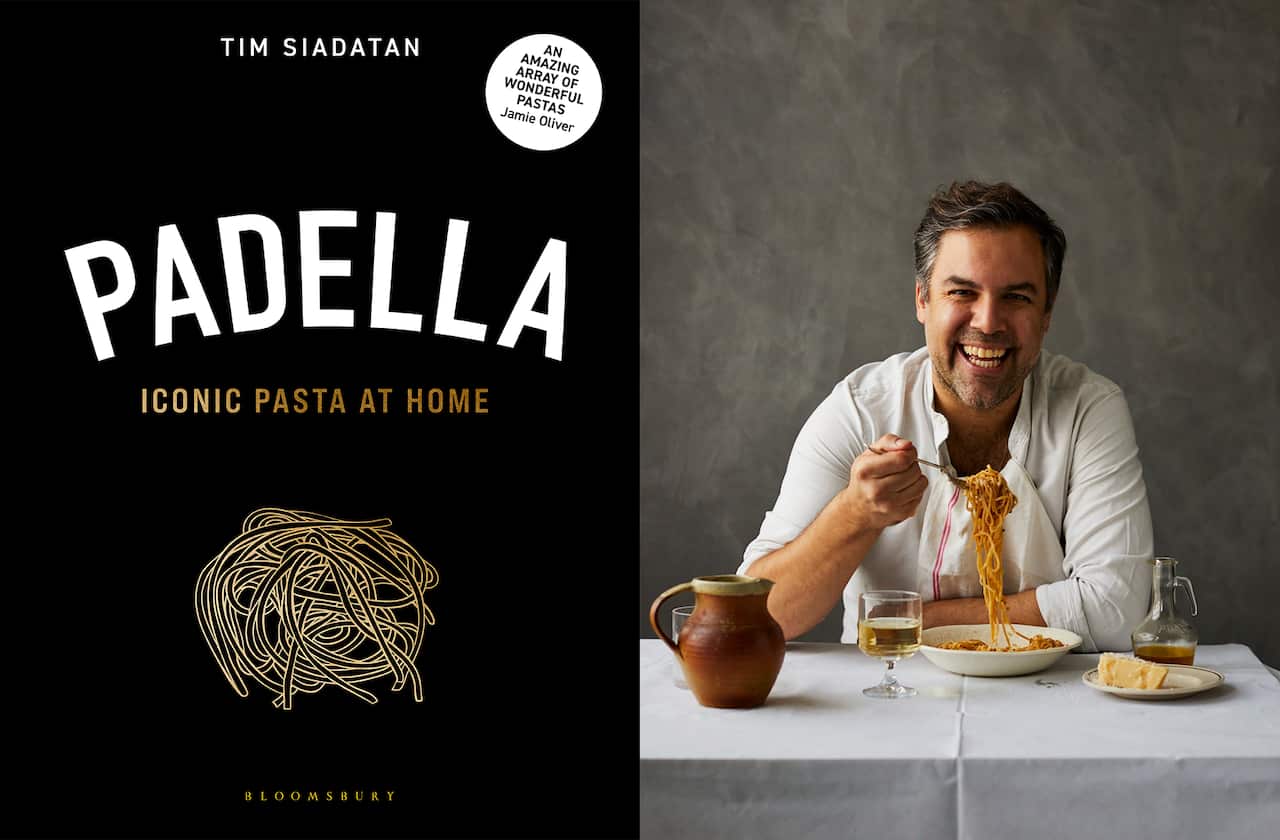
This is an edited extract from Padella by Tim Siadatan (Bloomsbury Publishing, $49.99).

SBS Food is a 24/7 foodie channel for all Australians, with a focus on simple, authentic and everyday food inspiration from cultures everywhere. NSW stream only. Read more about SBS Food

Have a story or comment? Contact Us