Honeybees are truly one of the most resilient species on Earth. They’ve adapted to ice ages, outlived the dinosaurs and spread to every continent except Antarctica.
Inside their hive, thousands of bees work together with a precision that rivals any machine, shaped by millions of years of evolution. Their cooperative nature, resourcefulness and endurance are nothing short of remarkable and a contributing factor to their longevity.
Their cooperative nature, resourcefulness and endurance are nothing short of remarkable...
But even the most adaptable creatures have limits, and today, honeybees are facing an unprecedented set of pressures – most of them driven by human activity. Around the world, some colonies are thriving, while others are struggling or collapsing altogether. Headlines often focus on numbers – how many hives exist, whether bees are ‘disappearing’ – but the real story is more complex. It’s not just about how many bees exist. It’s about the health of their colonies and the increasing fragility of the ecosystems that support them.
The threats that bees face are varied and interconnected, with implications not just for bees and beekeepers, but for all of us who depend on healthy ecosystems.
Pesticides and industrial agriculture
In a world where food production increasingly depends on pollination, honeybees are more in demand than ever. But the very systems that rely on them – industrial farms, large-scale orchards and monoculture crops – are also contributing to their decline. Where once bees foraged among wildflowers, orchards and hedgerows, they now encounter vast fields of a single crop, often treated with synthetic fertilisers and pesticides. Pesticides are one of the biggest challenges. While used to protect crops, many chemicals – including systemic insecticides, herbicides and fungicides – can also harm pollinators.
Monoculture farming compounds the issue. Bees, like humans, thrive on a varied diet. They need different kinds of nectar and pollen to meet their nutritional needs. When large stretches of land bloom with only one crop and for just a few weeks, bees face nutritional stress. Imagine eating nothing but apples, day after day, for four weeks – then moving straight on to pumpkin. You might survive, but you wouldn’t thrive.
Habitat loss and food scarcity
Urban sprawl and non-flowering farming have pushed bees out of many of their natural habitats. Where they once foraged among grassy fields, roadside blooms and native vegetation, they now find concrete, monocultures and hard surfaces. Even in cities and suburbs, where bees can still thrive, the shift towards tidy landscaping and manicured lawns often leaves little food or shelter behind. As a result, bees frequently struggle to find enough to eat, especially during the gap between major crop flowerings.
Bee diseases and pests
One of their biggest challenges is the varroa mite. This parasitic pest, which arrived in Australia in 2022, can devastate entire colonies if left unchecked. Other threats include small hive beetle, wax moth and American foulbrood.
How you can help
The good news is that helping bees isn’t about grand gestures. It’s about practical, achievable steps that are within reach for people of all ages and abilities.
IN YOUR GARDEN (or on your balcony or windowsill)
— Plant a variety of bee-friendly flowers that bloom from early spring through late autumn.
— Avoid using pesticides, herbicides or fungicides.
— Leave a patch of your garden wild or grow native wildflowers.
— Leave out shallow water sources with landing stones for thirsty bees.
— Consider adding a bee hotel to support native bees.
— Small spaces can have a big impact: focus on long-flowering varieties and group pots to create a mini oasis that’s easy for bees to spot.
IN YOUR COMMUNITY
— Support local beekeepers by buying real, raw honey. Farmers’ markets, independent grocers and direct-from-the-beekeeper sales are great places to look for ethical honey. You’ll find that locally produced honey also reflects the unique terroir of your area: the blend of flowers, seasons and landscape that give it a distinctive character.
— Advocate for pollinator-friendly spaces in schools, parks and urban areas.
— Celebrate events like World Bee Day and Pollinator Week.
Not everyone who wants to help has a hive or a garden, and that’s okay. There are many ways to make a difference, often through small, everyday choices.
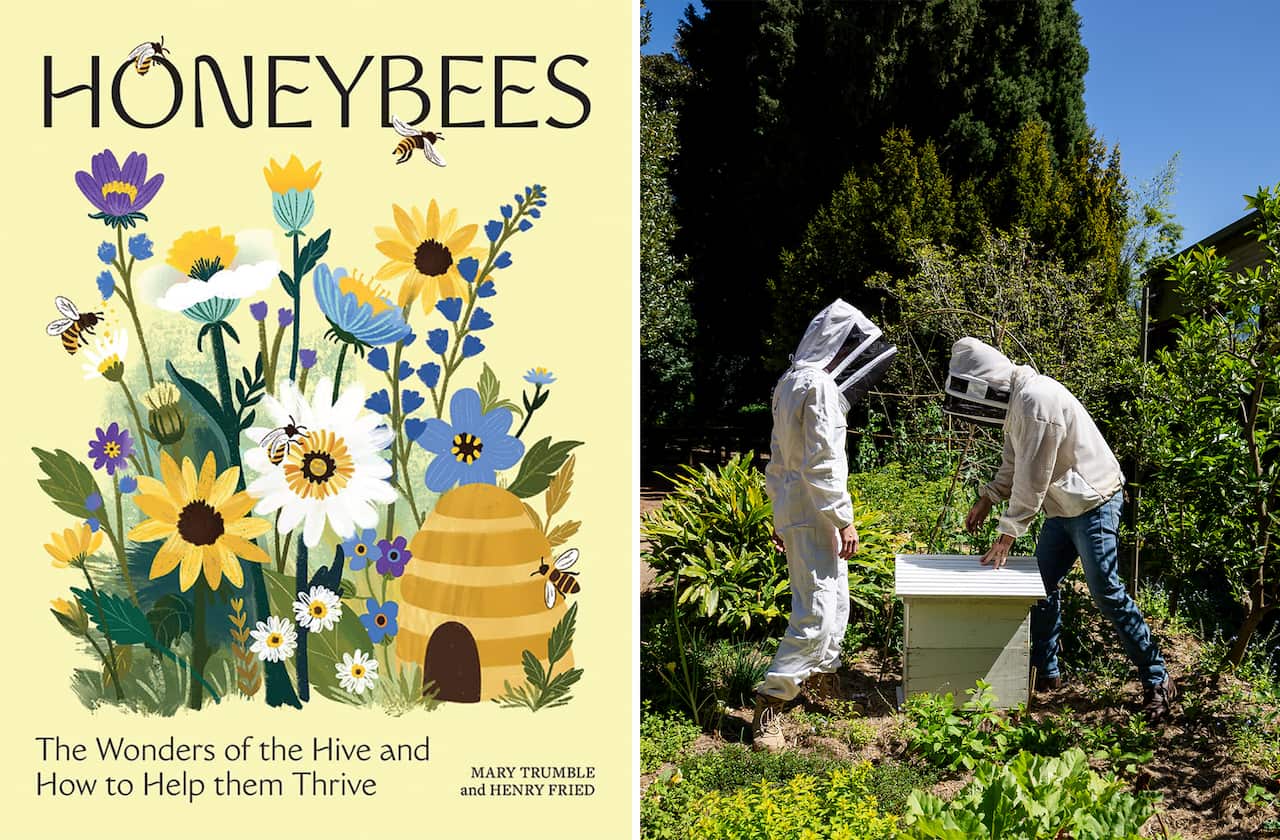
This is a much-abridged extract from Honeybees: The Wonders of the Hive and How to Help Them Thrive by Mary Trumble and Henry Fried (Hardie Grant Books, $34.99). The book contains much more detail about the lives of bees, what happens inside a hive, how different types of honey are made, and ways to support these valuable pollinators, from keeping bees to creating bee-friendly gardens and balconies.

SBS Food is a 24/7 foodie channel for all Australians, with a focus on simple, authentic and everyday food inspiration from cultures everywhere. NSW stream only. Read more about SBS Food

Have a story or comment? Contact Us