In Sri Lanka, flavour doesn’t arrive quietly. It builds, through spice, heat, and sweetness — and running through it all is coconut. Not as a garnish or afterthought, but as the backbone of the cuisine and daily life. Coconut isn’t just an ingredient in Sri Lanka, it’s a way of living, cooking and sharing.
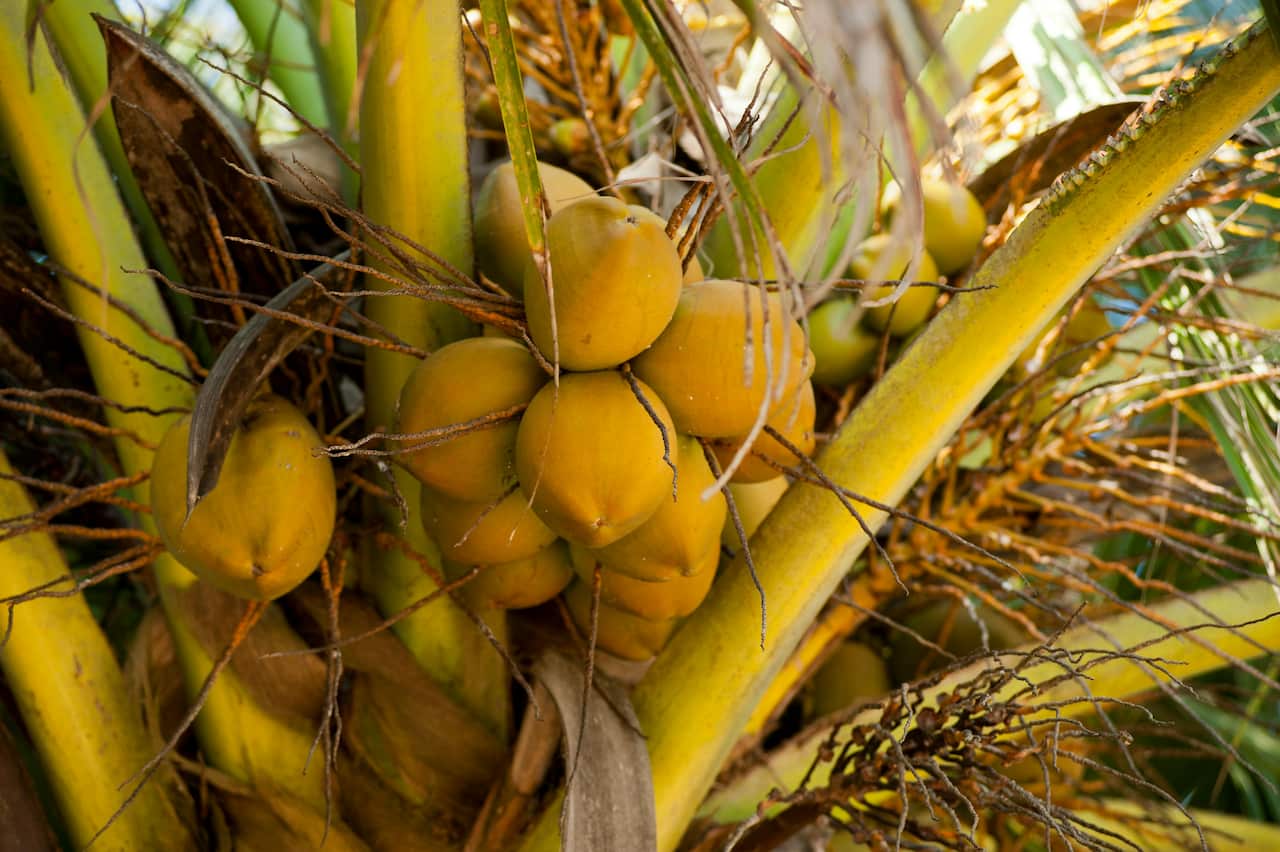
Follow it from tree to table and travellers will see the story unfold quickly. The day often begins for locals up in the palms, where climbers will scale impossibly tall coconut trees with practised ease. There’s no ceremony to it, just skill, rhythm and repetition. The coconuts are twisted free and dropped to the ground, ready to begin their second life.
“Coconut is part of everything here,” says Shanjei Perumal of Galle Fort Walks. “It’s not just about taste. It’s how we cook, how we eat, how we connect. You can’t separate it from Sri Lankan culture.”
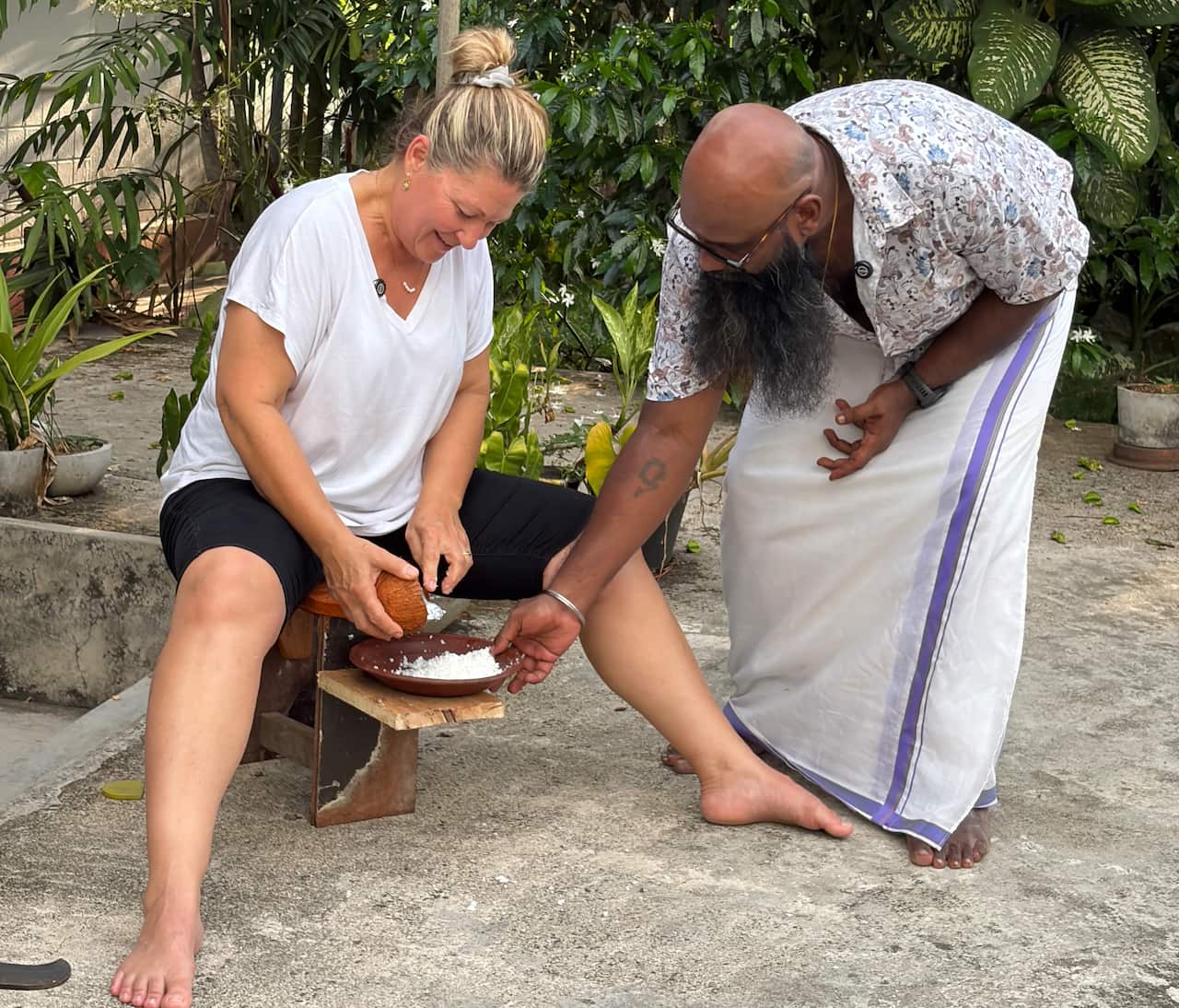
On the ground, the transformation is hands-on. Husks are split with swift, confident strikes. The flesh is grated, traditionally by hand, into soft, snowy piles. Add water and squeeze, and coconut milk flows: thick, rich and essential. A second and third extraction follow, each thinner, each used with precision. In Sri Lankan cooking, coconut milk isn’t just added, it’s layered.
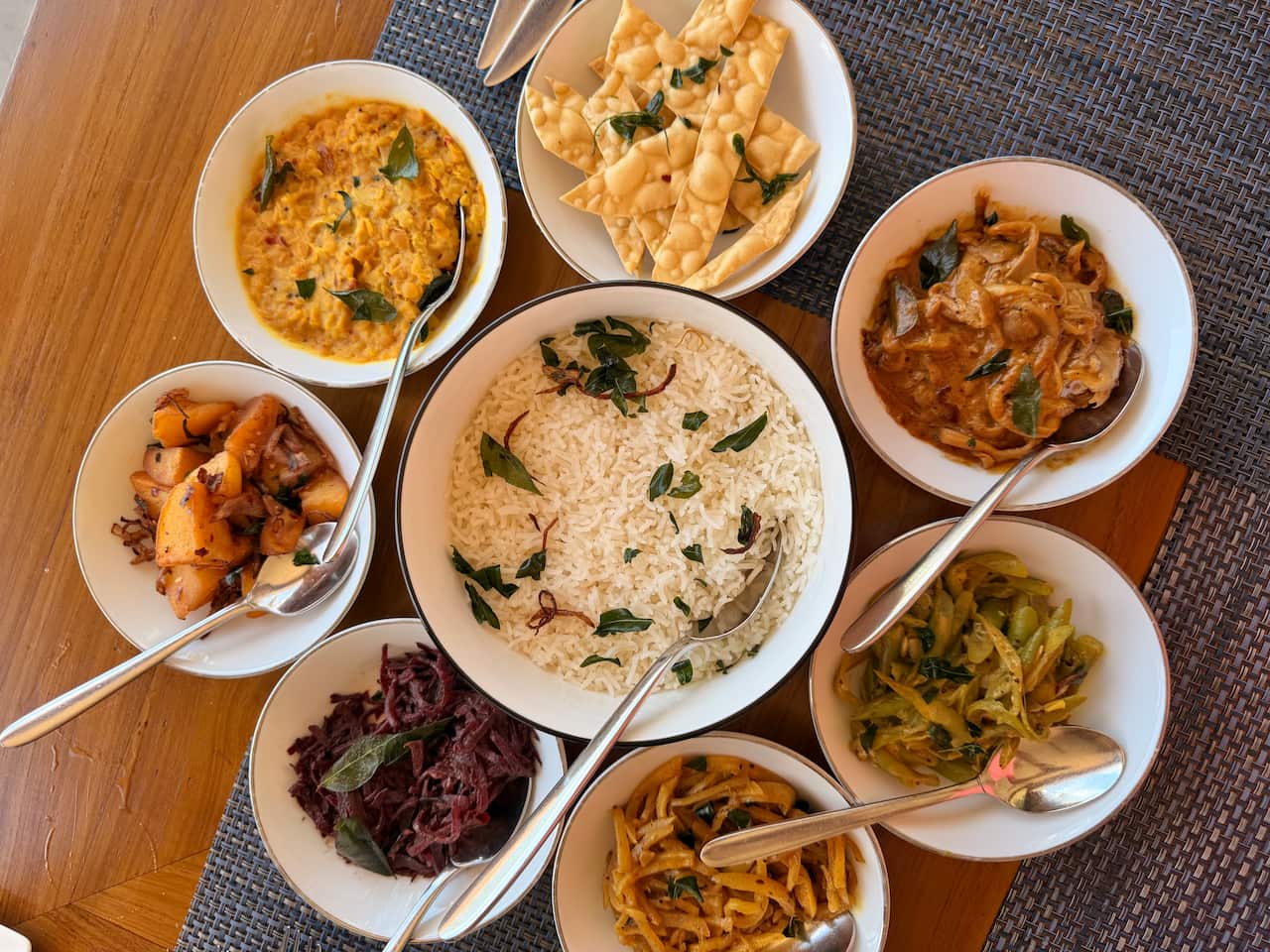
That layering defines the country’s most iconic dishes. Rice and curry, the national staple, is less a single plate and more a collection of flavours orbiting around rice. Coconut appears everywhere in Teardrop Island, woven through creamy gravies, folded into mallung (finely chopped greens with coconut), and brought to life in pol sambol. This fiery mix of grated coconut, chilli, lime and onion is punchy, bright and unmistakably Sri Lankan, equal parts heat and freshness.
Then there’s coconut rotti (pol rotti), a humble, everyday favourite eaten at any meal throughout the day. Rough-edged flatbreads studded with fresh coconut, cooked on a hot griddle until lightly crisp outside and soft within. Torn apart and dipped into curry or sambol, it’s simple, satisfying and deeply comforting.
Let’s not forget string hoppers, the delicate nests of steamed rice flour noodles which arrive with kiri hodi, a gently spiced coconut milk gravy that’s golden, fragrant and soothing. It’s the kind of dish that doesn’t need to shout, but lingers long after the first one is consumed. At the sweeter end, watalappan leans into coconut’s indulgence: a silky custard made with coconut milk, kithul jaggery, cardamom and cashews, rich yet balanced.
Stretching far beyond the plate
On the roadside, king coconuts, the bright orange and naturally sweet ones, are sliced open in seconds and handed over with a straw. It’s hydration at its purest, slightly floral and instantly cooling in the tropical heat. Elsewhere, toddy tappers collect sap from coconut flowers, fermenting it into a lightly alcoholic drink that’s been part of local life for generations. Distilled further, it becomes arrack, Sri Lanka’s signature spirit, smooth, complex and often paired with soda and lime as the day winds down.
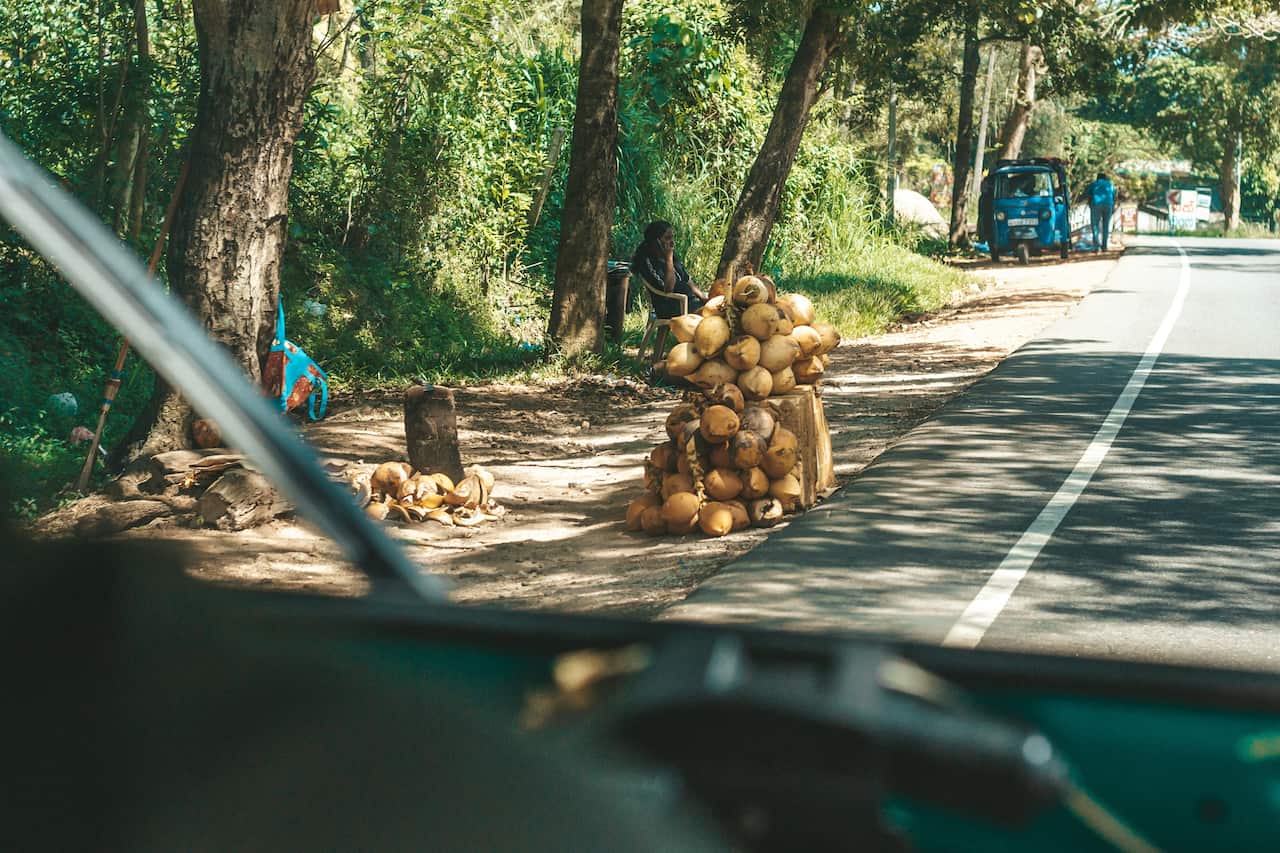
“There’s a story in every step,” Perumal says. “Climbing, cutting, grating, cooking and it all connects.”
That connection is felt most at the table. Meals are often eaten by hand, fingers mixing rice with curry and sambol, coconut binding it all together. It’s not only tactile and immersive, but quietly joyful. Texture matters, balance matters, and it’s the humble coconut, in all its forms, that ties it all together.
Coconut brings people together in Sri LankaShanjei Perumal
Wherever you eat in Sri Lanka, this plays out across every level of dining. You might start at a roadside stall, unwrapping a parcel of rice and curry, coconut sambol cutting through the richness. Later, in a five-star Resplendent Ceylon restaurant, coconut reappears, transformed into delicate sauces or modern interpretations. Different approaches, same foundation.
What stands out is its consistency. Coconut doesn’t disappear as the setting changes, but adapts, shifts and evolves, never leaving the plate or the story.
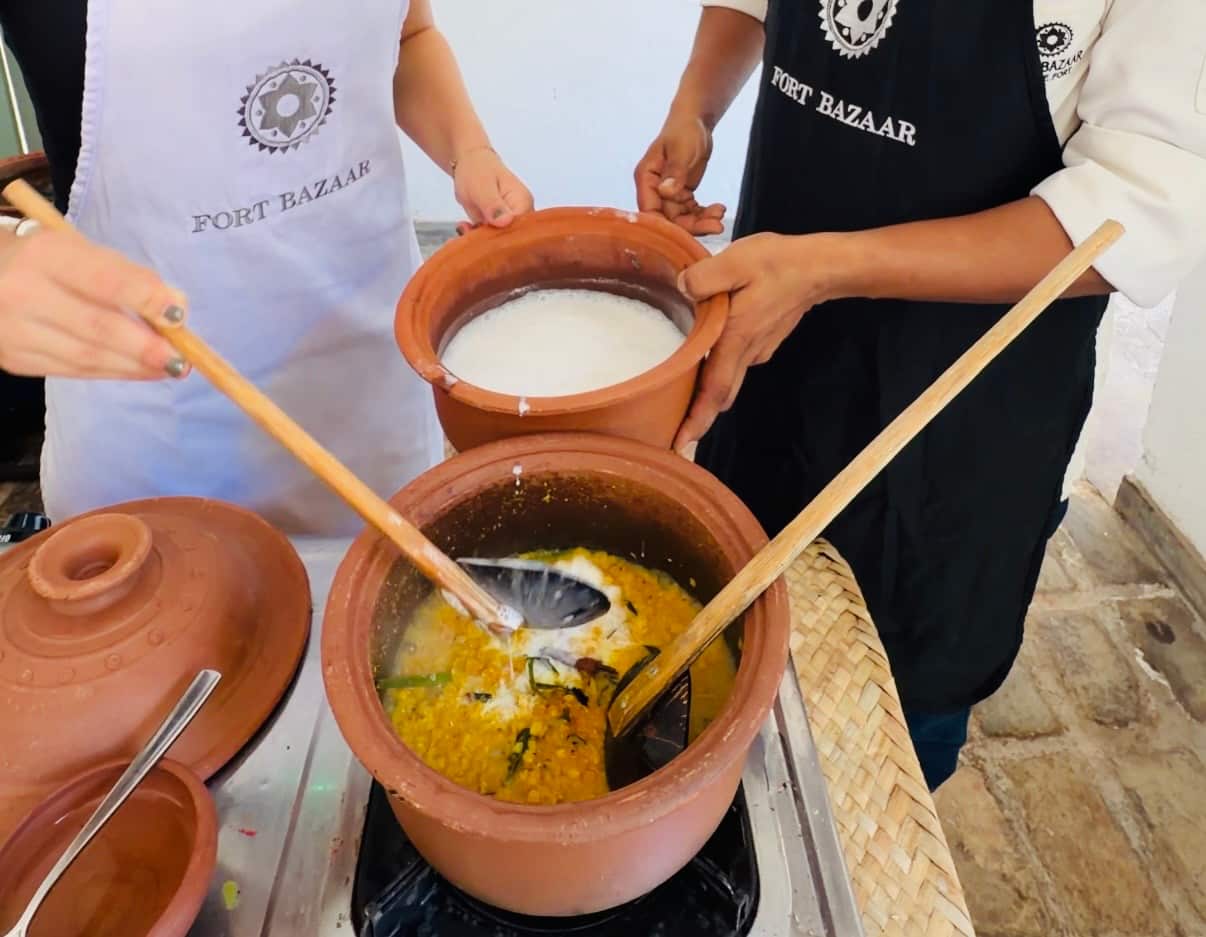
In a country shaped by trade routes and outside influences, coconut remains a constant. It anchors the cuisine, giving it a sense of place that feels both grounded and deeply personal. Watch it being grated, pressed and stirred, and you realise this isn’t just cooking, it’s continuity. Knowledge passed down, repeated daily, embedded in small, deliberate acts.
By the time you leave, coconut lingers. In the warmth of a curry, the crunch of a sambol, the softness of a rotti. In the memory of a roadside drink, your morning coffee, or the slow ritual of a shared meal.
In Sri Lanka’s Coconut Country, it’s not just something you taste. It’s something you feel.

SBS Food is a 24/7 foodie channel for all Australians, with a focus on simple, authentic and everyday food inspiration from cultures everywhere. NSW stream only. Read more about SBS Food

Have a story or comment? Contact Us