When Bill Lark first petitioned the government in 1990 to reverse 100-year-old legislation that outlawed whisky distilling in Tasmania, he probably didn’t know what he was starting.
The story goes, he was on a fishing trip when he wondered why Tasmania – which shares many commonalities with Scotland, the home of whisky distilling – doesn’t produce its own spirits. Cut to two years later, and Tasmania’s first whisky distillery in over a century was officially open, thanks to Lark’s lobbying.
In a few short decades, Tasmanian whisky has gone from a backyard hobby initiative (Bill and his wife Lynn Lark literally had a still outside their childrens' bedroom, according to their daughter Kirsty Booth-Lark), to becoming a powerhouse in global whisky circles.
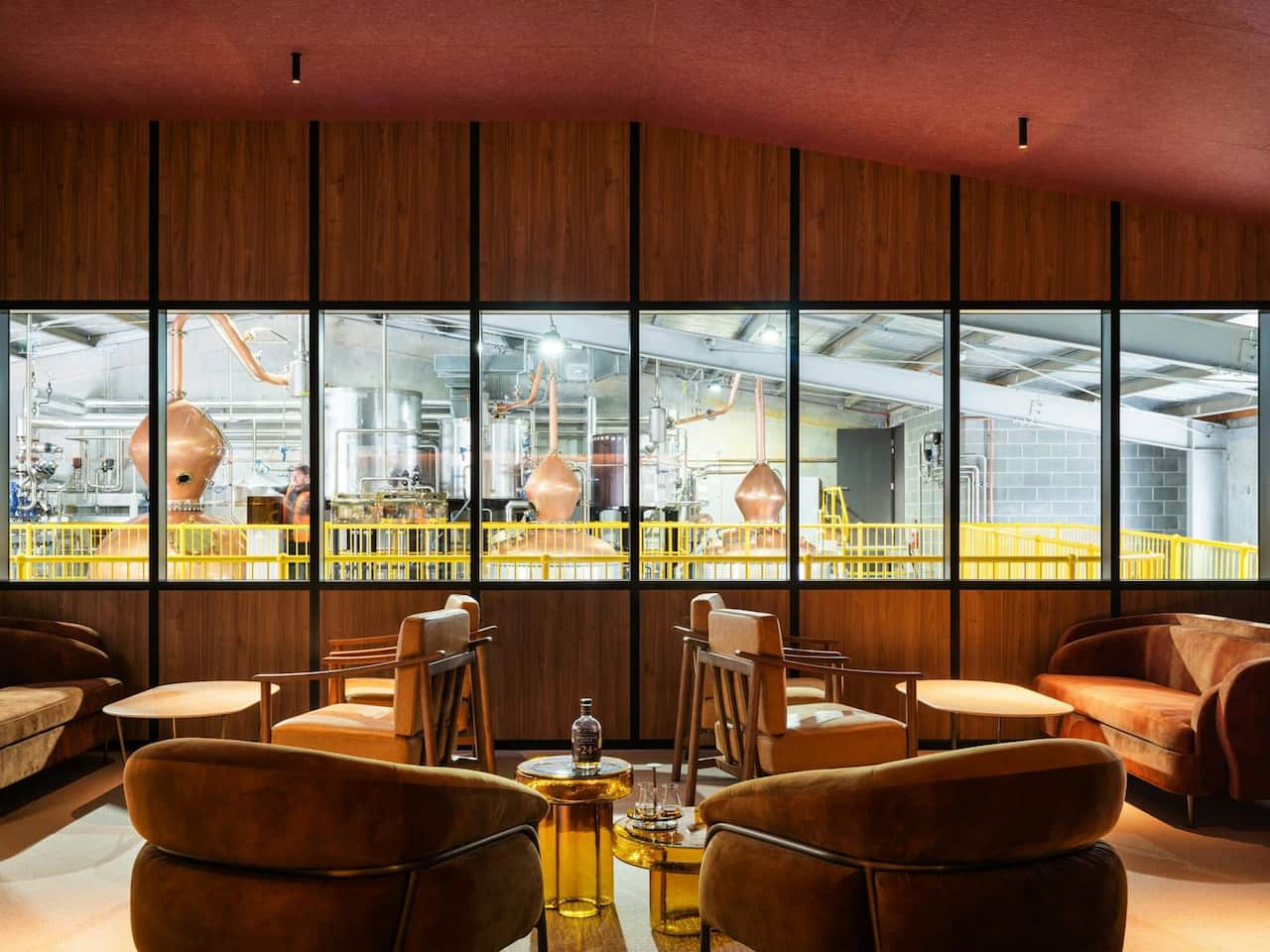
In fact, Tasmanian whisky can officially lay claim to the ‘world’s best’ after local distillery Sullivan’s Cove took out the ‘World’s Best Single Malt’ (single malt being the holy grail of fine whisky, according to the experts) award in 2014. Tasmanian whiskies have been regularly winning awards beating out competition from much more established whisky producing regions since.
So, what makes Tasmanian whisky so special?
By most accounts, the reasons are no different from what makes food in Tasmania so interesting – the environment.
The importance of terroir
Terroir – a term that encapsulates land, air and water – is often used in the context of wine, and also food in some cases, but it is interesting to see how important it is to something like spirits distilling too.
John Ibrahim is a veteran of the Tasmanian whisky industry and owner of lauded Callington Mill distillery in the Oatlands region, which holds ambitions of making Tasmanian whisky a global household name.
He says, “What makes Tasmanian whisky special is without doubt the climate, the soil – what we call the terroir, the place of origin. Our barley is distinctive – it produces a viscous and oily whisky and the microclimate of Tasmania influences that whisky in the maturation process. So there is a uniqueness that evolves in Tasmanian whisky.”
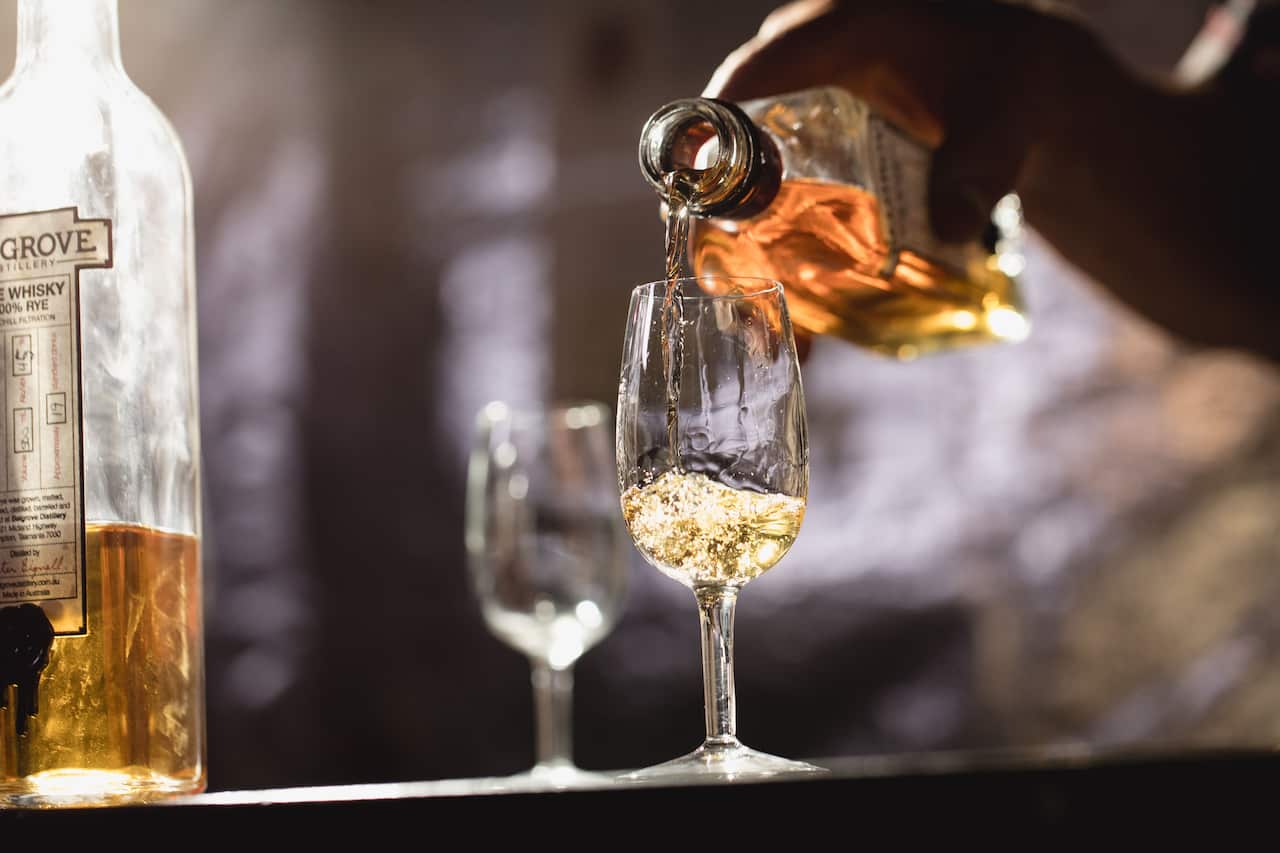
“Terroir is very important in whisky because it is what differentiates Tasmanian whisky from say, Scottish whisky and makes it unique is our air, water and soil quality here,” adds Mann, head distiller at Belgrove Distillery, which has a paddock to palate philosophy, growing all its own grains and fermenting and distilling everything onsite, in a sustainable closed-loop fashion at its rustic distillery-in-a-farm location.
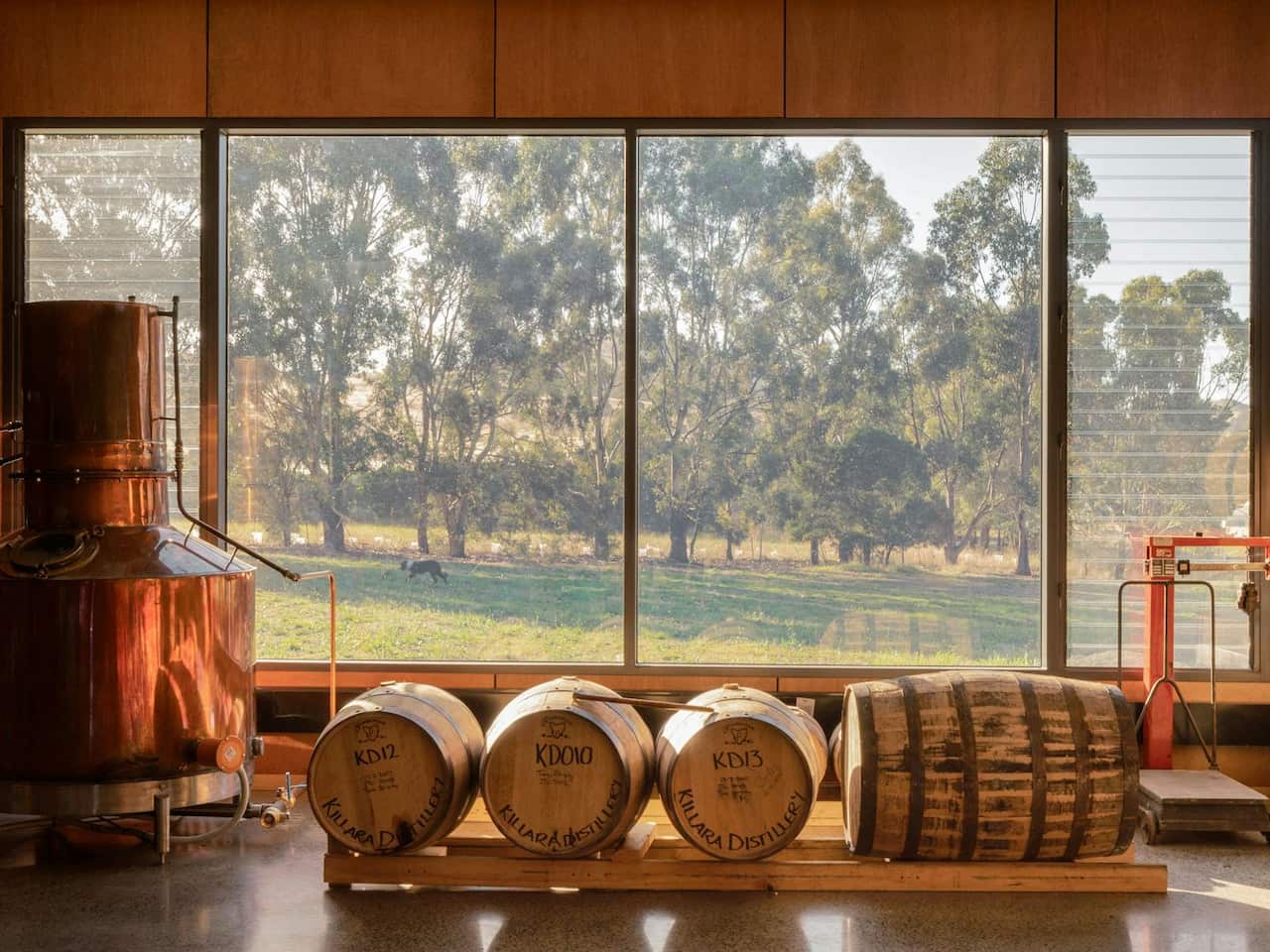
Expanding on this theme, Kirsty Booth-Lark, founder of Killara distillery and daughter of the Lark dynasty, says, “We have quite a low level of humidity here, which really aids maturation. We also have these beautiful pressure systems come from Antarctica on a daily basis – and that really influences the whisky because it pushes the spirit into the whisky barrels themselves and then out of the wood.”
This means Tasmanian whiskies can mature a lot faster than whisky from traditional producing regions. Thanks to the climatic conditions, the repeated contraction and expansion of the spirit within the barrels leads to a faster extraction of flavour from the wood, while the humidity levels lead to reduced evaporation (which creates what is known as angel’s share in the distilling world). This helps in creating a more complex and refined beverage usually.
Another factor that makes all Australian whisky unique – not just Tasmanian – is the reliance on wine barrels for maturation, which gives them a unique complexion and flavour profile.
But perhaps the X-factor that gives Tasmanian whisky an edge, above all, is the human touch. Dominated by craft distillers, the industry is mainly made up of people bound together by a real sense of pride and community.
“We have these beautiful people who are so passionate about making really high end products. And because our production scale is quite small compared to the rest of the world, there's no real room for error. We're producing high quality spirits and taking that to the world.” says Booth-Lark.
This sentiment is echoed by the food community too.
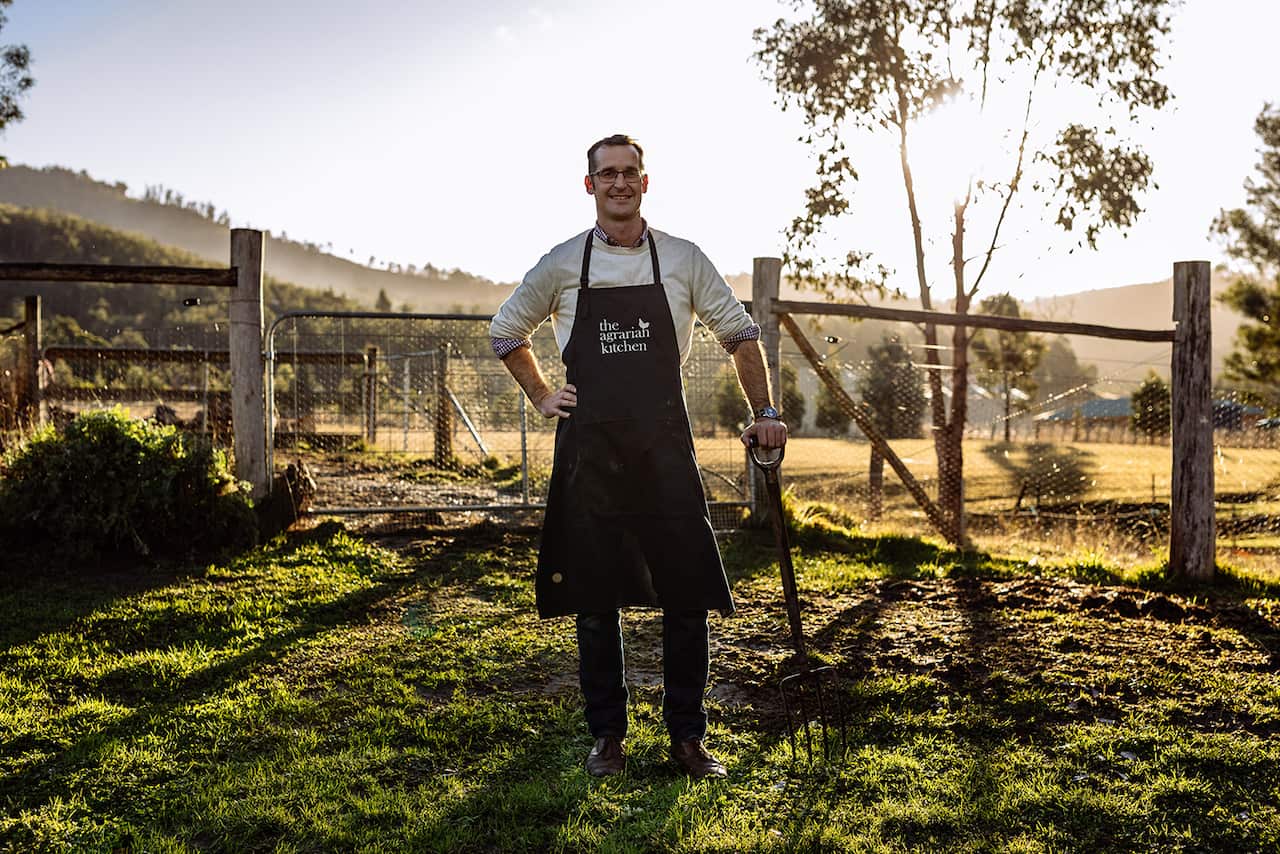
According to Rodney Dunn, founder of the acclaimed Agrarian Kitchen, Tasmania’s isolation is its superpower. “What you get with an isolated island is, you get people trying interesting things,” he says. “So you have people who are trying different things as they don’t want to compete with mainland operators, and you end up with something that is [usually on a smaller scale and] at the highest end and unique.”
How to enjoy Tasmanian whisky
As any aficionado will tell you, such high-end, unique whisky is best enjoyed neat – without dilution of ice or water. However, as many Tasmanian whisky makers will also say – in line with the region’s more experimental approach – enjoy it as you wish.
One thing that everyone can agree on though, is that whisky can make for some very interesting pairings with food.
"Whisky is quite complex in the same way as say, red wines like pinot or shiraz are complex. So you've got different flavour profiles that come through, and some of those richer whiskies can really hold up against rich food," Booth-Lark explains.
When it comes to what goes well with whisky, seafood comes up as a clear winner – fresh oysters or sea urchin in particular is highly recommended. "Oysters with slightly peated whisky [is a good match], given that there's some nice saltiness within the oysters and you get a little bit of that saltiness sometimes in peated whisky," she says.
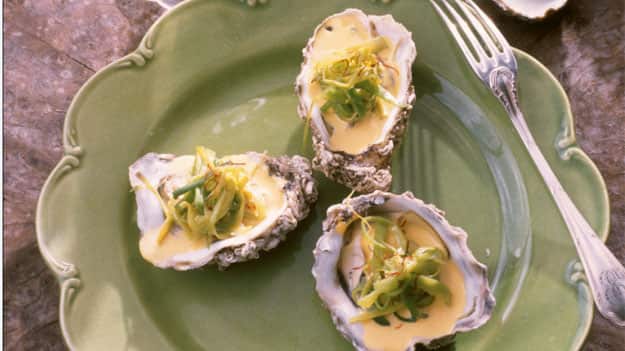
Whisky also pairs well with chocolate and cheese. "Some of those more sweeter style whiskies that have been matured in a fortified cask go really nicely with the bries and the soft cheeses, whereas some of the more oilier, richer whiskies go great with the more spicy cheeses like cheddar," Booth-Lark adds.
However, if looking for some unexpected whisky food pairings, then recommendations range from vanilla bean ice cream and apple tart to porridge – also known as the Scottish breakfast. "Because whisky is made with grains, something grain-based like porridge is a match made in heaven," says Mann.
The writer was a guest of Tourism Tasmania.

SBS Food is a 24/7 foodie channel for all Australians, with a focus on simple, authentic and everyday food inspiration from cultures everywhere. NSW stream only. Read more about SBS Food

Have a story or comment? Contact Us