Food trends can be perplexing, says Sana Javeri Kadri.
In the summer of 2016, the Mumbai-born, Oakland-based food photographer, started seeing turmeric lattes proliferate on Instagram and café menus. She says she had questions about how the spice known as haldi, a centuries-old staple of Indian cooking long lauded in Ayurvedic traditions for its healing properties, was being sourced and appropriated.
“I realised that I knew the stories of quinoa and matcha but not of turmeric and was seeing a disconnect,” the 25 year old says.
“I had worked in food marketing and at the time I reached out to people working in the spice industry in the [San Francisco] Bay Area to find out who they were sourcing it from. They had no idea, which rang alarm bells.”
Kadri jumped on a plane to India. After a string of unsuccessful phone calls and farm visits, she visited the Institute of Spice Research in Kerala.
Here, Kadri discovered that Indian farmers were making one-hundredth of the price of turmeric and that the supply chain lacked transparency and quality control.
Kadri joined forces with fourth-generation farmer Kasaraneni Prabhu, who was growing an orange-red heirloom variety in Andhra Pradesh, and an ethical turmeric business was born.
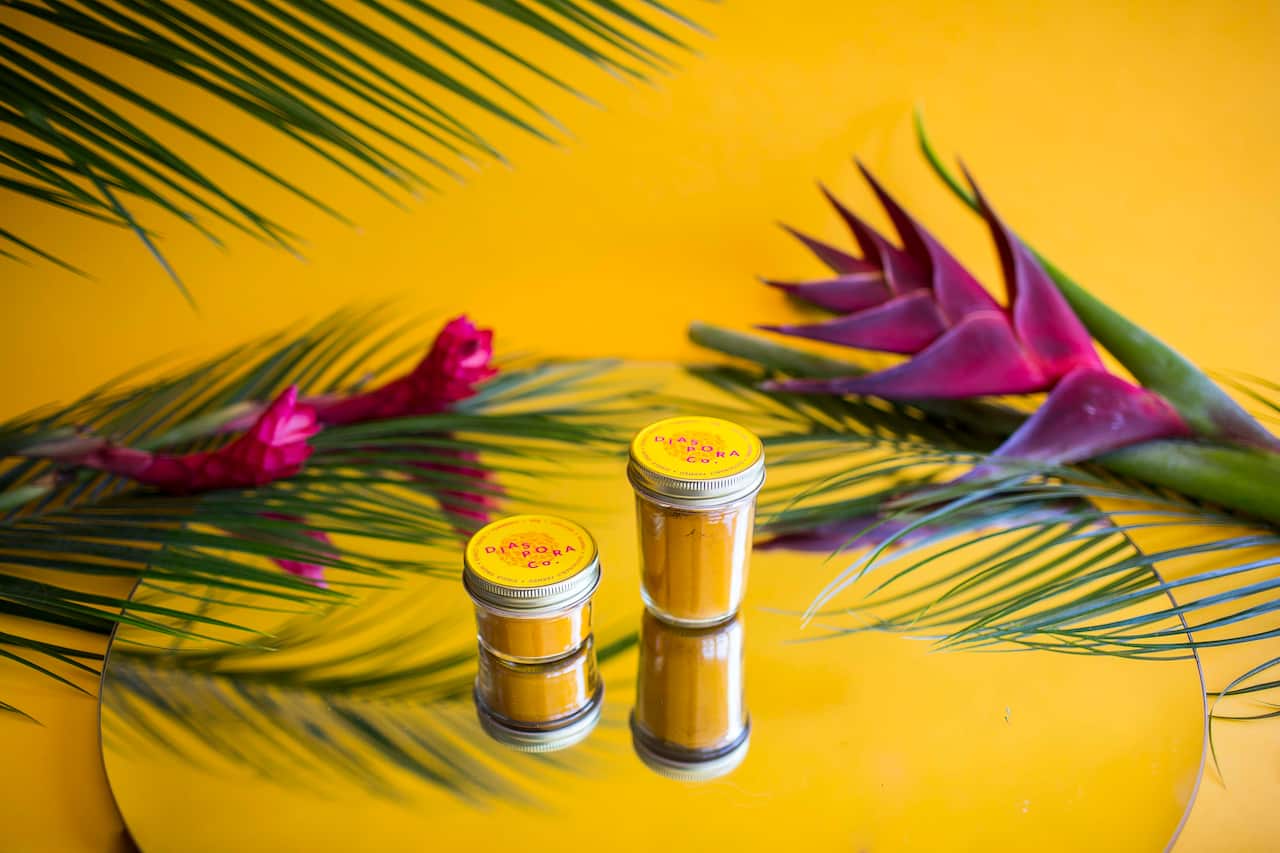
When the first batch sold out online within four hours, it was the start of Diaspora Co., a single-varietal turmeric company that puts profits back in the hands of Indian farmers.
The business aims to challenge the commodity spice trading system introduced by the British, marking Kadri as one of a new generation of chefs and entrepreneurs working to disrupt the colonisation of food and the Western gaze.
Kadri says her identity as a queer woman of colour served as an inspiration to model Diaspora Co. on the principle of equity.
"If you are already a minority and looking at injustice, you're always thinking – what are the other injustices?" she says.
"In college, my favourite class was post-colonial theory and it made me think, 'what is my work?' We're doing with spices what people did with coffee and chocolate ten years ago and will be adding several new spices in the next year.”
Jocelyn Ramirez says she also understands the relationship between food and social justice.
Growing up in southeast Los Angeles, Ramirez, a former college professor whose background is Mexican and Ecuadorian, realised that the Latino communities that lived in her neighbourhood were served mainly by fast food outlets and convenience stores, and we're losing touch with their culinary roots.
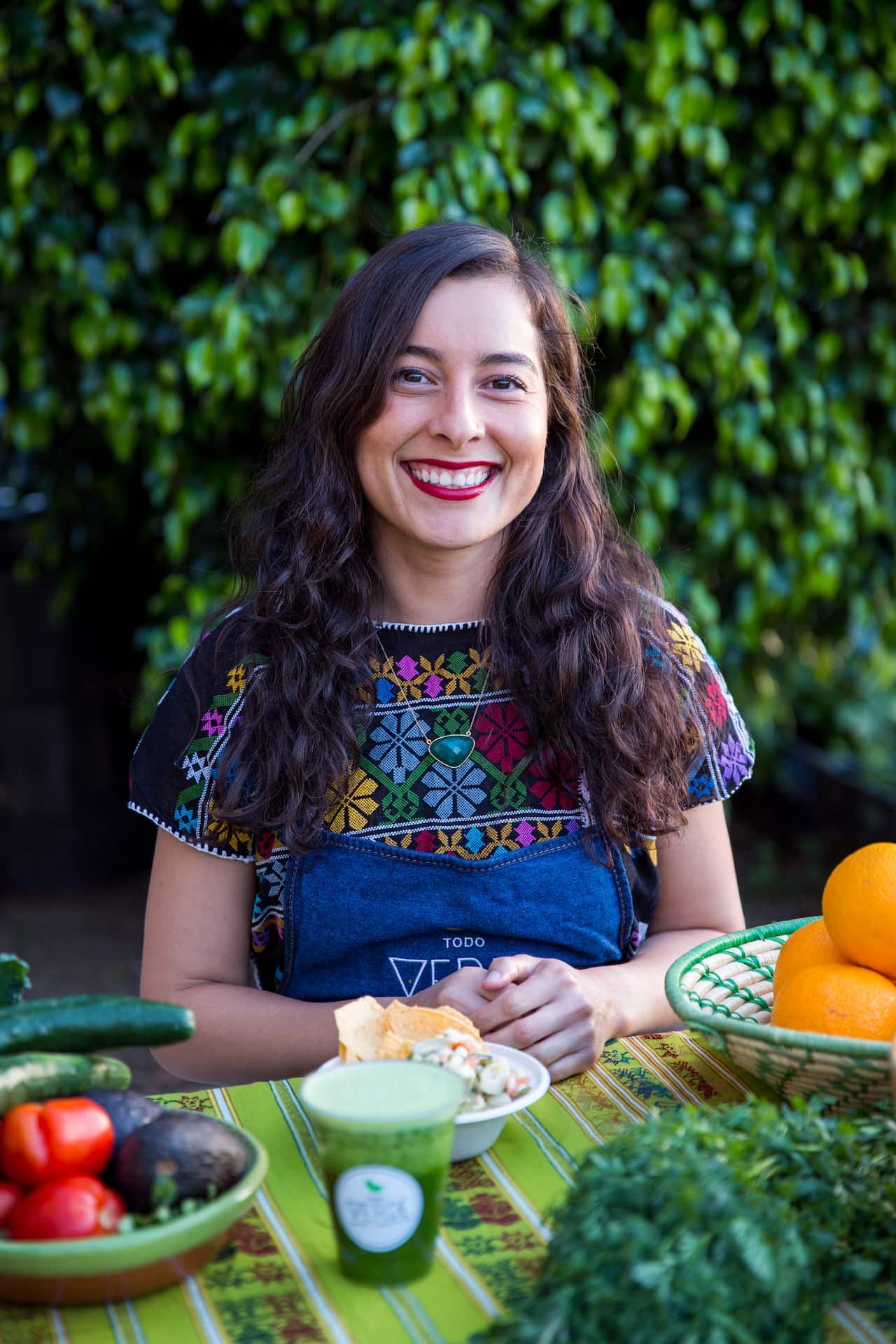
In 2015, she launched Todo Verde, a catering business that champions the plant-based meals that her ancestors might have eaten before the Spanish invasion. She’s experimented with dishes such as agua fresca, ceviches de palmitas and jackfruit pipian rojo, which revolves around pipian, a green mole sauce made from guajillo chiles. It's one of her grandmother's recipes.
"I was dealing with a lot of health issues so I went on a plant-based diet and started exploring how to make food choices that align with what my grandmother was once cooking rather than the diet in the United States," says Ramirez, who originally launched Todo Verde at farmer's markets around Los Angeles.
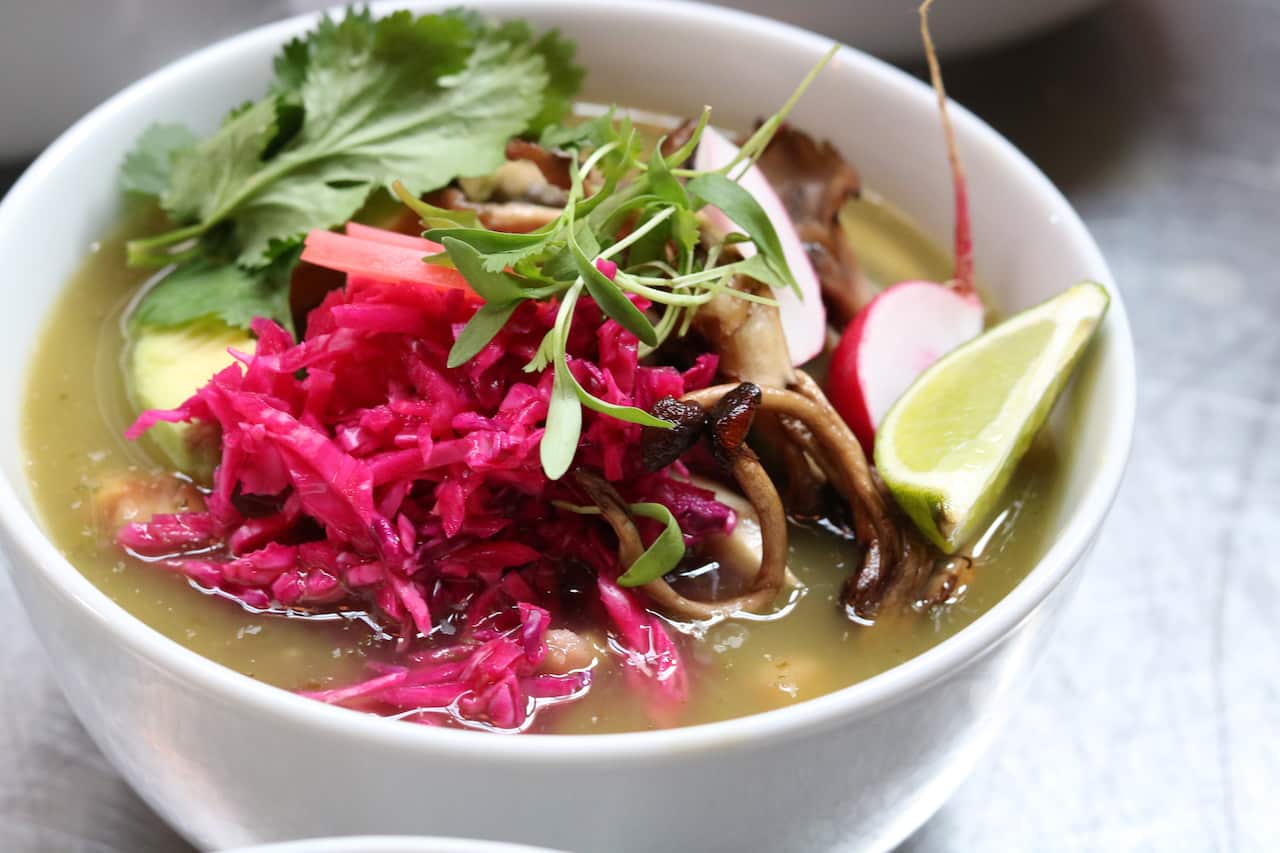
"The Latino community has lost touch with the ancestral food that is natural to our bodies so Todo Verde is about tapping into those staple items that people resonate with. Vegan is a trigger word for people - they automatically assume that it's this white diet of quinoa and kale but it's not always the case."
Australian-based Kieron Anderson says he agrees with this logic. Anderson, 27, is from Minjerribah (Queensland’s North Stradbroke Island) and is the classically trained executive chef at Quandamooka Coast, the organisation behind the region's Quandamooka Festival.
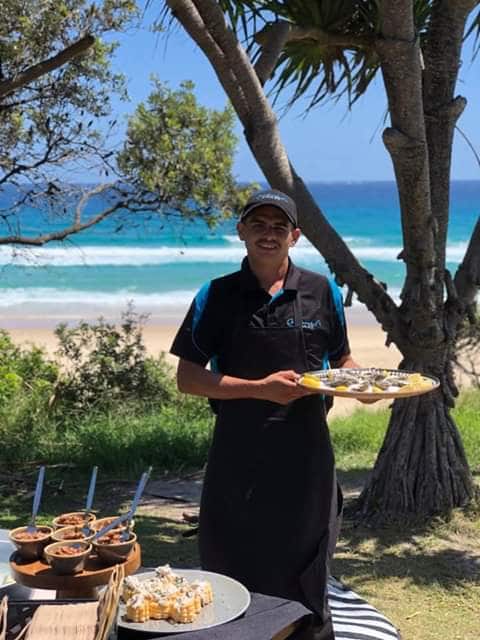
His cooking celebrates native ingredients — while drawing attention to the traditions in Indigenous culture that we perceive through a Western lens.
"We describe produce as 'free-spirited' and I’m moving away from terms such as 'free-range' and 'organic', which are very Western," says Anderson, who will highlight the undercul or mullet fish, one of Minjerribah's main food resources, at the Quandamooka Festival this year.
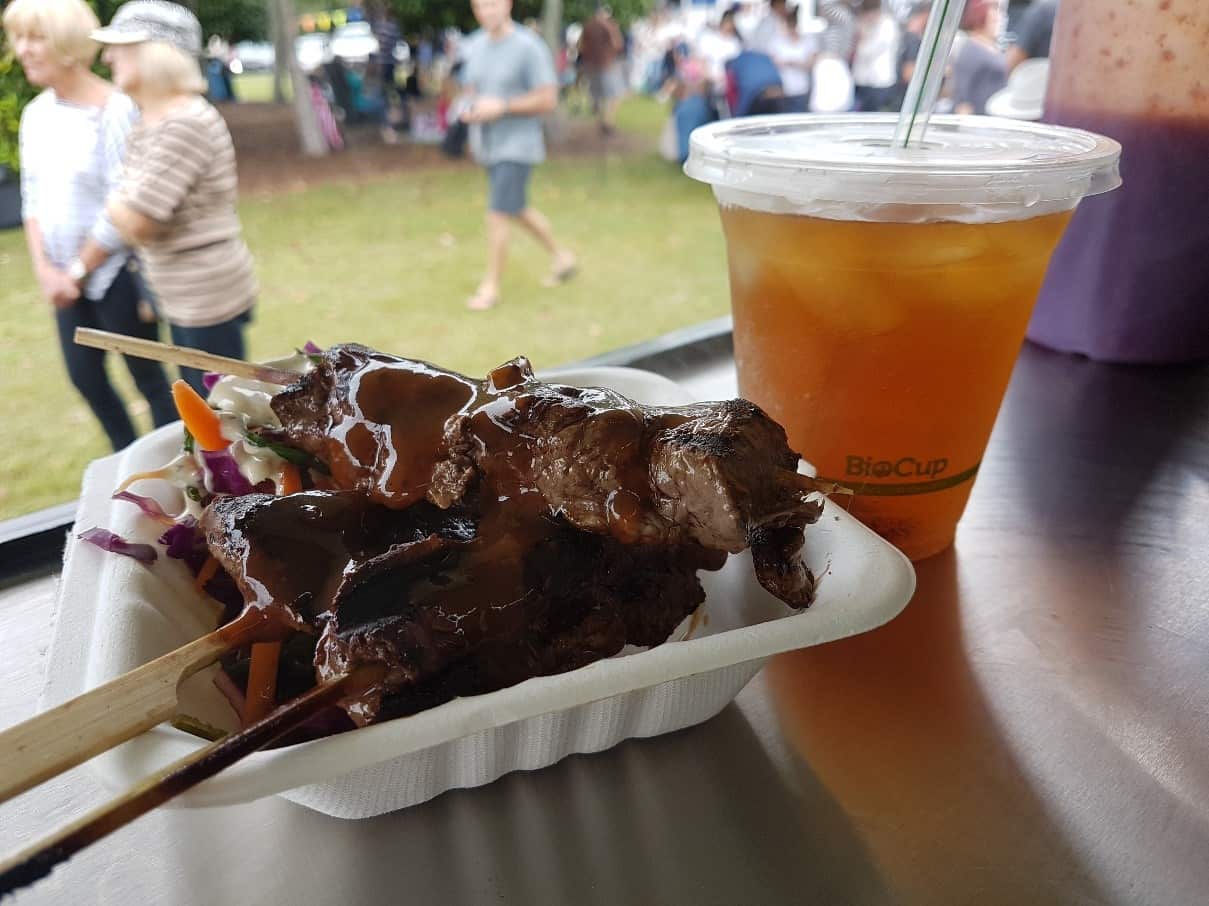
"This is my grandfather's country and I'm from the Ngugi tribe, so have both saltwater and freshwater running through my veins. We still have our totemic ancestors on the island use our traditional methods to hunt dugongs, turtles and smaller animals — the animals aren't fenced."
Anderson says he likes to showcase clean, fresh and seasonal native foods.
"We pay respect to country by cooking in the Jarala Jalo Jinjen or earth oven," he says.

SBS Food is a 24/7 foodie channel for all Australians, with a focus on simple, authentic and everyday food inspiration from cultures everywhere. NSW stream only. Read more about SBS Food

Have a story or comment? Contact Us