Inside Caminito La Boca in Melbourne’s western suburb of Footscray, owner Roxana Santa Maria Lopez is making locro, a hearty stew considered a national dish of pride for Argentinians.
Typically served during winter, and on 25 May for Argentina’s May Revolution, locro has a history traced back to indigenous communities in the Andes mountains. With various South American versions, the key ingredients of an Argentine locro comprise pumpkin, corn, meats, white beans, and squash.
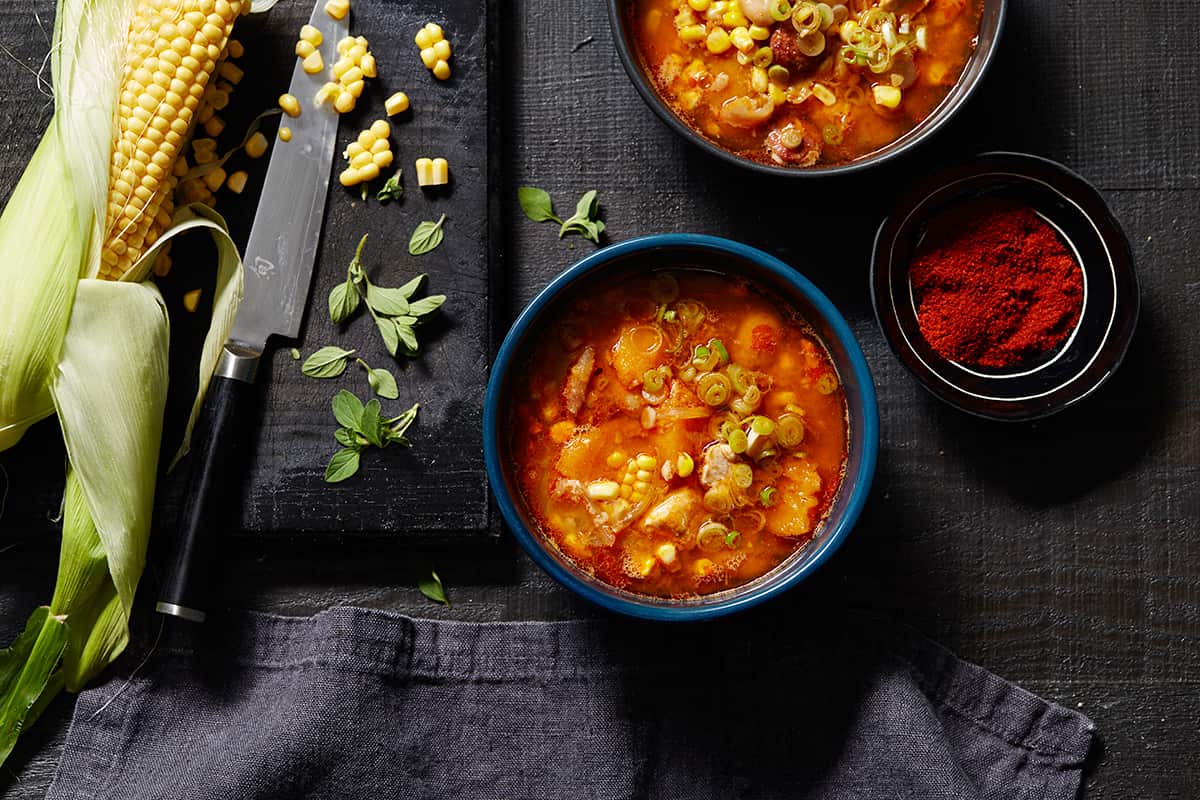
Try Brett Sergeant's Argentinian-style pork, pumpkin and corn soup (locro Argentino).
It’s now on the menu in time for avid football fans coming for the FIFA World Cup 2026™ watch party events Lopez has planned at Caminito La Boca.
These are loud, communal gatherings, with football watch party food to enjoy, yelling, singing, and new friends easily made with those around you, says Tomas Palacios Pey, an Argentinian history video content creator living in Greece.
Just like a bodegon in Argentina
As one of Melbourne’s few truly authentic family-run Argentinian restaurants, Caminito’s exterior gives this away: a multi-coloured bodegon, which in Argentina means a meeting place with home-cooked food at its heart. Lopez explains, “It’s a replica of a very iconic place in Argentina,” referring to Caminito, a street of colourfully painted houses, typical of the late 19th century immigrant dwellings in the neighbourhood of La Boca, in Argentina’s capital city, Buenos Aires. La Boca is also home to the Boca Juniors, one of Argentina’s most successful professional football clubs, founded in 1905 by Italian immigrants.
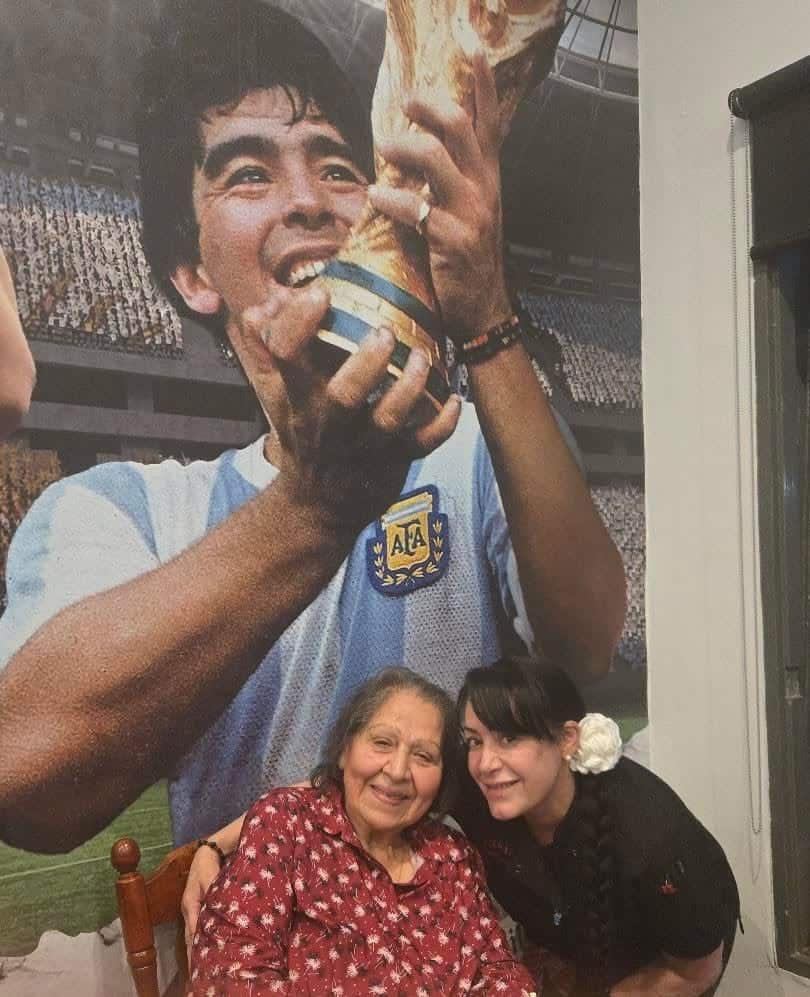
Caminito’s walls display how much football is like a religion to Argentinians, adorned with photos of the legendary Argentine football players Diego Maradona and Lionel Messi. Maradona is like God to them. “I pray to Diego Maradona,” Lopez says. She keeps a Maradona book signed by him in her kitchen.
She remembers watching Argentina’s 1986 World Cup quarter-final victory against England, with Maradona’s famous “hand of god” goal, while enjoying an asado with her family. Asado, one of the most traditional Argentinian foods, brings people together over meat slowly cooked over a BBQ.
Food that lets you keep your eye on the football
For watch parties, Pelacio Pey says asados are great, but that they can be a distraction from the game because, “You need to keep an eye on the food, the BBQ, you have to cut it. But picadas are convenient.” Pelacio Pey was in Barcelona in 2022 watching the World Cup from his co-living accommodation with friends.
Sharing platters of charcuterie, but Argentinian style, picadas consist mostly of cold cuts and cheese. “This means you don’t have to keep your eyes on the food while you watch the game. You can just shove it in your mouth.”
Masterchef Australia contestant Juan De La Cruz says, "European charcuterie boards often focus on presentation and premium ingredients. An Argentine picada is usually a lot more about abundance and filling the table with food people love to eat and share. For a great Argentine picada, La Cruz says the essentials are good salami or other cured meats, a couple of cheeses, olives, pickled vegetables, bread, crackers or grissini and peanuts. From there, you can make it your own. I love adding mortadella, roasted capsicum, marinated eggplant, and potato chips. A great picada has a mix of salty, crunchy, and tangy flavours. Keep it simple and don't overcomplicate it.”
Food that’s shareable and portable
For the upcoming FIFA World Cup watch parties at Caminito, Lopez says some people will ask for asado, but “There's no way that we cannot have empanadas.” Baked or fried with flaky pastry, De La Cruz says that although Chile and Spain have their own versions, the recipe and the attitude make an empanada Argentine. “They are smaller, hand-held, and packed with identity. Beef, onion, olive, egg… simple ingredients, but big flavour.”
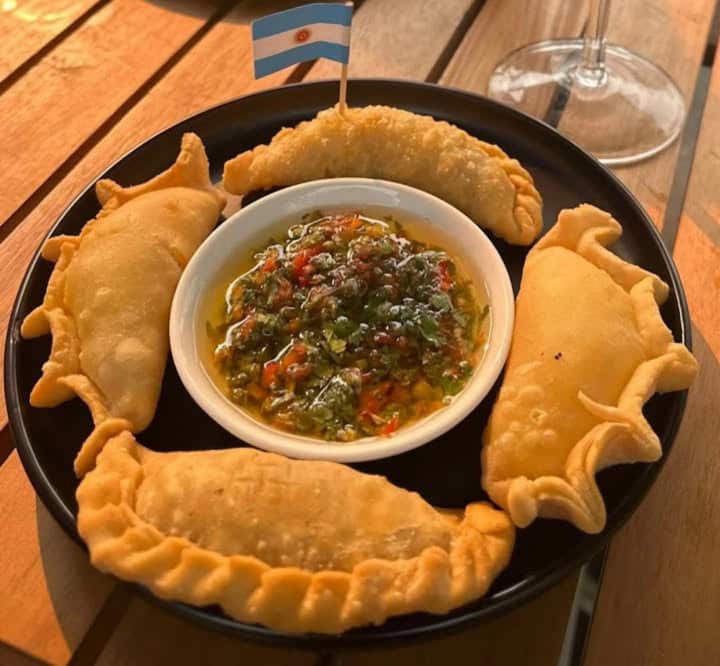
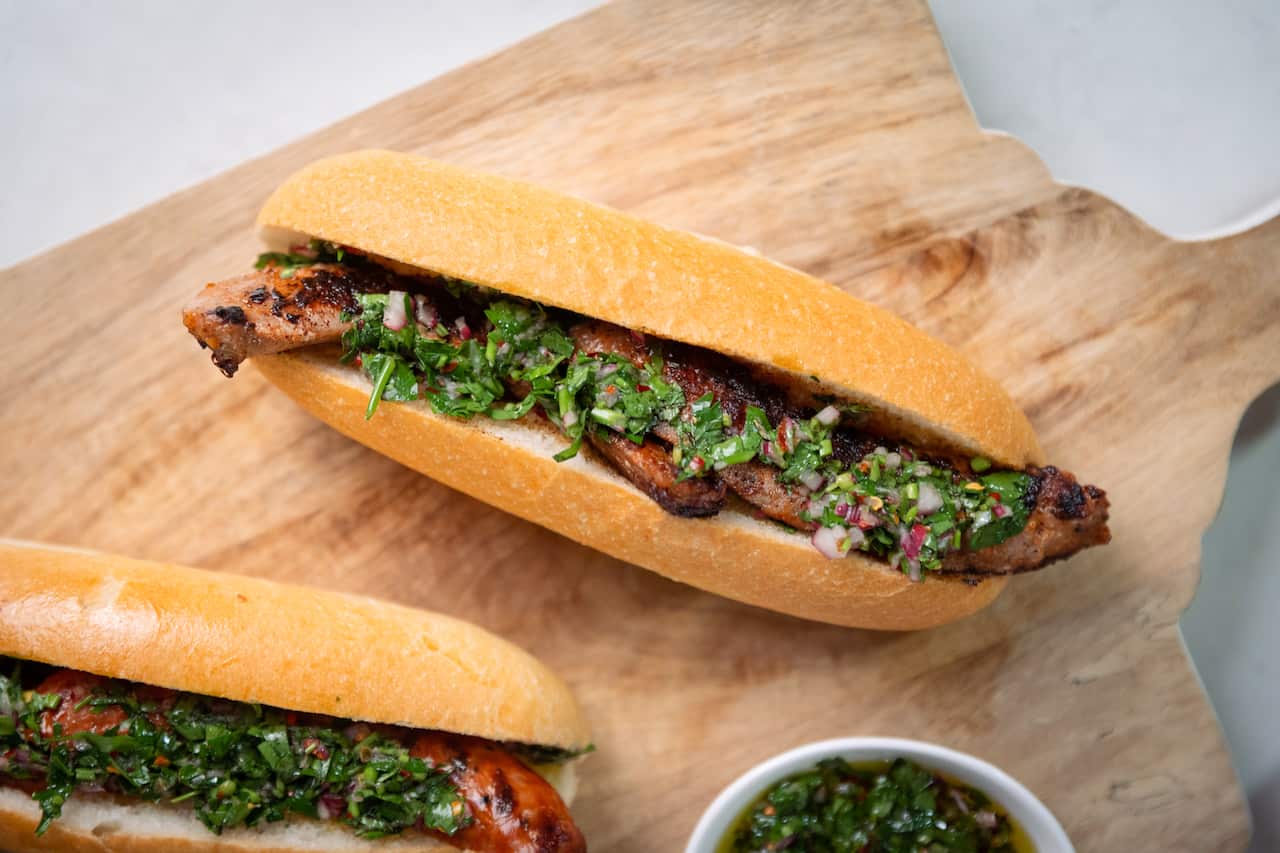
Portable, easy to eat, and traditional handheld food seems to be the flavour for watching football. Choripan is another example, a popular street food and staple at football stadiums.
A sum of the words “chorizo” and “pan”, meaning bread, choripan is a sandwich filled with Argentine chorizo that is a fresh, raw sausage, without spicy additives like paprika found in cured, Spanish chorizo. It’s served with chimichurri sauce, a tangy herb dressing of parsley and oregano with garlic and vinegar. De La Cruz says the simplicity of the choripan makes it the best choice at a stadium. “Chorizo on the grill, crusty bread, chimichurri dripping — done. It’s fast, cheap, messy, and perfect for standing outside the stadium yelling with your mates.”
The drinks that work for football rituals
For games that play before lunchtime, Pelacio Pey says he drinks yerba mate, a caffeinated herbal drink that’s a symbol of national identity. It’s often enjoyed with facturas, meaning sweet pastries, such as medialunas, an Argentinean croissant with a brioche-like texture and a sugar or honey syrup glaze. Mates are almost like what coffee is to Melbournians: a social ritual, but with fewer jitters than coffee and an earthy, bitter taste similar to green tea.
Pelacio Pey says that on the day of watching Argentina in the 2022 World Cup final against France, “Honestly, we were more concerned about the beers than food.”
Juan de la Cruz says, “Beer is probably the classic choice when watching football. It's refreshing and works perfectly with all the salty flavours on the table. Wine is also very common, especially a good Argentine Malbec. Fernet with cola is a really popular drink in Argentina too.”
At Caminito, Lopez will take care of the asado, which means spectators can enjoy sharing food and focus on the World Cup game.
In honour of Maradona, she has made an El Diez (number 10 for his shirt number) blue and white alfajores shortbread cookie, filled with dulce de leche, a milk-based caramel. She also has a wall dedicated to him. “I have the three stars representing the three World Cups we have won already, but there is an empty space for the fourth, so ideally, hopefully, I get to put it up there.”

SBS Food is a 24/7 foodie channel for all Australians, with a focus on simple, authentic and everyday food inspiration from cultures everywhere. NSW stream only. Read more about SBS Food

Have a story or comment? Contact Us