Peppery, citrusy and deeply connected to Māori food knowledge, kawakawa is finding its way onto steaks, into sauces and across contemporary menus. But for the people who grew up with native ingredients, this is about far more than flavour.
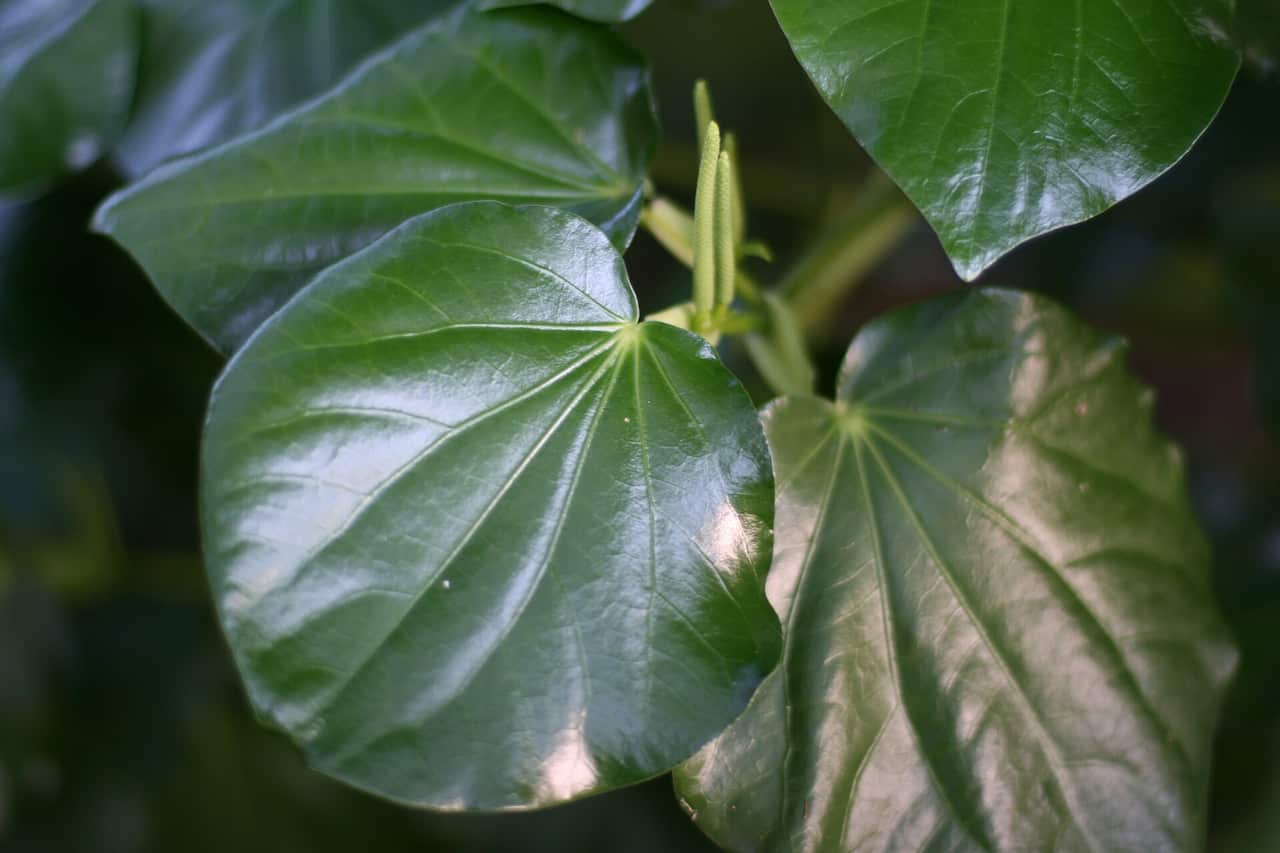
At first glance, kawakawa doesn’t look like an ingredient destined for a chef’s spice rack. Its glossy, heart-shaped leaves grow readily across Aotearoa New Zealand, often hiding in plain sight. Crush one between your fingers, though, and the plant gives itself away: fragrant, warming and peppery, with a fresh citrus edge that makes it difficult to compare neatly with anything else.
To an unfamiliar eye, it might simply be another native leaf. In a Māori kitchen, kawakawa can be seasoning, tea, medicine, memory and connection to whenua (land) all at once. For Chef Joe McLeod (Ngāi Tūhoe), that connection is fundamental.
McLeod brings more than 40 years’ experience as an international chef alongside six decades spent researching, recording and reconnecting Mātauranga Kai Māori, returning traditional food knowledge to marae throughout Aotearoa.
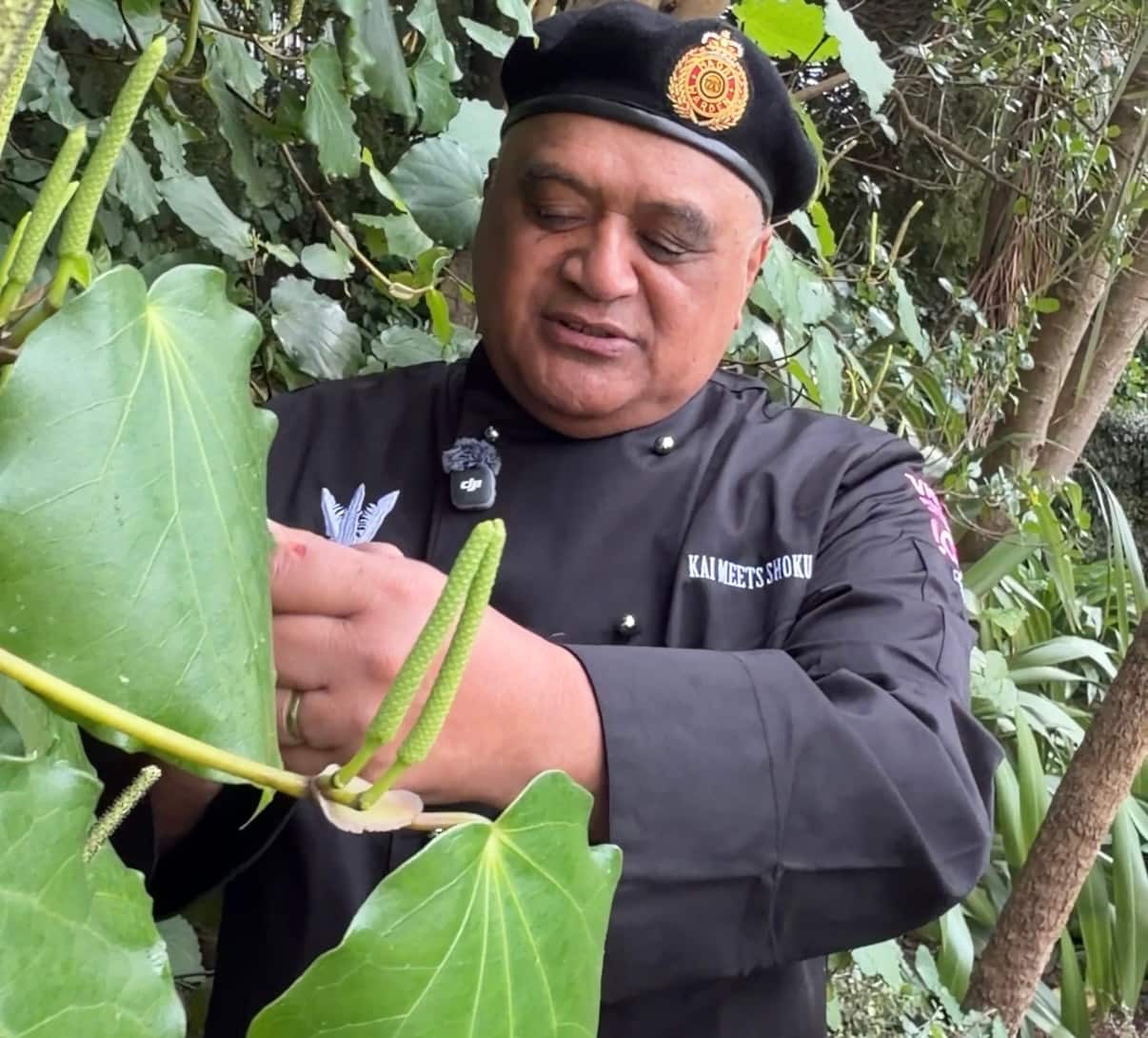
One of the foremost authorities on traditional Māori cuisine, his kaupapa is grounded in the belief that food carries whakapapa, that ingredients are connected not only to the land they come from, but to people, ancestry and knowledge passed through generations.
Restoring that relationship with kai, for McLeod, is therefore about considerably more than putting native ingredients back on fashionable restaurant plates. It can be an act of cultural survival. That distinction matters as ingredients such as kawakawa become increasingly visible in contemporary New Zealand cooking.
It would be easy to describe kawakawa simply as a native replacement for black pepper. Technically, that begins to explain its flavour but culturally, it barely scratches the surface.
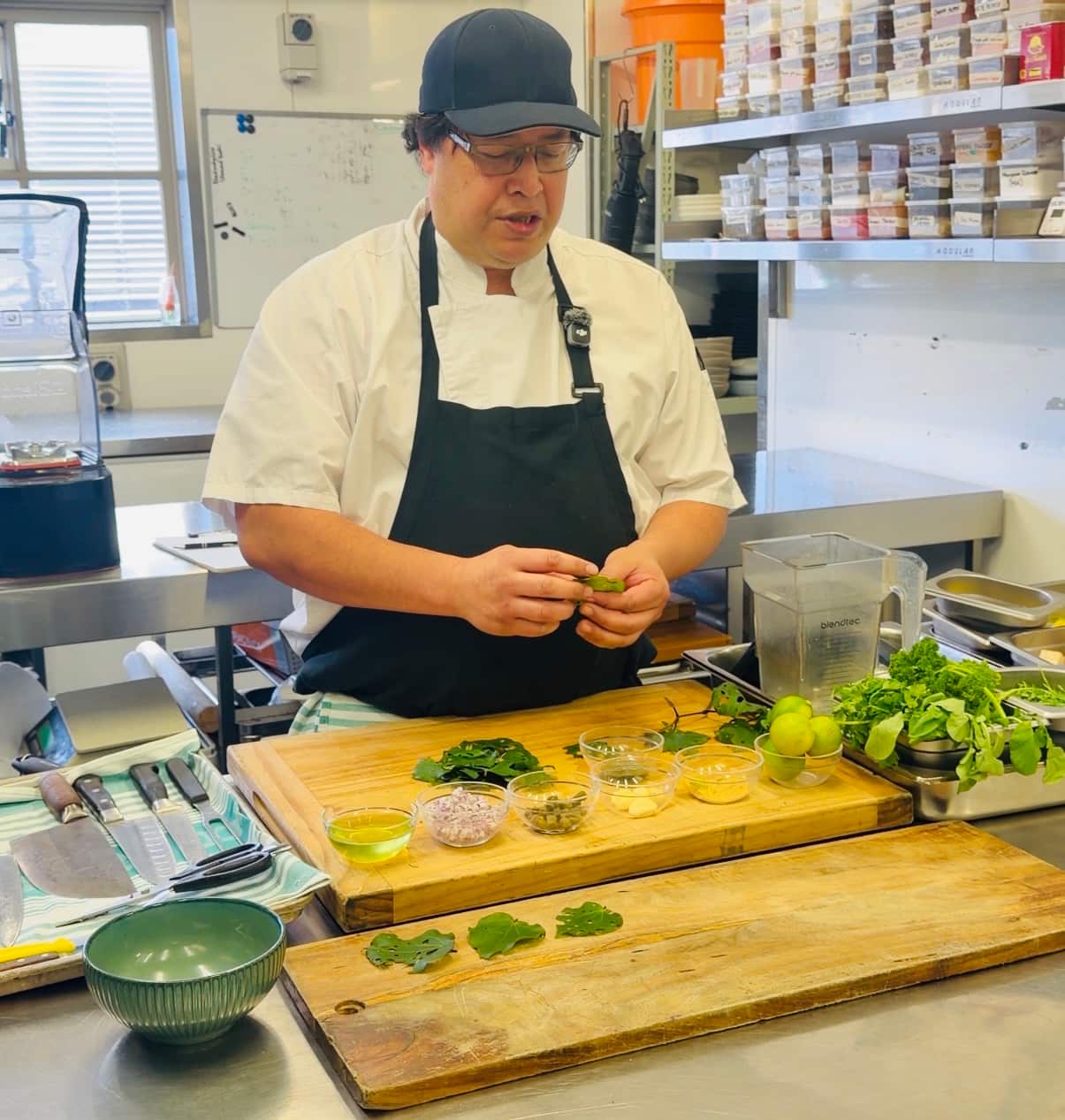
For Māori chef Harry Tahana of Black & Gold, powered by Wellington Functions, however, one of kawakawa’s strengths is precisely how naturally it fits into an everyday kitchen.
I use kawakawa as a pepper replacement on steaks, just as I would use salt and pepperHarry Tahana
His technique is remarkably uncomplicated. He dries the leaves slowly in a low oven heat for around two days, before blitzing them in a blender until they become a fine powder. Then he uses it as he would any other seasoning. “It’s such a versatile ingredient, you can use it on any kind of meat to bring that citrus touch of flavour.”
That versatility is part of kawakawa’s appeal. Its pepperiness can stand up to rich meat, while that lighter citrus character cuts through fat rather than simply adding heat. Dried and powdered, it becomes an easy seasoning to keep beside the stove; used in other ways, it can move between savoury and sweet cooking with surprising ease.
Yet Tahana’s relationship with kawakawa also reaches beyond his professional kitchen as he remembers his father using the leaves while he was battling cancer, placing them on his head in an effort to relieve pain.
It is a personal family memory rather than a medical claim, but it points to kawakawa’s longstanding association with rongoā Māori and to something that becomes increasingly apparent when talking about native Māori ingredients: food and wellbeing do not always sit in separate boxes.
A plant can feed you, flavour food, connect you with land and carry the memory of someone you love but kawakawa isn’t the only ingredient capable of doing that.
Across Wellington at Puku Pies & Kai in Lyall Bay, owner Jamie Williams remembers another native green as one of the defining flavours of growing up in a Māori home: pūhā.
Williams fondly recalls heading out with his mother and aunties to gather pūhā and watercress, often from creeks around the area. Everyone, it seems, knew their spots.
We all had our secret spots where there was lots of supply. That was a really fond memory when we were growing up.Jamie Williams
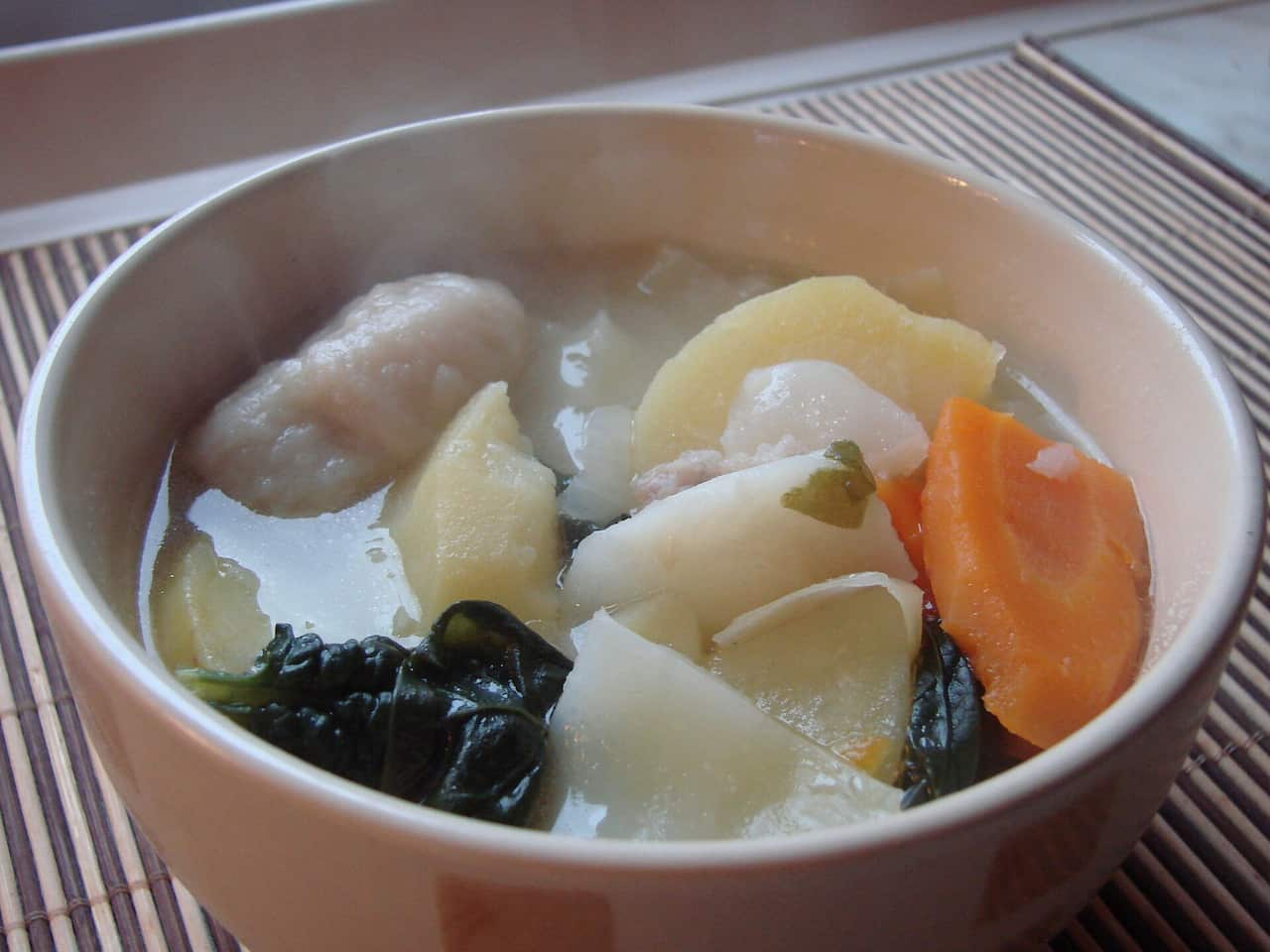
The greens would be carried home and cooked into one of the most familiar Māori comfort foods: a boil-up. Pork and pork bones would be slowly cooked in a rich broth, together with pūhā, watercress and doughboys, simple flour dumplings cooked in the pot - practical food designed to feed people.
“A lot of Māori dishes are based around serving lots of people,” Williams says. “So you’ve got to be efficient with how you do that, cook it in big pots and cook things slowly.”
Traditionally, that also meant making use of cheaper cuts of meat, allowing them to soften slowly while creating a deeply flavoured broth. The pūhā was anything but decorative.
Williams remembers it as the primary vegetable component of the dish, its greenery cutting through the richness of the pork and stock.
But, much like McLeod’s philosophy around kawakawa, Williams believes the importance of using ingredients such as pūhā lies in something deeper than whether another green could technically perform the same culinary job.
“It’s authentic,” he says. “It’s what people have always done. It’s what people are doing now, and it’s what people will do in the future.”
There are plenty of products he could simply order from a vegetable supplier that might replicate the colour or function of pūhā, but that isn’t the point.
“You want to be authentic to the stories that have gone before us, the stories of now and the stories that’ll come next.”
That idea sits at the heart of kawakawa’s resurgence too. Its growing popularity might make it look like a new ingredient to diners encountering it for the first time: something exotic sprinkled onto a steak, infused into a sauce or powdered dramatically across a restaurant plate, but the story isn’t that chefs have suddenly discovered kawakawa - Māori have always known it.
What is changing is who is paying attention
For chefs such as McLeod and Tahana, ingredients such as kawakawa offer something no imported spice can provide. They bring flavour, warmth, pepper, citrus and fragrance but they also bring place, and memory.
A father placing leaves on his head. A mother and her children wading into a creek looking for pūhā. Aunties with secret gathering spots. A pot large enough to feed everybody who arrives. And perhaps that is the real ingredient Māori chefs swear by.
Not simply kawakawa itself, but the knowledge carried with it and the understanding that when an ingredient continues to be gathered, cooked, shared and remembered, its story continues too.

SBS Food is a 24/7 foodie channel for all Australians, with a focus on simple, authentic and everyday food inspiration from cultures everywhere. NSW stream only. Read more about SBS Food

Have a story or comment? Contact Us