If you assume permaculture is only for rural homesteaders with chickens and endless veggie patches, it’s time to think again. At its core, permaculture is not a gardening trend, it’s a philosophy for living more sustainably, no matter where you are.
“It’s a design system approach, which gives you a framework so you can design a life using ethics and principles,” explains Fernando Moreno, a homesteader based in Central Victoria. Originally from Colombia, Moreno once worked in business administration, until an internship on a regenerative farm and time spent learning from one of permaculture’s co-founders shifted his entire outlook.
“For me, permaculture is an invitation to stop, slow down, and reflect on where you are. And then start thinking holistically about your impact on the world, your decisions, your relationship with your community, your relationship with food, your relationship with the house that you live in, your relationship with the energy that you use, and your relationship with your transportation,” he says.
The principles of permaculture
The word permaculture was coined in 1970s Tasmania by Bill Mollison and David Holmgren. Drawing from Indigenous knowledge and traditional land practices, they developed a framework to help people live in harmony with nature.
Interestingly, it is in Tasmania that world renowned chef Analiese Gregory decamped to, swapping big city living for the permaculture way of life in her own country cottage. Her journey of embracing farming and sustainable living is documented in , with Season 2 launching in June 2025.
Holmgren articulated 12 principles, which include “observe and interact”, “catch and store energy”, “produce no waste”, “use and value diversity” and “creatively use and respond to change.”
Yes, permaculture includes agriculture and gardening, but not just that. “It’s also about housing. It's about waste. It's about energy. It's about communities. It’s about many other things,” says Moreno.
In Australia, you’ll find countless examples, from the country’s first Indigenous rooftop farm in Sydney to the closed-loop systems at The Farm in Byron Bay to the grassroots Permablitz movement that helps people transform their backyards.
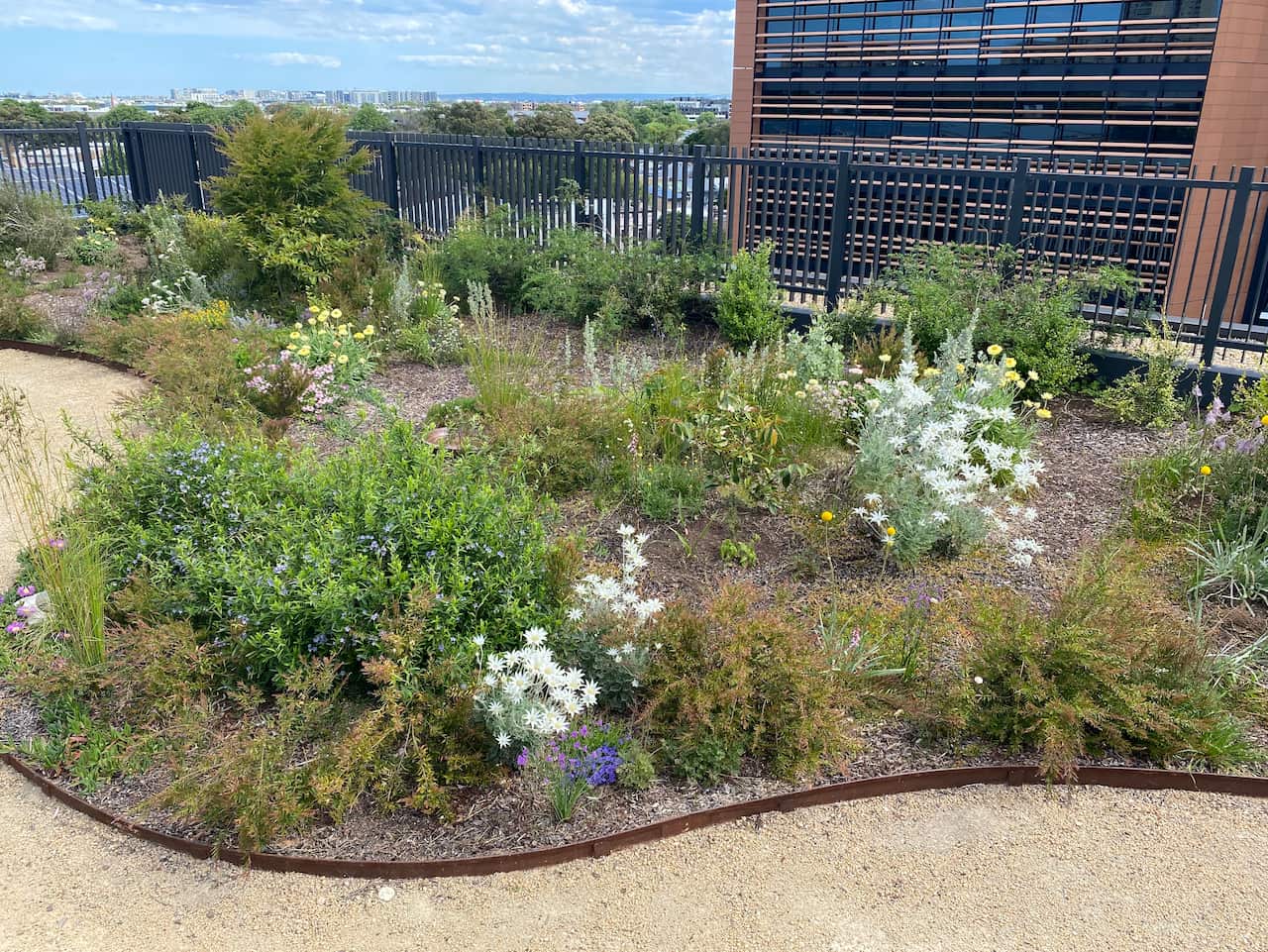
Closer to home, your local community garden or even your compost bin are embracing permaculture principles.
Best of all, it’s not an all-or-nothing approach. “Permaculture isn’t rigid,” Moreno says. “You can start where you are.”
How to integrate permaculture into your everyday life
Rethink how you shop for food
“Instead of going and shopping to the big supermarkets, you might start thinking about supporting your local farmers at the farmers market,” says Moreno, who loves to eat what’s abundant and in season.
Plan before you plant
If you’re dreaming of a backyard harvest, Hannah Moloney, co-founder of Hobart-based Good Life Permaculture, recommends taking the time to design your garden.
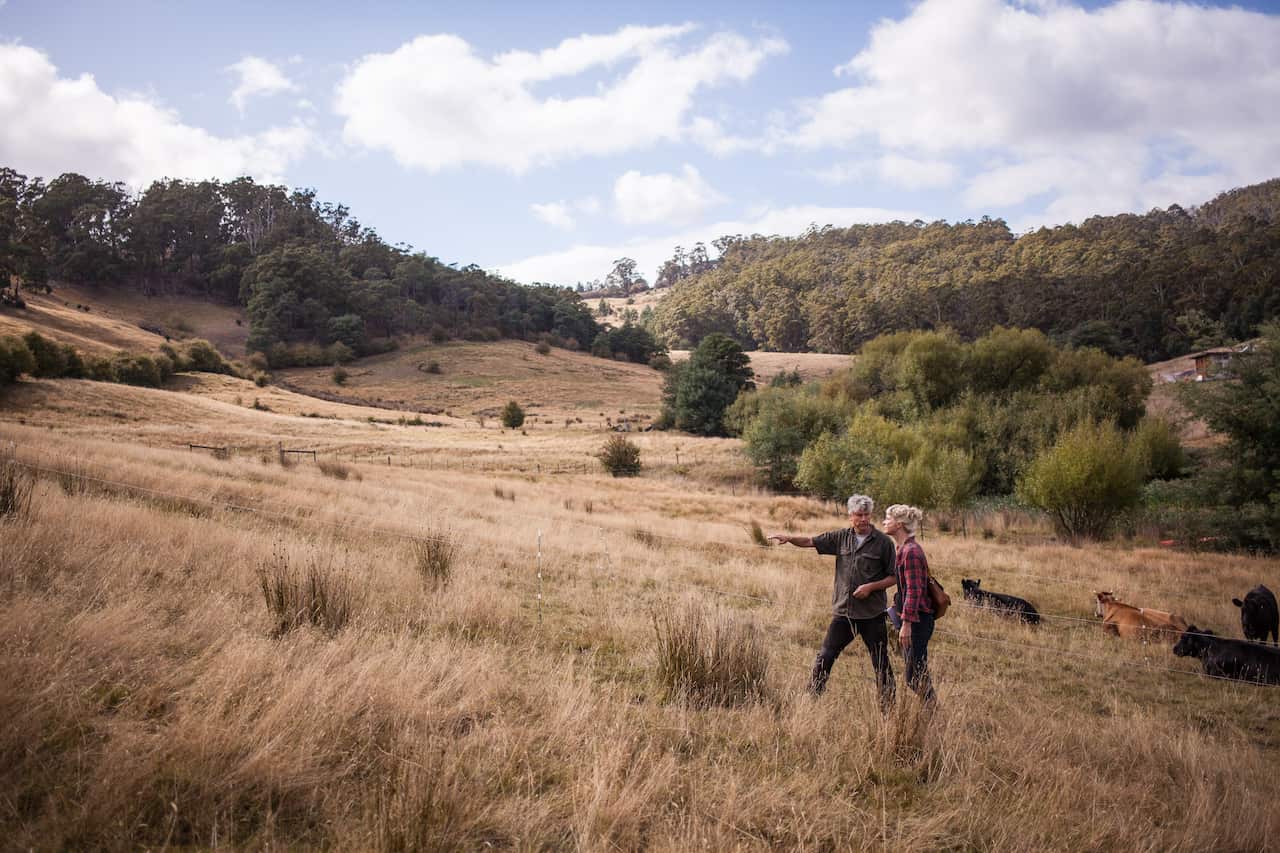
“This will help create space that meets all your needs, and is more likely to avoid mistakes which can cost you time and money,” she says.
Mix it up
Wondering what is permaculture gardening? “Diversity of plants is key to a healthy garden,” Moloney explains. "Grow a range of herbs, salads, vegetables, and fruits strategically. This diversity will help prevent pest invasions and provide a broad yield across all seasons."
Grow food that you actually love to eat, and lean into companion planting (like pairing basil with tomatoes). Include some native plants too; they’re well adapted to local conditions and support biodiversity.
Make the most of small spaces
No big backyard? No problem. Moreno recommends using pots and vertical gardens to grow plants like lettuce, chillies and herbs. Even a sunny windowsill can be productive.
Compost everything you can
“There should be nothing organic going into your bin. Compost everything and cycle those nutrients back into your productive garden to feed the soil and plants,” says Moloney.
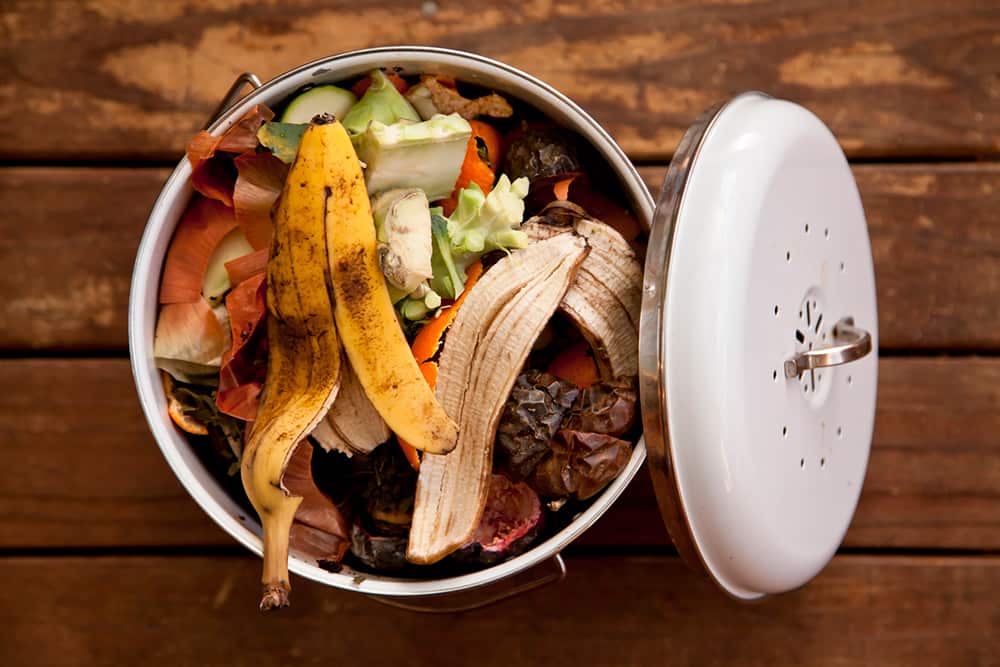
If you’re tight on space, a worm farm is a compact (and surprisingly low-maintenance) solution.
Collect and recycle water
Collect the cold water that runs while your shower heats up, or save the last bit of your water bottle. Buckets, basins and rainwater tanks are your allies in reducing water waste.
Share your surplus
Got too many pumpkins? Trade with neighbours, gift them, or start a community swap. Permaculture values community as much as it does sustainability.
For Moreno, permaculture is a way to navigate a complex world with clarity and hope. “People are really worried about the world and want to do something, but they don't know what to do. Permaculture gives you tools to start thinking about what you can do,” he sums up.

SBS Food is a 24/7 foodie channel for all Australians, with a focus on simple, authentic and everyday food inspiration from cultures everywhere. NSW stream only. Read more about SBS Food

Have a story or comment? Contact Us