“Do you have any black pudding?” I have to lean over the counter of the deli where I work to hear the little old lady’s question. She is five-foot-nothing, neatly put together and entirely no-nonsense.
“It doesn’t seem like it,” I respond, opening the cabinet’s perspex sliders and peering around the salamis and whole ham legs. “We do stock Clonakilty but it looks like we’re out at the moment.”
The woman looks so lost for words that I feel compelled to keep her engaged. I offer to order her some in. She looks relieved. But the story really opens up when I take moves to write her name and phone number in the order book.
“Mary Flynn?” I repeat back to her, looking up from the order book with pen still in hand. “So you’re Irish?”
This is when Mary begins talking. When she tells me how she grew up on a farm in County Cork and her parents made black pudding from their own pigs. Mary tells me that – even though the black pudding she buys in our deli isn’t the same – one small taste is enough to transport her back 60 years and across oceans; to return her to County Cork and home.
When Mary leaves, that day, I know so much more than just her face and her name.
So I make it a practice; I begin to ask the people that I know – and even those that I don’t – to describe for me their favourite dish.
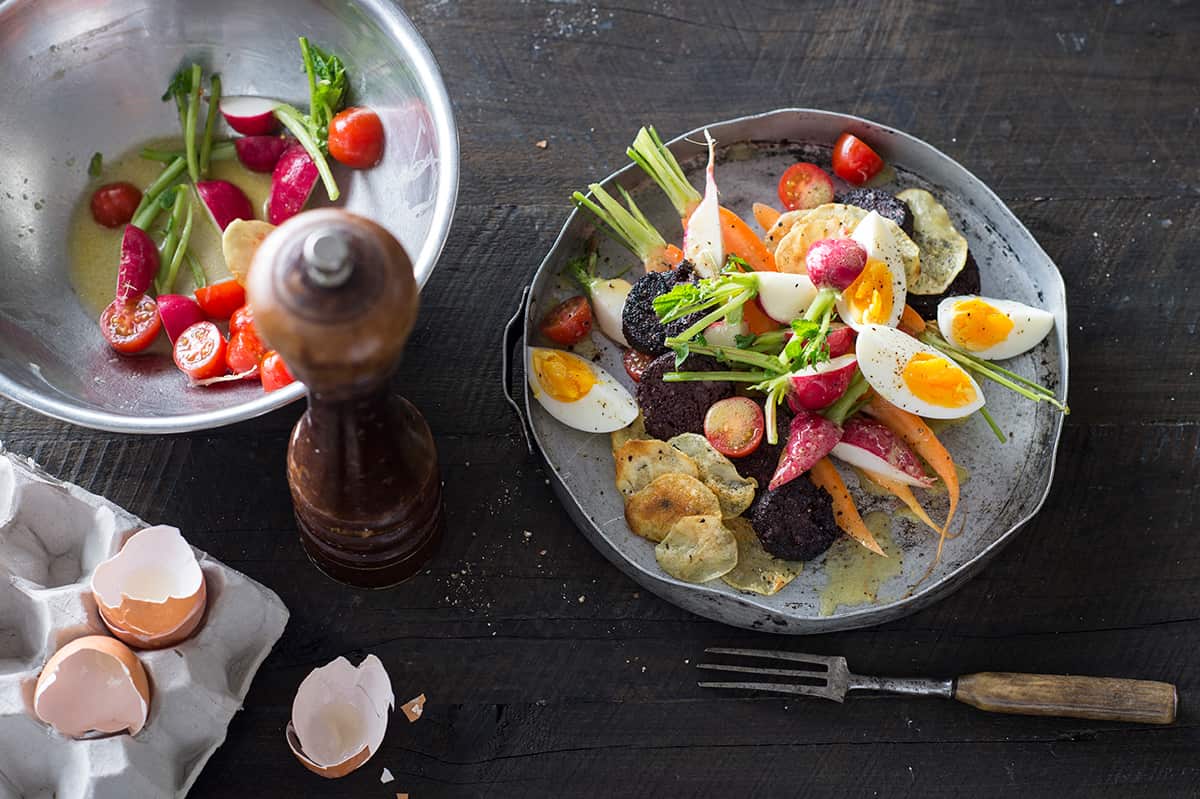
Does black pudding bring back memories for you? Try this farmer's salad with potato, egg and black pudding
One regular customer tells me she buys the mortadella because it tastes of her nonna's; this customer grew up on Canada’s East Coast and that sliced deli meat formed an important part of her Italian grandmother’s efforts to recreate familiarity in an unfamiliar landscape.
A close friend immediately nominates her Dutch mother’s ice-cream-stuffed pancakes. This friend of mine is South African but her choice reminds me that – though she speaks with the accent of her homeland – by grace of her mother she is inexorably tied to Holland, too.
My dish of memory has always been the dahl of my Indian grandmother, but as I age and my own Australian mother nudges more and more into my field of view, sometimes it is now Mum’s own cultural contribution to our dinner table; to the peas and mashed potato she loved and I hated; the peas and mashed potato I have grown to love and that I now feed to my own two children, too.
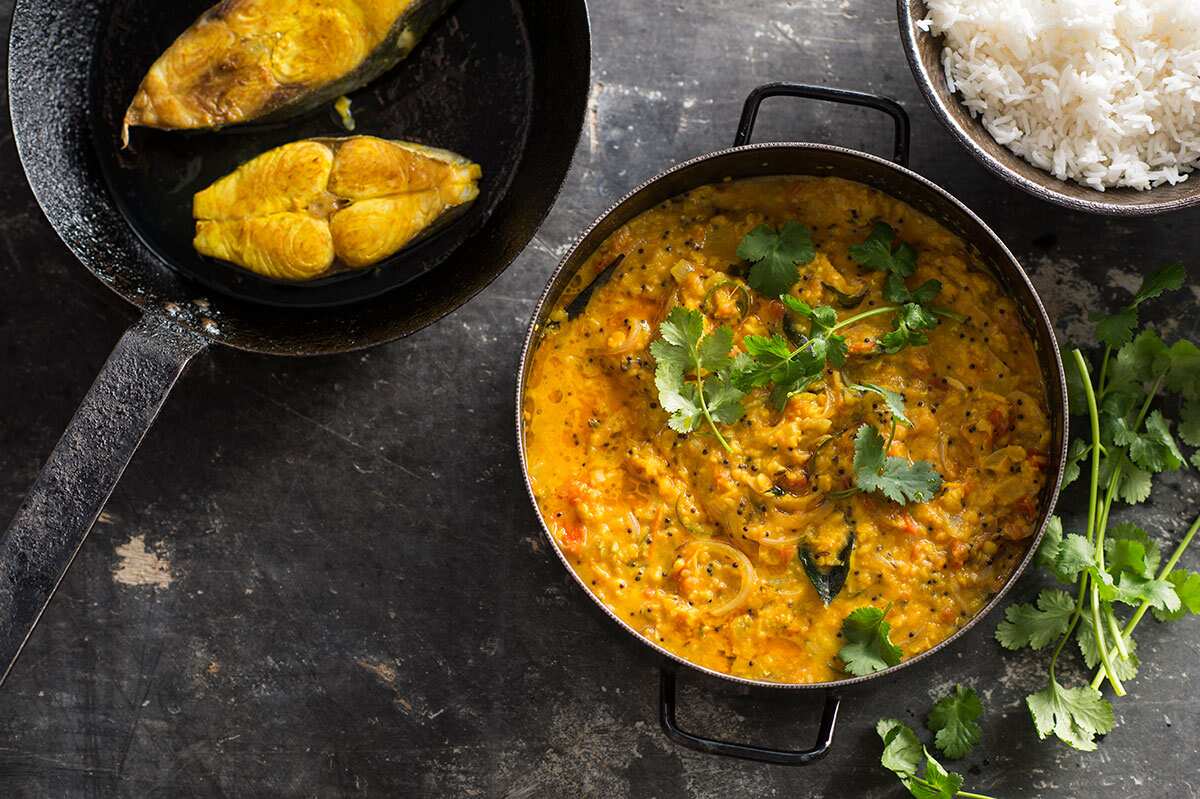
For this writer, an Indian dahl brings back memories of family and heritage
Nostalgia is so engaging because it tells the tale of the pieces of our lives that we romanticise in an effort to preserve, for romanticism is like vinegar to memories – it works to keep those pieces of us in a suspended, preserved state.
These preserved pieces of our past then become touchstones. They are the moments we refer back to when we need to be reminded of our own journeys; of how far we’ve come; of how solid we are when trauma or change or high emotion blurs the edges and make our worlds appear too porous.
Of course the softness of this universal language means nostalgia is not just a tool we can use to remember our selves, but a gentle handle we can use to open the door to see sameness in others where before there may only have been difference.
Your Chinese mother made you congee on cold winter mornings? My English mum made me porridge, too!
You ate fresh-cooked muffins while you opened your presents on Christmas morning? Sweets were always such a part of our Diwali celebrations!
Having a way to connect rooted in rose-coloured visions drops our defences; it shifts our perception from solid to liquid so we may greet others with a more fluid view.
So tell me of your favourite dish. Recall the memory with all of the sweetness that nostalgia offers, and in this shared feasting I’ll see you in me, and you’ll see me in you.
Love the story? Follow the author here: Facebook.
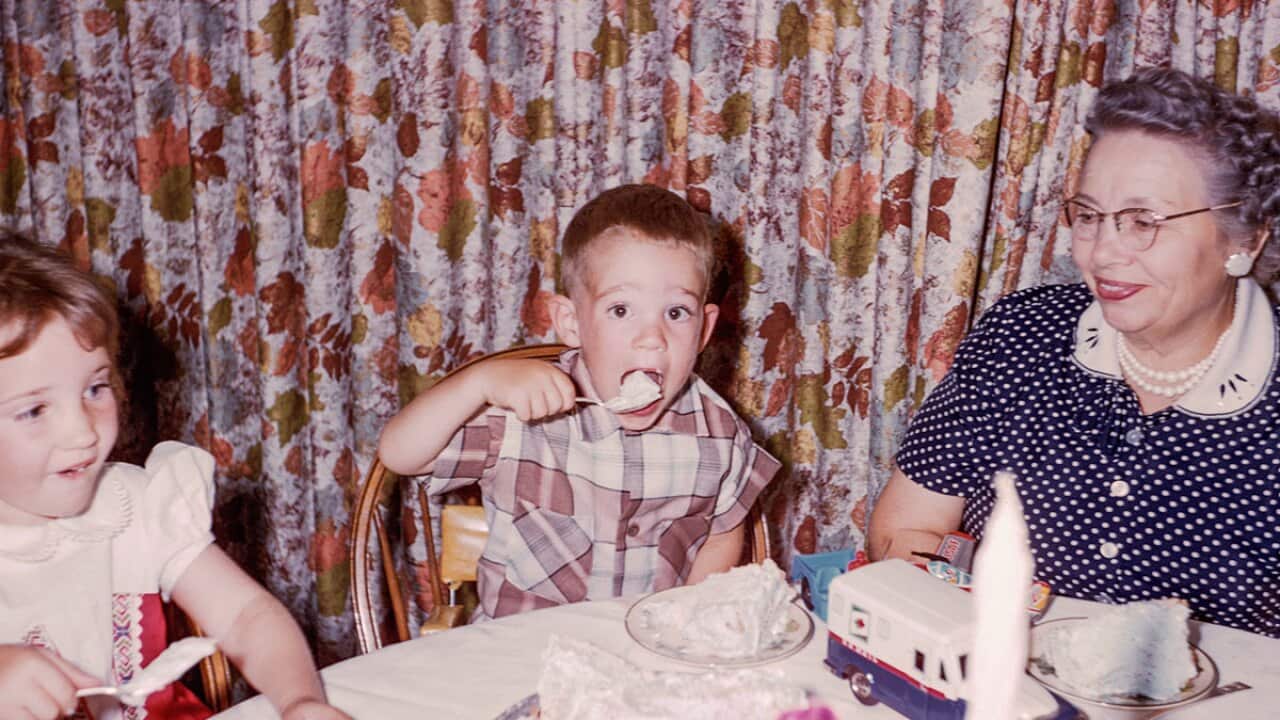
Lead image: PBNJ Productions via Getty

SBS Food is a 24/7 foodie channel for all Australians, with a focus on simple, authentic and everyday food inspiration from cultures everywhere. NSW stream only. Read more about SBS Food

Have a story or comment? Contact Us