- makes 12 serves
- preparation 20 minutes
- difficulty Mid level
Ingredients
Classic yeast dough
- 450 g (1 lb) white (light) spelt flour
- 180 g (6 oz) full-fat milk, lukewarm (about 30°C/85°F)
- 50 g (1¾ oz) raw cane sugar
- 21 g (¾ oz) fresh yeast
- 70 g (2½ oz) butter, at room temperature
- 1 medium egg, at room temperature
- 5 g (⅛ oz) salt
Vegan yeast dough
- 450 g (1 lb) white (light) spelt flour
- 200 g (7 oz) plant-based milk, lukewarm (about 30°C/85°F)
- 50 g (1¾ oz) raw cane sugar
- 21 g (¾ oz) fresh yeast
- 70 g (2½ oz) vegetable fat, at room temperature
- 5 g (⅛ oz) salt
Gluten-free yeast dough
- 400 g (14 oz) gluten-free bread mix
- 65 g (2¼ oz) chickpea (besan) flour
- 3 g (⅛ oz) xanthan gum (plant-based binder)
- 320 g (11¼ oz) full-fat milk, lukewarm (about 30°C/85°F)
- 50 g (1¾ oz) raw cane sugar
- 21 g (¾ oz) fresh yeast
- 70 g (2½ oz) butter, at room temperature
- 1 medium egg, at room temperature
- 5 g (⅛ oz) salt
Standing time: 15 minutes; Rising time: 45-60 minutes.
Instructions
1. If making classic yeast dough: Place the spelt flour in a mixing bowl and make a well in the centre. Pour the lukewarm milk into the well. Sprinkle the raw cane sugar into the milk, then add the yeast, crumbled into small pieces, to the milk and sugar mixture. Sprinkle a little flour from the bowl onto the surface of the milk to cover the yeast mixture. Set aside to rest for 15 minutes.
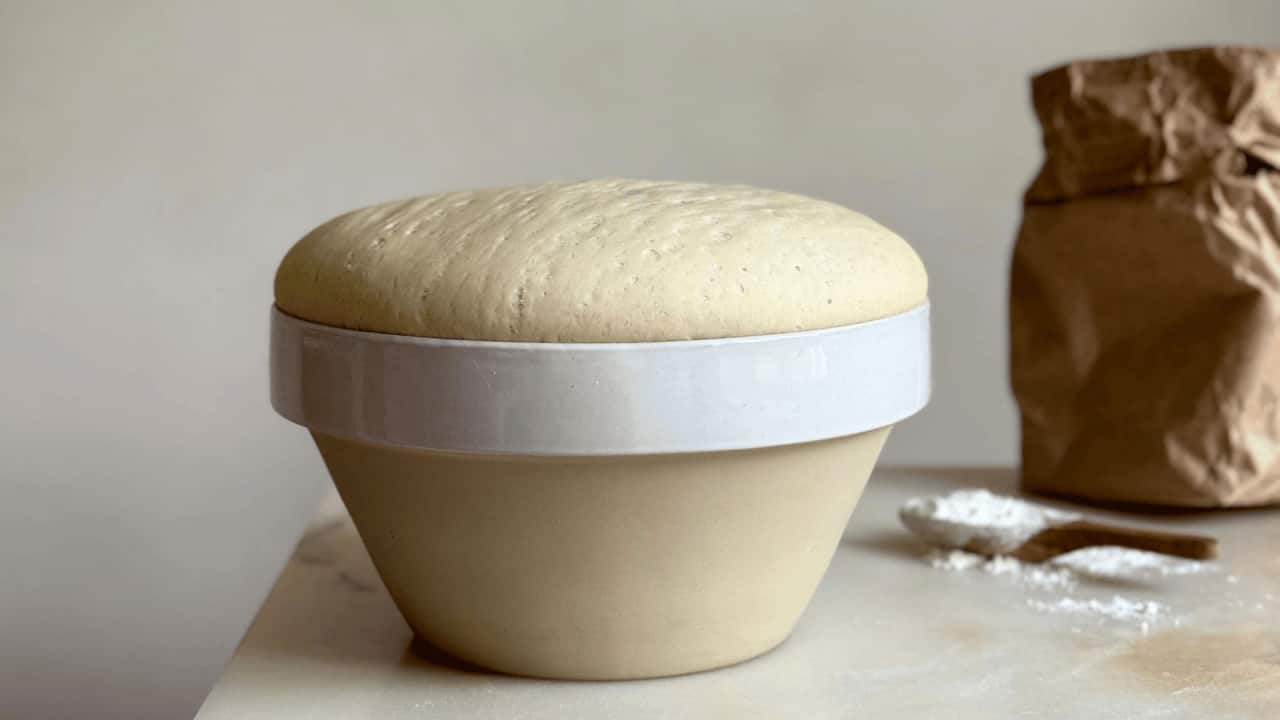
After the end of the rest time, add the butter, egg and salt. Use the dough hook on a hand mixer, stand mixer or food processor to knead the dough for 1 minute at the lowest setting, then knead for a further 7–8 minutes at a low speed until the dough becomes pliable. Shape the dough into a ball and place it in a clean bowl. Cover with a damp cloth or a lid and leave to rise in a warm place for 45–60 minutes until it has doubled in volume.
2. If making vegan yeast dough: Place the spelt flour in a mixing bowl and make a well in the centre. Pour the plant-based milk into the well. Sprinkle the raw cane sugar into the plant-based milk, then add the yeast, crumbled into small pieces, to the milk and sugar mix. Sprinkle a little flour from the bowl onto the surface of the plant-based milk to cover the yeast mixture. Set aside to rest for 15 minutes.
After the end of the rest time, add the vegetable fat and salt. Use the dough hook on a hand mixer, stand mixer or food processor to knead the dough for 1 minute at the lowest setting, then knead for a further 7–8 minutes at a low speed until the dough becomes pliable. Shape the dough into a ball and place it in a clean bowl. Cover with a damp cloth or a lid and leave to rise in a warm place for 45–60 minutes until it has doubled in volume.
3. If making gluten-free yeast dough: Place the gluten-free bread mix in a mixing bowl together with the chickpea flour and xanthan gum and combine thoroughly. Make a well in the centre. Pour the lukewarm milk into the well. Sprinkle the raw cane sugar into the milk, then add the yeast, crumbled into small pieces, to the milk and sugar mixture. Sprinkle a little flour mix from the bowl onto the surface of the milk to cover the yeast mixture. Set aside to rest for 15 minutes.
After the end of the rest time, add the butter, egg and salt. Use the dough hook on a hand mixer, stand mixer or food processor to knead the dough at a low speed until it just comes together smoothly. Do not over-knead. Shape the still sticky dough into a ball and place it in a clean bowl. Cover with a damp cloth or a lid and leave to rise in a warm place for 1 hour until it has doubled in volume.
Note
- The gluten-free dough is ideal for making rolls and ear-shaped buns (korvapuusti). Due to its lack of gluten, it isn’t elastic enough to form twists or create a croissant dough. I’m still working on that.
- The vegan yeast dough works very well for many kinds of rolls and buns. Feel free to experiment with the plant-based milk alternatives. Soy, rice and oat milk have a neutral taste. Almond or coconut milk can contribute additional flavour nuances to the dough.
Image and recipe from Sweet Buns by Maren Thobaden (Murdoch Books, $36.99). Recipe image by Maren Thobaden.
Cook’s Notes
Oven temperatures are for conventional; if using fan-forced (convection), reduce the temperature by 20˚C. | We use Australian tablespoons and cups: 1 teaspoon equals 5 ml; 1 tablespoon equals 20 ml; 1 cup equals 250 ml. | All herbs are fresh (unless specified) and cups are lightly packed. | All vegetables are medium size and peeled, unless specified. | All eggs are 55-60 g, unless specified.

SBS Food is a 24/7 foodie channel for all Australians, with a focus on simple, authentic and everyday food inspiration from cultures everywhere. NSW stream only. Read more about SBS Food

Have a story or comment? Contact Us